The Ultimate Nissan Leaf ZE1 Battery Swap Guide: OEM vs. Aftermarket (2026 Edition)
If you own a Nissan Leaf ZE1 (specifically the 2021 model year), you’re likely facing a critical juncture. The original battery, while revolutionary for its time, may be showing signs of degradation. You’re now standing at a crossroads: pay the exorbitant price for a brand-new OEM (Original Equipment Manufacturer) unit, or explore the rapidly evolving world of aftermarket replacements.
As a specialist in EV powertrains, I have analyzed thousands of battery swaps for Nissan and BMW owners. The data is clear: for the Leaf ZE1, the cost-to-performance ratio of a high-quality aftermarket solution is often superior to retaining the factory standard. In this guide, we will dissect the financial realities, technical compatibility, and long-term value of swapping your ZE1 battery.
📉 The Reality of OEM Replacement for 2021 Leaf ZE1 Owners
Let’s start with the most painful aspect: the price tag. If you walk into a dealership or order a “genuine” replacement battery for your 2021 Leaf, you are looking at a staggering investment.
- The Cost Barrier: A factory-new OEM battery pack for the ZE1 can easily exceed $16,000 USD. For a vehicle that has depreciated significantly since 2021, this often makes financial sense only if you have comprehensive insurance coverage for the battery.
- The “New” Misconception: Even OEM replacements are sometimes refurbished units pulled from totaled vehicles. You pay a premium for the badge, but the internal cells might have an unknown history or be older stock.
🚀 The Aftermarket Advantage: Performance & Value
The aftermarket isn’t just about saving money; it’s about leveraging the last decade of battery technology advancements. Companies like CNS Battery have spent ten years refining lithium-ion solutions specifically for Nissan and BMW platforms.
Why are aftermarket swaps becoming the dominant choice for ZE1 owners?
- 50% Cost Reduction: You can achieve the same (or better) performance for roughly half the price of OEM.
- Technology Leap: Aftermarket manufacturers utilize the latest CATL (Contemporary Amperex Technology Co. Limited) cells. These are the same Tier-1 cells used by major automakers today, offering higher energy density and longer lifespans than the cells available in 2021.
- Customization: Unlike OEM, which only offers what was originally spec’d, aftermarket allows you to potentially upgrade your KWH rating.
⚖️ Head-to-Head: OEM vs. Aftermarket (CNS Standard)
To make an informed decision, let’s compare the core metrics. This table reflects the current 2026 market standards.
| Comparison Factor | OEM “Genuine” Replacement | Premium Aftermarket (e.g., CNS) |
|---|---|---|
| Price Range | $14,000 – $18,000+ | $7,500 – $9,000 |
| Cell Quality | Original spec (often older chemistry) | Brand New CATL Cells (Top-tier performance) |
| Warranty | Standard (Varies, often shorter mileage) | 2 Years / 80,000 km (Whichever comes first) |
| Battery Life | Matches original factory standards | Exceeds OEM (Stable & durable) |
| Availability | Long lead times, dependent on manufacturer | In Stock / Custom Built |
🔋 The Technical Deep Dive: Why CATL Cells Matter for Your ZE1
When you swap your ZE1 battery, the heart of the matter is the chemistry. At CNS, we exclusively use brand-new CATL lithium iron phosphate (LFP) or NMC cells. Why does this matter for your 2021 Leaf?
- Zero Cycle History: Unlike a refurbished OEM pack that might have 30,000 miles on it already, an aftermarket pack is built from scratch. You start at 100% health.
- Superior Thermal Management: The ZE1 benefits immensely from modern BMS (Battery Management Systems). Our packs are designed with enhanced thermal regulation, preventing the “swelling” issues that plagued older Leaf batteries.
- Plug-and-Play Compatibility: A major concern for owners is modification. High-quality aftermarket batteries are engineered to OEM standards. This means the voltage, capacity, and interface (including Type 2 connectors) match perfectly. There is no hacking or modification required—just a direct swap.
🛠️ Real-World Results: The 62kWh Upgrade
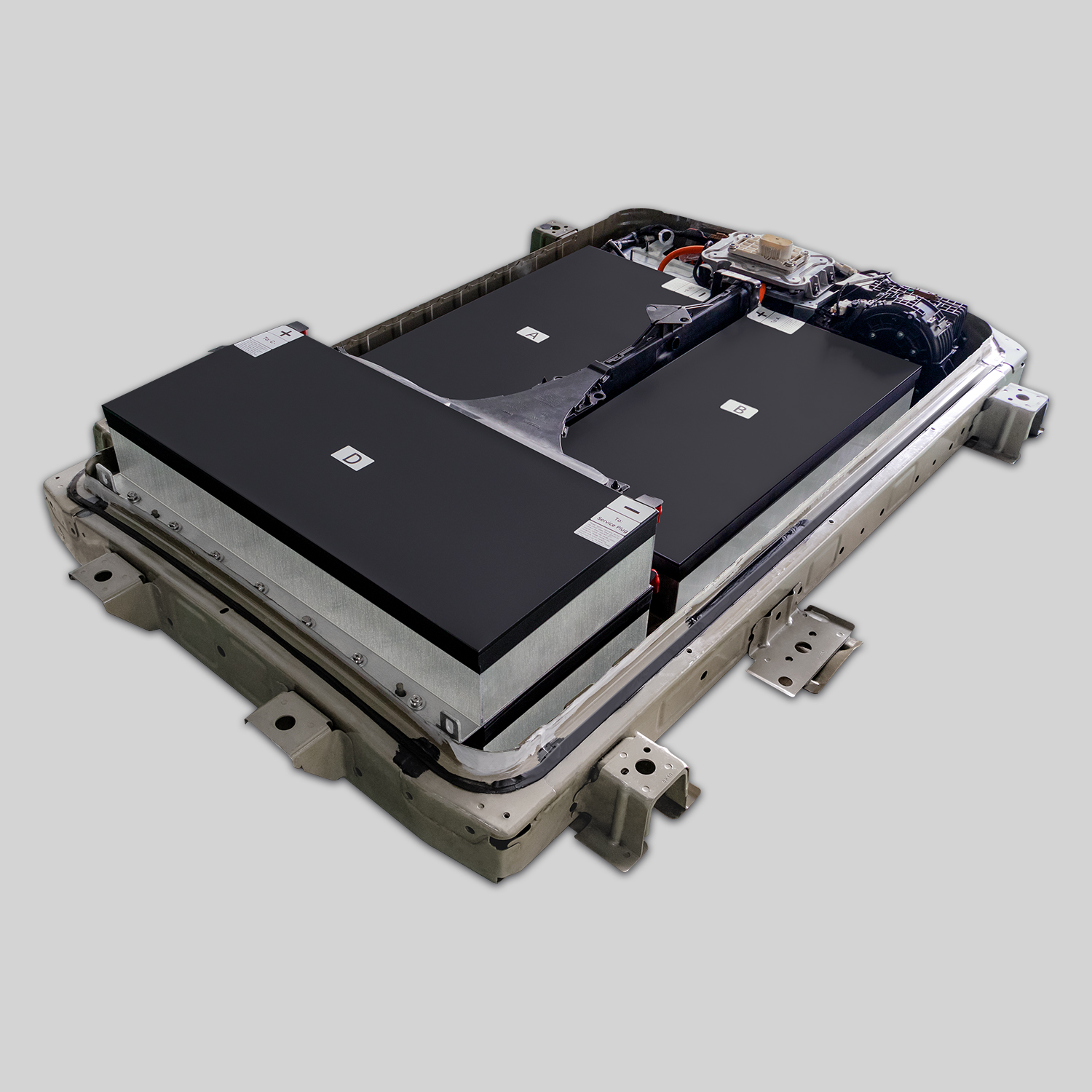
One of the most popular swaps we see for the Leaf ZE1 is the upgrade to a 62kWh lithium battery pack.
A recent case study involved a customer in London (David L.) who owned a 2021 Leaf ZE1. He had previously tried a cheap refurbished battery that swelled after six months. He opted for a CNS 62kWh pack.
- The Result: The full charge range hit 440km, matching the factory specifications perfectly. The charging speed was identical to the original, but the peace of mind came from the 2-year warranty and the fact that the connectors were a “perfect match,” requiring zero modifications.
This is the standard experience for ZE1 owners who choose a reputable aftermarket solution. You aren’t just replacing a battery; you are revitalizing your vehicle.
📝 The Installation Process: Is it DIY Friendly?
Many ZE1 owners worry that an aftermarket swap is complex. The reality is that it is often simpler than dealing with a dealership.
- Pre-Sale Check: Before you buy, a simple VIN check confirms compatibility. This ensures the pack fits your specific ZE1 variant.
- The Swap: For a professional technician, installation takes roughly 1-2 hours. It is a mechanical removal of the old pack and bolting in the new one.
- Programming: This is where expertise matters. Reputable manufacturers provide comprehensive support. If you encounter a BMS programming hiccup, remote video guidance is available to walk you through the final steps in minutes.
💡 Frequently Asked Questions (FAQ)
1. Is an aftermarket battery safe for my Nissan Leaf ZE1?
Yes, provided you choose a manufacturer that adheres to OEM standards and uses high-grade cells (like CATL). Look for companies that offer robust warranties (2 years/80,000km is a good benchmark) as this reflects their confidence in the product’s safety and durability.
2. Will an aftermarket battery void my car’s remaining warranty?
Generally, the battery is a separate component. However, it is always best to check your specific vehicle warranty terms. A professionally installed aftermarket battery that matches OEM voltage and specifications should not cause electrical issues with the rest of the vehicle.
3. How long does the installation take?
For a professional mechanic, the physical installation usually takes 50 minutes to 2 hours. This includes disconnecting the old power, removing the pack, and bolting in the new unit. Programming the BMS is usually seamless, but support is available if needed.
4. What KWH options are available for the Leaf ZE1?
The Leaf ZE1 is highly adaptable. You can typically choose from 40kWh, 50kWh, or 62kWh lithium battery packs. The 62kWh option is highly recommended for maximizing range and future-proofing your vehicle.
Ready to breathe new life into your Nissan Leaf ZE1? Don’t let the high cost of OEM replacements limit your options. Explore a customized, high-performance battery solution that fits your budget.