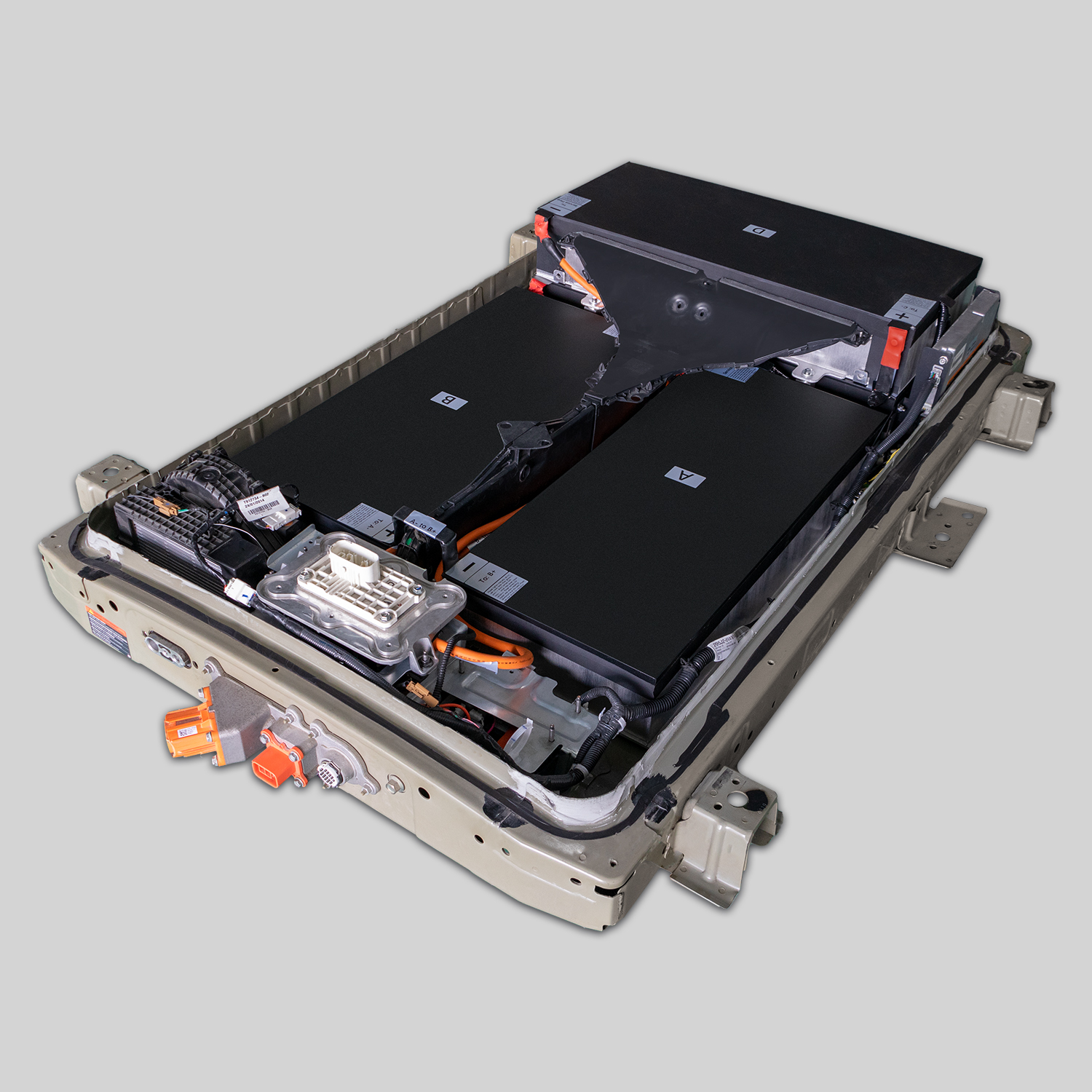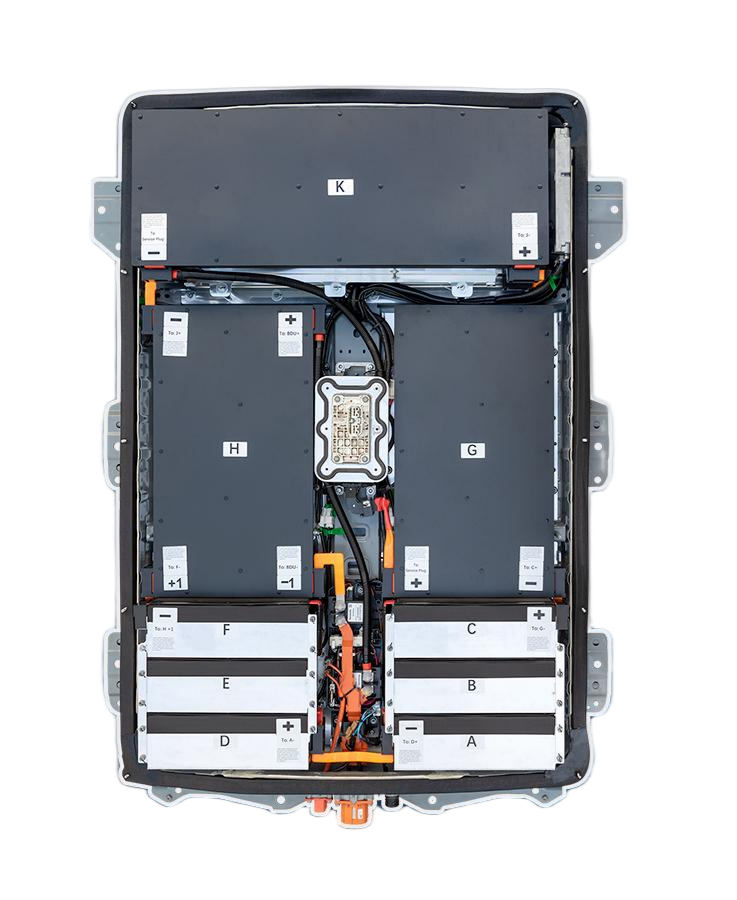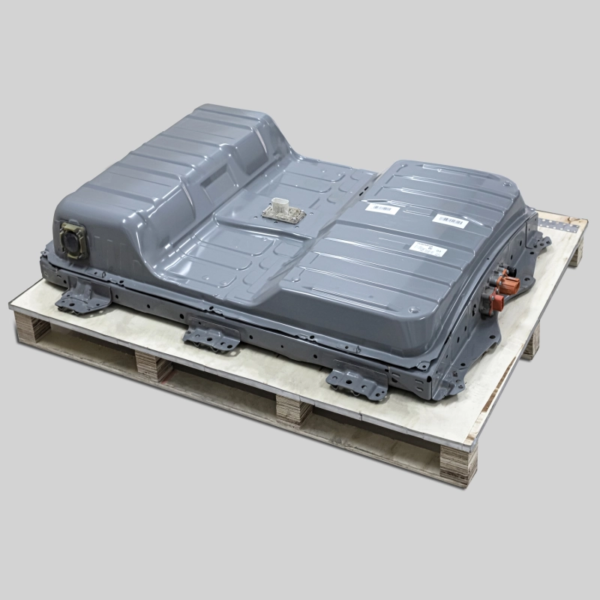
Upgrading Your Nissan Leaf ZE0 to 68kWh in Spain: The 2026 Guide
If you own a Nissan Leaf ZE0 in Spain and are tired of the “range anxiety” that comes with the original 24kWh or 30kWh batteries, you are not alone. As we navigate 2026, the electric vehicle landscape in Spain has evolved, with more drivers seeking cost-effective ways to extend their vehicle’s lifespan and usability.
Upgrading your Leaf ZE0 to a 68kWh battery is no longer just a mechanic’s dream; it is a practical reality that can transform your car from a city runabout into a capable long-distance vehicle.
This guide will walk you through why the 68kWh upgrade is the best choice for Spanish drivers in 2026, how it compares to OEM options, and what you need to know about importing high-quality aftermarket solutions.
Why Upgrade Your Leaf ZE0 in 2026?
The Nissan Leaf ZE0, while a pioneer in the EV market, suffers from significant battery degradation over time. By 2026, many of these vehicles on Spanish roads have batteries that are severely depleted.
The Reality of the ZE0:
- Original Range: ~130-150 km (80-90 miles).
- Current Range (Degraded): Often below 100 km (60 miles).
- Problem: This range is insufficient for modern life, even for short commutes, and replacing it with a used battery is only a temporary fix.
Upgrading to a 68kWh lithium-ion battery pack effectively gives your car a second life. It is the most cost-effective way to achieve a real-world range of over 350-400 km (220-250 miles), making your ZE0 competitive with modern electric vehicles.
The 68kWh Advantage for Spanish Drivers
Spain is a country of long road trips and vast distances between cities. The standard ZE0 range simply doesn’t cut it for a weekend trip to the coast or visiting family in another region.
Here is why the 68kWh upgrade is the ultimate solution for 2026:
- Doubling the Range: A 68kWh pack provides roughly 4.5 times the energy of the original 24kWh pack. This means you can drive from Madrid to Toledo (approx. 70 km) and back with ease, or even make it to the beach without sweating over the battery gauge.
- Cost Efficiency: In 2026, buying a new electric car is expensive. Upgrading your existing Leaf allows you to keep your registration, avoid high new car taxes, and enjoy a “new” car for a fraction of the price.
- Future-Proofing: With a fresh battery, your ZE0 can easily last another 5-10 years, keeping up with Spain’s increasing charging infrastructure.
Comparison: OEM vs. Aftermarket (CNS BATTERY)
When looking at a 68kWh upgrade, you have two main paths: paying the dealership for a new Nissan battery (if available) or opting for a high-quality aftermarket solution.
Most drivers in Spain find that aftermarket solutions offer the best value, especially when they utilize top-tier cells.
| Feature | Original Nissan (OEM) | Aftermarket (Premium) |
|---|---|---|
| Estimated Cost (2026) | €12,000 – €16,000+ | €6,000 – €8,000 |
| Battery Cells | Varies (Often older tech) | Brand New CATL Cells |
| Warranty | Standard Manufacturer | 2 Years / 80,000 km |
| Availability | Long waiting lists | Ready to ship |
Note: Prices are estimates based on 2026 market trends. Aftermarket solutions typically save you over 50% compared to OEM.
Choosing the Right 68kWh Battery: Quality Matters
Not all 68kWh batteries are created equal. Since you are importing or purchasing a major component, safety and compatibility are non-negotiable.
1. Cell Quality is King
The heart of your battery is the cell. For a ZE0 upgrade, you need cells that can handle the thermal demands of the Spanish climate, from the cold winters in the Sierra Nevada to the scorching summers in Andalusia.
Look for Brand New CATL Cells:
Contemporary Amperex Technology Co. Limited (CATL) is the world’s largest battery manufacturer. Using new CATL cells ensures:
- Thermal Stability: Essential for Spain’s hot summers.
- Long Cycle Life: Thousands of charge cycles without significant degradation.
- Safety: Advanced BMS (Battery Management System) integration to prevent fires or shorts.
2. Plug-and-Play Compatibility
You do not want to spend days rewiring your car. The ideal 68kWh kit for the ZE0 should be a drop-in replacement.
- Physical Fit: It must fit perfectly in the ZE0 chassis without modifications.
- Software Integration: The BMS must communicate with the Nissan Leaf dashboard to show accurate state-of-charge (SOC) bars and prevent error codes.
Navigating Import and Shipping to Spain
Since the best 68kWh batteries might be manufactured outside of Europe, understanding shipping is crucial for a Spanish buyer in 2026.
DDP Shipping (Delivered Duty Paid)
When sourcing a battery, look for suppliers that offer DDP shipping to Spain. This means:
- No Hidden Fees: The price you see online is the price you pay. The supplier handles Spanish VAT (IVA), customs duties, and import clearance.
- Peace of Mind: You avoid the nightmare of being charged thousands of euros in unexpected taxes when the freight forwarder arrives at your door.
Logistics Time
While air freight is expensive for heavy batteries, sea freight is the standard. Plan for 4-8 weeks for delivery from Asia to Spain. If you need the car urgently, some suppliers offer expedited services, but for a planned upgrade, sea freight is the most economical choice.
Installation Guide: Can You Do It Yourself?
Many Spanish Leaf owners are handy, but installing a 68kWh battery is a serious job.
- Time Required: 1-2 hours for a professional; up to 4 hours for a DIY enthusiast.
- Tools Needed: Standard mechanic tools, insulated gloves, and a torque wrench.
The Process:
- Disconnect Power: Always disconnect the 12V battery first.
- Remove Old Pack: The ZE0 battery is heavy; you will need a transmission jack or engine crane.
- Install New Pack: Lower the 68kWh unit in. Ensure all high-voltage connectors are seated correctly.
- BMS Programming: This is the most critical step. The new battery’s BMS often needs to be programmed to sync with your car’s VIN.
Expert Tip: If you are not experienced with high-voltage systems, hire a professional. However, if you decide to DIY, ensure your supplier offers video call support for the BMS programming phase. This real-time guidance is invaluable for avoiding mistakes.
Frequently Asked Questions (FAQ)
Q1: Is a 68kWh upgrade legal in Spain?
A: While modifying a vehicle requires notification, replacing a degraded battery with a new, compatible unit of higher capacity is generally considered a repair or restoration. It is vital to ensure the battery meets UN38.3 safety standards for transportation and that the installation does not alter the vehicle’s original safety systems.
Q2: Will this void my car’s warranty?
A: Since the ZE0 is an older model, most factory warranties have expired. However, a high-quality aftermarket battery comes with its own warranty (typically 2 years). Ensure the supplier provides documentation proving the battery is OEM-compatible to avoid issues with local garages.
Q3: How much range will I actually get in Spain?
A: Real-world range depends on driving style and terrain. In Spain, you can expect:
- City Driving: ~400 km (250 miles)
- Highway (120 km/h): ~300 km (185 miles)
- Winter (Cold): ~330 km (205 miles)
This is a massive improvement over the original 100 km range.
Q4: What about the weight?
A: The 68kWh battery is heavier than the original. However, the ZE0 suspension is robust. The added weight does not negatively impact handling significantly but does improve high-speed stability.
Ready to Upgrade Your Leaf?
Upgrading your Nissan Leaf ZE0 to a 68kWh battery in 2026 is the smartest financial decision you can make for your vehicle. It turns a depreciating asset into a premium EV.
Don’t settle for a degraded battery or an overpriced OEM replacement. Choose a solution built with brand-new CATL cells, backed by a comprehensive warranty, and supported by expert installation guidance.
Get Your Free Custom Quote Today
Ensure your new battery is a perfect fit. Submit your details for a personalized compatibility check and quote.