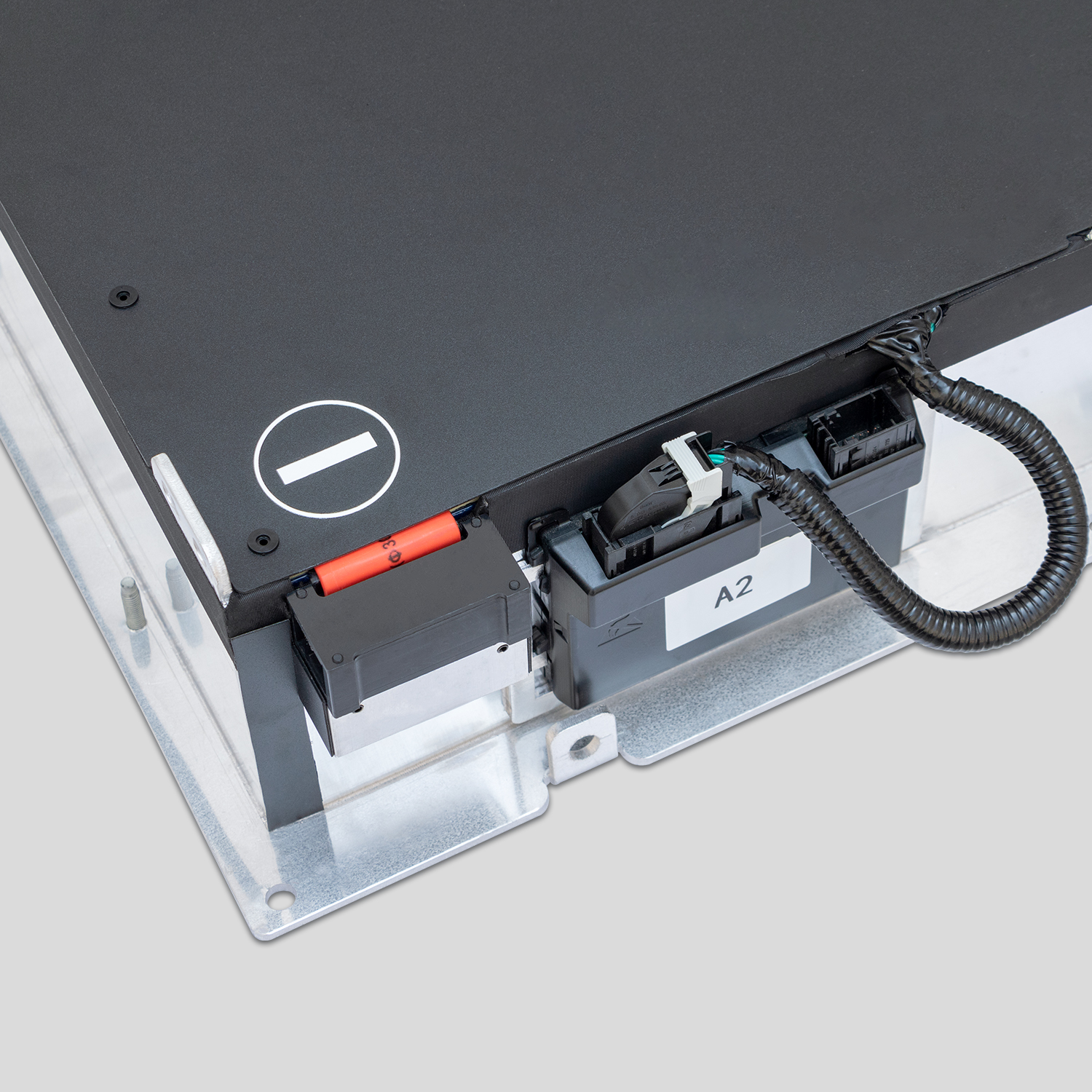
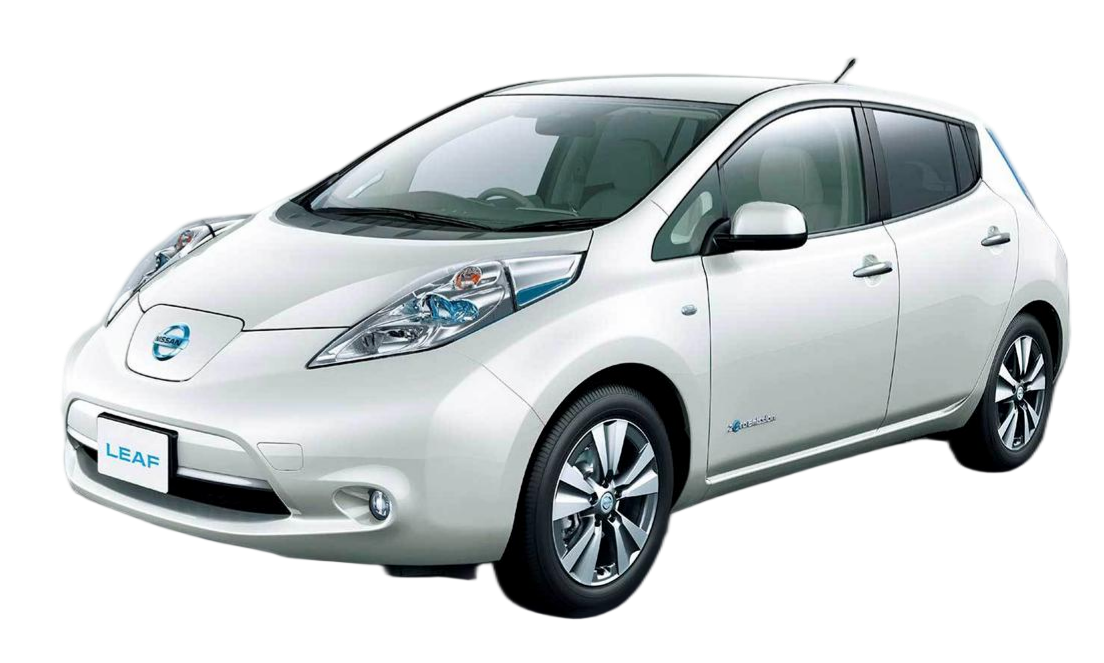
⚡ The Ultimate EV Battery Showdown: CATL Prismatic vs. AESC Pouch Cells
Are you facing range anxiety or battery degradation in your Nissan Leaf or e-NV200? You’re not alone. As an electric vehicle owner, the health of your battery pack is the lifeline of your daily commute. When it comes time for a replacement or upgrade, the choice of battery cells is the single most critical factor determining your car’s future performance, safety, and longevity.
At CNS BATTERY, we specialize in high-performance, OEM-compatible replacement batteries for Nissan and BMW models. We often get asked: “Should I stick with the original AESC pouch cells, or should I upgrade to the newer CATL prismatic cells?”
This guide cuts through the technical jargon to help you make the best decision for your wallet and your driving experience.
🔋 Understanding the Core: Pouch vs. Prismatic
Before we dive into the comparison, let’s understand the fundamental difference in cell architecture, as this dictates how the battery behaves over time.
The AESC Pouch Cell (The Original)
Many older Nissan Leaf models (specifically the ZE0 and early ZE1) came equipped with AESC (Automotive Energy Supply Corporation) laminated pouch cells. These are soft, flexible packs that are lightweight and offer high energy density.
- The Reality: While revolutionary in their time, these older lithium-manganese oxide (LMO) or laminated cells are prone to swelling and degradation, especially in hot climates. They often struggle to maintain capacity after 5-7 years.
The CATL Prismatic Cell (The Modern Standard)
Newer, high-end electric vehicles and our premium replacement batteries utilize CATL (Contemporary Amperex Technology Co. Limited) prismatic cells. These are hard-cased, rectangular lithium-ion cells (often NMC chemistry).
- The Reality: CATL is the world’s largest battery manufacturer. Their prismatic cells offer superior structural integrity, better thermal management, and a significantly longer cycle life compared to older pouch designs.
📊 Head-to-Head Comparison: CATL vs. AESC
To help you visualize the difference, here is a direct comparison of these two technologies based on real-world performance metrics.
| Comparison Criteria | CATL Prismatic Cells | AESC Pouch Cells |
|---|---|---|
| Structural Integrity | High (Rigid aluminum casing prevents swelling) | Low (Soft casing prone to swelling over time) |
| Thermal Management | Excellent (Flat surfaces allow for even heat dissipation) | Poor (Air pockets in pouches create hotspots) |
| Lifespan (Cycles) | 3000+ cycles (Lasts significantly longer) | 500-1000 cycles (Degrades faster) |
| Safety | High (Resistant to puncture, stable chemistry) | Moderate (Swelling can damage the Battery Management System) |
| Common Issues | Minimal (Rare failure rate) | Swelling, Power Failure, Sudden Death |
🏆 Why CATL Prismatic Cells Are the Superior Choice for Upgrades
Based on our decade of experience in the EV battery field, we strongly recommend CATL prismatic cells for anyone looking to replace or upgrade their Nissan Leaf (ZE1, AZE0) or e-NV200 battery. Here is why:
1. Unmatched Durability and Longevity
The rigid aluminum casing of a prismatic cell provides inherent structural support. Unlike pouch cells, which expand and contract with temperature changes (often leading to “swelling” that breaks internal connections), prismatic cells maintain their shape. This results in a battery pack that lasts 2-3 times longer than one built with older AESC technology.
2. Superior Safety and Stability
Safety is non-negotiable. Prismatic cells have a lower risk of thermal runaway. The flat surfaces allow for efficient heat transfer to the battery pack’s cooling plates. In contrast, AESC pouch cells can trap heat between the layers of the laminate, creating hotspots that accelerate degradation and pose a higher fire risk if damaged.
3. Higher Energy Density Options
While older AESC cells were limited in capacity, modern CATL cells allow us to offer high-capacity upgrades. For example, you can upgrade a standard Nissan Leaf from a 40kWh or 62kWh pack to a 68kWh monster pack. This translates to real-world ranges exceeding 470km on a single charge, effectively eliminating range anxiety.
4. Cost-Effectiveness
Here is the best part: despite being technologically superior, a battery pack built with new CATL cells costs roughly 50% less than replacing your old battery with a refurbished OEM unit containing the same old, failing AESC cells.
🛠️ Real-World Scenarios: Which One Do You Need?
Scenario A: You Own a Nissan Leaf ZE0 (2011-2017)
Your car originally came with AESC pouch cells. These are now 9-15 years old.
- The Problem: The cells are likely dead, swollen, or suffering from severe capacity loss.
- The Solution: This is the perfect candidate for a CATL Prismatic Upgrade. Swapping out the old, fragile pouch cells for a new, robust 62kWh or 68kWh CATL pack will essentially turn your old car into a brand-new EV with modern range and reliability.
Scenario B: You Own a Nissan Leaf ZE1 or AZE0 (2018+)
Your car likely has a mix of chemistries, but may still be facing degradation.
- The Solution: Even if your car has newer cells, upgrading to a high-capacity CATL NMC pack will give you a significant range boost. The prismatic design ensures your new battery won’t suffer the same fate as the original.
💡 Expert Tips for a Successful Swap
If you are considering making the switch to a CATL-based battery pack, keep these expert tips in mind:
- BMS Compatibility is Key: The Battery Management System (BMS) must be perfectly matched to the cell chemistry. At CNS, we use advanced BMS programming to ensure the CATL cells communicate flawlessly with your Nissan’s dashboard, preventing error codes.
- Don’t Just Buy Cells, Buy a Pack: Installing individual cells requires welding and complex balancing. We recommend purchasing a fully assembled, tested, and pre-wired battery pack to ensure safety and warranty validity.
- Check the Warranty: Because CATL cells are so reliable, reputable manufacturers like us can offer extended warranties. We back our packs with a 2-year / 80,000km warranty, far exceeding what is offered for refurbished OEM batteries.
📝 Conclusion: Invest in the Future
While the original AESC pouch cells served us well in the early days of EVs, technology has moved on. CATL prismatic cells represent the current gold standard in lithium-ion technology.
By choosing a replacement battery built with new CATL cells, you are not just fixing a problem; you are upgrading your vehicle to modern standards. You get longer range, faster charging, better safety, and a lifespan that will keep your Nissan Leaf or e-NV200 on the road for another decade.
Ready to revive your EV with the best technology available?
Get Your Free Custom Quote Now
❓ Frequently Asked Questions (FAQ)
Q1: Can I physically install a CATL prismatic battery in my car that originally had AESC pouch cells?
Yes, absolutely. At CNS BATTERY, we design our replacement packs to be OEM-compatible. This means the external dimensions, connector positions, and voltage output are identical to your original battery. It is a direct drop-in replacement that requires no modifications to your vehicle.
Q2: Are CATL cells safe for my Nissan Leaf’s charging system?
Yes. CATL cells operate within the same voltage parameters as the original cells but offer superior current handling. Our packs include a specifically calibrated BMS that ensures your car’s charger communicates with the battery just as it would with a factory unit.
Q3: How much range can I expect from a CATL 68kWh upgrade?
Real-world range depends on driving style and climate. However, most users report a full-charge range of approximately 430km – 470km with our 68kWh CATL packs, compared to the original 240km-270km of the base models.
Q4: What is the lifespan of a CATL prismatic battery compared to AESC?
While AESC pouch cells typically degrade significantly after 100,000-150,000 km, CATL prismatic cells are engineered for longevity. With proper care, they can easily exceed 300,000 – 500,000 km while maintaining over 70% of their original capacity.