Here is the SEO-optimized article tailored for Nissan and BMW EV owners, focusing on winter performance and maintenance.
🧊 Mastering the Cold: The Ultimate CNS Battery Winter Performance Guide
Winter transforms the driving landscape for electric vehicle (EV) owners. As temperatures drop, battery chemistry slows down, and range anxiety becomes a tangible reality for Nissan Leaf and BMW i3 drivers. But fear not—cold weather doesn’t have to mean compromised performance.
At CNS BATTERY, we understand that your EV is more than just a car; it’s your reliable partner through every season. Leveraging our decade of technological accumulation and advanced engineering, we’ve crafted this comprehensive guide to help you maximize your battery’s health, safety, and range during the frosty months. Whether you drive a Nissan Leaf ZE0 or a BMW i3, these expert tips will ensure your vehicle remains a powerhouse on the road.
🥶 Why Does Cold Weather Affect My EV Battery?
Before diving into the solutions, it’s crucial to understand the “why.” Lithium-ion batteries, the heart of your Nissan or BMW EV, rely on chemical reactions to generate power. When the mercury falls:
- Chemical Slowdown: The electrolyte fluid inside the battery thickens, slowing the movement of ions. This increases internal resistance, making it harder for the battery to discharge energy.
- Heating Systems: Unlike gasoline engines that produce waste heat, EVs require energy to heat the cabin. Running the heater is a significant drain on your battery pack.
- Regenerative Braking Reduction: To protect the cells from damage, many EVs limit or disable regenerative braking when the battery is too cold, reducing the opportunity to recapture energy.
Understanding these mechanics allows us to implement strategies that counteract the cold.
🛡️ 5 Essential Winter Maintenance Tips for Nissan & BMW Owners
To ensure your CNS battery delivers peak performance this winter, follow these five expert-recommended steps:
1. Pre-Conditioning: Warm Up Before You Drive
One of the most effective ways to preserve range is to pre-heat your battery while the car is still plugged in. If you have a compatible charging station or use the vehicle’s app (available on many Leaf and i3 models), schedule your charging to finish just before you leave. This warms the battery to its optimal operating temperature using grid power, not your stored battery power.
2. Embrace the “Plug-In” Mentality
Leaving your vehicle plugged in during freezing temperatures allows the Battery Management System (BMS) to maintain the battery at an ideal temperature. Never leave a lithium-ion battery completely discharged in the cold. A “dead” battery can freeze, causing permanent damage to the cells. If you’re not driving for several days, keep the State of Charge (SoC) between 50% and 80%.
3. Adopt Smooth Driving Habits
Aggressive driving is the enemy of winter range. The cold increases tire rolling resistance, and hard acceleration draws high current from the battery, causing voltage to sag.
- Accelerate gently to avoid energy spikes.
- Increase following distances to minimize hard braking.
- Use Eco Mode (available on Nissan Leafs) to limit power output and maximize efficiency.
4. Optimize Tire Pressure
Cold air causes tire pressure to drop. Under-inflated tires create more rolling resistance, which drains your battery faster. Check your tire pressure weekly during winter and inflate to the manufacturer’s recommended level (usually found on the driver’s side door jamb).
5. Utilize Seat Warmers Over Cabin Heat
Heating the entire cabin is energy-intensive. If your vehicle is equipped with it, use the seat warmer and steering wheel heater (available on higher trims of BMW i3 and Nissan Ariya). These systems use significantly less energy than the main blower, keeping you toasty without sacrificing your range.
🤝 Why Choose CNS BATTERY for Your Winter Driving?
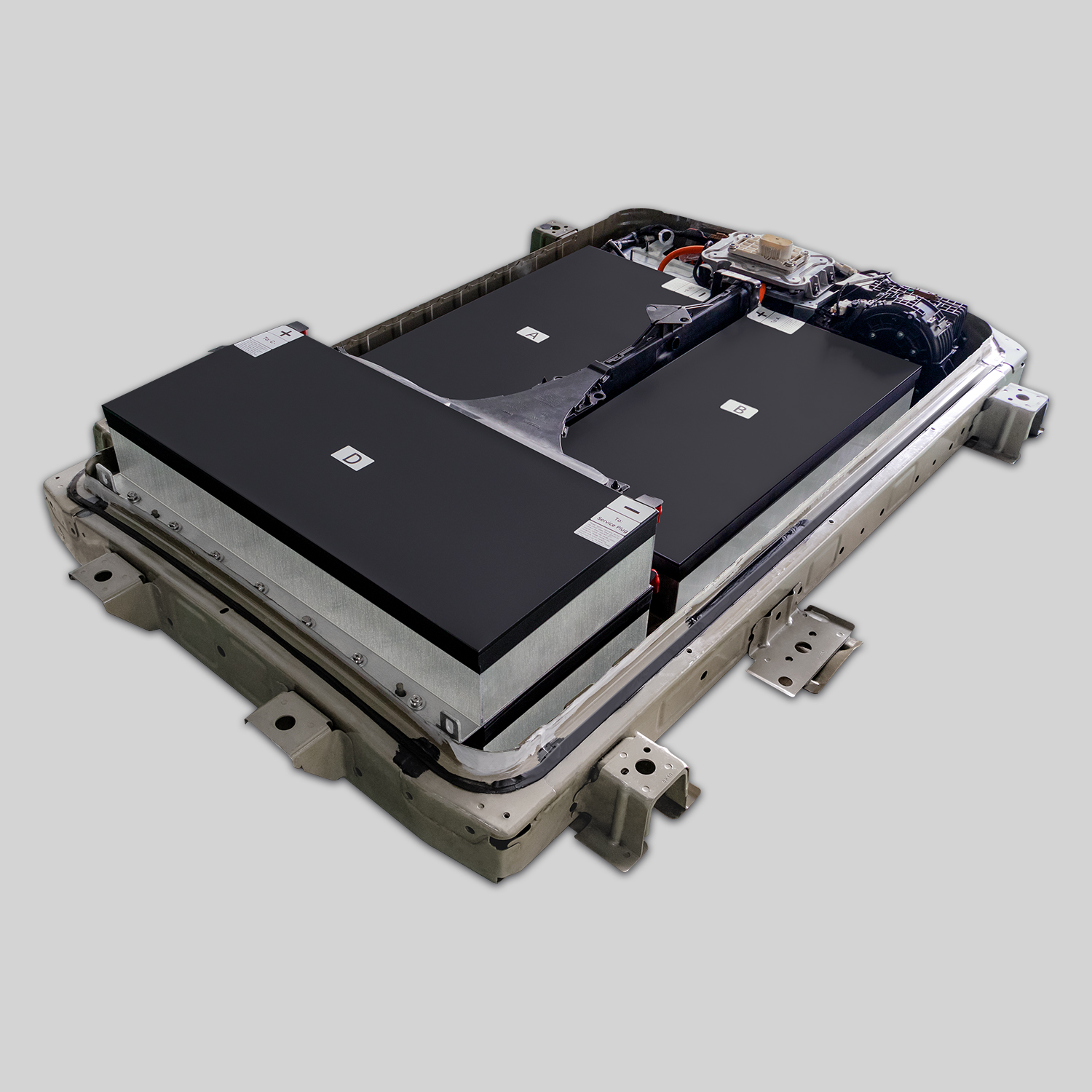
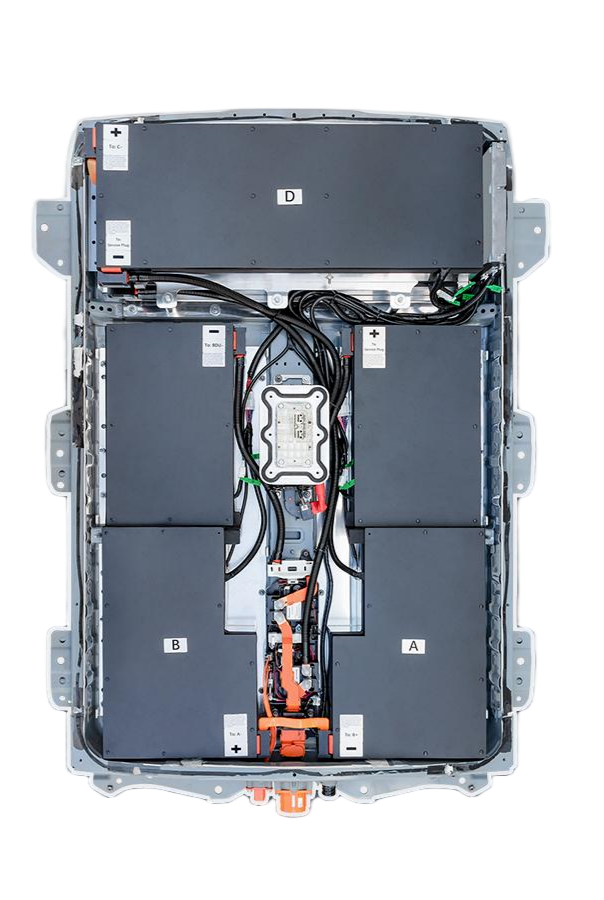
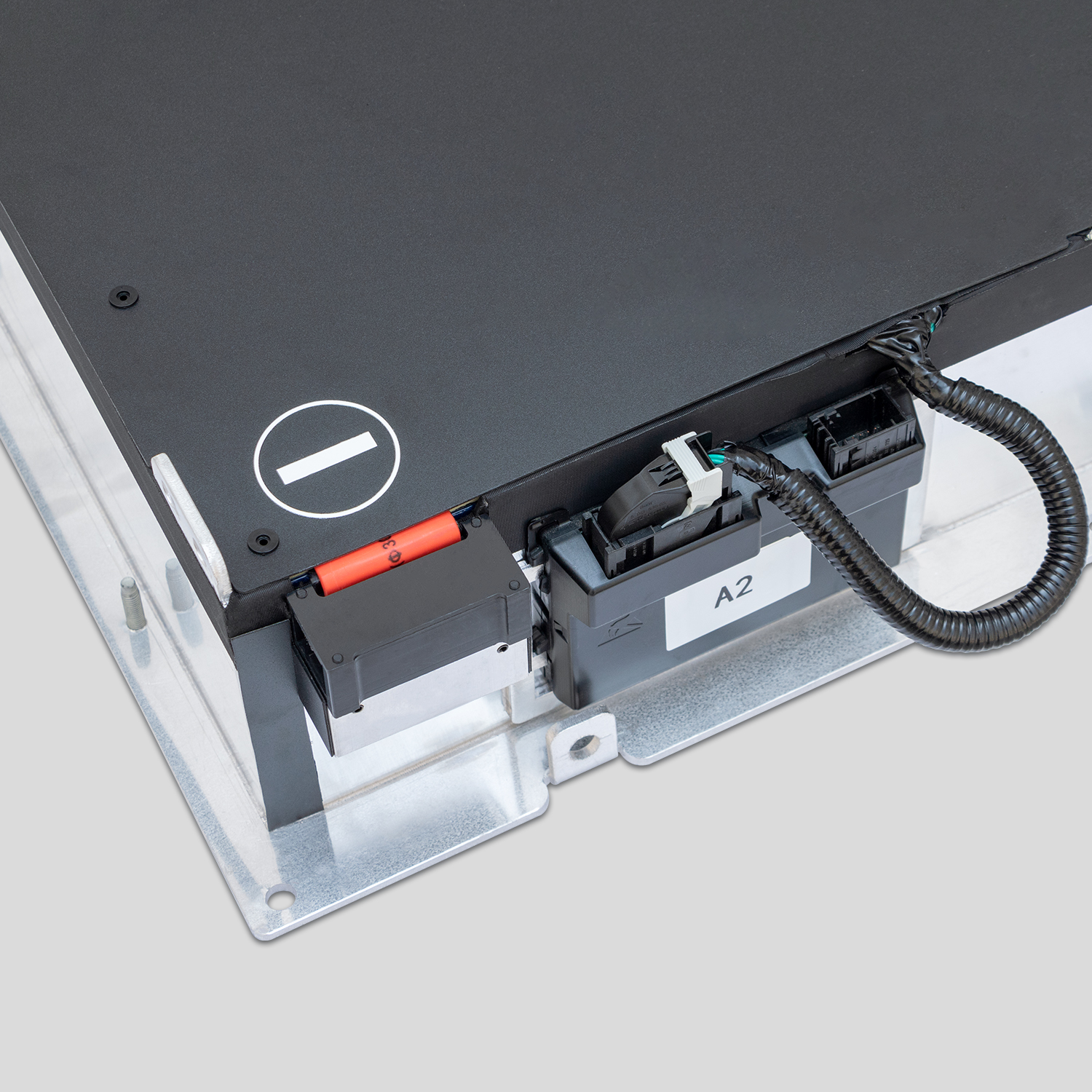
When you choose CNS, you’re not just buying a battery; you’re investing in peace of mind. Our batteries are engineered to OEM standards, utilizing brand-new, high-quality cells from industry leaders like CATL. This ensures superior thermal management and durability, even in harsh conditions.
The CNS Advantage
We stand behind our products with an unbeatable warranty and support structure designed to keep you moving.
| Feature | CNS BATTERY Standard | Industry Average |
|---|---|---|
| Warranty Coverage | 2 Years / 80,000 km | 1 Year / 20,000 km |
| Cell Quality | 100% Brand New CATL Cells | Often Recycled/Refurbished |
| Winter Performance | Optimized BMS for Cold Climates | Standard BMS |
| Support | 24-Hour Technical Response | 3-5 Business Days |
Lifetime Technical Support
Stuck in a snowstorm or facing a winter charging issue? Our dedicated customer service team offers lifetime technical support. Whether you need help with diagnostics or winter charging optimization, our experts are just an email or call away. As one of our satisfied customers, Lisa K. from Berlin, shared: “The most surprising thing is the lifetime technical support. Last month, I consulted about winter charging optimization, and customer service directly sent me a customized guide.”
📩 Ready to Experience Winter-Ready Performance?
Don’t let the cold weather limit your adventures. With the right maintenance and a reliable CNS battery, you can enjoy long drives and worry-free commutes all winter long.
If you have specific questions about your Nissan or BMW model, or if you’re ready to upgrade to a battery that offers superior cold-weather resilience, contact our technical experts today. We offer free compatibility checks and personalized solutions to ensure your EV is ready for anything.
Get Your Custom Quote Now and Drive with Confidence This Winter.
Contact Our Technical Experts Now
❓ Frequently Asked Questions (FAQ)
Q1: Can I leave my CNS battery outside in freezing temperatures?
A: Yes, you can. However, for optimal performance and longevity, we recommend keeping the battery plugged in or maintaining a charge level between 50% and 80% when stored in freezing conditions. This allows the BMS to regulate the temperature and prevents the electrolyte from freezing solid.
Q2: How much range loss is normal in winter?
A: It is normal to experience a 20% to 40% reduction in range during extreme cold, primarily due to heating the cabin and the chemical slowdown of the battery. Using pre-conditioning and heated seats can help mitigate this loss.
Q3: Does the CNS warranty cover damage caused by cold weather?
A: Our standard warranty covers defects in materials and workmanship. While the battery is designed to withstand cold climates, damage caused by user error (such as leaving the battery completely discharged in sub-zero temperatures) may not be covered. Always follow our winter maintenance guidelines to ensure full coverage.
Q4: How long does it take to install a CNS battery?
A: Installation typically takes 1-2 hours, depending on your vehicle model and experience level. For professional technicians, it may take as little as 50 minutes. We provide step-by-step installation videos and PDF guides to assist you through the process.