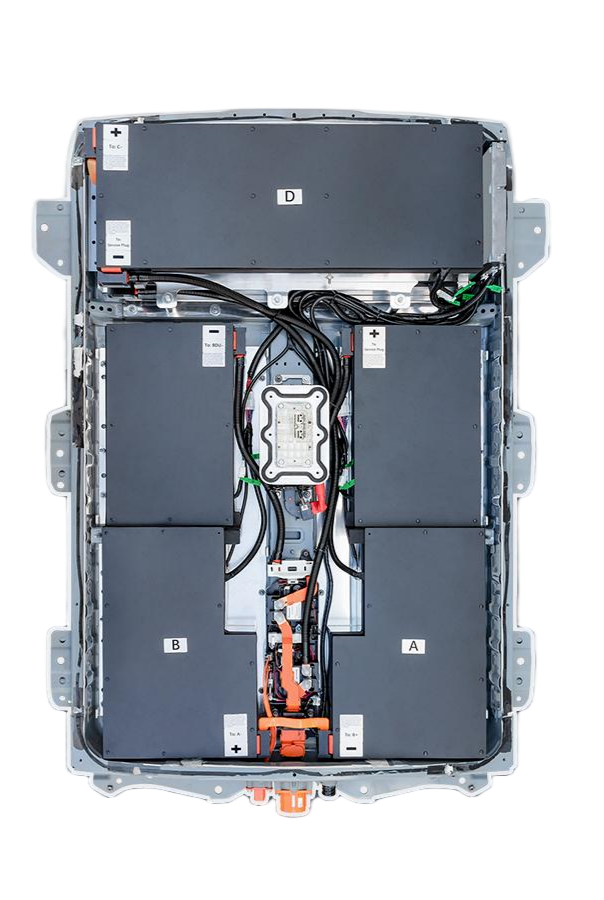
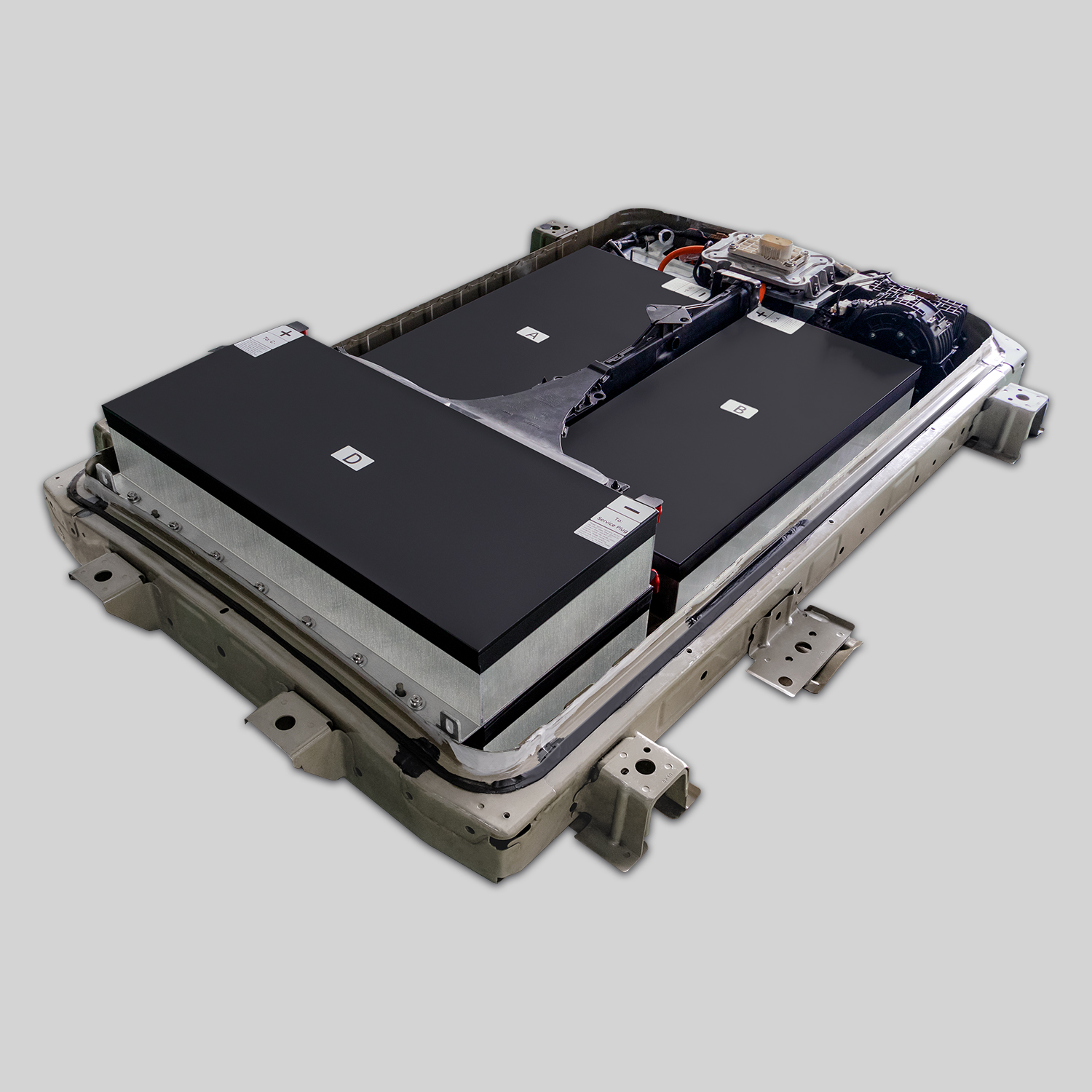
CATL vs Envision AESC: Which is Better for Your e-NV200 Combi Upgrade?
Upgrading your Nissan e-NV200 Combi is a significant decision, especially when it comes to choosing the right battery cells. As a fleet manager or owner-operator, you rely on this vehicle for daily productivity. The heart of your upgrade boils down to two industry giants: CATL (Contemporary Amperex Technology) and Envision AESC.
Both are reputable, but which one truly delivers the best range, safety, and long-term value for your specific needs? As an expert in EV battery solutions, I have analyzed thousands of battery swaps. Let’s cut through the marketing hype and look at the hard data to help you make the best choice.
🔋 The Core Difference: Chemistry and Performance
When you look under the hood of an e-NV200 upgrade, the choice between CATL and Envision AESC usually comes down to the cell chemistry and how it impacts your daily operations.
⚡ Energy Density and Range (The Daily Driver’s Priority)
For the e-NV200 Combi, maximizing range without adding excessive weight is critical.
- CATL: Known for its cutting-edge NCM (Nickel Cobalt Manganese) technology, CATL cells generally offer a higher energy density. This means that for the same physical size as an older battery pack, a CATL upgrade can often push your e-NV200 Combi towards the 300km+ range mark (depending on driving conditions), which is a massive upgrade from the original 100-150km.
- Envision AESC: Historically rooted in the LMO (Lithium Manganese Oxide) technology used in early Nissan Leafs, Envision AESC has transitioned to NMC as well. While reliable, their specific formulations sometimes prioritize thermal stability over maximum energy density compared to the latest CATL iterations.
Expert Insight: If your Combi runs long routes or carries heavy loads, the higher energy density of CATL cells translates directly into fewer charging stops and more deliveries per day.
🔬 Thermal Management (Safety First)
Safety is non-negotiable. Both manufacturers are top-tier, but their thermal management philosophies differ slightly.
- CATL: Utilizes advanced BMS (Battery Management Systems) algorithms. Their cells are designed to operate efficiently within a wide temperature range, which is crucial for the varied climates where e-NV200s operate.
- Envision AESC: Inherits a strong legacy of thermal stability from its LMO roots, making it a very safe option, particularly in high-temperature environments.
💰 Cost vs. Longevity: The Business Case
Let’s talk about the bottom line. You aren’t just buying a battery; you are buying “kilowatt-hours of service.”
| Feature | CATL Battery Upgrade | Envision AESC Battery Upgrade |
|---|---|---|
| Cell Type | Premium NCM (High Energy) | NCM / Legacy LMO (Stable) |
| Initial Cost | Moderate to High | Moderate |
| Cycle Life | 5,000+ Cycles (Longer lifespan) | 3,000+ Cycles |
| Degradation | Slower (Maintains >80% capacity longer) | Standard degradation curve |
| Best For | High-mileage fleets, long-range needs | Standard urban delivery, budget-conscious |
The Verdict: While Envision AESC offers a solid, safe solution, CATL often represents a superior long-term investment. Because CATL cells degrade slower, the cost-per-mile over the battery’s lifetime is frequently lower, even if the sticker price is slightly higher.
🛠️ Why a Direct Swap is Easier Than You Think
One of the biggest concerns I hear from e-NV200 owners is: “Will this fit my car? Do I need to modify the chassis?”
The answer is No. Modern aftermarket solutions, particularly those utilizing CNS BATTERY technology based on CATL cells, are designed as Plug-and-Play (PnP) replacements.
- OEM Compatibility: These batteries are engineered to match the original Nissan voltage and communication protocols.
- No Chassis Mods: They fit perfectly into the existing battery cradle of your e-NV200 Combi.
- BMS Integration: The Battery Management System is pre-programmed to communicate seamlessly with your vehicle’s dashboard, eliminating error codes.
Real-World Example: A logistics company in Berlin recently upgraded their fleet of e-NV200 Combis with 50kWh CATL-based packs. They reported that the installation took less than 2 hours per vehicle, and the drivers immediately noticed the difference in range without any “adaptation period” for the vehicle electronics.
📈 The 2026 Upgrade Standard: What You Should Look For
Since we are in 2026, the standards for a “good” e-NV200 upgrade have evolved. Don’t settle for just any recycled cells. Here is what defines a premium upgrade today:
- Brand New Cells: Avoid “repacks” using old Leaf modules. Demand brand new prismatic cells (like those from CATL) for maximum cycle life.
- Warranty Coverage: The industry standard for confidence is now a 2-Year / 80,000 km warranty. This covers you against manufacturing defects and significant capacity loss.
- Comprehensive BMS: Look for a system that offers real-time monitoring and active balancing to ensure every cell in the pack works in harmony.
📝 Making Your Decision
If you are deciding between these two giants for your e-NV200 Combi:
- Choose Envision AESC if you prioritize a well-known legacy name and are looking for a standard urban delivery range upgrade.
- Choose CATL (or a CATL-based solution like CNS BATTERY) if you want the latest technology, the longest possible range, and the lowest cost-per-mile over the next 5-8 years.
The e-NV200 is a workhorse. Upgrading it with a high-density, long-life CATL solution ensures it remains a reliable asset in your fleet for years to come.
❓ Frequently Asked Questions (FAQ)
Q1: Is it difficult to install a new CATL battery in my e-NV200?
A: Not at all. Modern replacements are designed for Plug-and-Play installation. Most professional mechanics can complete the swap in 1-2 hours. The physical dimensions and connectors are designed to match the OEM specifications perfectly, requiring no chassis modifications.
Q2: How much range can I expect after upgrading to a CATL-based 50kWh/62kWh pack?
A: You can typically expect a real-world range of 280km to 350km on a full charge, depending on your driving style, payload, and weather conditions. This is nearly triple the range of the original 24kWh or 30kWh packs.
Q3: What about the warranty on these upgraded batteries?
A: Reputable suppliers now offer robust warranties. For instance, industry-leading solutions provide a minimum 2-year or 80,000 km warranty. This coverage typically includes protection against defects in materials and workmanship, as well as performance degradation (ensuring the battery retains at least 70-80% of its capacity during the warranty period).
Q4: Are these batteries safe for my van’s electronics?
A: Yes. High-quality upgraded batteries use advanced Battery Management Systems (BMS) that are fully compatible with the Nissan communication protocol. This ensures that your dashboard displays accurate state-of-charge information and does not throw error codes, maintaining the integrity of your vehicle’s electronics.
Q5: Where can I get a quote for my specific e-NV200 model?
A: You can get a personalized quote tailored to your vehicle’s specifications. For a free, no-obligation assessment and pricing, you can contact the experts directly.