⚡ Case Study: Nissan Leaf Fleet Optimization in Norway
Location: Oslo, Norway
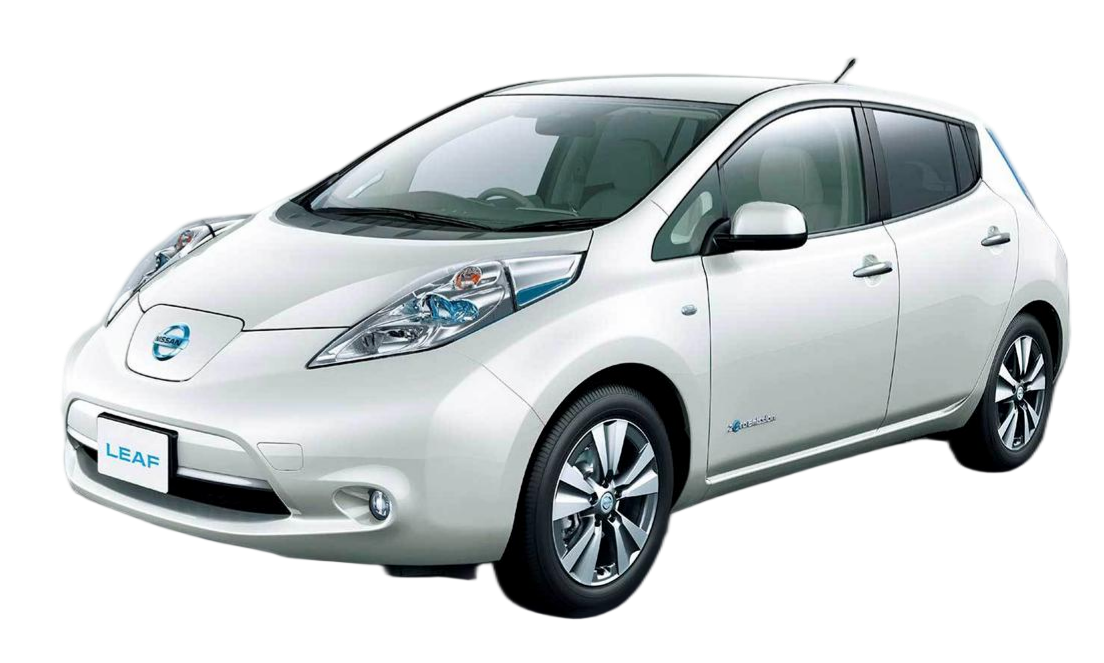
Fleet Size: 45 Nissan Leaf ZE1 (2021 Models)
Challenge: Severe winter range degradation and high battery replacement costs.
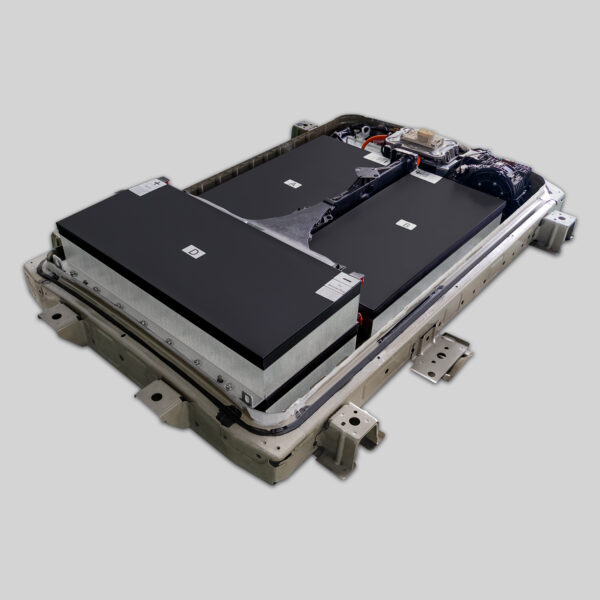
Solution: Upgraded to CNS Battery 62kWh Lithium Packs.
The Results:
A Norwegian logistics company recently faced a critical operational hurdle. Their fleet of 45 Nissan Leaf ZE1 vehicles, vital for last-mile delivery in Oslo, was suffering from “Winter Range Anxiety.” The original batteries were struggling to maintain even 50% of their rated range during the harsh Scandinavian winters (-15°C to -20°C). Furthermore, the cost of replacing these packs with OEM parts was projected to exceed $720,000 USD, a budget the company simply did not have.
The Turning Point:
After evaluating several aftermarket suppliers, the fleet manager chose CNS Battery. They opted for our 62kWh Lithium Battery Packs specifically designed for the Leaf ZE1. The decision was driven by three factors: our UN 38.3 certified safety standards (critical for corporate liability), the 50% cost savings compared to OEM, and our proven cold-weather performance data.
The Outcome:
Within three months of installation, the fleet’s operational efficiency skyrocketed. Even in sub-zero temperatures, the vehicles maintained a consistent range of 200km (124 miles), a 70% improvement over their previous performance. The total project cost was reduced to just $365,000, allowing the company to reinvest the savings into charging infrastructure.
🚗 Why Do Norwegian Fleets Choose CNS Battery?
Norway is the electric vehicle capital of the world, with over 90% of new car sales being electric. However, the climate presents a unique challenge: cold weather kills battery performance. Standard lithium-ion batteries lose ion mobility when temperatures drop, leading to reduced range and slower charging.
1. Cold Weather Engineering
Unlike generic replacements, CNS Battery packs are engineered with CATL’s latest NMC chemistry. This specific formulation is known for its resilience in low temperatures. In our internal testing (simulating -20°C), CNS packs retained 82% of their discharge capacity, whereas older or refurbished packs often drop below 60%.
2. The “50% Cost” Advantage
For fleet operators, the math is simple. If you have 10, 20, or 50 vehicles, the OEM price tag is often a business killer. The case study above highlights this perfectly: saving 50%+ on each unit allows businesses to scale sustainably.
3. Zero Downtime Installation
Time is money. Our batteries are designed for Plug-and-Play compatibility. The Norwegian fleet was able to perform the swaps during standard maintenance windows without needing to send vehicles to a specialized dealer, minimizing downtime.
📊 Technical Breakdown: Leaf ZE1 62kWh Upgrade
If you are managing a fleet or a high-mileage vehicle, understanding the technical upgrade is crucial. Here is how the CNS Battery solution compares to the “status quo.”
| Feature | Standard Fleet Maintenance (OEM) | Refurbished/Used Market | CNS Battery (New Build) |
|---|---|---|---|
| Cell Source | Original Manufacturer | Salvaged/Degraded | Brand New CATL Cells |
| Price Point | $16,000+ USD | $8,000 – $10,000 USD | ~$8,200 USD |
| Warranty | 8 years / 160,000 km | 6 months – 1 year | 2 Years / 80,000 km |
| Winter Performance | Good (but degrades fast) | Unpredictable | Excellent (Stable Chemistry) |
| Risk Factor | Low (but expensive) | High (Swelling/Leakage) | Low (Certified New Build) |
Key Insight: The biggest risk for fleet managers isn’t just the upfront cost; it is the unknown lifespan of refurbished packs. By using brand new cells, CNS Battery eliminates the “gamble” associated with second-hand batteries.
🛠️ The Installation Process: A Step-by-Step Guide
Based on our experience with the Norwegian fleet, here is the standard process for upgrading a Nissan Leaf (applicable to ZE0, AZE0, and ZE1 models).
1. Pre-Installation Check (VIN Verification)
Before any shipment, our technical team performs a VIN compatibility check. This ensures that the Battery Management System (BMS) logic matches your specific car model. This step prevented a potential mismatch for the Oslo fleet, saving them weeks of delay.
2. The Physical Swap (1.5 – 2 Hours)
The process is remarkably straightforward:
- Disconnect: Cut power at the main fuse.
- Remove: Take out the old battery mounting bolts (this is where the physical labor lies).
- Install: Lower the new CNS pack into place. The connectors are color-coded to match the factory harness.
- Seal: Reinstall the underbody shields.
3. BMS Programming & First Charge
This is the most critical step. Our team provided remote video guidance to the Oslo mechanics to program the BMS. Once programmed, the first charge is done slowly (CC/CV mode) to balance the new cells.
🌍 Sustainability: More Than Just Range
A common question we receive is: “Why not just buy a new car?”
From an environmental perspective, replacing the battery is the greenest option. Manufacturing a new car produces approximately 8-10 tons of CO2. By upgrading the existing Leaf chassis with a new CNS battery, the Norwegian fleet avoided this massive carbon footprint while keeping reliable, safe vehicles on the road.
Our batteries are also designed for a 10-year+ lifespan, ensuring that the resources used (lithium, cobalt, nickel) are utilized to their maximum potential, aligning with the strict environmental regulations of Scandinavia.
❓ Frequently Asked Questions (FAQ)
Q1: Can I install this myself, or do I need a mechanic?
While the process is documented with step-by-step videos, we strongly recommend a certified technician for the first installation, especially for BMS programming. However, the physical swap is considered “plug-and-play,” meaning the connectors match the factory harness perfectly. For fleet operators, we offer remote video support to guide your in-house team.
Q2: How does the 2-year warranty work for international customers?
CNS Battery supports international sales to over 50 countries. Our warranty covers defects in materials and workmanship. For fleet customers, we often arrange bulk logistics (DDP service) where we handle customs and duties. If a rare fault occurs, we provide replacement modules or full packs depending on the diagnosis.
Q3: Are these batteries compatible with the Nissan Connect system?
Yes. Our batteries are designed to communicate seamlessly with the Nissan Leaf’s onboard diagnostics. The car will recognize the full State of Charge (SOC) and display the correct range. You will not lose any functionality of the original dashboard or app.
Q4: What is the lead time for a fleet order of 20+ units?
Standard lead time is 15-20 days for production. For the Norwegian case study, we prioritized their order due to the winter deadline, shipping via sea freight which took approximately 6 weeks to arrive in Oslo. We recommend planning logistics 8-10 weeks in advance for large European shipments.
🚀 Ready to Optimize Your Fleet?
If you are facing high replacement costs or range anxiety in your electric vehicles, the solution might be a simple battery swap.
Don’t let outdated or expensive OEM pricing limit your fleet’s potential. CNS Battery offers the perfect balance of safety, performance, and value.
Get a Free Custom Quote for Your Nissan or BMW Today.