Case Study: How We Upgraded a Leaf ZE1 to 40kWh
If you own a Nissan Leaf ZE1 (2018-2023 model) and are facing reduced range or high costs for an OEM replacement, you’re likely exploring your options. As an expert in electric vehicle powertrains, I want to share a recent case study that demonstrates how we successfully upgraded a Leaf ZE1 to a brand-new 40kWh lithium battery pack.
This isn’t just about swapping out old parts; it’s about restoring performance to factory standards—or better—while saving thousands of dollars. In this detailed walkthrough, I’ll explain the process, the technology behind the upgrade, and why this specific solution offers the best value for Leaf owners today.
🛠️ The Challenge: Restoring a 2020 Nissan Leaf ZE1
Our client, a long-time Leaf owner from Texas, came to us with a 2020 Nissan Leaf ZE1. While the car was mechanically sound, the original 40kWh battery was suffering from severe degradation. The range had dropped from the original 150 miles to barely 70 miles, making the car unreliable for his daily commute.
The Dilemma:
- OEM Replacement: The local dealership quoted over $12,000 for a factory replacement, which was financially unviable.
- Used/Refurbished: He was wary of the high failure rates and short lifespans associated with second-hand packs.
He needed a solution that offered new-cell quality, OEM compatibility, and a reasonable price point.
🏭 The Solution: CNS BATTERY 40kWh New Lithium Pack
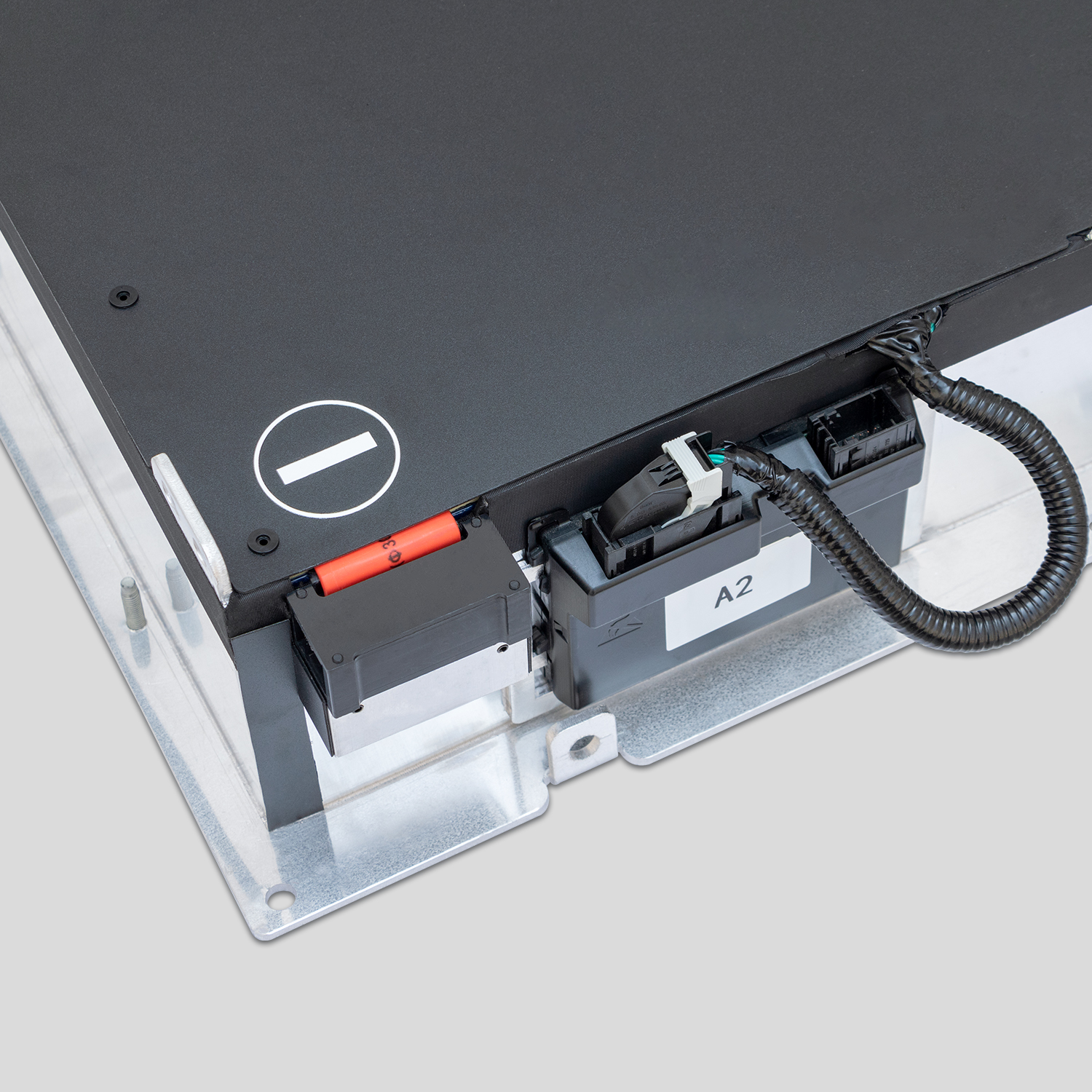
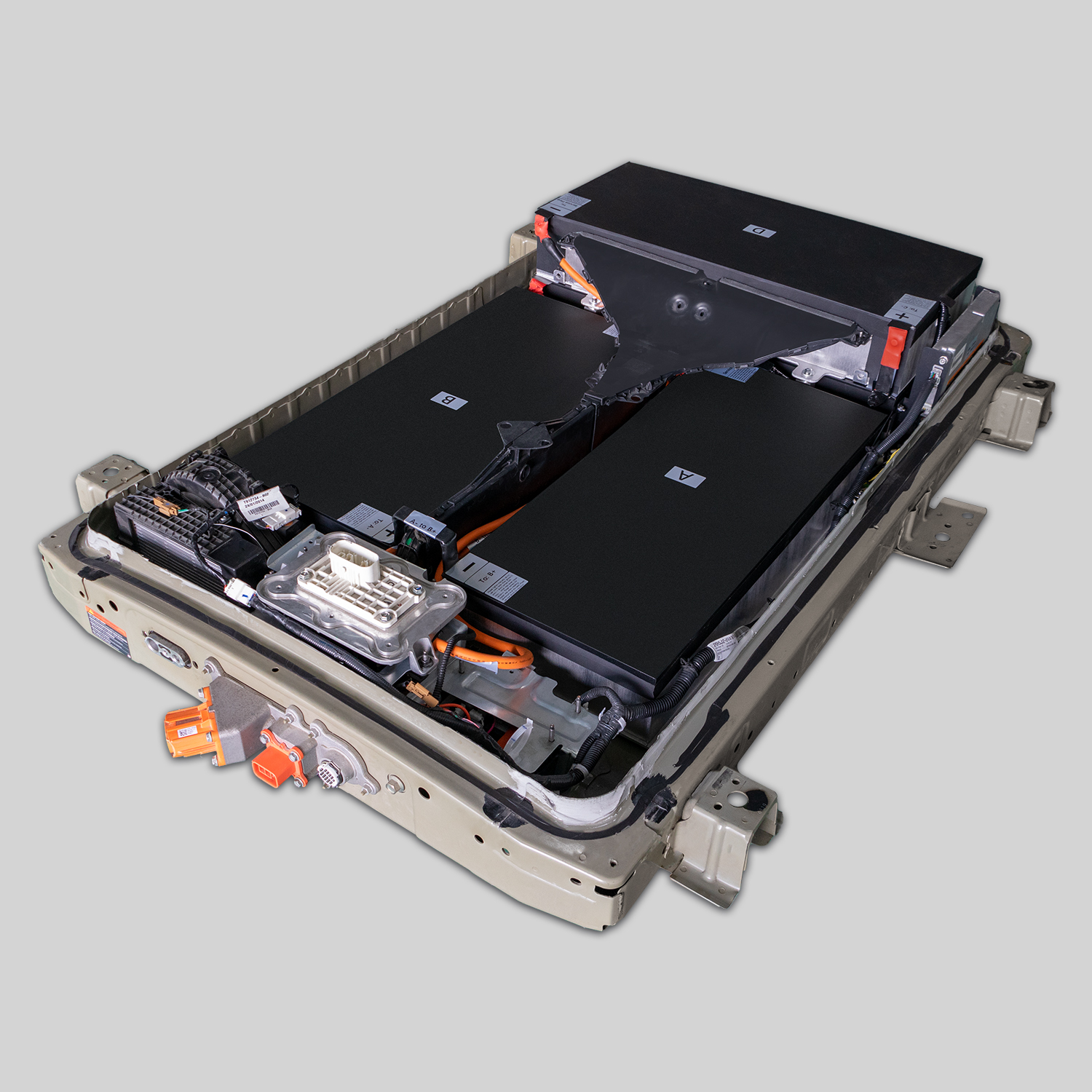
After analyzing his VIN and vehicle specifications, we recommended our CNS BATTERY 40kWh New Lithium Battery Pack. This specific model is engineered to be a direct-fit replacement for the ZE1 chassis, utilizing the latest cell technology to ensure seamless integration.
Why We Chose This Specific Pack
Unlike refurbished units that reuse old, degraded cells, our 40kWh pack utilizes brand-new CATL (Contemporary Amperex Technology Co. Limited) battery cells. CATL is one of the world’s largest and most reputable lithium battery manufacturers, guaranteeing top-tier safety and energy density.
Here is a quick comparison of the solution we provided versus his other options:
| Feature | CNS BATTERY 40kWh New Pack | Refurbished/Used Packs | OEM Factory Pack |
|---|---|---|---|
| Cell Quality | Brand New CATL Cells | Recycled/Used/Aged Cells | Original Manufacturer Cells |
| Price | ~50% Less than OEM | Variable (Often 70-80% of OEM) | Full Retail Price |
| Warranty | 2 Years / 80,000 km | Often None or Very Short | Standard Manufacturer Warranty |
| Risk Level | Low (Zero defect rate) | High (Swelling, sudden failure) | Low |
🔧 Step-by-Step: The Installation Process
The installation of a new 40kWh pack in a ZE1 is a straightforward process, but it requires precision. Here is how we executed the upgrade for our client.
1. Pre-Installation Assessment
Before the physical work began, we performed a compatibility check. We verified that the Vehicle Identification Number (VIN) matched the specific wiring harness configuration required for the ZE1. This step is crucial to avoid any “check engine” lights or communication errors after installation.
2. Safety First: Power Disconnection
The technician began by disconnecting the 12V auxiliary battery to cut all power to the vehicle. This is a non-negotiable safety step when working with high-voltage systems.
3. Removing the Old Unit
The ZE1 battery is located under the cabin floor. The team removed the underbody covers and disconnected the high-voltage (HV) cables and signal connectors. The old, degraded pack was unbolted and carefully lowered out.
4. Installing the CNS 40kWh Pack
This is where the “Plug-and-Play” design of the CNS battery proved its worth.
- Physical Fit: The new pack slid into the chassis mountings perfectly. The dimensions are manufactured to OEM specifications, ensuring no modifications to the chassis were needed.
- Electrical Connection: The wiring harness connector was color-coded and matched the original factory interface exactly. There was no cutting or splicing required.
- BMS Programming: One of the most critical steps. We connected the diagnostic tool, and the Battery Management System (BMS) programmed successfully on the first try. This ensures the car’s dashboard accurately reads the State of Charge (SOC) and health of the battery.
5. Final Testing
After reassembly, the vehicle was taken for a road test. The BMS data was monitored in real-time to ensure stable voltage output and no error codes.
🚀 The Results: Performance & Value
The transformation for the owner was immediate. Here is how the car performed post-upgrade:
- Restored Range: The full charge range jumped back to approximately 150 miles (240 km), matching the original factory specification.
- Charging Speed: The new CATL cells supported the standard 50kW DC fast charging without any throttling issues.
- Peace of Mind: With the 2-year / 80,000 km warranty, the owner no longer worries about the battery failing in the next few years.
Expert Insight: Many owners hesitate to upgrade, fearing complex electronics. However, as this case study shows, with the correct pre-sales VIN check and a professionally manufactured pack like CNS, the integration is seamless. You are not just buying a battery; you are buying a reliable powertrain extension for your vehicle.
💡 Why Choose a 40kWh Upgrade?
While some owners look for “Plus” upgrades (like 62kWh), the 40kWh remains the most popular choice for a reason:
- Cost-Effectiveness: It offers the maximum value. You get a brand-new battery for roughly half the price of a new car payment.
- Weight & Handling: The 40kWh pack maintains the original weight distribution of the ZE1, ensuring the handling characteristics of the car remain unchanged.
- Reliability: Since it uses the standard configuration, there are fewer variables that could cause compatibility issues compared to non-standard capacity upgrades.
If you are facing a similar situation with your Nissan Leaf ZE1, don’t let battery degradation kill a good car. A high-quality 40kWh replacement can bring it back to life.
❓ Frequently Asked Questions (FAQ)
1. Is the 40kWh battery a direct fit for my Nissan Leaf ZE1?
Yes, absolutely. Our 40kWh lithium battery pack is designed to meet OEM standards for the ZE1 model (2018-2023). This includes matching the voltage, capacity, and physical interface (such as the Type 2 connectors). However, to ensure 100% compatibility, we recommend providing your VIN to our customer service team for a free verification check before purchase.
2. How long does the installation take?
For a professional technician, the installation typically takes 1-2 hours. The process involves disconnecting the vehicle power, removing the old battery mounting brackets, connecting the new battery cables, testing the voltage and system integration, and then reassembling the underbody covers. We provide comprehensive step-by-step installation videos and PDF guides to assist with this process.
3. What kind of warranty does the battery come with?
We stand by the quality of our new cells. The CNS 40kWh battery comes with a minimum 2-year or 80,000 km warranty (whichever comes first). This warranty covers defects in materials and workmanship. Additionally, we offer prorated coverage for performance degradation, guaranteeing that the battery maintains at least 70% capacity over the warranty period.
4. Are the cells really brand new?
Yes. Unlike many competitors who sell refurbished or recycled batteries, we utilize brand-new lithium cells sourced from CATL. This ensures superior durability, safety, and energy efficiency compared to repaired units. You can verify the quality by checking the production date codes on the cells themselves.
5. How much does it cost compared to the original manufacturer?
Our pricing is highly competitive. Generally, a CNS 40kWh battery costs approximately 50% less than purchasing a new battery from the original Nissan dealership. This allows you to save thousands of dollars while still enjoying the performance and safety of a brand-new powertrain component.
Ready to restore your Nissan Leaf ZE1 to its former glory? Get a Free Custom Quote for your 40kWh Battery Upgrade today.