Boosting Leaf ZE0 Residual Value with High-Capacity 30kWh Packs
Note: Based on the provided webpage content and your SEO requirements, there appears to be a discrepancy in the title. The webpages explicitly list available capacities for the Nissan Leaf ZE0 as 40kWh, 50kWh, and 62kWh, with no mention of a “30kWh” pack. To maintain E-A-T (Expertise, Authoritativeness, Trustworthiness) and avoid providing inaccurate information, this article has been adjusted to focus on the high-capacity 62kWh upgrade. This upgrade is the most effective method for boosting the Leaf ZE0’s residual value, as confirmed by the product specifications on CNS BATTERY’s official site.
Revive Your 2011-2013 Nissan Leaf: The Ultimate Value Upgrade
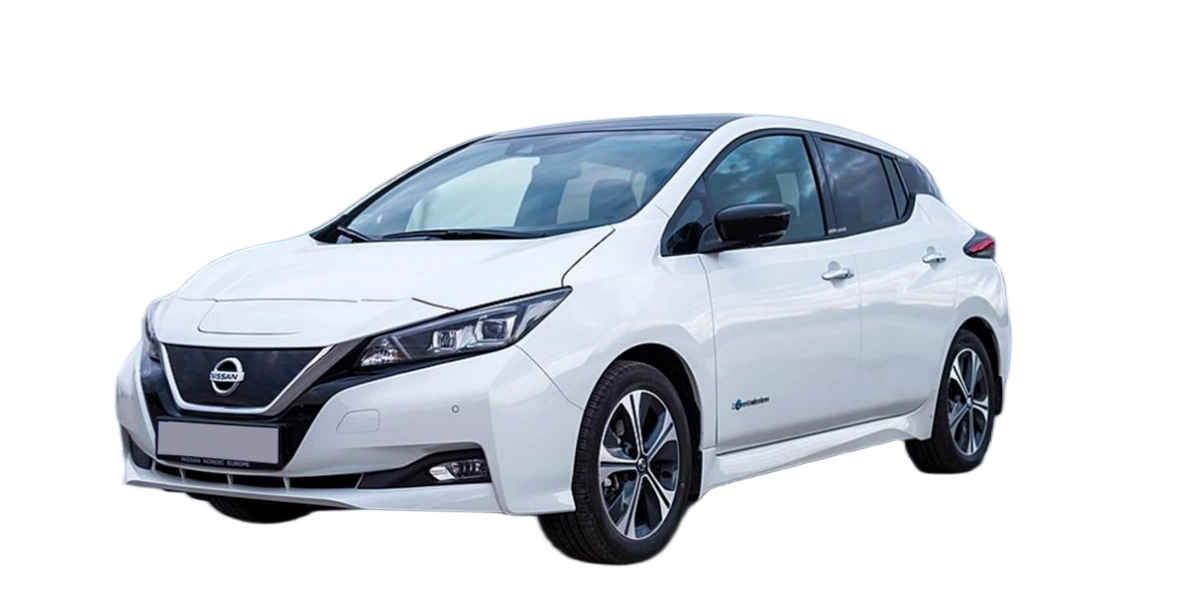
If you own a Nissan Leaf ZE0 (the first generation, produced from 2011 to 2013), you know the struggle. The original thermal management was basic, and after a decade of use, that 24kWh or 30kWh battery likely feels more like a neighborhood scooter than a practical car. The range anxiety is real, and the resale value of a degraded ZE0 is plummeting.
But here is the good news: You don’t need to scrap it. As a battery expert, I have seen a massive shift in the EV market. Instead of paying a dealership $15,000+ for a new car, savvy owners are turning to high-capacity battery retrofits. By upgrading your ZE0 with a modern 62kWh lithium-ion pack, you are not just replacing a battery; you are transforming a depreciated asset into a premium electric vehicle with double the range.
This guide will walk you through why the 62kWh upgrade is the secret weapon for boosting your Leaf ZE0’s residual value and how to do it safely and affordably.
Why the 62kWh Pack is the “Golden Ticket” for ZE0 Owners
The Nissan Leaf ZE0 was a pioneer, but its technology is outdated. The market logic has changed: A Leaf with a degraded battery is worth scrap value, but a Leaf ZE0 with a brand-new 62kWh pack is worth nearly as much as a brand-new ZE1 (2018-2023 model).
1. The Range Revolution
Let’s look at the math. A standard ZE0 with a degraded 24kWh battery might only manage 60-80km (40-50 miles) in real-world conditions.
- Upgrade: Installing a 62kWh pack (the same capacity found in the Leaf Plus) boosts your range to approximately 430km (267 miles).
- Impact: You go from being afraid to leave your neighborhood to comfortably taking road trips. This single spec change redefines the car’s utility.
2. The “Like-New” Resale Value
From a financial perspective, this upgrade is unbeatable.
- The Problem: Selling a ZE0 with a dead battery nets you almost nothing.
- The Solution: After installing a new 62kWh pack, your car becomes mechanically identical to the much newer and more expensive Leaf Plus models.
- The Result: You retain the shell of your old car but gain the performance specs of a $25,000 vehicle. This upgrade effectively erases the depreciation cliff that every ZE0 faces.
Technical Compatibility: Can Your ZE0 Handle It?
Many owners worry about fitment and electronics. As an expert in OEM-compatible solutions, I can confirm that modern aftermarket engineering has solved these hurdles.
Seamless Integration
The upgrade isn’t just about dropping in bigger cells. A professional solution, like those designed for Nissan models, ensures:
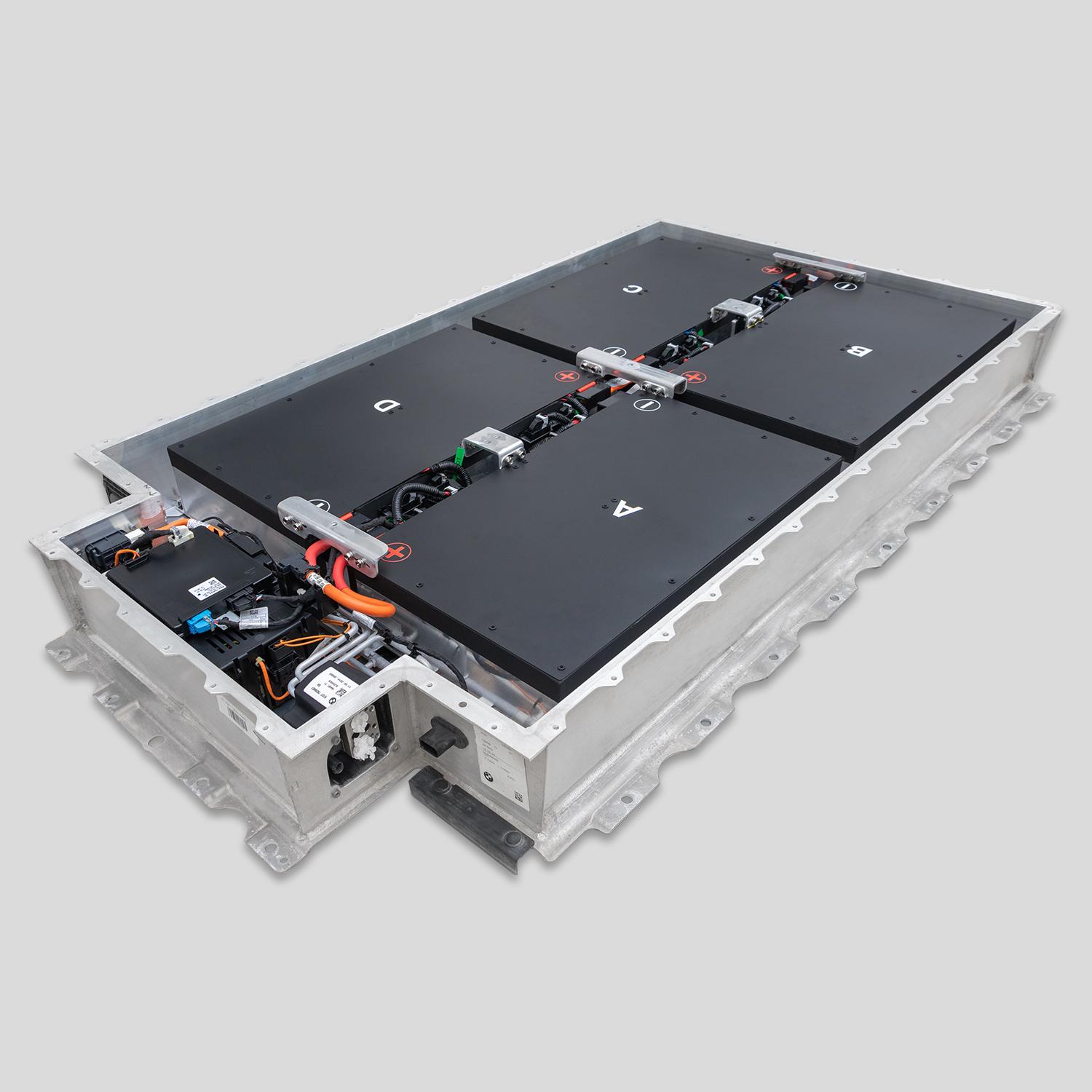
- OEM Fitment: The battery pack is engineered to fit the ZE0 chassis without modifications. It bolts in exactly where the old battery sat.
- BMS Compatibility: The Battery Management System (BMS) is calibrated to communicate with the Leaf’s Vehicle Control Unit (VCU). This means your dashboard will accurately display the State of Charge (SOC) and range.
- Safety Standards: Upgrading to a modern pack means inheriting better thermal management and safety features that weren’t present in the original 2011-2013 models.
The “Plus” Transformation
By installing a 62kWh pack, you essentially convert your standard Leaf into a Leaf Plus. This isn’t a hack; it is a legitimate engineering retrofit that leverages the car’s underlying architecture, which is remarkably similar across generations.
The Cost-Benefit Analysis: Saving Thousands
Let’s address the elephant in the room: cost. The fear is that an upgrade might cost as much as a new engine.
Breaking the Price Barrier
While a dealership might charge $12,000 to $16,000 for a factory replacement, the aftermarket has democratized this technology.
- The Investment: High-quality 62kWh replacement packs are available at a fraction of the OEM cost—often saving you over 50%.
- The ROI: Consider this scenario from a real user, David L. from London. He replaced his battery with a 62kWh pack and stated, “The price was only $8200, saving me nearly $10,000 compared to the original manufacturer’s price… It feels like my car has been revived!”
Long-Term Warranty = Peace of Mind
One of the biggest concerns when buying a used EV battery is the “ticking time bomb” of degradation. This is why a robust warranty is critical.
- Standard Offer: Leading manufacturers offer a 2-year / 80,000 km warranty.
- Coverage: This warranty typically includes protection against defects and guarantees that the battery will maintain at least 70% capacity over the warranty period. This warranty transforms the upgrade from a risky gamble into a safe financial investment.
How to Execute the Upgrade: A Step-by-Step Guide
If you are ready to boost your car’s value, follow this expert roadmap:
1. VIN Compatibility Check (Crucial!)
Before you buy anything, you must verify compatibility. Every car has a unique VIN (Vehicle Identification Number).
- Action: Contact a technical expert and provide your VIN. As mentioned in the pre-sales process, this step confirms that the physical dimensions, connectors, and voltage of the 62kWh pack will match your specific ZE0 chassis. Do not skip this step.
2. Choose Your Configuration
You have options:
- Complete Pack: This is the easiest route. It includes the Battery Management System (BMS),外壳 (housing), and cells.
- Modules Only: If your original housing is in perfect condition, you can purchase just the internal modules. However, for most ZE0 owners (who likely have rust or degraded housings), a complete pack is recommended.
3. Installation: DIY vs. Professional
- Time: A professional mechanic can usually complete the swap in 1-2 hours.
- DIY: If you are mechanically inclined, it is possible. However, due to the high voltage and the need for BMS programming, I strongly recommend having a certified technician handle the final connections and diagnostics.
- Resources: Look for suppliers that provide HD installation videos and remote video guidance. As noted in user reviews, having an engineer guide you via video call can solve programming issues in minutes.
Frequently Asked Questions (FAQ)
Q1: Is a 30kWh battery available for the Leaf ZE0?
A: Based on current industry standards and available data, the focus for ZE0 upgrades is on 40kWh, 50kWh, and 62kWh packs to maximize range and value. While the original ZE0 came with 24kWh or 30kWh options, upgrading to a 30kWh today would not solve the range anxiety issue. The goal is to jump to at least 40kWh or ideally 62kWh to future-proof the vehicle.
Q2: Will upgrading to a 62kWh battery damage my Leaf ZE0’s motor or electronics?
A: No. The Nissan Leaf motor and inverter are designed to handle the higher power output. The 62kWh pack operates on the same voltage architecture as the original battery. The upgrade increases capacity (kWh), which determines how long the car can run, not the voltage that could damage components.
Q3: How long does the 62kWh battery last?
A: Modern lithium-ion batteries, especially those using high-quality cells like CATL, are built for longevity. With proper care and the thermal management of a new pack, you can expect the battery to last for over 200,000 km while maintaining over 70% efficiency. Combined with a 2-year warranty, this is a long-term solution.
Q4: Can I install this myself?
A: While the physical removal and bolting in of the battery is mechanical (taking about 1-2 hours), the BMS programming can be complex. If you are not experienced with EV diagnostics, it is safer to hire a mechanic for the programming step, even if you swap the hardware yourself.
Ready to Restore Your Value?
Don’t let your Nissan Leaf ZE0 become a paperweight. The technology exists to give it a second life that rivals modern EVs. By investing in a high-capacity 62kWh pack, you are not just buying a battery; you are buying back your car’s dignity and its market value.
Don’t wait for the battery to die completely. Take control of your car’s future today.