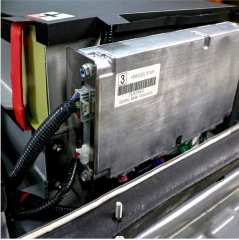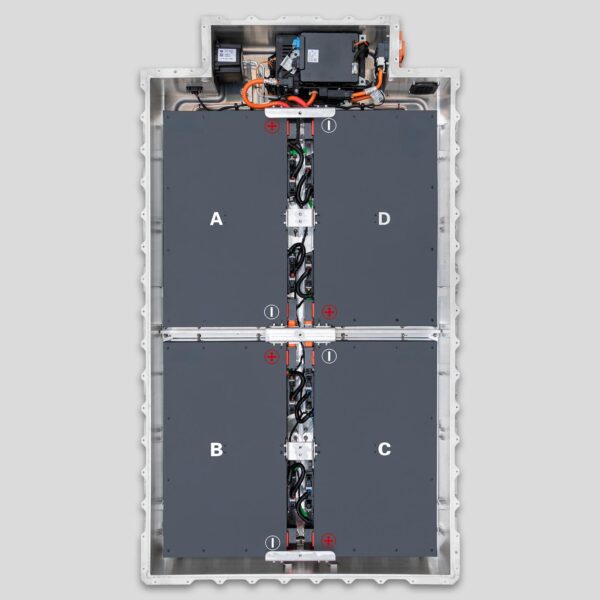
BMW i3 EV Battery Environmental: Carbon Footprint
Understanding the Environmental Impact of Your BMW i3 Battery
The BMW i3 has long been recognized as a pioneer in sustainable electric mobility. However, as your vehicle ages, one critical question emerges: What happens to the battery’s environmental footprint over time? At CNS BATTERY, we understand that responsible EV ownership extends beyond zero-emission driving—it encompasses the entire lifecycle of your battery system.
The Hidden Carbon Cost of EV Batteries
Electric vehicle batteries represent approximately 30-40% of an EV’s total carbon footprint during manufacturing. For the BMW i3, with its 79.05kWh battery capacity, understanding this environmental impact becomes crucial when considering replacement or upgrade options.
Key Environmental Considerations:
- Manufacturing emissions from lithium-ion cell production
- Raw material extraction impact on local ecosystems
- End-of-life recycling efficiency and recovery rates
- Transportation carbon costs across the supply chain
Why Battery Replacement Matters for Sustainability
Extending Vehicle Lifespan Reduces Overall Carbon Footprint
Replacing your BMW i3 battery rather than purchasing a new vehicle can reduce total lifecycle emissions by up to 60%. This approach aligns with circular economy principles and maximizes the environmental investment already made in your vehicle’s chassis, interior, and electronics.
CNS BATTERY specializes in providing eco-conscious battery solutions that balance performance with environmental responsibility. Our replacement batteries undergo rigorous testing to ensure they meet or exceed original specifications while incorporating improved energy density and longevity.
The CNS BATTERY Environmental Advantage
Our commitment to sustainability extends throughout our product lifecycle:
- Responsible Sourcing: We partner with suppliers who adhere to strict environmental and labor standards
- Efficient Manufacturing: Our production facilities utilize renewable energy sources where possible
- Recycling Programs: We offer battery recycling services to ensure proper material recovery
- Quality Longevity: Extended warranty periods reduce the frequency of replacements
Carbon Footprint Comparison: Replacement vs. New Vehicle
| Option | Estimated CO2 Emissions | Environmental Impact |
|---|---|---|
| Battery Replacement | 3-5 tons CO2 | Lower |
| New EV Purchase | 10-15 tons CO2 | Higher |
| Continued Use of Degraded Battery | Variable (reduced efficiency) | Moderate |
Source: Industry lifecycle analysis data
Choosing battery replacement through CNS BATTERY represents the most environmentally responsible decision for BMW i3 owners seeking to maintain their vehicle’s performance without the carbon cost of manufacturing an entirely new automobile.
Optimizing Your BMW i3 Battery Performance
Signs Your Battery Needs Attention
- Reduced range below 70% of original capacity
- Charging time increases significantly
- Warning messages on the vehicle display
- Uneven cell voltage readings during diagnostics
Professional Installation Ensures Maximum Efficiency
Proper battery installation by certified technicians ensures optimal performance and longevity. CNS BATTERY provides comprehensive installation support and post-installation diagnostics to verify system integrity.
Making the Sustainable Choice
The transition to electric mobility represents a significant step toward reducing transportation emissions. However, maintaining that environmental commitment requires thoughtful decisions about battery management throughout your vehicle’s lifecycle.
CNS BATTERY stands ready to support BMW i3 owners with sustainable battery solutions that honor both performance expectations and environmental responsibilities. Our expert team can assess your specific needs and recommend the most appropriate replacement or upgrade option.
FAQ: BMW i3 Battery Environmental Questions
Q1: How long does a BMW i3 battery typically last before replacement is needed?
A: Most BMW i3 batteries maintain 80%+ capacity for 8-12 years or approximately 100,000-150,000 miles. However, driving habits, charging patterns, and climate conditions can affect longevity.
Q2: Is battery replacement more environmentally friendly than buying a new EV?
A: Yes. Battery replacement generates approximately 60% less carbon emissions than manufacturing a new electric vehicle, making it the more sustainable choice for most owners.
Q3: What happens to my old BMW i3 battery after replacement?
A: CNS BATTERY offers recycling programs to ensure proper material recovery. Lithium, cobalt, and nickel can be extracted and reused in new battery production, reducing mining demands.
Q4: How do I know if CNS BATTERY replacement batteries meet BMW specifications?
A: All our batteries undergo rigorous testing to meet or exceed original equipment manufacturer (OEM) standards. We provide detailed specifications and warranty documentation for full transparency.
Q5: Can battery replacement improve my BMW i3’s range?
A: Yes. Newer battery technology can offer improved energy density, potentially increasing your vehicle’s range beyond original specifications while maintaining compatibility with existing systems.
Ready to make a sustainable choice for your BMW i3? Contact our expert team today to discuss your battery replacement or upgrade options.
👉 Visit our Contact Page: https://cnsbattery.com/ev-battery-home/ev-battery-contact/
Explore our full EV battery solutions: https://cnsbattery.com/ev-battery-home
Your journey toward sustainable mobility continues with CNS BATTERY.