BMW i3 Battery Terminal Replacement: Cost for Shops 2026 – The $800 Repair That Often Leads to a $15,000 Upgrade
A 2015 BMW i3 is towed into your shop, displaying a critical “High Voltage System Malfunction” and signs of thermal distress near the rear battery connector. The customer, hopeful for a quick fix, asks: “The dealer said the main terminals are corroded and melted. They want $22,000 for a new battery. Can’t you just clean the terminals or swap the connector block? Maybe it’s an $800 job?”
As a professional EV technician in 2026, you know this is one of the most dangerous traps in independent EV repair. You cannot simply “replace the terminals” on a sealed BMW i3 battery pack.
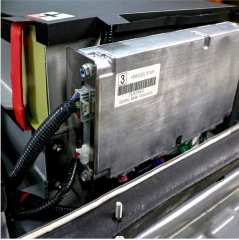
Unlike a gasoline car battery where you unbolt a lead post, the i3’s high-voltage (HV) terminals are integrated directly into the sealed aluminum casing and welded to the internal busbars. Attempting to cut open the pack to access these terminals violates IP67 safety ratings, introduces massive liability, and often reveals that the terminal damage is merely a symptom of a far deeper catastrophe: internal cell swelling, coolant intrusion, or catastrophic internal arcing.
If you agree to an $800 terminal repair based on a visual inspection, you risk a nightmare scenario: you breach the seal, discover the internal busbars are also melted, cannot reseal the pack safely, and face a furious customer with a totaled vehicle and a huge bill.
Why is “terminal replacement” technically impossible on a sealed i3 pack?
What does melted terminal hardware actually tell you about the internal health of the battery?
And how do you pivot from a customer’s request for a cheap patch to a high-margin, life-saving full battery upgrade?
At CNS BATTERY, we prioritize safety and integrity above all else. We have seen the aftermath of attempted terminal repairs: fires caused by poor re-sealing, insulation faults from moisture intrusion, and packs that were destroyed during the attempt. This guide exposes the harsh realities of BMW i3 battery terminal replacement, explains why it is unfeasible for independent shops, and reveals why replacing the entire system is the only ethical and profitable path forward.
The Engineering Reality: Why Terminals Are Not Serviceable
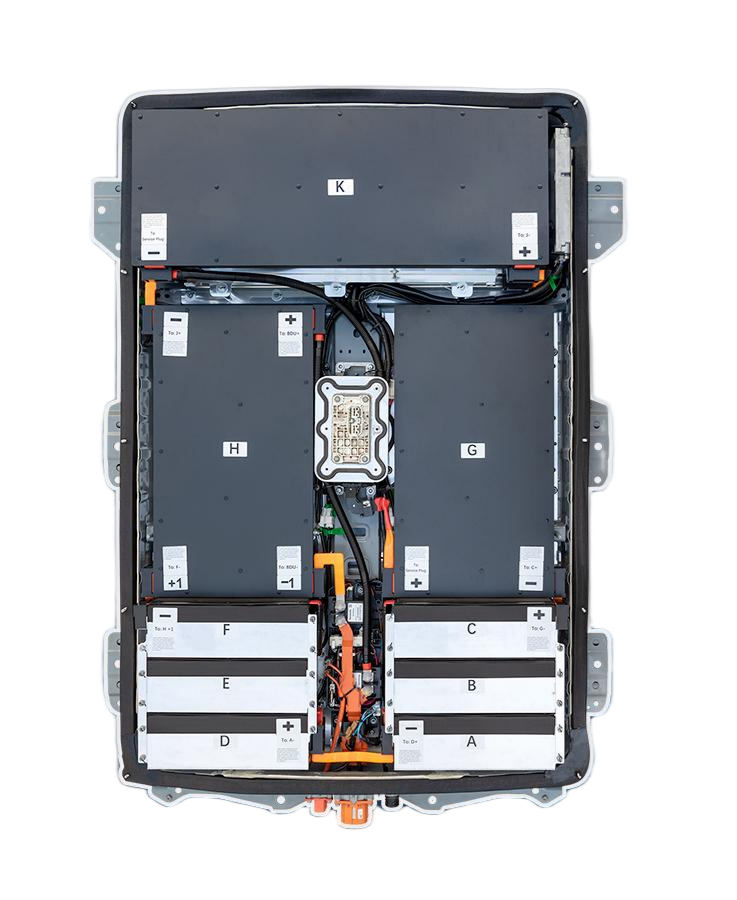
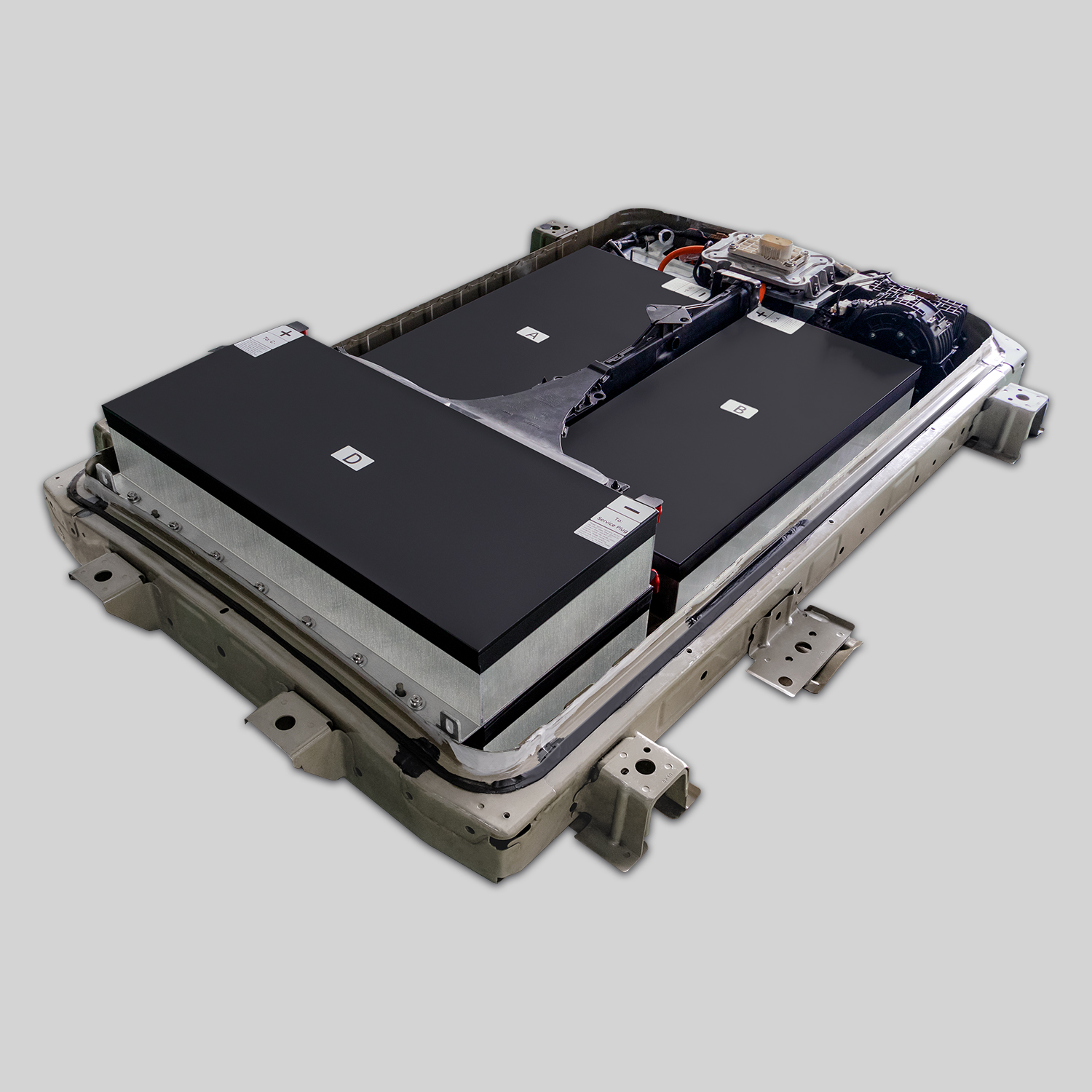
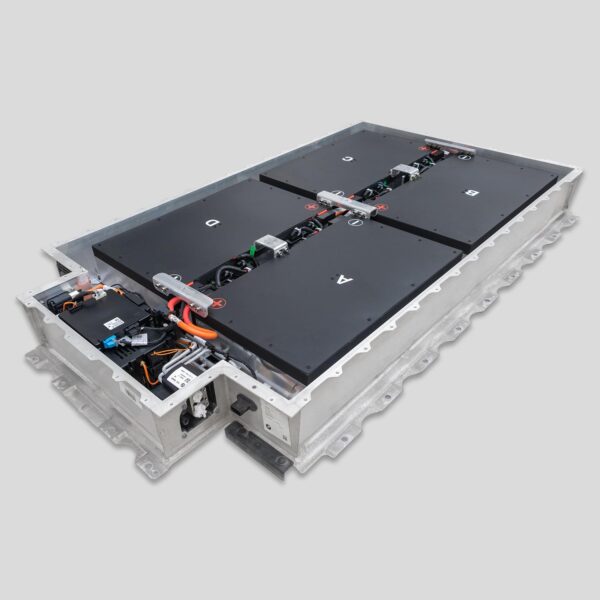
To understand why you can’t just swap the part, you must understand the pack architecture. The BMW i3 battery is a chemically bonded, laser-welded, IP67-sealed unit.
1. Integrated Design
The HV terminals are not bolt-on components; they are hermetically sealed into the pack casing. The internal connection is made via laser welding to the module busbars deep inside the enclosure.
- Shop Limitation: Accessing these welds requires cutting the aluminum casing, which destroys the structural integrity and waterproofing of the pack. No independent shop has the clean-room environment, robotic dispensers, or laser welders to restore this to factory standards.
2. The Symptom vs. The Disease
Terminals do not melt or corrode in isolation.
- Internal Arcing: If a terminal is melted, it usually means an internal contactor welded shut or a massive current spike occurred inside the pack. The heat traveled outward, melting the external connector. Fixing the outside doesn’t fix the internal short.
- Cell Swelling: As cells degrade and gas up, they expand, pushing against the internal busbars and terminals. This physical pressure breaks seals and causes arcing. Replacing the terminal without addressing the swollen cells guarantees immediate re-failure.
- Coolant Intrusion: Conductive coolant leaking internally causes galvanic corrosion on the terminals. If the outside is corroded, the inside is likely flooded. You cannot “clean” flooded electronics inside a sealed box.
3. The Liability Trap
If you attempt to open the pack to access terminals:
- Voided Safety Ratings: The pack is no longer IP67 rated. Moisture will enter, causing future shorts.
- Fire Risk: Improper resealing can lead to thermal runaway.
- Legal Liability: If a “repaired” pack catches fire, your shop is liable for negligence. Insurance policies typically exclude unauthorized modifications to high-voltage containment systems.
The “Replacement” Process: A Step-by-Step Disaster
If a shop attempts this “repair,” here is the typical (and disastrous) workflow:
- Depower & Cut: The tech removes the service plug and cuts/grinds open the sealed aluminum casing around the terminals. Safety Rating Voided Immediately.
- Internal Inspection: Upon opening, they find melted internal busbars, swollen modules, or pooled coolant. The “simple terminal swap” is now impossible.
- The Impossible Fix: The tech tries to weld new lugs or bolt on adapters. Torque specs are hard to verify on damaged threads.
- The “Reseal”: The tech applies RTV silicone or a cut gasket to the lid. Bolts are tightened manually. IP67 Rating Lost Forever.
- The Aftermath:
- Day 1: Car might start.
- Week 1: Moisture enters through the manual seal. Insulation fault triggers.
- Month 1: Internal arcing recurs due to unresolved root cause. Thermal event or total pack death. Customer sues the shop.
The Verdict: This process is a financial and safety trap. It consumes 10+ hours of labor for a temporary, unreliable fix that exposes the shop to massive liability.
The Hard Truth: There Is No Safe “Terminal Replacement” Service
In 2026, the industry standard among top-tier EV specialists is clear: Never attempt to open and repair terminal connections on a field basis.
- Reliability: Zero. The root cause (swelling, internal shorts) remains.
- Safety: Critical risk of fire, electrocution, and moisture intrusion.
- Warranty: None. You cannot warranty a hacked pack.
- Profitability: Low. High labor cost + high risk of comeback = negative margin.
The Only Solution: The entire battery pack must be replaced with a certified, factory-sealed unit.
The CNS BATTERY Solution: The Real “Full Process” Upgrade
Why risk your reputation trying to glue a 10-year-old box back together when you can install a brand-new, factory-sealed system?
At CNS BATTERY, our BMW i3 Series Battery upgrades arrive fully assembled, sealed, and tested with pristine terminals. We eliminate the need for your shop to ever touch a tube of sealant or attempt a risky terminal swap.
Why Upgrading Is the Only Professional Choice
- Factory-Perfect Terminals: Our packs come with brand-new, corrosion-free HV terminals perfectly aligned and sealed. No cutting, no welding, no guessing.
- Zero Liability Risk: You are installing a certified, sealed component. You are not modifying a high-voltage vessel. Your liability ends at the installation bolts.
- Root Cause Resolution: We replace the swollen cells, melted busbars, and failed contactors that caused the terminal damage in the first place.
- Plug-and-Play Installation: No disassembly of the old pack, no cutting casings, no waiting for cure times. Swap the old pack for the new one in 4-6 hours.
- Superior Performance: While ensuring safety, you also upgrade the customer from a failing 60 Ah or 94 Ah pack to a 120 Ah to 180 Ah system, giving them 130–200+ miles of range.
- Cost Efficiency:
- Attempted Terminal Swap: $1,500 (labor + parts) + High Risk of Failure/Lawsuit.
- Dealership Replacement: $20,000+.
- CNS BATTERY Upgrade: $8,000 – $14,000 USD. You get a brand-new, perfectly sealed battery with double the range for half the dealer price.
Real Story: From “Melted Connector” to “Bulletproof Build”
“Metro Auto Tech” in Chicago once agreed to a customer’s request to “fix the melted terminal” to save money. They spent 12 hours cutting the pack, trying to weld new lugs, and resealing with silicone. Two weeks later, after a heavy rainstorm, the car died with a critical insulation fault. Water had seeped through the manual bead.
“The customer was furious, and we were on the hook for a $18,000 replacement,” admits the owner. “We learned our lesson the hard way.”
Now, they exclusively use CNS BATTERY. “Last month, we installed a 150 Ah upgrade,” the owner says. “The pack arrived with perfect terminals. We bolted it in, filled the coolant, and sent the customer home with 170 miles of range and a 4-year warranty. No sealant guns, no curing wait, no sleepless nights worrying about leaks. It’s the only way to do business.”
Stop Gambling with Terminals, Start Installing Solutions
BMW i3 battery terminal replacement is a factory-level process that cannot be safely replicated in a repair shop. Attempting to swap terminals is a direct path to liability, comebacks, and safety hazards.
Be the shop that prioritizes safety and certainty. Be the shop that offers complete, certified solutions rather than risky patches.
Asked to replace a terminal or connector?
Don’t take the risk. Contact CNS BATTERY today to become a certified partner. Discover how our BMW i3 Series Battery upgrades can provide your customers with a perfectly sealed, high-range solution while protecting your shop from liability.
👉 Get Your Sealing-Safe Upgrade Quote
Frequently Asked Questions (FAQ) for Shops
1. Can I replace just the melted terminals on a BMW i3 battery?
Technically yes, but professionally NO. The terminals are integrated into the sealed casing. Accessing them requires cutting the pack, which voids all safety certifications and makes it impossible to restore the IP67 waterproof rating in a shop environment. Furthermore, melted terminals usually indicate internal damage that a terminal swap won’t fix.
2. What causes BMW i3 battery terminals to melt or corrode?
The primary causes are internal arcing from welded contactors, cell swelling putting pressure on busbars, or internal coolant leaks causing galvanic corrosion. The terminal damage is usually a symptom of a failing battery pack, not an isolated issue.
3. Is there a serviceable connector kit available for i3 packs?
While third-party adapter kits exist, they require opening the sealed pack to install. This is not approved by BMW and carries extreme liability risks. Using them voids safety certifications and puts vehicle occupants at risk of fire or electrocution.
4. Why is CNS BATTERY a safer alternative?
Our upgrades arrive fully sealed and leak-tested from the factory with brand-new terminals. Your shop never breaks the seal or attempts to reassemble anything. You simply install a certified, intact unit, eliminating all sealing-related risks.
5. How much does it cost to attempt a terminal swap vs. upgrading?
A terminal swap attempt (labor + materials) might cost the customer $1,000–$2,000, but it offers no warranty and high risk. A CNS BATTERY upgrade costs $8,000–$14,000 but provides a brand-new, perfectly sealed battery with double the range and a 3–5 Year Warranty.
6. Does opening the pack void safety certifications?
Yes. Once the factory seal is broken, the pack is no longer certified to IP67 standards. It is considered modified and unsafe for road use unless re-certified by an authorized facility (which generally does not exist for independent shops).
7. What should I tell a customer who wants to save money by swapping terminals?
Explain the safety risks: water in a 400V system can be lethal. Explain the liability: if it fails, they could be stranded or face a fire. Present the CNS BATTERY upgrade as the only safe, reliable, and cost-effective long-term solution that actually improves their car’s range and safety.