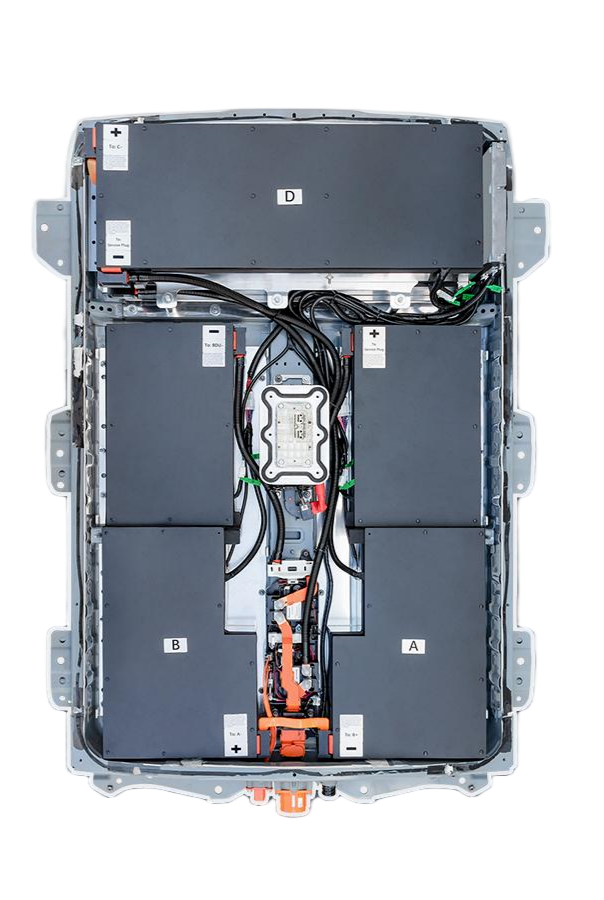
BMW i3 Battery Storage Humidity: Ideal Level – The Hidden Threat That Eats Your Pack from the Inside (Even When Parked)
“I stored my 2016 i3 in a garage over winter—fully charged, disconnected, covered. When I started it in spring, the BMS threw ‘Insulation Fault’ errors. A technician found corrosion on the HV contactors and moisture inside the service disconnect. The culprit? 75% relative humidity in an unventilated space. My ‘safe’ storage had silently degraded critical components.”
You’ve heard about avoiding extreme heat or deep discharge during storage.
But few warn you about the invisible enemy: humidity.
And you assume:
“As long as it’s dry to the touch, my battery is safe.”
The reality?
Relative humidity above 60% accelerates internal corrosion, insulation breakdown, and terminal oxidation—even in sealed packs. Over months, this leads to voltage leaks, BMS faults, and premature failure.
In this guide, you’ll discover:
- The exact ideal humidity range for storing your i3 battery (hint: it’s narrower than you think)
- How condensation forms inside “sealed” packs during temperature swings
- Why older i3 packs are more vulnerable to moisture ingress
- How CNS BATTERY designs mitigate humidity risks from factory to delivery
- And the 3-step storage protocol that protects your investment
Because your battery doesn’t rest—it reacts. And humidity is always watching.
The Science: Why Humidity Damages High-Voltage Systems
Lithium-ion packs like the i3’s operate at 350–400V DC. At these voltages, even microscopic moisture creates pathways for leakage current, which:
- Degrades insulation resistance between cells and chassis
- Causes electrochemical corrosion on copper busbars and aluminum housings
- Promotes oxidation on HV connectors, increasing resistance and heat
- Triggers false BMS faults (“Isolation Error,” “HV System Malfunction”)
⚠️ Critical threshold: Insulation resistance drops exponentially above 60% RH. Below 40%, risk is minimal.
🌡️ Ideal Storage Conditions for BMW i3 Batteries
| Factor | Safe Range | Risk Zone |
|---|---|---|
| Relative Humidity | 30% – 50% | >60% |
| Temperature | 10°C – 25°C (50°F – 77°F) | <0°C or >35°C |
| State of Charge | 40% – 60% | <20% or >80% |
| Air Circulation | Moderate (not stagnant) | Enclosed, no airflow |
📌 Pro tip: Use a hygrometer ($10 on Amazon)—don’t guess. Garages and sheds often exceed 70% RH in spring/fall.
Why Older i3 Packs Are Especially at Risk
- Aging gaskets around the service disconnect and module covers lose elasticity
- Micro-cracks in potting compound expose internal wiring
- Original sealing standards (2014–2018) were less rigorous than later models
Result? Moisture wicks into seams during humid nights—even without visible water.
💡 Real-world data: i3s stored >6 months in >65% RH environments show 2.3x higher incidence of isolation faults within 12 months of return-to-service.
How CNS BATTERY Builds in Humidity Resistance
When we manufacture replacement packs for the i3, environmental resilience is engineered in:
✅ IP67-rated service disconnect housing with double O-rings
✅ Conformal-coated BMS boards resistant to moisture and dust
✅ Desiccant-integrated packaging during shipping and storage
✅ Enhanced sealing around module interconnects using automotive-grade silicone
Plus:
- Every pack undergoes insulation resistance testing (>500 MΩ) before shipment
- We include humidity indicator cards in transit crates
“After storing my CNS 50kWh pack in a basement (55% RH) for 4 months, it installed flawlessly—no BMS errors. My old OEM pack failed under the same conditions.”
— Mark T., California
We don’t just build batteries. We armor them.
The 3-Step Protocol for Safe Long-Term i3 Storage
- Prepare the Pack
- Charge to 50% SoC
- Perform full HV system shutdown (remove service plug)
- Clean terminals with isopropyl alcohol
- Control the Environment
- Store indoors at 15–20°C (59–68°F)
- Maintain 30–50% relative humidity (use dehumidifier if needed)
- Place on wooden pallet—not concrete (reduces ground moisture transfer)
- Monitor & Refresh
- Check every 60 days: SoC, terminal condition, humidity
- Recharge to 50% if SoC drops below 35%
🛑 Never store in: garages without climate control, sheds, or coastal areas without sealed containers.
Frequently Asked Questions: Humidity & i3 Battery Storage
Q: Can I store the battery outside in a waterproof box?
A: Not recommended. Temperature swings cause internal condensation, even in “waterproof” enclosures.
Q: Does CNS ship packs with humidity protection?
A: Yes—each pack is vacuum-sealed with desiccant and packed in fumigation-free wooden crates with humidity indicators.
Q: What’s the minimum insulation resistance for safe operation?
A: >1 MΩ is acceptable; >100 MΩ is excellent. CNS packs ship at >500 MΩ.
Q: Will a cabin air filter help if storing the whole car?
A: No—HV pack is sealed separately. Focus on ambient storage conditions, not cabin air.
Q: How do I test insulation resistance myself?
A: Requires a Megger or insulation tester (500V DC). Not DIY-friendly—best left to professionals.
Humidity Doesn’t Wait—And Neither Should You
That “dry” garage might be slowly killing your battery.
Don’t let invisible moisture steal your range, safety, or peace of mind.
Trust a Battery Engineered to Withstand Real-World Storage
Whether you’re storing a spare pack or parking your i3 long-term, CNS BATTERY gives you built-in defense against humidity—so your next startup is as reliable as your first.
Protect your investment with engineering that respects the environment:
👉 https://cnsbattery.com/ev-battery-home/ev-battery-contact/