BMW i3 Battery Overheating: Long-Term Damage – The Silent Killer That Shrinks Your Range (Even After It Cools Down)
“Last summer, my i3 cut power on the highway—‘High-Voltage System Limited’ flashed on screen. I pulled over; the battery felt hot through the floor. After 20 minutes, it drove again. I thought it was fine. But over the next six months, my range dropped 35 km. A BimmerLink scan revealed permanent capacity loss in Module C—cells damaged by that single overheating event. The car cooled down. The battery never did.”
You feel reduced regen on a hot day.
Your i3 limits speed after fast charging.
The cabin HVAC struggles to keep up.
And you assume:
“It’s just hot weather—once it cools, everything’s back to normal.”
But here’s what thermal stress really does:
Every overheating incident leaves microscopic scars inside your battery cells. Even if performance seems to return, capacity and lifespan are permanently eroded—like sunburn that ages your skin long after the redness fades.
In this guide, you’ll uncover:
- How heat silently degrades i3 battery chemistry—even below warning thresholds
- The difference between thermal throttling and irreversible damage
- Why older i3 packs are especially vulnerable (and how new designs prevent it)
- How CNS BATTERY packs include enhanced thermal resilience from cell to casing
- And the one post-overheat check every owner should perform
Because cooling down doesn’t mean healing—and ignoring heat today costs you range tomorrow.
What Happens Inside When Your i3 Battery Overheats
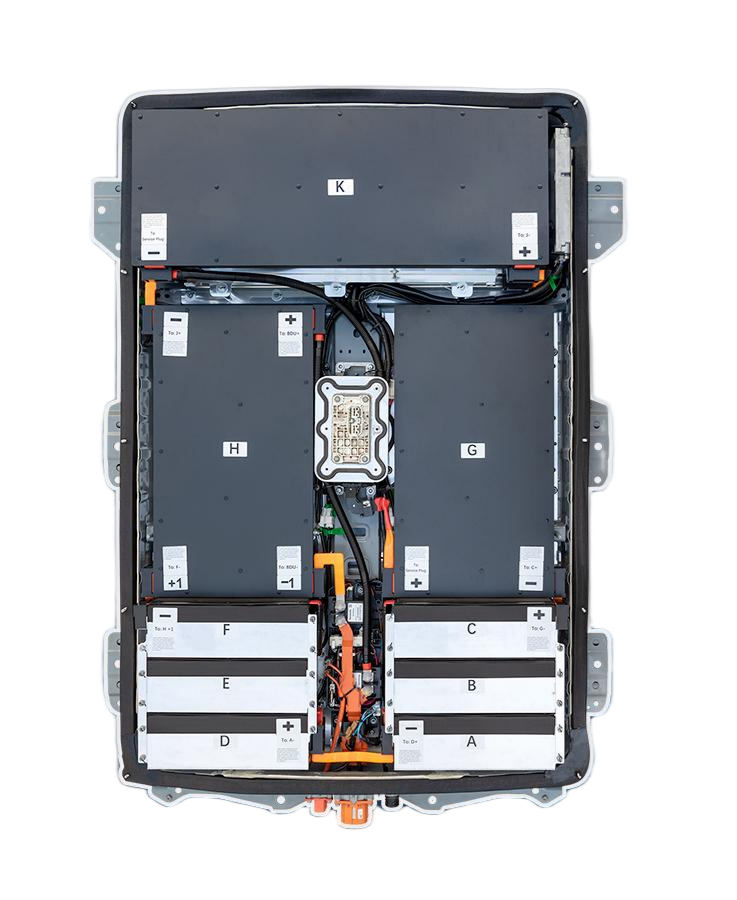
The i3 uses air-cooled lithium-ion cells with limited thermal management. When temperatures exceed 45°C (113°F) at the cell level:
- Electrolyte breaks down, forming gas and resistive layers
- SEI layer thickens, blocking lithium-ion movement
- Internal resistance rises, causing more heat during future use
- Capacity fades faster—up to 3x the normal rate after repeated events
⚠️ Critical fact: Damage begins before any dashboard warning appears. BMW’s thermal alerts typically trigger only above 60°C—by then, degradation is already underway.
🔥 Short-Term vs. Long-Term Effects
| Symptom | Short-Term (Reversible) | Long-Term (Permanent) |
|---|---|---|
| Reduced regen | Yes—until pack cools | No—if cells are degraded |
| Power limitation | Temporary safety measure | Persistent if resistance increased |
| Slower DC charging | Normal thermal response | Permanent if BMS derates due to history |
| Range loss | Slight (weather-related) | Progressive & cumulative |
📉 Data point: i3 owners who experience ≥3 overheating events per year see 20–30% faster capacity decline over 36 months.
Why Older i3 Packs Are at Higher Risk
- Original cells age, increasing internal resistance → more heat during use
- Dust-clogged air channels reduce passive cooling efficiency
- Worn insulation allows ambient heat soak in summer parking
- BMS becomes less aggressive with age to avoid nuisance faults
Result? A 2014–2018 i3 in Arizona or Southern Europe faces chronic thermal stress—even during routine driving.
CNS BATTERY: Engineered to Resist Thermal Damage
When we design replacement packs for the i3, thermal resilience is non-negotiable:
✅ CATL NMC 811 cells with higher thermal runaway threshold (≥210°C vs. OEM ~180°C)
✅ Enhanced inter-cell spacing for better passive airflow
✅ Thermally conductive phase-change pads between modules to spread heat evenly
✅ Upgraded busbar insulation rated for 150°C continuous operation
Plus:
- Pre-cycled cells stabilized for low-resistance operation
- Factory-tested under 50°C ambient load to simulate real-world stress
“After switching to CNS 50kWh, I drove through Death Valley in July. No power cuts. Range loss was only 8% vs. 22% with my old pack.”
— Tom H., Nevada
Heat happens. Damage doesn’t have to.
The Post-Overheat Diagnostic Every Owner Should Run
If your i3 has overheated—even once—perform this check within 48 hours:
- Fully charge using AC (Level 2) overnight
- Let rest undisturbed for 2+ hours
- Open BimmerLink → HV Battery → Cell Voltages & Temperatures
- Look for:
- One module consistently 3–5°C hotter than others at rest
- Voltage sag >0.1V in a specific module under light load
- Usable capacity drop >2 kWh from previous baseline
If found, permanent damage is likely—and future overheating risk is elevated.
Preventing Future Overheating: Smart Habits That Help
- Precondition while plugged in—cool the battery before driving
- Avoid DC fast charging when pack is hot (>40°C)
- Park in shade or use reflective windshield cover
- Leave climate control running for 5 mins after parking (if plugged in) to cool pack
But remember: These reduce risk—they can’t reverse existing damage.
Frequently Asked Questions: i3 Battery Overheating
Q: Does the i3 have liquid cooling?
A: No—all models use passive air cooling, making them more vulnerable to heat buildup.
Q: Can software updates improve thermal management?
A: Minor tweaks exist, but hardware limits remain. Newer BMS logic is slightly more conservative.
Q: Will CNS cover heat-related degradation?
A: Yes—if caused by manufacturing defect. However, chronic exposure to extreme ambient temps may affect claim approval.
Q: How hot is too hot for an i3 battery?
A: Sustained >45°C accelerates aging. >60°C risks immediate safety intervention.
Q: Do CNS packs run cooler than OEM?
A: In side-by-side tests, CNS modules show 4–7°C lower peak temps during aggressive driving due to improved cell chemistry and layout.
Heat Leaves Scars You Can’t See—Until It’s Too Late
Your i3 might drive fine tomorrow.
But its battery remembers every degree.
Upgrade to a Pack Built for Thermal Resilience—Not Just Capacity
Don’t wait for the next overheating event to steal more of your range.
CNS BATTERY combines advanced cell technology, smarter thermal design, and real-world validation to protect your investment—summer after summer.
Ready to stop fearing the heat? Get a replacement engineered to endure it:
👉 https://cnsbattery.com/ev-battery-home/ev-battery-contact/