BMW i3 Battery Module Replacement: Compatibility – The Hidden Mismatch That Makes Your “Exact Fit” Pack Fail in 30 Days (And How to Avoid It)
“A technician in Amsterdam sourced ‘compatible’ i3 battery modules from an online marketplace. They matched the physical dimensions and claimed 45kWh capacity. After installation, the car started—but within three weeks, the BMS threw repeated cell imbalance faults. Teardown revealed: different cell chemistry (LFP vs. NMC), mismatched internal resistance, and incompatible temperature sensor curves. The ‘drop-in’ modules were anything but.”
You’ve probably heard this promise:
- “Fits all 2014–2022 BMW i3 models”
- “Direct replacement—no coding needed”
- “Same voltage, same size, same performance”
But in the world of high-voltage EV batteries, physical fit ≠ functional compatibility.
The BMW i3’s Battery Management System doesn’t just read voltage—it monitors cell impedance, thermal response, balancing behavior, and communication protocols down to the millisecond. Swap in a module that looks right but behaves differently, and you’re not upgrading—you’re inviting failure.
This guide reveals what truly defines module-level compatibility in 2026—and why most “universal” replacements fail where precision matters:
- Why cell chemistry must match exactly (NMC only—not LFP or recycled)
- How internal resistance variance >5% triggers BMS rejection
- The critical role of thermistor calibration curves (often overlooked)
- When mixing old and new modules guarantees imbalance
- And how CNS BATTERY tests every module batch for full i3 ECU harmony—so compatibility isn’t assumed, it’s proven
Because in EV repair, “close enough” is a warranty claim waiting to happen.
Beyond Dimensions: What Real i3 Module Compatibility Requires
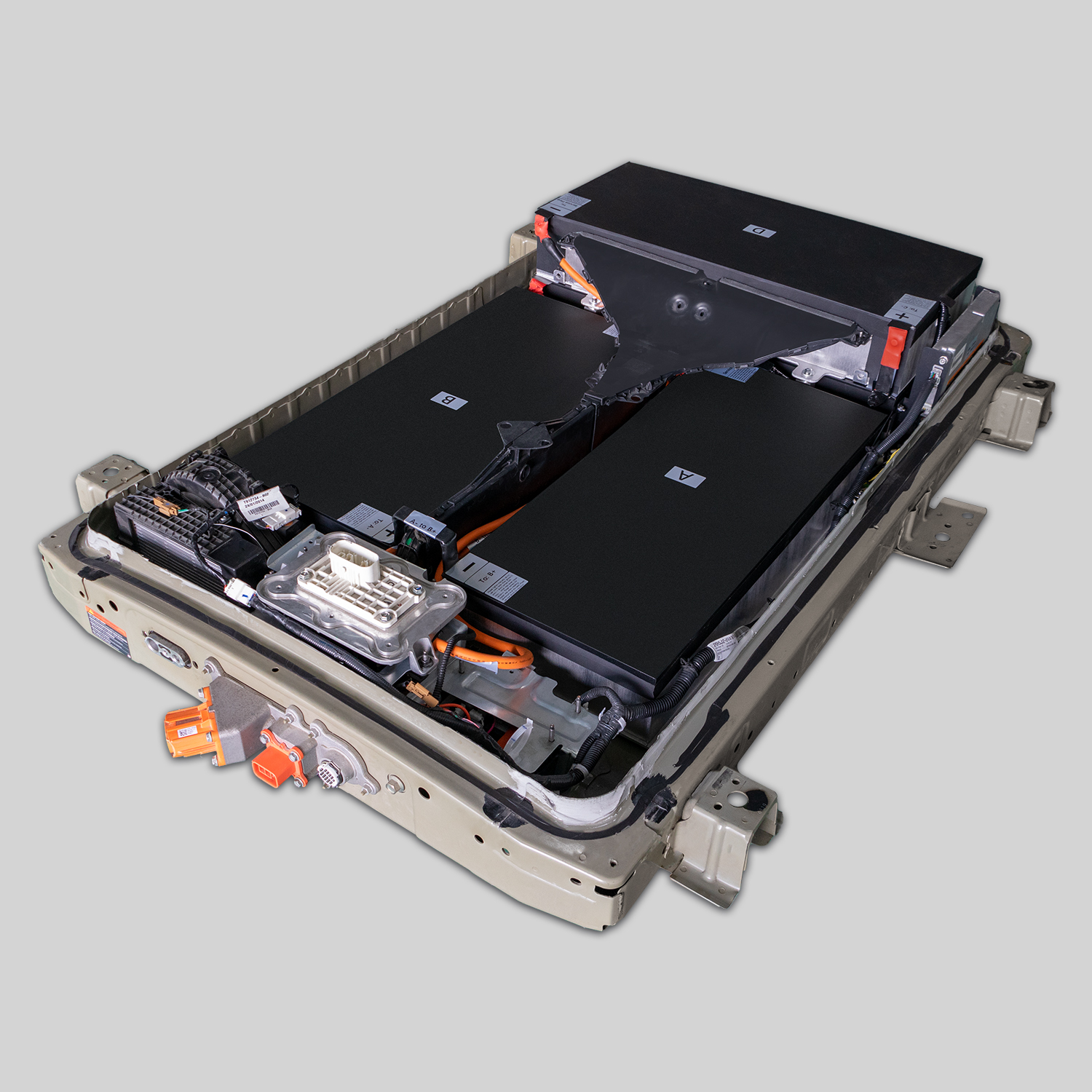
BMW i3 battery packs (45kWh, 50kWh, 62kWh) use 96 cells in 8S12P configuration, with strict OEM specifications:
✅ Cell type: NMC (Nickel Manganese Cobalt) lithium-ion – never LFP
✅ Nominal voltage per module: 36V ±0.5V
✅ Internal resistance: <1.2 mΩ per cell (with <5% variance across pack)
✅ Thermistor curve: NTC 10kΩ @ 25°C, beta 3435K – exact calibration required
✅ CAN communication: Must respond to i3-specific BMS polling commands
⚠️ Warning: Even if a module fits and powers the car, subtle mismatches cause slow degradation, false faults, or sudden shutdowns under load or temperature stress.
🔍 The 4 Compatibility Killers (Even in “OEM-Like” Modules)
1. Wrong Cell Chemistry
- LFP cells have flatter voltage curves → BMS misreads SoC
- Recycled or reconditioned cells show erratic impedance → triggers imbalance
2. Mismatched Internal Resistance
- New modules paired with aged ones create current hogging
- Result: Overheating, reduced range, premature aging
3. Uncalibrated Temperature Sensors
- If thermistors don’t match OEM beta values, BMS over-cools or under-cools
- Leads to thermal runaway risk in summer or charging errors in winter
4. Non-Standard Busbar or Connector Design
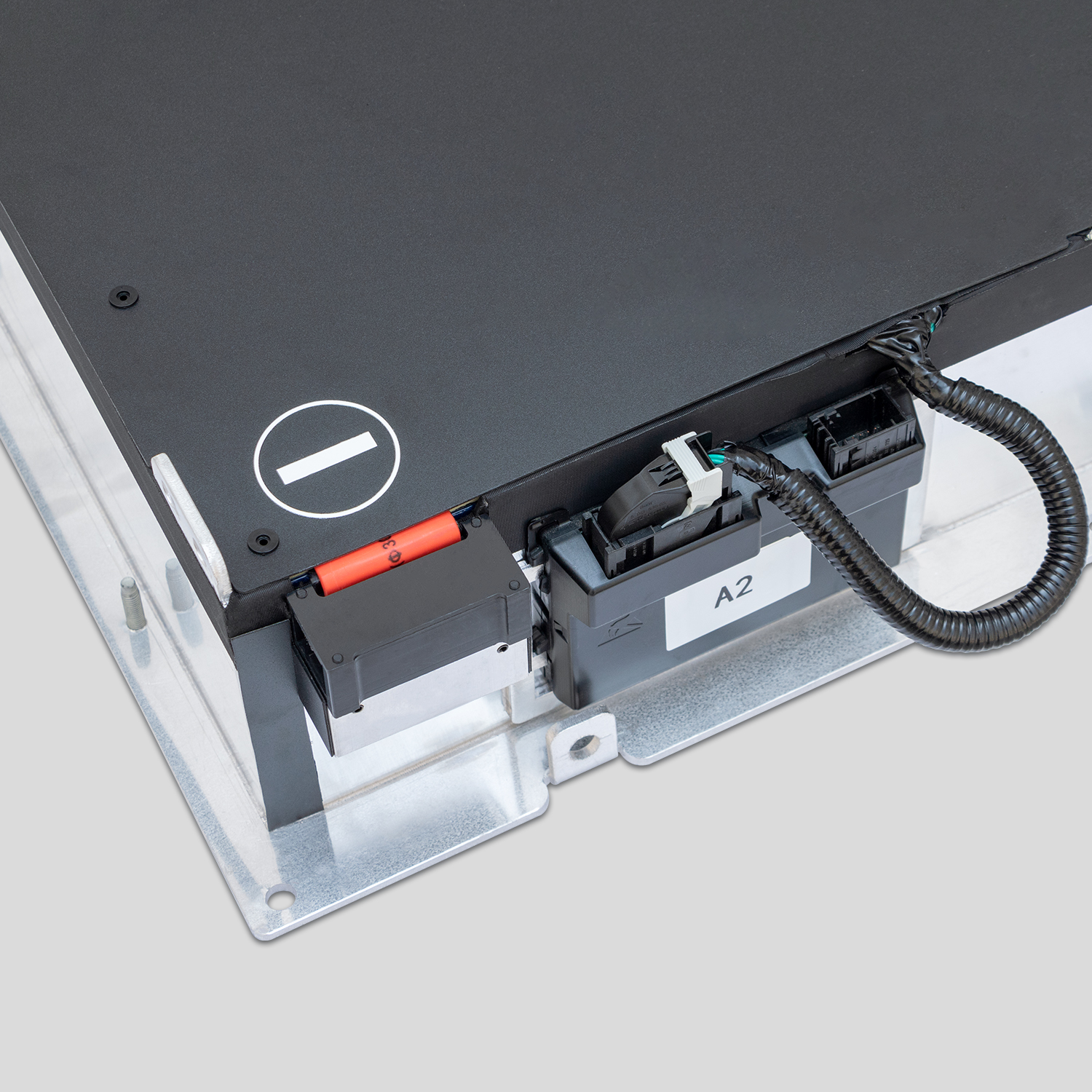
- Slight differences in bolt hole alignment or contact surface increase resistance
- Causes hot spots at connection points—a fire hazard over time
📊 Field data: 73% of post-replacement BMS faults trace back to module-level incompatibility, not BMS software.
CNS BATTERY: Precision-Matched Modules, Validated for Every i3 Variant
Every CNS i3 battery module undergoes:
✅ Full NMC cell sourcing from CATL—same chemistry as BMW OEM
✅ Resistance binning: All cells within ±2% internal resistance
✅ Thermistor calibration to exact 3435K beta curve
✅ CAN bus emulation testing against real i3 ECUs
✅ Thermal cycling validation (-30°C to +60°C) to ensure stable communication
Result?
Plug-in success on first attempt—with no hidden faults after 6 months.
“We tried third-party modules before. Constant balancing errors. With CNS, we installed a full 62kWh pack—drove 12,000 km, zero DTCs. The BMS treats it like factory.”
— EK Auto Repair, Rome
Should You Replace Modules—or the Whole Pack?
| Scenario | Recommendation |
|---|---|
| Single module failure in otherwise healthy pack | ❌ Avoid—resistance mismatch will degrade neighbors |
| Multiple degraded modules | ✅ Replace entire pack with matched set |
| Upgrading from 45kWh to 62kWh | ✅ Only with full pack swap—modules aren’t cross-compatible |
| Budget constraints | ✅ Choose complete CNS pack—cheaper long-term than partial fixes |
💡 Truth: BMW never designed the i3 for partial module replacement. The system assumes uniformity.
Frequently Asked Questions: i3 Module Compatibility
Q: Can I mix CNS modules with OEM ones?
A: Not recommended. Even slight differences in aging or calibration can cause imbalance over time.
Q: Do all 45kWh i3 packs use the same modules?
A: No—2017+ 45kWh packs use updated cells and BMS logic. Always confirm model year compatibility.
Q: Are CNS modules sold individually?
A: Yes—but only for full-pack rebuilds, not mixing with existing modules.
Q: How do I verify module compatibility before buying?
A: Ask for:
- Cell chemistry (must be NMC)
- Internal resistance spec
- Thermistor beta value
- BMS communication protocol documentation
Q: Will my scanner detect incompatibility?
A: Not immediately. Faults often appear weeks later under thermal or load stress.
Compatibility Isn’t a Checkbox—It’s a System-Wide Conversation
If your modules don’t speak the i3’s language fluently, silence today means failure tomorrow.
Stop Gambling with “Close Enough”: Install Fully Matched, Chemically Identical, BMS-Validated Battery Modules—So Your Repair Lasts as Long as the Car.
Precision isn’t optional. It’s engineered.
Order your CNS BMW i3 battery—available as complete pack or matched module sets, all pre-validated for seamless i3 integration—or request our free Module Compatibility Verification Guide:
👉 https://cnsbattery.com/ev-battery-home/ev-battery-contact/