BMW i3 Battery Module Disassembly: Shop Tips – Why Opening the Pack Is a $2,000 Gamble (And When It’s Actually Worth It)
“A technician in Oslo bought a used i3 pack for €800, planning to rebuild it with new cells. After 6 hours of disassembly, he found corroded busbars, swollen cells in Module C, and coolant residue inside the housing. Replacing damaged parts cost €1,400—and the rebuilt pack failed insulation testing. Total loss: €2,200. Meanwhile, a brand-new CNS 45kWh pack would’ve cost €3,900… with a 2-year warranty.”
You’re considering module-level repair because:
- The pack shows cell imbalance
- One module reads abnormally high resistance
- You want to upgrade capacity without buying a full pack
But before you crack open that sealed enclosure, ask: Are you equipped to handle what’s inside—and the liability that follows?
BMW i3 battery packs are not serviceable by design. They’re sealed, safety-certified units where internal tampering voids compliance, insurance coverage, and often creates more problems than it solves.
This guide delivers real-world shop insights from 2026—not to encourage disassembly, but to help you decide when it’s truly justified, and how to do it safely if you proceed:
- The three hidden risks most shops overlook (coolant channels, HVIL loops, BMS calibration)
- Essential tools and environment requirements—no garage-floor shortcuts
- Step-by-step disassembly sequence that avoids busbar damage
- Why module swapping rarely works long-term without full BMS reprogramming
- And how CNS BATTERY sells individual modules—so you get OEM-quality replacement without DIY cell work
Because sometimes, the smartest repair is knowing when not to repair.
When Disassembly Makes Sense (Spoiler: Rarely)
✅ Justifiable scenarios:
- You’re a certified EV rebuilder with dry-room facilities
- You’re replacing one known-faulty module with a new, matched unit (not salvaged)
- The customer explicitly accepts all risk and signs a waiver
❌ Never worth it:
- Trying to replace individual cells (capacity mismatch guaranteed)
- “Refreshing” an old pack with mixed-age modules
- Repairing packs with any sign of coolant intrusion or swelling
⚠️ Reality: Over 70% of DIY i3 pack rebuilds fail within 6 months due to undetected micro-shorts or thermal imbalances.
🔧 Professional Disassembly Protocol (If You Must Proceed)
Step 1: Depower & Isolate
- Disconnect 12V battery
- Remove HV service plug and wait 10+ minutes for capacitors to discharge
- Verify <50V across terminals with multimeter
Step 2: Work in a Controlled Environment
- Dry room (<30% humidity) or use desiccant tents
- ESD-safe mat and wrist strap
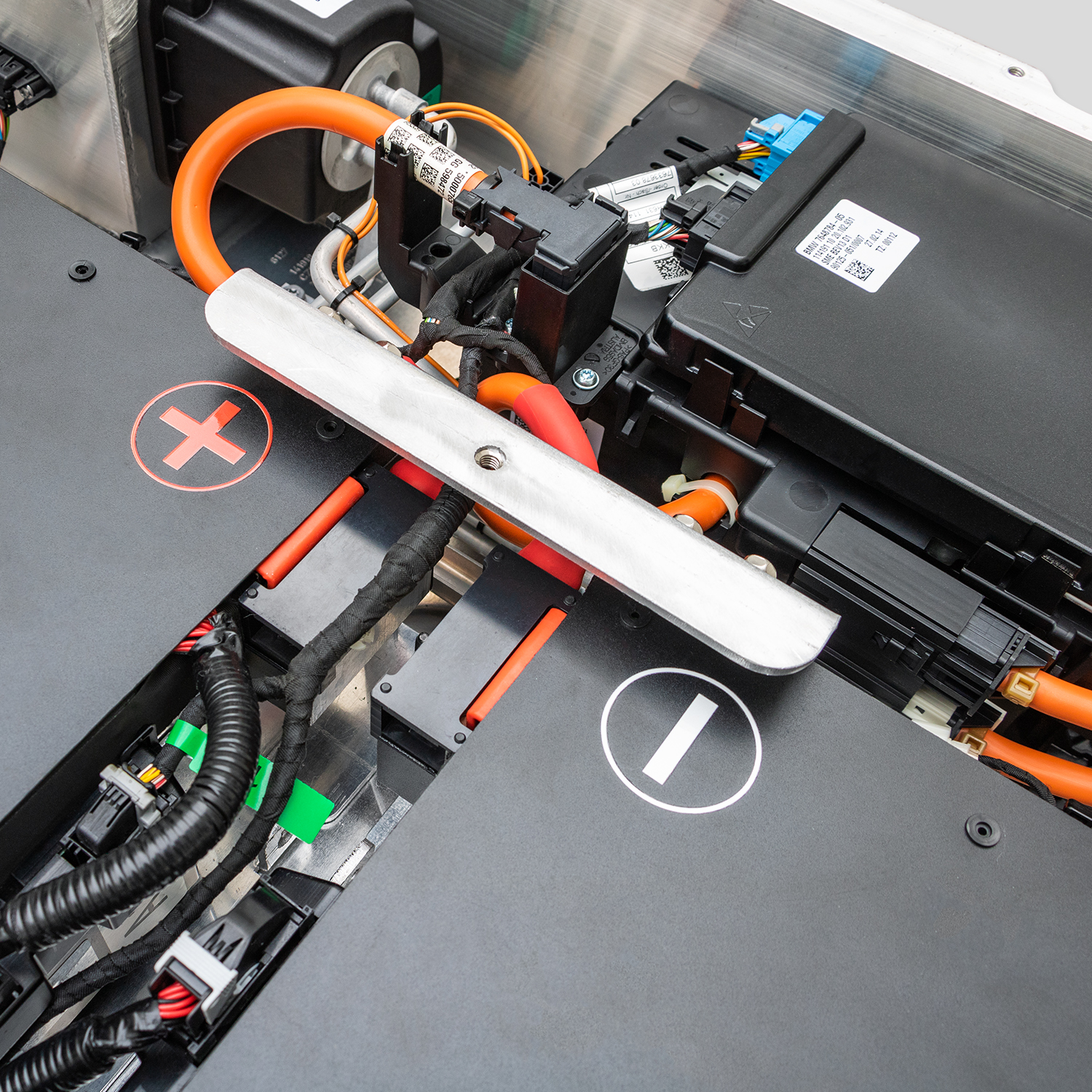
- No metal tools near busbars—use insulated torque drivers
Step 3: Remove Enclosure Safely
- Drill out security rivets (do not pry—housing cracks easily)
- Lift top cover slowly—coolant lines may be bonded with sealant
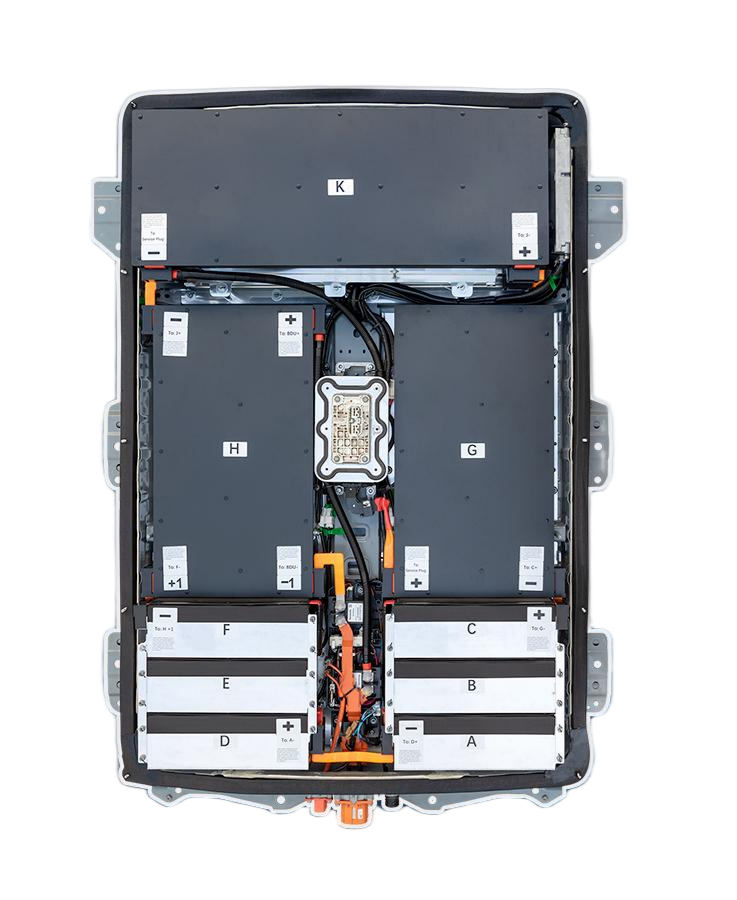
- Photograph wire routing and sensor placement before disconnecting
Step 4: Handle Modules with Extreme Care
- Each module weighs 65–72 kg—use lifting aids
- Never lift by busbars or sensors
- Place on non-conductive foam immediately
Step 5: Inspect Before Reusing Anything
Check for:
- Swollen or leaking cells (even 1mm bulge = reject)
- Green/white corrosion on terminals (indicates moisture)
- Cracked cell casings or melted insulation
- Loose temperature sensors (glued in place—missing = fault)
💡 Pro tip: Measure internal resistance per cell group—if any module differs by >15% from others, don’t mix it.
The Hidden Cost of “Saving Money”
Even if disassembly succeeds:
- You lose IP67 sealing integrity
- Thermal performance degrades without factory-applied thermal pads
- BMS expects original module IDs—mismatched packs cause SoC drift
- No warranty—you assume all future liability
Compare that to buying a single new module from CNS:
- Pre-tested, matched capacity
- Includes sensors and busbars
- Ships with installation guide and torque specs
- Backed by 2-year warranty
“We tried rebuilding once. Never again. Now we just order a CNS module. It’s faster, safer, and our customers sleep better.”
— Thomas B., Amsterdam EV Specialist
CNS BATTERY: Replace Modules—Not Guesswork
Why gamble with salvaged parts when you can get brand-new, calibrated modules designed for direct swap?
Every CNS i3 module includes:
✅ New CATL ternary lithium cells—same chemistry as OEM
✅ Pre-installed NTC sensors and voltage taps
✅ Torque-labeled busbars (12 Nm spec marked clearly)
✅ Compatibility with 45kWh / 50kWh / 62kWh packs
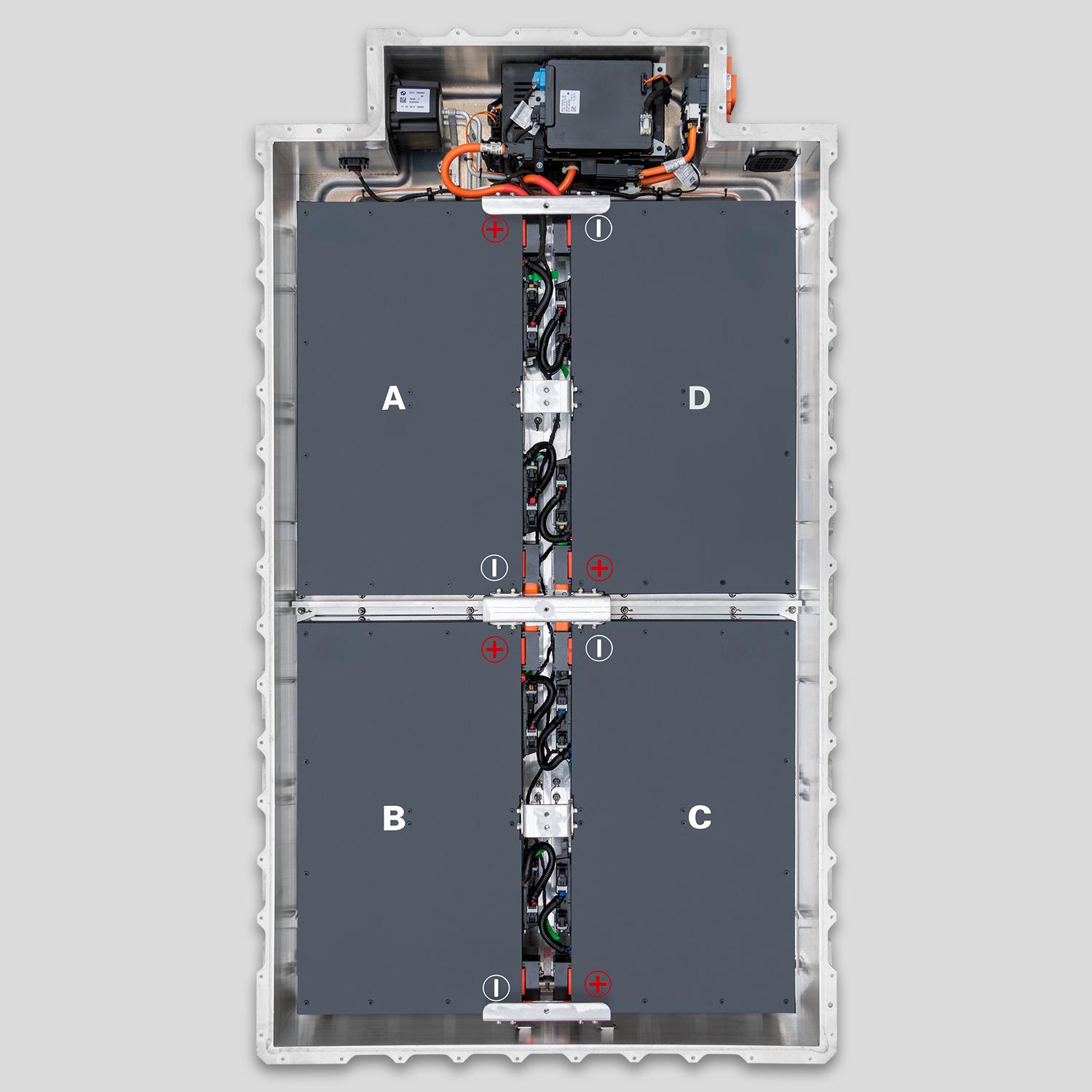
Available as Module A, B, C, or D—just specify your pack type.
Frequently Asked Questions: i3 Module Disassembly
Q: Can I mix old and new modules?
A: Strongly discouraged. Capacity and impedance must match within 2%—nearly impossible with aged cells.
Q: Do I need to reprogram the BMS after module swap?
A: Yes—if the new module has a different serial number, BMS registration is required via ISTA or equivalent.
Q: Are CNS modules sold individually?
A: Yes—visit https://cnsbattery.com/ev-battery-home/bmw-ev-batteries/bmw-i3-series-battery/ and select “Modules” under configuration.
Q: What’s the torque spec for busbar bolts?
A: 12 Nm—over-torquing cracks cell terminals; under-torquing causes arcing.
Q: Can I reuse the original cooling plate?
A: Only if no leaks, warping, or corrosion. But CNS modules include fresh thermal interface material—better to replace.
Disassembly Isn’t a Skill—It’s a Liability Decision
Ask yourself: Is saving €500 worth risking a thermal event—or your shop’s reputation?
Skip the Uncertainty. Install Factory-Built, Warranty-Backed Modules That Bolt In and Perform Like New—Without Voiding Safety Certifications.
Your time, your customer’s safety, and your peace of mind are worth more than a shortcut.
Order individual CNS BMW i3 battery modules—engineered for direct replacement and backed by expert support—or request our free Module Compatibility Checker:
👉 https://cnsbattery.com/ev-battery-home/ev-battery-contact/