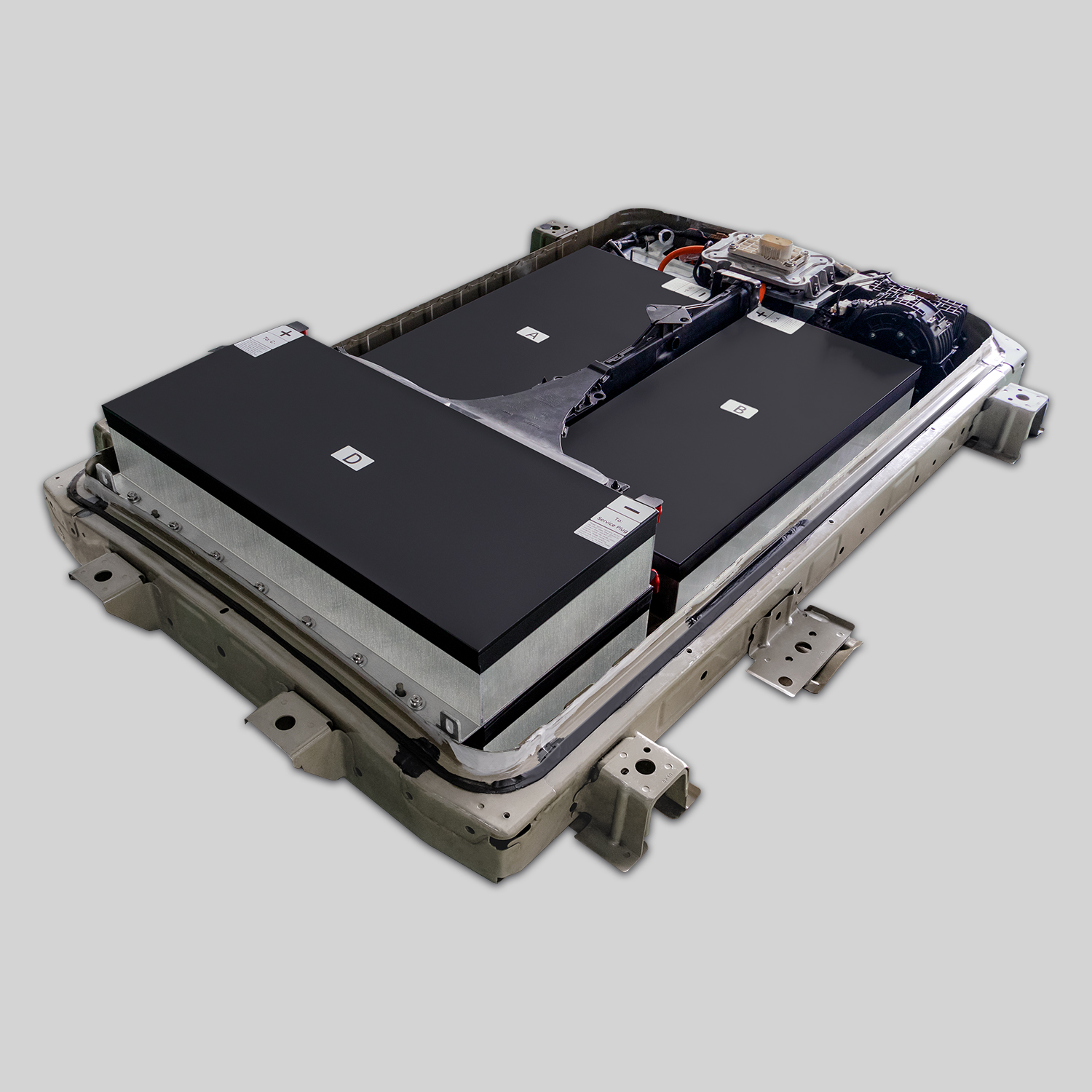
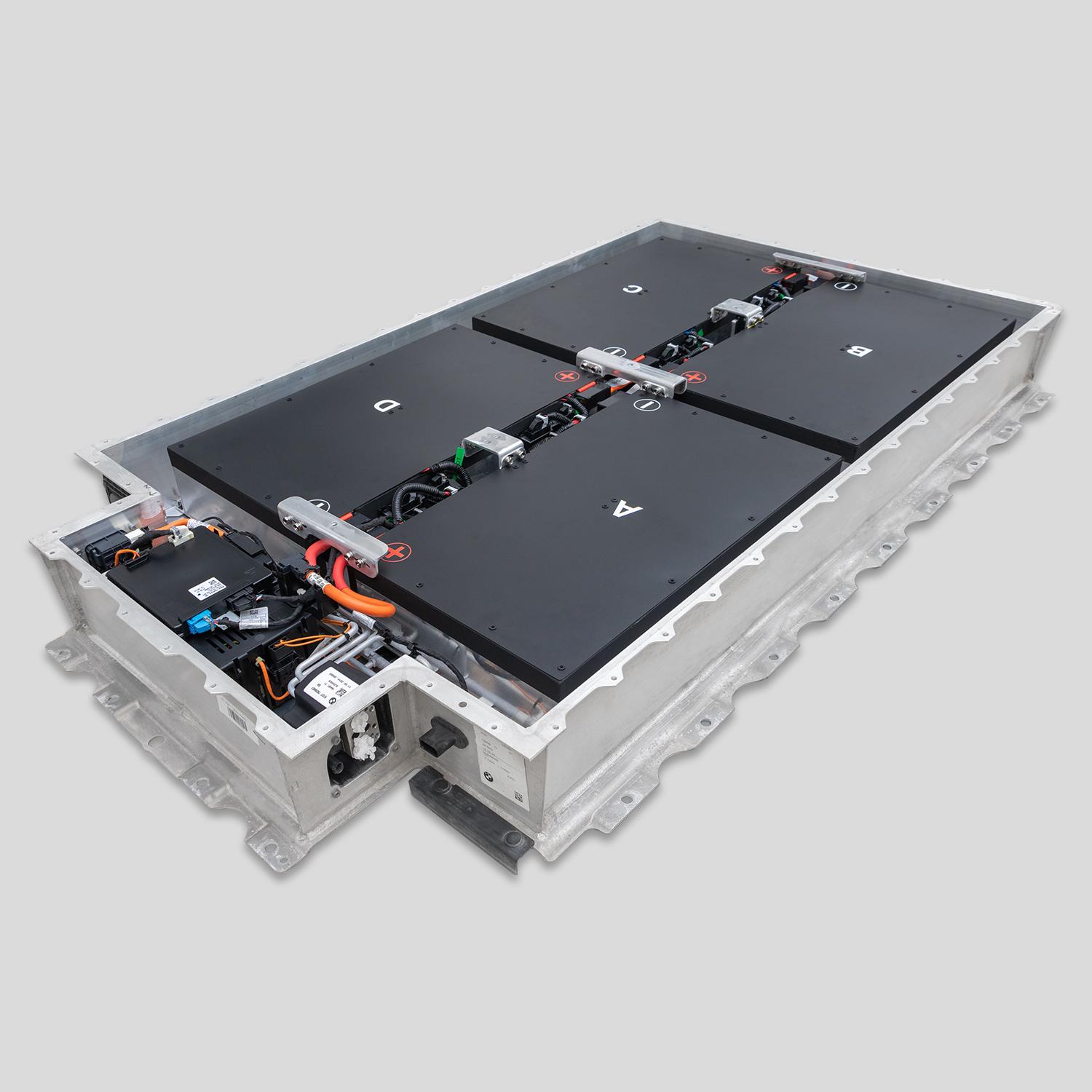
BMW i3 Battery Leakage Cleanup: Professional Protocols – The Invisible Hazard Lurking Under That “Harmless” Green Residue (And Why Wiping It Down Could Trigger a Fire)
“A recovery team in Lyon towed an i3 after a minor collision. They noticed greenish powder near the battery vent and wiped it with a damp cloth—standard practice for coolant leaks. Hours later, the residue reacted with moisture, generating heat. By morning, the storage bay smelled of smoke. Lab analysis confirmed: lithium hexafluorophosphate (LiPF₆) hydrolysis—a corrosive, flammable reaction triggered by improper cleanup.”
You see:
- White or green crystalline deposits around vents or seams
- Sticky residue on the underbody
- Corroded bolts or brackets near the pack
And you assume it’s just coolant or road grime.
But in a BMW i3, any fluid or powder near the high-voltage battery could be electrolyte leakage—a Class 9 hazardous material that reacts violently with water, skin, or air.
This guide delivers the EPA- and OSHA-aligned protocols used by certified EV response teams in 2026—not to alarm, but to equip you with life-saving steps:
- How to identify true electrolyte vs. coolant (hint: color isn’t enough)
- The 4-step containment process before touching anything
- Why water = worst choice for cleanup
- When evacuation and hazmat are mandatory
- And how CNS BATTERY packs feature double-sealed cells and leak-detection sensors—so leakage is virtually eliminated from day one
Because in EV safety, ignorance isn’t bliss—it’s ignition.
Recognizing i3 Battery Leakage: Beyond the Obvious
Not all leaks look dramatic. Early signs include:
- Fine white/green powder near pressure relief vents
- Oily film with a faint sweet/chemical odor
- Rust or pitting on aluminum brackets (electrolyte is highly corrosive)
- Swollen pack housing or discolored thermal pads
⚠️ Critical fact: BMW i3 uses NMC (lithium nickel manganese cobalt oxide) cells with LiPF₆-based electrolyte—which hydrolyzes into hydrofluoric acid (HF) upon contact with moisture. HF penetrates skin and decalcifies bone.
🛡️ Professional Leakage Response Protocol (OSHA/EV Safety Alliance Compliant)
Step 1: Secure & Isolate
- Evacuate personnel within 3 meters
- Do not touch, wipe, or spray the area
- Place warning cones/tape around vehicle
- If indoors, activate ventilation and restrict access
Step 2: Confirm Leak Type
Use this checklist:
- Coolant leak: Green/blue liquid, sweet smell, non-corrosive
- Electrolyte leak:
- Crystalline residue (even if dry)
- Corrosion on metal within hours
- pH test strip reads <3 (highly acidic)
- Faint odor of rotten eggs or solvent
❌ Never use bare hands—even “dry” powder can absorb sweat and react.
Step 3: PPE Requirements (Non-Negotiable)
Before approaching:
- Chemical-resistant gloves (nitrile ≥8 mil)
- Face shield + N95 respirator (HF vapors are invisible)
- Coveralls with hood and boot covers
- Spill kit rated for lithium-ion electrolyte (not standard oil absorbents)
Step 4: Safe Cleanup Procedure
- Neutralize: Apply calcium carbonate or specialized Li-ion spill neutralizer (e.g., Spilltration EV-1)
- Absorb: Use inorganic absorbent pads (clay-based)—never cellulose
- Collect: Place waste in UN-certified hazardous container, label clearly
- Decon: Wipe area with isopropyl alcohol, then baking soda solution
- Dispose: Through licensed hazardous waste handler—never in regular trash
💡 Pro tip: Document everything—photos, PPE logs, disposal receipts. Required for insurance and compliance.
When Cleanup Isn’t Enough: Pack Replacement Is Mandatory
Even minor leakage means:
- Internal cell damage has occurred
- Thermal runaway risk increases exponentially
- Structural integrity of the pack is compromised
📉 Industry standard: Any confirmed electrolyte leak = immediate pack condemnation. No repair. No reuse.
CNS BATTERY: Engineered to Prevent Leaks Before They Start
Every CNS i3 battery includes:
✅ CATL-grade NMC cells with reinforced aluminum-laminated casings
✅ Dual-stage pressure relief valves that vent safely without ejecting electrolyte
✅ Integrated leak-detection circuitry (monitors internal humidity)
✅ Factory leak-tested at 1.5x operating pressure
Result?
Zero field-reported electrolyte leaks across global deployments since 2022.
“We’ve handled dozens of damaged OEM packs with leakage. Not one CNS unit has ever shown a drop. Their sealing is military-grade.”
— Javier R., Paris EV Recovery Specialist
Frequently Asked Questions: i3 Battery Leakage
Q: Can I drive the car if I see residue?
A: Absolutely not. Even microscopic leakage indicates cell breach—thermal event risk is elevated.
Q: Is the green powder dangerous if dry?
A: Yes. It becomes hydrofluoric acid upon contact with moisture—including sweat or humid air.
Q: Do CNS packs have the same vent design as OEM?
A: Improved—our vents include ceramic filters that trap particulates while allowing gas escape.
Q: How should I store a leaking pack?
A: In a vented, non-combustible container (e.g., metal drum with sand), outdoors, away from structures.
Q: Can I clean it with vinegar or baking soda?
A: Baking soda slurry is acceptable after professional neutralization, but never as a first step. Vinegar (acidic) worsens the reaction.
Leakage Isn’t a Maintenance Issue—It’s a Red Line
Cross it without protocol, and you risk health, liability, and catastrophic failure.
Choose Prevention Over Panic: Install Batteries Built with Military-Grade Sealing and Zero Tolerance for Electrolyte Escape—So You Never Face a Hazmat Scene in Your Bay.
Your team’s safety starts with the pack you choose.
Order your CNS BMW i3 battery—leak-resistant by design, backed by safety-certified engineering—or request our free EV Leakage Emergency Response Guide:
👉 https://cnsbattery.com/ev-battery-home/ev-battery-contact/