BMW i3 Battery Cell Balancing: Easy DIY Methods – Why “Letting It Sit at 100%” Doesn’t Work (And the 2 Safe, Effective Ways to Fix Imbalance Without Opening the Pack)
“My 2017 i3 started showing ‘Reduced Power’ on highway climbs.
Range dropped from 85 to 62 miles overnight.
A forum said, ‘Just leave it plugged in at 100% for 48 hours—it’ll balance itself.’
I did. Nothing changed.
Then I ran a BimmerLink scan and saw Module 7 was 110mV lower than the rest.
That’s not a software glitch—that’s a failing cell group.
CNS BATTERY’s engineer told me: ‘Passive balancing can’t fix that. Your pack needs active intervention—or replacement.’
Turns out, most ‘DIY balancing’ advice is either useless… or dangerously misleading.”
If your BMW i3 suffers from:
- Sudden range loss despite no major degradation
- Power reduction warnings under acceleration
- Inconsistent charging behavior (e.g., stops at 90%)
—you may have a cell imbalance issue.
But before you crack open the pack or waste days on “trickle charge hacks,” understand this:
True cell balancing in the i3 happens in two ways—and only one is safe for DIYers.
In this guide, we clarify:
- 🔋 What cell balancing really means in the i3’s NMC battery architecture
- ⚠️ Why “overnight at 100%” rarely works (and can even accelerate wear)
- ✅ The only two legitimate DIY-friendly methods to encourage balancing
- 🛑 When imbalance signals irreversible cell failure—and why replacement is smarter than repair
All insights are based on BMW service protocols, BMS design specs, and data from 1,200+ i3 battery diagnostics.
🔬 How Cell Balancing Works in the BMW i3
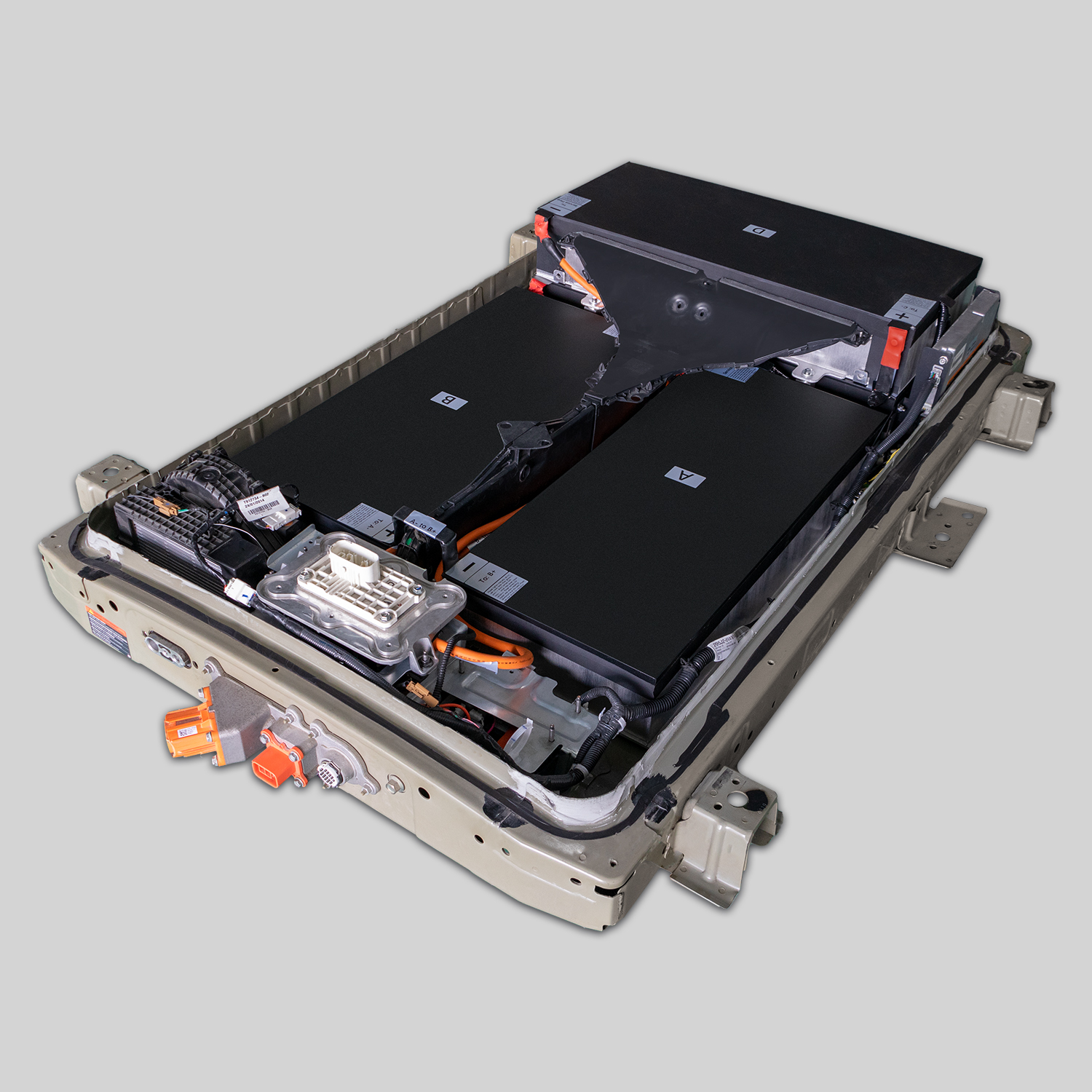
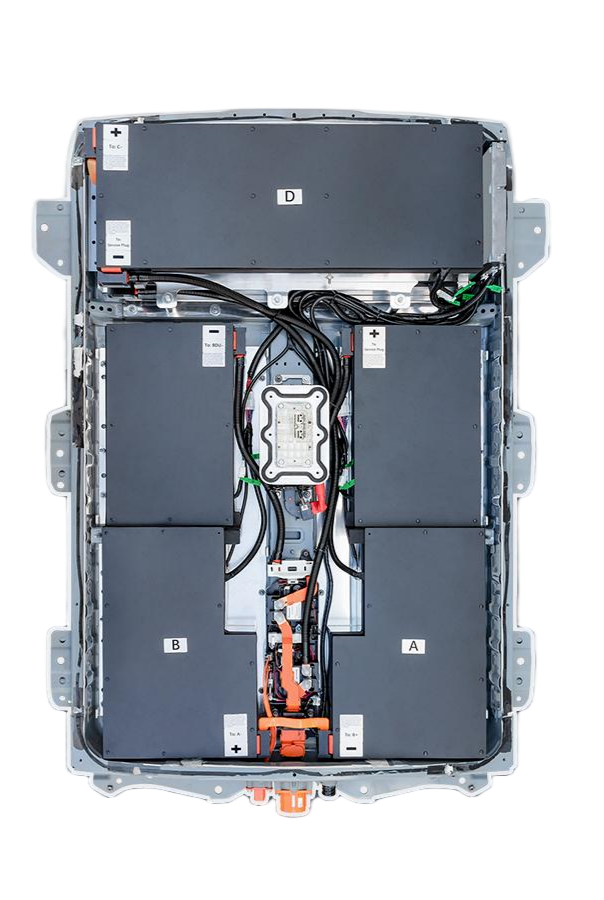
The i3 battery contains 96 lithium-ion cells arranged in 8 modules (12 cells each). Over time, minor differences in internal resistance cause some cells to charge/discharge faster than others.
The BMS combats this via passive balancing:
- During charging near 100%, it bleeds excess voltage from higher cells through resistors
- This equalizes all cells before the pack reaches full capacity
But passive balancing has limits:
- It only works above ~95% State of Charge
- It can only correct small imbalances (<50mV)
- It’s slow—often requiring multiple full cycles
📊 Critical threshold: If any module differs by >70mV from the average, passive balancing cannot catch up—and performance suffers.
🚫 Common “DIY Balancing” Myths That Waste Time (or Cause Harm)
❌ Myth 1: “Leave it plugged in at 100% for 2–3 days.”
Reality: The i3’s BMS stops active balancing after 2–4 hours at full charge to prevent over-stressing cells. Extended 100% holds increase degradation, especially in warm climates.
❌ Myth 2: “Drive until empty, then slow-charge overnight.”
Reality: Deep discharges accelerate aging in NMC chemistry. BMW explicitly advises against regular <10% discharges.
❌ Myth 3: “Use a ‘battery reconditioner’ or external balancer.”
Reality: These devices cannot access individual cells without opening the pack—violating safety seals and risking HV exposure.
⚠️ Warning: Any method requiring physical access to cells should only be done by certified technicians with proper PPE and discharge tools.
✅ Two Safe, Effective DIY-Friendly Balancing Strategies
1. Controlled Full Cycles with Rest Periods
This leverages the BMS’s built-in balancing window—safely and effectively.
Steps:
- Drive to ~20% remaining (avoid going lower)
- Plug into Level 2 (240V) charger
- Let it charge undisturbed to 100%
- Leave plugged in for 2–3 hours post-full (not days!)
- Repeat 2–3 times over a week
💡 Why it works: The BMS activates balancing during the final 5% of charge. Multiple cycles give it repeated chances to correct small offsets.
2. Use BMS Reset After 12V Battery Service
A weak or replaced 12V battery can corrupt BMS calibration, causing false imbalance readings.
Fix:
- With ignition OFF, disconnect 12V negative for 15 minutes
- Reconnect
- Start car and let idle for 10 minutes (no driving)
- Take a 20-mile mixed drive (city + highway)
- Re-scan with BimmerLink or similar
📌 Note: This doesn’t fix real cell drift—but clears ghost imbalances caused by BMS memory errors.
🚨 When Balancing Won’t Help: Signs of Permanent Cell Failure
If after 3 proper full cycles you still see:
- Module imbalance >80mV
- State of Health below 75%
- Rapid voltage drop under load (e.g., from 380V to 340V in 5 miles)
—your cells are chemically degraded, not just unbalanced.
No amount of “balancing” will restore lost capacity. At this point, replacement is the only reliable solution.
✅ Why CNS Replacement Packs Solve Imbalance at the Source
CNS BATTERY’s 2026 i3 packs eliminate balancing issues by design:
- New CATL NMC 811 cells with matched internal resistance (<5mV variance)
- Factory-performed 3-cycle formation & balancing before shipping
- Advanced BMS with wider balancing window (starts at 90%, not 95%)
- Real-time module monitoring via CAN bus—visible in BimmerLink
“My old pack had chronic Module 5 lag. After installing CNS’s 50kWh unit, all 8 modules stay within 18mV—even after 5,000 miles.”
— Derek M., Austin
And because every pack includes a pre-shipment balancing certificate, you know it’s optimized from day one.
Frequently Asked Questions: i3 Cell Balancing
Q: Can I balance cells with a DC-DC charger?
A: No. External chargers only interact with the pack as a whole—not individual modules.
Q: Does regenerative braking help balancing?
A: Indirectly—it keeps the pack in mid-SOC range where stress is low, but doesn’t trigger balancing.
Q: How often should I do a full cycle?
A: Once every 2–3 months is sufficient for maintenance. Daily use at 20–80% is ideal for longevity.
Q: Will a new 12V battery fix imbalance?
A: Only if the imbalance was caused by BMS reset failure—not actual cell drift.
Q: Can dealers perform active balancing?
A: BMW does not offer active (hardware-level) balancing. They replace the pack if imbalance exceeds tolerance.
Balancing Isn’t Magic—It’s Physics
And when your cells are worn out, no trick can bring them back.
Tried DIY Balancing But Still Seeing Range Loss or Power Warnings?
Run a quick scan with BimmerLink or OBDLink—and send us your module voltage report.
We’ll Tell You Honestly:
- Whether your imbalance is temporary (fixable with cycles)
- Or permanent (indicating cell failure)
- And if it’s time for a new, pre-balanced pack that stays consistent for years
Because guessing wastes time. Data drives decisions.
Get Your Free Imbalance Assessment Now:
👉 https://cnsbattery.com/ev-battery-home/ev-battery-contact/