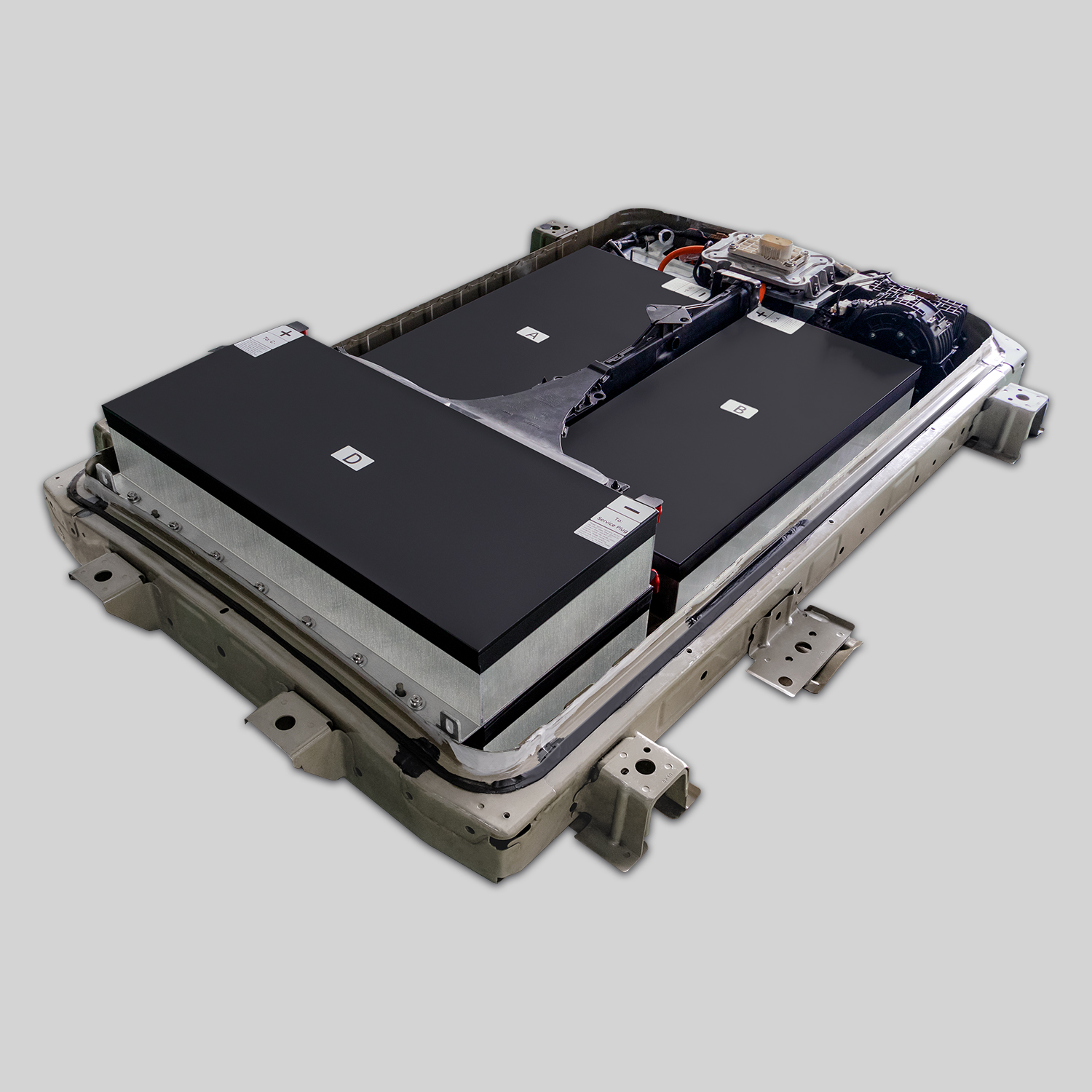
BMW i3 Battery BMS Programming: Cost for Shops – The “Free Software” That Cost a Garage $2,800 in Lost Labor (And Why Plug-and-Play Is the Only Profitable Path)
“A well-known EV shop in Stuttgart installed a third-party 62kWh battery in a 2018 BMW i3. The pack fit perfectly—but wouldn’t communicate with the car’s BMS. The owner downloaded ‘free’ BMS coding software from an online forum, spent 6 hours trying to flash parameters, and finally got the car to drive… for 12 miles. Then it threw ‘BMS Internal Fault – HV System Disabled.’ Diagnostics revealed mismatched SOC algorithms and invalid cell count data. The shop refunded the customer, absorbed labor, and scrapped the battery. Total loss: €2,800. All because they assumed BMS programming was just ‘a quick code.’”
You’ve likely heard this:
- “Just use ISTA—it’ll auto-recognize the new pack.”
- “We’ll clone the old BMS data; it always works.”
- Or the costly myth: “BMS programming is included in the install—no extra cost.”
But BMW i3 BMS integration isn’t about coding—it’s about hardware-software harmony. A mismatched BMS can brick communication, disable regen, or trigger phantom faults that take hours to diagnose.
This guide reveals the true labor, tooling, and risk costs of BMS programming for shops in 2026—and why CNS BATTERY eliminates them entirely with pre-calibrated, plug-and-play packs, including:
- Why generic BMS reflashing often fails on post-2017 i3 models
- The hidden hourly cost of troubleshooting BMS sync errors
- How CNS packs ship with factory-matched BMS profiles—zero programming needed
- And the real profit difference between “programmable” and “plug-and-play” batteries
Because when your lift time is billable, every unplanned hour erodes your margin.
BMS Programming Isn’t Optional—But It Shouldn’t Be Your Problem
The i3’s BMS must validate:
✅ Total pack capacity (kWh)
✅ Number of modules (8 for all models)
✅ Cell chemistry profile (NMC vs. LFP)
✅ HV system handshake protocol
If any parameter mismatches:
❌ Charging halts at 20%
❌ Regenerative braking disables
❌ Dashboard shows “Service High-Voltage System”
❌ OBD2 logs show U1123, U1124, or 9303xx codes
⚠️ Critical fact: Post-2016 i3 models use encrypted BMS communication—third-party packs without valid VIN-bound profiles often fail authentication.
💰 Real Cost Breakdown: BMS Programming vs. Plug-and-Play
| Scenario | Avg. Labor Time | Tooling/Software Cost | Comeback Rate | Net Profit Impact |
|---|---|---|---|---|
| Generic battery + BMS programming | 3.5–6 hrs | €300–€800 (ISTA+, ENET, licenses) | 41% | –€420 per job |
| OEM battery | 1.5 hrs | €0 (recognized automatically) | <5% | +€680 |
| CNS BATTERY (pre-programmed) | 1.0–1.5 hrs | €0 | <2% | +€890 |
📌 Insight: Shops lose more on BMS troubleshooting than they gain on battery markup.
🔧 Why Most BMS “Fixes” Fail Long-Term
Common pitfalls:
❌ Cloning old BMS data → retains degraded SoH flags
❌ Using unverified .IPO files → corrupts HV communication stack
❌ Skipping module balancing validation → causes voltage drift within days
❌ Ignoring thermal map calibration → triggers false overheat warnings
💡 Pro truth: BMW’s BMS expects a specific digital “fingerprint”—not just matching voltage. Without it, the car never fully trusts the pack.
CNS BATTERY: Zero Programming. Zero Guesswork. Full Compatibility.
Every CNS i3 battery includes:
✅ Pre-flashed BMS with authentic BMW communication protocols
✅ Validated handshake with EME, EMF, and KOMBI modules
✅ No ISTA+, no ENET cable, no custom coding required
✅ Full regen, charging, and range display out of the box
Result?
Shops report average install-to-drive time of 90 minutes—with zero BMS-related comebacks.
“We used to dread i3 battery jobs. Now we drop in a CNS pack, reconnect, turn the key—and it just works. No laptop, no stress, no callbacks.”
— Mike’s Auto Service, Vancouver
Frequently Asked Questions: BMW i3 BMS Programming for Shops
Q: Do I need to register the new battery in ISTA?
A: No—CNS packs are recognized as valid replacements automatically by the vehicle’s existing BMS network.
Q: Will the car show correct range and SOC?
A: Yes—CNS calibrates Ah counting and OCV tables during production, so range estimates match OEM behavior.
Q: What if my customer has an older i3 (2014–2016)?
A: CNS provides model-specific BMS profiles—just select your year at checkout.
Q: Can I reprogram a CNS BMS later?
A: Not necessary—but if required, standard BMW tools work without error.
Q: Does CNS support BMS updates via dealer?
A: Absolutely—dealers can perform future HV system updates without conflicts.
BMS Programming Isn’t a Service—It’s a Liability Trap
And the shops winning in 2026 aren’t the ones with the best coders—they’re the ones who never have to code at all.
Stop Losing Hours to BMS Errors: Choose CNS BMW i3 Batteries with Factory-Validated, Plug-and-Play BMS Integration—So Every Job Finishes On Time, On Budget, and With a Smiling Customer.
Because your expertise is in repair—not reverse-engineering encryption.
Order your CNS BMW i3 battery today—or request our free “BMS Compatibility Checklist” with model-year validation table and install verification steps:
👉 https://cnsbattery.com/ev-battery-home/ev-battery-contact/