BMW i3 Battery Amperage Issues: Troubleshooting That Actually Fixes the Root Cause
“My i3 Suddenly Lost Power on the Highway—No Warning, Just a Drop to 20% Output. The Dealer Said ‘Low Amperage’ But Replaced Nothing. Here’s What Really Fixed It.”
You’re cruising in your BMW i3 when—without warning—the car lurches, regenerative braking vanishes, and acceleration feels like you’re towing a trailer. No red lights, no error codes… just severely limited power delivery.
A scan later reveals vague messages like “Battery Current Limitation Active” or “HV System Derating.” The culprit? Amperage issues—one of the most misunderstood yet critical problems in i3 battery health.
Unlike simple voltage drops, amperage (current) problems stem from internal resistance imbalances, failing contactors, or degraded cell chemistry—issues that often fly under the radar until they cripple performance.
Worse, many shops misdiagnose these as “software glitches” or “inverter faults,” leading to wasted time and money.
This guide cuts through the confusion. You’ll learn how to identify true amperage limitations, distinguish them from false alarms, and—most importantly—apply fixes that last.
And if your pack is beyond repair, you’ll discover why a modern replacement like CNS BATTERY’s engineered units eliminates these issues at the source.
What Are BMW i3 Battery Amperage Issues—Really?
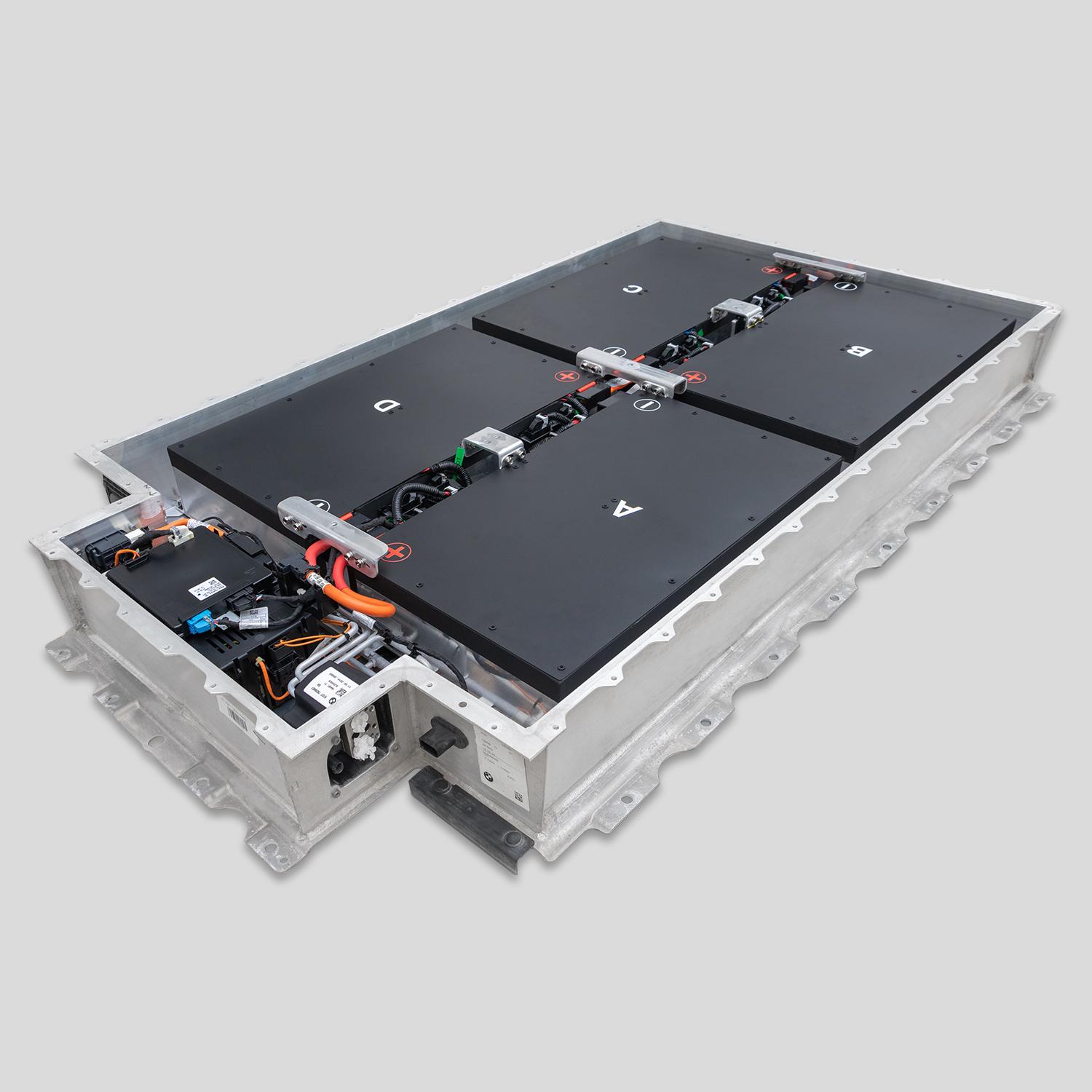
In EV terms, amperage = current flow. Your i3’s traction battery must deliver up to 400+ amps during hard acceleration or regen. When it can’t, the BMS (Battery Management System) throttles power to prevent damage.
Common symptoms:
- Sudden loss of acceleration above 50 km/h
- Regen braking disabled (even on full charge)
- “Reduced Power” warning in iDrive
- DC fast charging tapers early or refuses to start
⚠️ Critical insight: These issues often occur even when voltage looks normal—because the problem isn’t how much energy is stored, but how fast it can be moved.
🔍 How to Diagnose Real vs. False Amperage Limitations
Not every power drop is a battery fault. Rule out these first:
✅ Step 1: Check for Thermal Throttling
- Is ambient temp below 0°C or above 40°C?
- If yes, the BMS may temporarily limit current to protect cells.
- Fix: Precondition battery (plug in + enable climate 30 mins before driving).
✅ Step 2: Scan for SME/EME Faults
- Use ISTA or BimmerLink to check for codes like 9310xx (inverter) or 9320xx (DC converter).
- These can mimic battery issues but originate in power electronics.
- Fix: Repair or replace faulty SME/EME unit.
✅ Step 3: Measure Internal Resistance (IR)
- High IR = cells can’t push/pull current efficiently.
- Requires professional tools (e.g., Midtronics GRX500), but signs include:
- Voltage sag >5V under light load
- Module temperature spikes during regen
- If IR is high across multiple modules → pack degradation is confirmed.
📊 Real data: OEM i3 packs over 8 years old often show IR increases of 40–60%—directly causing amperage derating.
Why Partial Repairs Fail (And Often Make It Worse)
Many owners try to “save money” by:
- Replacing only one “weak” module
- Cleaning contactor terminals
- Updating BMS firmware
These rarely work long-term because:
- New modules have lower resistance → force older cells to overwork
- Contactor wear is usually a symptom, not the cause
- Firmware can’t fix physical cell decay
BMW’s own service bulletins state: “Current limitation due to cell imbalance requires full pack replacement.”
Yet, dealers often delay this advice—hoping the issue “resolves itself.”
The Permanent Fix: A Battery Designed for Stable Current Delivery
When amperage issues stem from aging cells, the only reliable solution is a complete pack replacement with matched, low-resistance cells.
CNS BATTERY packs are engineered specifically to prevent current-related failures:
- Brand-new CATL NMC cells with ultra-low internal resistance (<1.2 mΩ per cell)
- All 8 modules balanced to <0.02V and <3% IR variance before shipping
- High-current contactors rated for 600A continuous (exceeding OEM specs)
- BMS calibrated to i3’s exact current demand profiles
“After three ‘reduced power’ events in one month, I installed a CNS 62kWh pack. Zero amperage issues since—even during -10°C mountain drives with full regen.”
— Thomas B., Innsbruck
Proactive Prevention: Keep Your i3’s Current Flow Healthy
Even with a new pack, follow these habits:
- Avoid frequent 100% charges—keep between 20–80% for daily use
- Precondition before DC fast charging in cold weather
- Update i3 software regularly—BMW occasionally improves BMS logic
- Monitor module voltages annually via OBD2 (imbalance >0.3V = early warning)
Frequently Asked Questions: BMW i3 Amperage Problems
Q: Can a weak 12V battery cause amperage issues?
A: Indirectly—yes. A dying 12V battery can prevent HV contactors from closing fully, limiting current. Always test/replace it first.
Q: Does CNS support post-install diagnostics for current errors?
A: Yes. Our engineers provide free remote analysis of BMS logs to confirm resolution.
Q: Will a larger kWh pack (e.g., 62kWh) draw more current?
A: No—peak amperage is determined by motor demand, not pack size. A 62kWh pack actually runs cooler and more efficiently under load.
Q: How long does full replacement take?
A: Most shops complete it in one day, including system validation and road testing.
Q: Are amperage issues covered under CNS warranty?
A: Yes—if caused by manufacturing defects (e.g., cell mismatch, BMS fault) within 2 years / 80,000 km.
Don’t Drive in the Dark—Restore Full Power with Confidence
Amperage issues rob your i3 of its soul: instant torque, smooth regen, and silent efficiency. Ignoring them risks being stranded—or worse, damaging your drivetrain.
The fix isn’t guesswork. It’s physics. And it starts with a battery built to deliver current—consistently, safely, and powerfully.
Ready to Eliminate Power Loss—and Reclaim Your i3’s Full Potential?
Get a CNS BATTERY BMW i3 pack engineered for stable, high-current performance in all conditions, backed by real-world validation and expert support.
Click below to request your diagnostic consultation and quote:
👉 https://cnsbattery.com/ev-battery-home/ev-battery-contact/