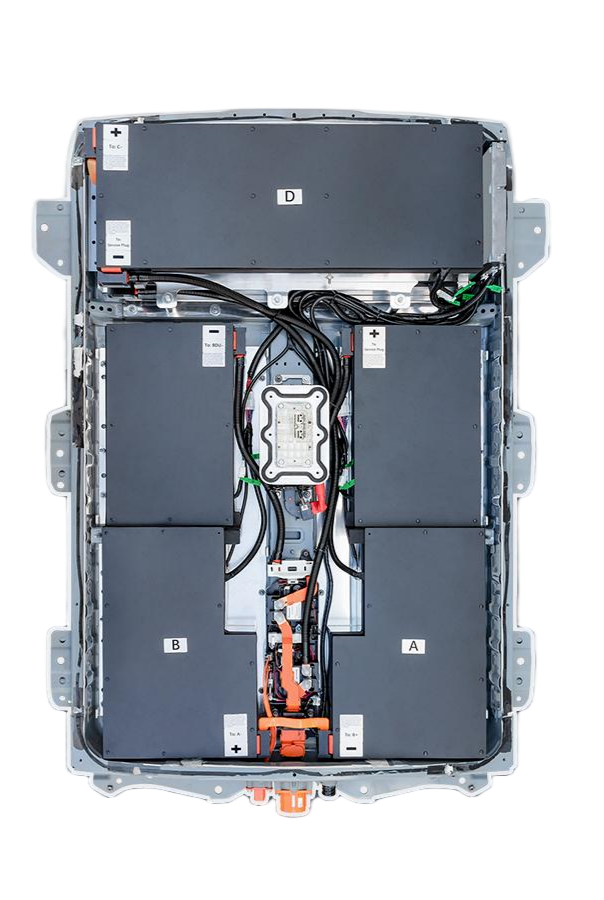
The Ultimate Guide to Replacing Your Nissan Leaf 24kWh Battery
If you are the owner of an early-generation Nissan Leaf (specifically the 2011-2015 models), you are likely facing a familiar challenge: the 24kWh battery has reached the end of its usable life. The original range of 73-100 miles has likely degraded significantly, leaving you with a vehicle that struggles to make it through a typical day.
The good news is that reviving your Leaf is no longer a financial burden. The era of paying $12,000+ for a factory replacement is over. Today, the smart choice for Leaf owners is upgrading to a brand-new, high-capacity lithium-ion battery pack from a specialized manufacturer.
This guide will walk you through why replacing your 24kWh pack is the best decision, what to look for in a replacement, and why a specific warranty policy separates the industry leaders from the rest.
Why the 24kWh Nissan Leaf is Still Worth Saving
Before diving into replacements, let us address the elephant in the room: Is a 12-year-old electric car worth fixing?
Absolutely.
The Nissan Leaf ZE0 chassis (2011-2017) is renowned for its reliability. The drivetrain, suspension, and body structure have decades of life left in them. The only component that wears out is the battery.
By replacing the old 24kWh pack, you are essentially buying a brand new electric vehicle for a fraction of the cost. Instead of scrapping a car with good bones, you can upgrade it to have modern performance.
The Problem with “Refurbished” or “Used” 24kWh Batteries
Many owners initially look for a used 24kWh pack to save money. However, this is often a false economy.
- Aged Cells: Any used 24kWh battery you find is already 8-12 years old. Lithium-ion cells degrade whether they are used or not. You are buying a product that is already on its last legs.
- Module Failure: The old 24kWh Leafs used a problematic laminated cell design that is prone to swelling and internal shorts.
- Short Lifespan: A refurbished 24kWh pack might only last you 6 months to a year before capacity drops below usable levels again.
The superior solution is to install a brand-new 40kWh, 62kWh, or even a 68kWh lithium battery pack. This not only solves the degradation issue but also increases your range by over 100%.
What to Look for in a New Leaf Battery: Safety & Warranty
When purchasing a new battery for a 12-year-old vehicle, risk mitigation is your top priority. You need assurance that the product will last and that the company will be around to honor the claim.
Here is the checklist for a trustworthy replacement:
- Brand New Cells (Not Recycled): Ensure the pack is built using brand new, Grade A cells from a top-tier manufacturer like CATL. Avoid companies using salvaged cells from报废 (scrap) EVs.
- OEM-Level BMS: The Battery Management System (BMS) must be precisely calibrated to the Nissan Leaf protocol to ensure compatibility with the dashboard and charger.
- Comprehensive Warranty: This is the most critical factor.
The Industry-Leading Warranty Standard
In the EV aftermarket, warranties vary wildly. Many small shops offer only 3-6 months. However, the industry benchmark for confidence is set by specialists who offer a 2-Year / 80,000 km (Whichever Comes First) warranty.
This specific warranty structure is powerful because:
- Longevity: 2 years covers you well beyond the “infant mortality” phase of electronics.
- Mileage: 80,000 km (approx. 50,000 miles) proves the manufacturer believes in the cycle life of their cells.
- Coverage: It should include defects in materials and workmanship, as well as prorated coverage for capacity retention (ensuring the battery holds at least 70% capacity).
Technical Specifications: Upgrading from 24kWh
When you replace your old 24kWh unit, you have three primary upgrade paths. All modern replacement packs use NMC (Nickel Manganese Cobalt) chemistry, which is far superior to the old laminated cells.
| Upgrade Option | Approx. Range (EPA) | Key Benefit |
|---|---|---|
| 40kWh | 140+ Miles | Perfect balance of cost and range. Doubles your old capacity. |
| 62kWh | 200+ Miles | The “Sweet Spot.” Equivalent to a modern base-model EV. |
| 68kWh | 220+ Miles | Maximum range. Ideal for highway driving and long commutes. |
Note: A 40kWh or 62kWh replacement pack is a direct bolt-in for the 24kWh chassis. No modifications to the car’s wiring or cooling system are required.
The Installation Process: DIY vs. Professional
One of the biggest fears owners have is the complexity of the swap. However, replacing a Leaf battery is surprisingly straightforward.
- Time Required: Approximately 1-2 hours.
- Tools Needed: Standard wrenches and screwdrivers.
- Process: Disconnect 12V battery -> Remove undertray -> Unbolt old pack -> Disconnect HV connector -> Lift out old -> Drop in new -> Reconnect.
Many owners successfully perform this swap themselves using online video guides. For those who prefer a professional touch, most standard mechanics can handle the job in under 2 hours, avoiding the exorbitant labor fees charged by dealerships.
Real-World Cost Savings
Let us look at the math. A dealership might charge $12,000 to $16,000 for a factory replacement (if they even offer it for a 24kWh model).
By choosing a specialized aftermarket manufacturer offering OEM-compatible solutions, you can expect to pay roughly 50% less than the factory price for a brand new 62kWh pack.
This means you are spending about $7,000 to get a car with 200 miles of range, rather than spending $16,000 for a car with only 80 miles of range. It is the ultimate value proposition.
Frequently Asked Questions (FAQ)
Q1: Will a new battery fit my 2013 Nissan Leaf?
Yes. Modern replacement packs (40kWh, 50kWh, 62kWh) are designed as direct drop-in replacements for the 24kWh chassis. They use the same mounting points, connectors, and cooling interfaces as the original factory packs.
Q2: What brand of cells are used in these new batteries?
Top-tier replacement manufacturers use brand new CATL (Contemporary Amperex Technology Co. Limited) cells. CATL is the world’s largest battery manufacturer and supplies cells to BMW, Tesla, and Volkswagen. These are not recycled cells; they are fresh from the factory.
Q3: How long does the warranty last, and what does it cover?
The industry-leading warranty is 2 Years or 80,000 km. This covers defects in materials and workmanship. It also includes prorated coverage for performance degradation, guaranteeing that the battery will retain at least 70% of its capacity during the warranty period.
Q4: Can I install this battery myself?
Yes, many owners do. The process is essentially heavy mechanical work (unbolting and lifting). There are no complex software rewrites needed for the Nissan Leaf; the BMS is plug-and-play. However, if you are not comfortable working with high-voltage systems, hiring a local mechanic is recommended.
Q5: How much range will I get after the upgrade?
If you upgrade from a dead 24kWh pack to a new 62kWh pack, you will see a full charge range of approximately 200 miles (depending on driving conditions and climate). This effectively transforms your old Leaf into a modern electric vehicle.
Ready to revive your Nissan Leaf with a new battery and the industry’s best warranty protection?
Get a Free Custom Quote today and see how much you can save compared to factory prices.
Contact Our Technical Experts Now