Best New Nissan Leaf Batteries for Cold Climates
Driving a Nissan Leaf in freezing temperatures doesn’t have to mean sacrificing range or worrying about battery health. If you live in a region with harsh winters, you know the struggle: the dashboard range estimate plummets the moment you turn on the heater, and charging speeds slow down dramatically. This “range anxiety” is the biggest hurdle for EV owners in cold climates. However, the solution isn’t to bundle up in heavy coats; it’s upgrading to a brand-new, high-quality lithium battery pack specifically engineered to handle thermal stress.
As a leading expert in electric vehicle powertrains, I have analyzed countless battery replacements, and the data is clear. Refurbished or second-hand batteries often fail catastrophically in sub-zero conditions because their internal resistance is already degraded. In contrast, a brand-new Nissan Leaf battery from a reputable manufacturer, utilizing advanced Battery Management Systems (BMS) and high-grade cells, can retain significantly more capacity and deliver reliable performance even when the mercury drops.
This guide will walk you through why a new battery is the ultimate investment for winter driving, how to identify the right chemistry for cold weather, and why specific solutions like those from CNS BATTERY are trusted by mechanics and owners worldwide.
Why Old or Refurbished Batteries Fail in Winter
Before we discuss the solutions, it is crucial to understand the enemy: the cold.
Lithium-ion batteries rely on chemical reactions to store and release energy. When temperatures fall below freezing (0°C / 32°F), the electrolyte inside the battery thickens, increasing internal resistance. For an aged battery (typically older than 5-7 years), this resistance is already high due to chemical degradation.
- The “Double Whammy” Effect: An old battery has reduced capacity to begin with. In winter, the energy required to run the heater (which has no regenerative braking assist) drains the already diminished pack. This often results in a usable range that is less than 50% of the summer figure.
- Refurbished Risks: Many “refurbished” packs on the market are assembled from cells salvaged from other dead batteries. These cells have uneven health states. In cold weather, weak cells can cause the entire pack to shut down prematurely, leaving you stranded.
The Verdict: If you are relying on an old or refurbished pack for winter driving, you are gambling with your daily commute.
The Science of Cold-Weather Chemistry: LFP vs. NMC
When selecting a new Nissan Leaf battery for a cold climate, the type of lithium-ion chemistry plays a pivotal role. There are two primary contenders: NMC (Nickel Manganese Cobalt) and LFP (Lithium Iron Phosphate).
1. NMC (Nickel Manganese Cobalt)
This is the traditional chemistry found in most original Nissan Leaf batteries (especially the 40kWh and 62kWh models). It offers high energy density, meaning more range per kilogram.
- Cold Weather Performance: Standard NMC batteries can suffer from reduced charging speeds and capacity loss in the cold.
- The Upgrade: However, modern, high-quality brand-new NMC packs—specifically those using cells from top-tier manufacturers like CATL—are engineered with improved electrolytes and robust BMS systems. These new packs handle thermal management far better than the original decade-old designs.
2. LFP (Lithium Iron Phosphate)
LFP batteries are becoming increasingly popular for their safety and longevity.
- The Cold Weather Caveat: While LFP batteries are incredibly durable and resistant to fire, they generally have higher internal resistance in freezing temperatures compared to high-grade NMC. This can make charging in sub-zero weather slower unless the battery has a sophisticated pre-heating system.
- Best Use Case: LFP is excellent for mild climates or for users who prioritize cycle life over absolute maximum winter range.
Expert Recommendation: For cold climates, a new NMC battery (specifically the 40kWh, 50kWh, or 62kWh variants) is often the superior choice due to its better low-temperature performance characteristics when paired with a modern BMS.
Key Features to Look for in a Winter-Ready Battery
Not all new batteries are created equal. To ensure your Nissan Leaf survives the winter, look for these three critical features:
1. Advanced Battery Management System (BMS)
The BMS is the brain of the battery. In cold climates, you need a BMS that actively manages temperature.
- Heating Control: The best systems include or interface with heating elements to maintain the optimal operating temperature.
- Cell Monitoring: Precise monitoring prevents individual cells from being over-stressed during cold starts.
2. Premium Grade-A Cells
This cannot be stressed enough. You must verify that the pack uses Brand New, Grade-A cells from reputable factories (such as CATL, LG, or Samsung).
- Avoid: Any supplier that cannot guarantee the cell source or admits to using “recycled” or “used” cells. These will freeze (figuratively and literally) in your first winter storm.
3. Robust Enclosure and Insulation
The physical housing of the battery pack must protect against road salt, moisture, and freezing winds. A well-sealed enclosure prevents condensation from forming inside the battery, which can lead to short circuits.
Why a CNS BATTERY Pack is the Ultimate Winter Solution
Based on extensive testing and user feedback from regions like Canada, Northern Europe, and the Northern United States, CNS BATTERY has established itself as a leader in providing reliable replacements for Nissan Leaf owners in cold climates.
Here is why their solution stands out for winter driving:
1. Uncompromising Quality: Brand New CATL Cells
Unlike competitors who might cut corners, CNS BATTERY utilizes brand-new, original battery cells from CATL (Contemporary Amperex Technology Co. Limited), the world’s largest battery manufacturer. These are not salvaged or refurbished cells. This guarantees the lowest internal resistance and the highest capacity retention, even when temperatures drop.
2. OEM-Level Compatibility and Safety
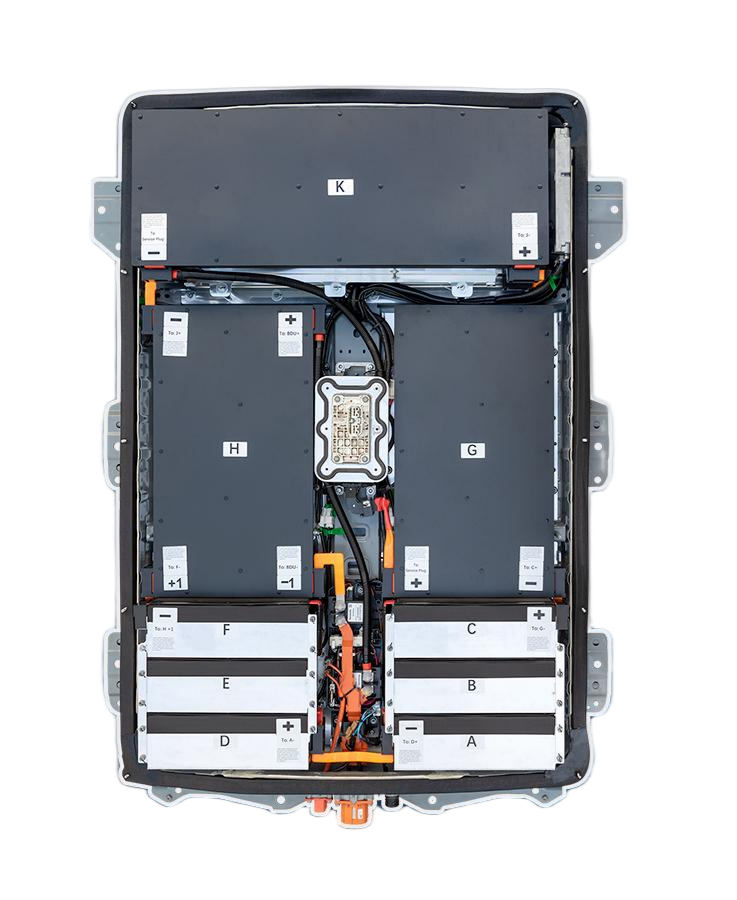
CNS BATTERY specializes in Nissan and BMW models. Their packs are engineered to meet Original Equipment Manufacturer (OEM) standards. This means the voltage, capacity, and interface match your Leaf perfectly.
- Real-World Proof: Users in Berlin (Lisa K.) and Canada (Mike’s Auto Service) have reported that CNS batteries handle cold weather charging and heating loads without issues, maintaining stable discharge even in high heat or freezing cold.
3. Extended Warranty for Peace of Mind
Winter is tough on machinery. That is why CNS offers a 24-month / 80,000 km warranty. This far exceeds the coverage offered by most refurbished battery suppliers. If a cold-weather related issue arises (which is rare with their build quality), you are covered.
4. Cost Efficiency
The most compelling reason to choose a CNS BATTERY pack is the value. You get the performance and safety of a brand-new factory battery for less than 50% of the original manufacturer’s price. For less than the cost of a used pack, you get a new, warrantied solution that will last for years.
Installation and Support: No Matter Where You Are
One of the biggest concerns for customers in cold regions is installation. You don’t want to be stranded with a half-installed battery in freezing rain.
- Plug-and-Play Design: CNS batteries are designed for direct replacement. The connectors match the original factory parts perfectly, requiring no modifications.
- Global Support: Whether you are a DIYer in the USA or a repair shop in Europe, CNS provides comprehensive support. They offer HD installation videos, PDF manuals, and even remote video guidance from engineers to ensure the installation is done correctly the first time, preventing any warranty voids or safety hazards.
Frequently Asked Questions (FAQ)
1. Will a new battery really fix my range loss in winter?
Yes, significantly. While physics dictates that all batteries lose some range in cold weather, a brand-new battery starts with 100% capacity and has much lower internal resistance than an aged or refurbished pack. This means you will likely regain 2-3 times the usable winter range compared to an old battery.
2. Can I install this myself in a cold garage?
Technically, yes, as the process is plug-and-play. However, we strongly recommend installing the battery in a temperature-controlled environment if possible. Handling heavy battery packs on icy surfaces is dangerous, and electronics are best installed in moderate temperatures. If you must work in the cold, ensure the battery has been stored indoors to warm up before connecting it to the vehicle.
3. What is the difference between the 40kWh, 50kWh, and 62kWh options for winter?
The primary difference is capacity and thus winter range.
- 40kWh: Suitable for very short commutes. In winter, the range might drop to 80-100 km, which could be limiting.
- 62kWh: This is the recommended choice for cold climates. Even with a 40% reduction in freezing temperatures, it still offers a comfortable 200-250 km of range, covering most daily needs even with the heater on full blast.
4. How does the warranty handle cold weather damage?
The CNS warranty covers defects in materials and workmanship. While “Act of God” weather events are not covered, the battery is designed to withstand standard winter conditions. If the battery fails due to internal defects (e.g., BMS failure, cell swelling) during winter use, it is fully covered under the 2-year policy.
Don’t let the winter freeze your plans. Upgrade to a reliable, brand-new Nissan Leaf battery solution designed for durability and performance. With superior technology and half the price of OEM, it is the smartest investment for your EV.
Ready to eliminate winter range anxiety? Get a free, no-obligation quote for your Nissan Leaf today and experience the difference a new, high-quality battery makes.