Best New Battery Options for Nissan Leaf Fleet 2026
Are you facing high replacement costs for your aging Nissan Leaf fleet?
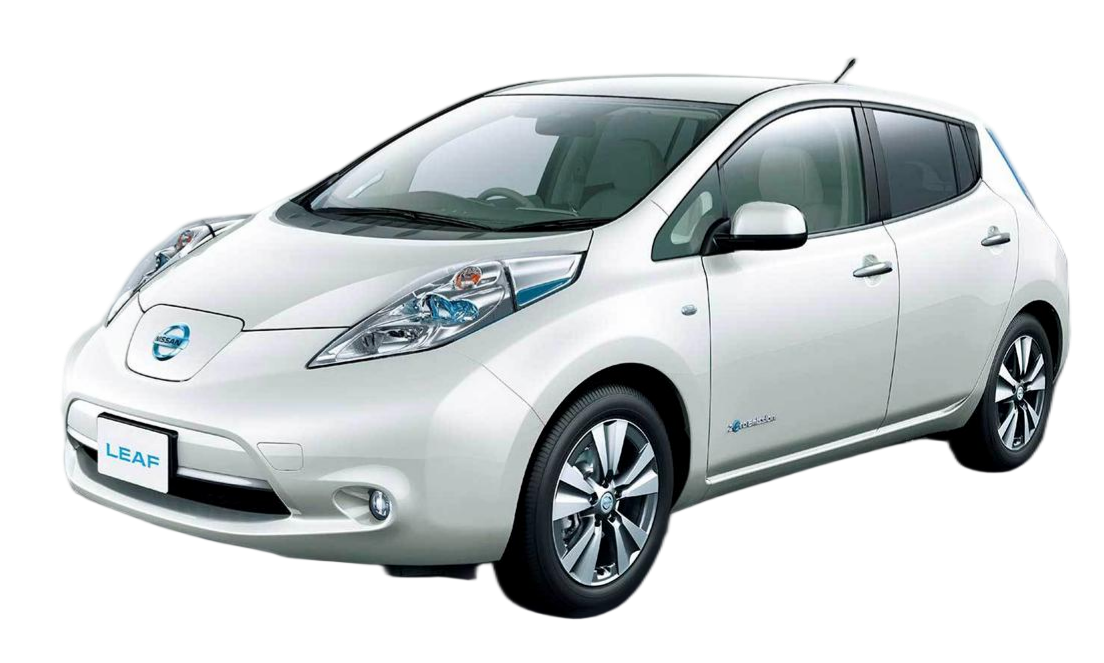
As a fleet manager or commercial operator, the 2026 deadline for clean air zones and the rising cost of living are putting immense pressure on your bottom line. When your Nissan Leaf ZE0, AZE0, or ZE1 batteries degrade—leaving you with only a fraction of the original range—replacing them with OEM (Original Equipment Manufacturer) units often costs over $15,000 per vehicle. This is simply unsustainable for fleet operations. You need a solution that is brand new, cost-effective, and compatible with your existing infrastructure.
As a specialist in the EV battery aftermarket, I have analyzed the 2026 market landscape. The solution lies in high-quality, new aftermarket battery packs that utilize premium cells. This guide will walk you through the best new battery options for your Nissan Leaf fleet this year, focusing on performance, safety, and the massive cost savings that keep your business moving.
Why “New” Matters for 2026 Fleet Reliability
When managing a fleet, reliability is king. You have likely seen offers for “refurbished” or “repaired” batteries. While they seem cheap initially, they are a gamble. Refurbished units often contain aged cells that are prone to swelling, sudden death, and rapid degradation. For a fleet manager, downtime equals lost revenue.
In 2026, the smart choice is a “New Aftermarket Battery.”
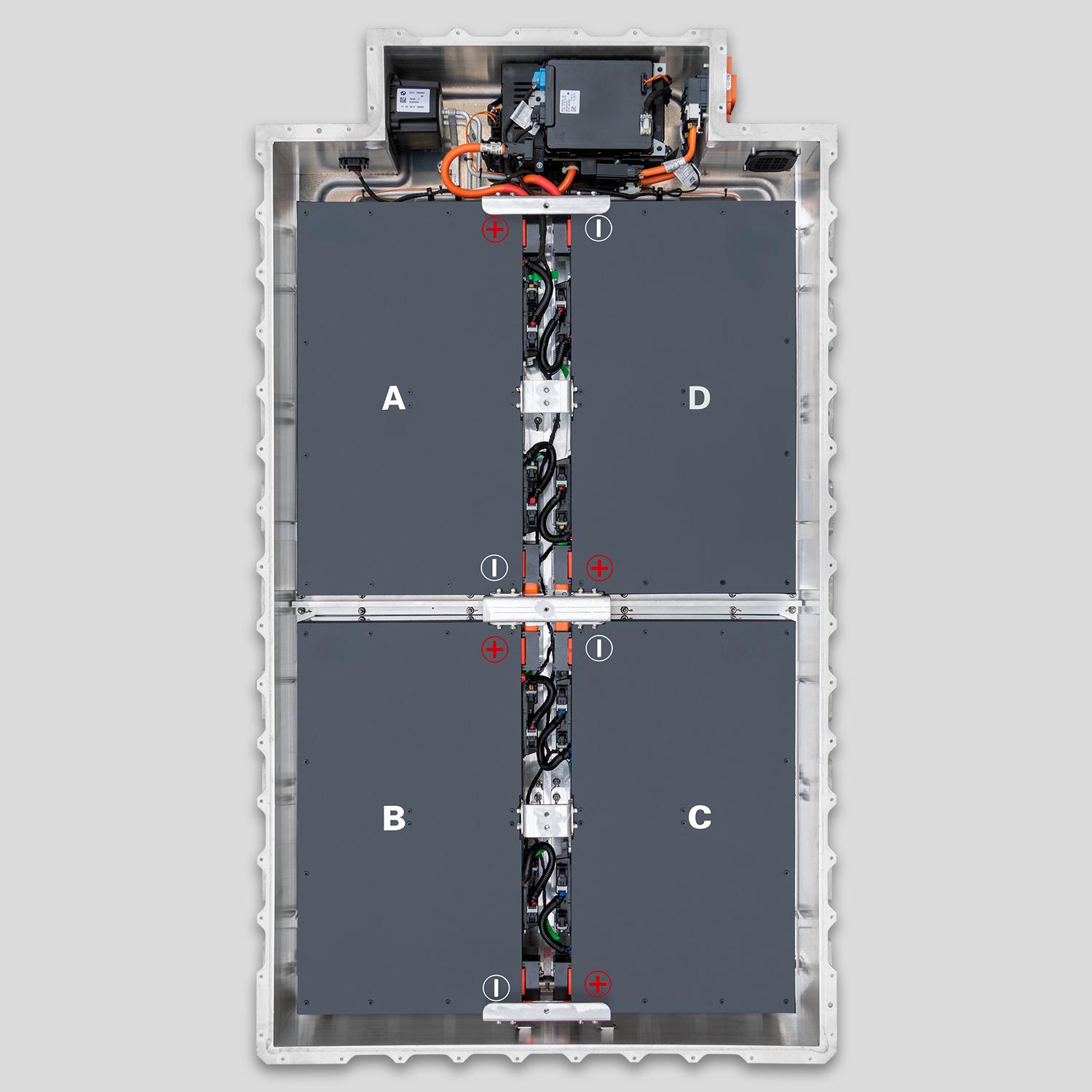
This isn’t a recycled unit. It is a brand-new casing and Battery Management System (BMS) filled with brand new, top-tier Lithium-ion cells (specifically CATL cells, the gold standard in the industry). Unlike the original Leaf batteries, which used older Lizard skin or AESC technology prone to thermal issues, these new packs are engineered with modern safety standards.
The Cost-Saving Reality Check
Let’s look at the math that protects your fleet’s budget.
| Battery Type | Estimated Cost (USD) | Warranty Coverage | Fleet Recommendation |
|---|---|---|---|
| Original OEM | $14,000 – $16,000 | Manufacturer Standard | Not Recommended: Too expensive, depreciates vehicle value. |
| Refurbished/Recycled | $3,000 – $5,000 | Often None / Short | High Risk: High failure rate, potential safety hazards. |
| New Aftermarket (CATL) | $7,000 – $9,000 | 2 Years / 80,000km | Best Choice: New hardware, 50% savings, long warranty. |
Switching to a new aftermarket solution cuts your replacement cost by more than 50% compared to the OEM, allowing you to refurbish multiple vehicles for the price of one dealership job.
Top Battery Options for Your 2026 Nissan Leaf Fleet
Depending on your fleet’s usage—whether it is for urban delivery, taxi services, or employee transport—you have different capacity needs. Here are the best options available this year.
1. The Standard Revival: 40kWh & 50kWh Packs
If your fleet primarily operates in a city center with access to daily charging, restoring the vehicle to its original specification is the most economical move.
- The Option: 40kWh or 50kWh New Lithium Battery Pack.
- The Benefit: These packs are plug-and-play compatible with the Nissan Leaf ZE0, AZE0, and ZE1 models. They are significantly lighter than the original packs and utilize advanced thermal management.
- The Specs: Using brand-new CATL cells, these packs offer a 70%+ State of Health (SOH) out of the box, compared to a used OEM pack which might start at 60% and degrade quickly. This ensures your drivers get a consistent, predictable range every day.
2. The Long-Range Upgrade: 62kWh & 68kWh Packs
For fleets that need to cover larger territories or want to minimize charging stops, upgrading to a higher capacity is the 2026 power move.
- The Option: 62kWh or 68kWh High-Capacity Upgrade.
- The Transformation: This upgrade turns your older Leaf into a pseudo “Leaf Plus.” By installing a 62kWh unit, you can achieve a real-world range of approximately 430km (267 miles) on a single charge.
- The Technology: These larger packs are specifically designed to fit within the Leaf chassis without modification. They support faster DC charging speeds, meaning your vehicles spend less time plugged in and more time generating income.
Key Features to Demand in a 2026 Fleet Battery
Not all new batteries are created equal. As an expert, I advise you to verify these specific features before purchasing for your fleet to ensure safety and longevity.
- Cell Quality (The Core): Always confirm the supplier uses brand new CATL (Contemporary Amperex Technology Co. Limited) cells. CATL is the world’s largest battery manufacturer, and their cells offer superior cycle life and thermal stability compared to obscure brands.
- Warranty Protection: A serious supplier stands by their product. Look for a warranty that covers at least 2 years or 80,000 kilometers. This should include protection against manufacturing defects and guarantee that the battery maintains at least 70% capacity over that period.
- BMS Compatibility: The Battery Management System must be fully compatible with the Nissan Leaf’s CAN bus system. This ensures seamless communication with the car’s dashboard, preventing error codes and ensuring accurate State of Charge (SOC) readings for your drivers.
Making the Switch: Support for Your Business
Transitioning your fleet to new batteries is a significant decision, and you shouldn’t have to do it alone. The best suppliers understand the unique challenges of commercial operations.
Seamless Integration:
Before you buy, you should be able to provide your Vehicle Identification Number (VIN). A professional service will offer a free compatibility assessment to guarantee the battery fits your specific model year, preventing any costly mistakes.
Installation Confidence:
Whether you have an in-house garage or use a third-party mechanic, you need support. Look for suppliers that offer comprehensive resources, including:
- Step-by-step HD installation videos.
- Real-time video call guidance from engineers (via Zoom or similar) to walk your mechanics through the process.
- 24-hour technical support to resolve any BMS programming issues instantly.
Global Logistics:
For international fleet managers, DDP (Delivered Duty Paid) service is crucial. This means the supplier handles all customs, taxes, and shipping logistics, delivering the battery directly to your door in robust, fumigation-free wooden crates to prevent damage during transit.
Frequently Asked Questions (FAQ)
Q1: Is a “New Aftermarket” battery the same as a “Refurbished” battery?
A: Absolutely not. A “Refurbished” battery is a used, old battery that has been patched up with potentially mismatched or degraded cells. A “New Aftermarket” battery, like the ones recommended here, has a brand new casing, new wiring, a new BMS, and is filled with brand new CATL cells. It is a brand new product, not a repaired one.
Q2: How long does the installation take for a fleet replacement?
A: For a professional technician, installing a new battery pack typically takes 1 to 2 hours per vehicle. The process is generally plug-and-play, meaning the connectors match the original factory design. We provide detailed video tutorials and manuals to ensure your mechanics can complete the job efficiently without the need for complex modifications.
Q3: Will this new battery work with my car’s software and dashboard?
A: Yes. The Battery Management System (BMS) in these 2026-spec packs is engineered to communicate perfectly with the Nissan Leaf’s onboard computer. You will not get error codes, and your dashboard will display the battery level accurately. In fact, because the cells are new, the charging algorithm often works more efficiently than with the original degraded battery.
Q4: What kind of warranty can I expect?
A: Reputable 2026 suppliers offer a minimum 2-year or 80,000km warranty (whichever comes first). This warranty covers defects in materials and workmanship. It also includes prorated coverage for performance degradation, ensuring your battery maintains at least 70% of its capacity during the warranty period. This is often more comprehensive than warranties offered on used OEM batteries.
Ready to Revive Your Fleet?
Don’t let battery degradation ground your Nissan Leaf fleet in 2026. By choosing a new, high-quality aftermarket battery with CATL cells, you are not just saving 50% on costs—you are upgrading to safer, more reliable technology than what was originally available.
Get a Free Custom Quote Today.
To ensure the perfect fit for your specific models, we offer a free compatibility check. Simply provide your VIN or model details, and we will confirm the exact solution for your fleet.