Best New Battery Options for High-Altitude Leaf
Living in a high-altitude region presents a unique set of challenges for Nissan Leaf owners. While the scenery might be breathtaking, the thin air and cold temperatures can be brutal on your electric vehicle’s (EV) battery performance. If you are struggling with reduced range, sluggish charging, or the infamous “Thermal Limitation” warnings, you are not alone. This guide will walk you through the best new battery options specifically engineered to handle the rigors of high-altitude driving, ensuring your Leaf performs reliably no matter how high you climb.
Understanding the High-Altitude Challenge
Before diving into the solutions, it is crucial to understand why standard EV batteries struggle at elevation.
The Science of Thin Air
At high altitudes, the air density decreases. For an EV battery, this means two significant issues:
- Cooling Efficiency: Most EVs rely on liquid cooling systems that use ambient air to dissipate heat through a condenser (similar to a gas car radiator). With less dense air, the cooling system has to work much harder to achieve the same result. If the battery overheats, the car automatically reduces power to protect the cells, leading to “limp mode.”
- Oxygen Sensors: While the battery chemistry itself does not require oxygen, the vehicle’s electronics and cabin sensors are often calibrated for sea level. This can sometimes lead to inaccurate state-of-charge (SOC) readings or thermal management system errors.
The Cold Factor
High-altitude regions are typically colder. Lithium-ion batteries are notoriously slow to charge when cold. A standard battery might take hours to warm up before it allows a fast charge, making long trips frustrating.
The Solution: New Generation NMC Lithium Batteries
To conquer these challenges, you need a battery that is not just a replacement, but an upgrade. The best option for high-altitude Leaf owners in 2026 is a new NMC (Nickel Manganese Cobalt) Lithium-ion pack.
Why NMC is Superior for Mountains
Unlike the older LMO (Lithium Manganese Oxide) chemistry found in early Leafs (ZE0), NMC batteries offer:
- Higher Energy Density: More range per kilogram, which is vital when you lose efficiency climbing steep grades.
- Better Thermal Stability: NMC cells handle temperature fluctuations better than older chemistries.
- Faster Charging: They can accept a higher charge current, allowing you to top up quickly at DC fast chargers, even in cooler mountain air.
Avoid Refurbished Units
This is critical for mountain driving. Refurbished or used battery packs are a gamble you cannot afford at high altitude. Used cells often have degraded internal resistance, making them heat up faster and charge slower. When you are facing a long, cold descent or a steep climb, a refurbished pack is more likely to trigger thermal limits or fail prematurely. A brand new, factory-built NMC pack is the only reliable choice for safety and performance.
Top Battery Options for Your Leaf
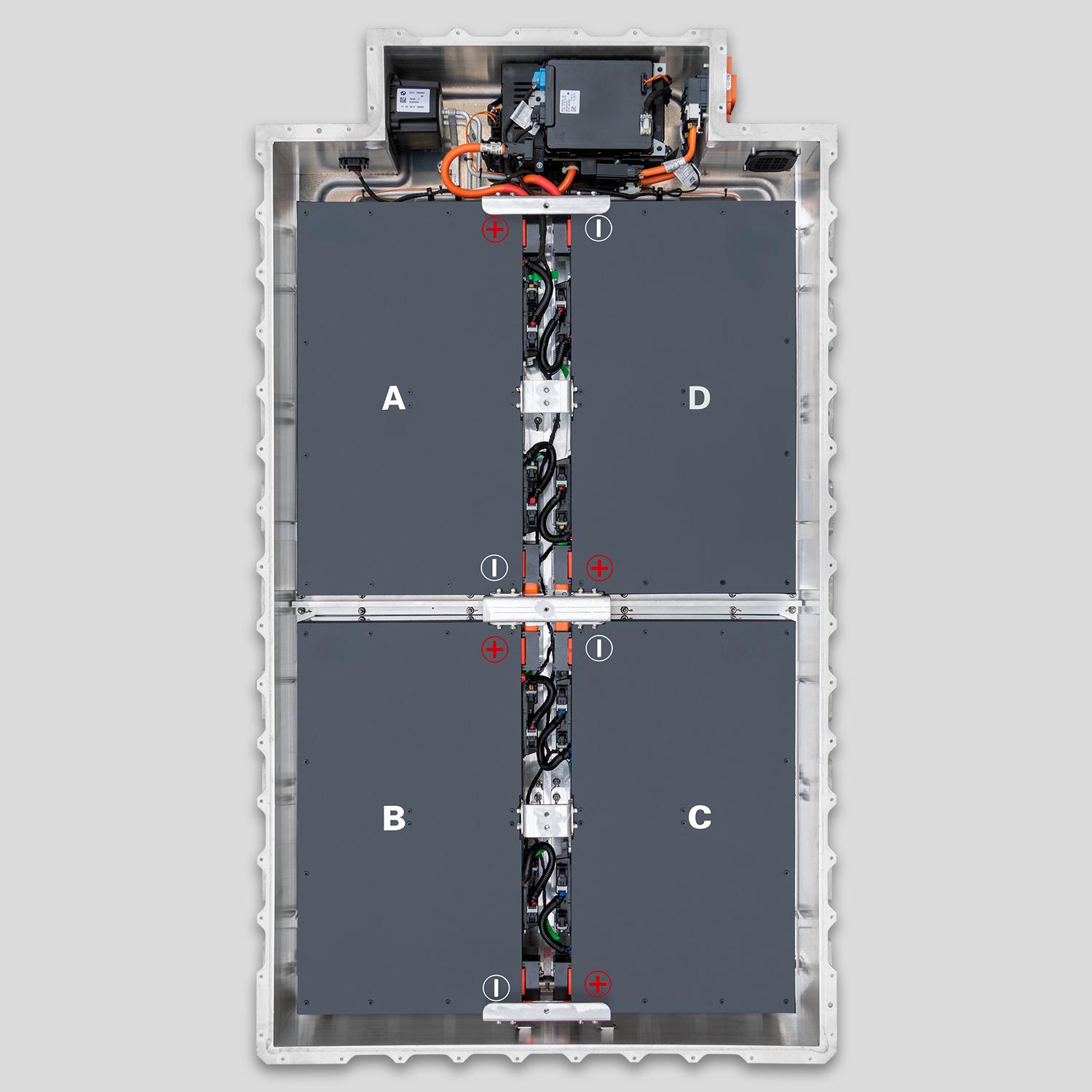
Depending on your specific Leaf model and your range requirements, there are three primary options available from leading manufacturers like CNS Battery.
1. The Standard Upgrade: 40kWh NMC Pack
- Best For: ZE0 (2011-2017) and AZE0 owners.
- Why it Works: This is the perfect entry point for high-altitude driving. It replaces the degraded 24kWh or 30kWh packs found in older Leafs. With a real-world range of approximately 140-160 km (90-100 miles) in mountainous terrain, it is sufficient for daily commutes and short trips. The smaller size also means it warms up faster in the cold, reducing thermal limitations.
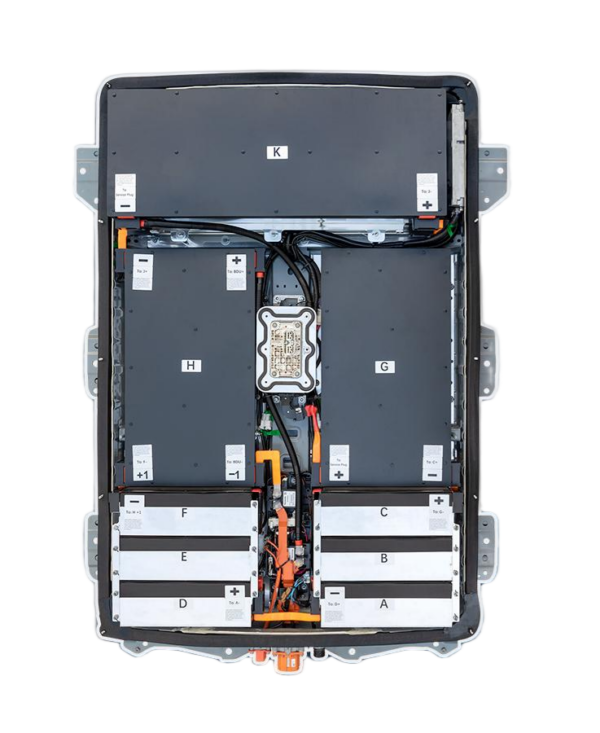
2. The Long-Range Powerhouse: 62kWh NMC Pack
- Best For: ZE1 (2018+) owners or ZE0 owners seeking maximum performance.
- Why it Works: If you live in the mountains, range anxiety is real. The 62kWh pack is a game-changer. It offers a real-world range of 260-290 km (160-180 miles) even with heater usage and elevation changes. This pack provides the “buffer” needed for unexpected detours or charging station outages. The larger capacity also means the battery management system (BMS) has more headroom to manage temperature without restricting power.
3. The Maximum Capacity: 68kWh+ Custom Packs
- Best For: Enthusiasts and those requiring cross-mountain capability.
- Why it Works: For those who want to eliminate range anxiety entirely, custom high-capacity packs (often utilizing cutting-edge CATL or similar cells) are available. These can push the range beyond 320 km (200 miles) in optimal conditions. While heavier, the trade-off is unparalleled confidence when traversing high mountain passes where charging infrastructure might be sparse.
Key Features to Look for in a High-Altitude Battery
When shopping for your new Leaf battery, do not just look at the kWh rating. Ensure the battery you choose has these specific features to handle the altitude:
- Robust Battery Management System (BMS): The BMS is the brain of the battery. It must be programmed to understand the ambient pressure changes. Look for a BMS that allows for aggressive cooling fan control to compensate for the thin air.
- Heated Cooling Plates: This is a must for cold mountain climates. A battery with integrated heating elements or a sophisticated thermal loop can warm the cells using grid power before driving, ensuring you get full power and fast charging capability immediately.
- OEM-Level Sealing: High altitudes often mean exposure to dust, snow, and moisture. Ensure the replacement pack has IP67 waterproofing to protect the sensitive electronics from the elements.
Why Choose a Premium New Pack Over OEM?
You might be wondering, “Why not just buy the battery from Nissan?” There are several compelling reasons why a premium aftermarket solution is often the better choice for high-altitude residents:
- Cost Efficiency: Original Nissan batteries are priced at a premium. A new premium aftermarket pack can save you 50% or more compared to the dealer price.
- Modern Technology: Aftermarket leaders often utilize the latest cell technology (like CATL cells) which may be more advanced than the stock components Nissan offers for older models.
- Customization: If you have specific needs for your mountain terrain, a premium supplier can often tweak the BMS parameters or offer specific thermal solutions that a one-size-fits-all OEM part cannot.
Installation and Maintenance Tips for the Mountains
Once you have your new battery, proper installation and maintenance are key.
- Professional Installation: Due to the high voltage and the complexity of recalibrating the BMS for altitude, professional installation is highly recommended.
- Pre-Conditioning: Always plug in and precondition your battery before driving in freezing temperatures. This warms the cells and opens the thermal window for charging.
- Monitor Coolant Levels: Ensure your vehicle’s external radiator and coolant levels are topped up. Since the car will be working the radiator harder to cool the battery in thin air, you cannot afford any restrictions in the cooling system.
Conclusion
Living at high altitude does not mean you have to sacrifice your EV lifestyle. By choosing a brand new, high-quality NMC lithium battery pack designed for performance and thermal management, you can transform your Nissan Leaf into a capable mountain machine. Forget the limitations of old, refurbished packs; invest in new technology that offers the range, power, and reliability you need to conquer any peak.
Ready to upgrade your Leaf for high-altitude performance? Get a free custom quote today and speak to a technical expert about the best battery solution for your mountain driving needs.
Get Your Free Custom Quote Now
Frequently Asked Questions (FAQ)
Q1: Will a new battery fix the “Thermal Limitation” error in my Leaf?
A: While a new battery with healthy cells and a robust BMS significantly reduces the chances of thermal errors, the “Thermal Limitation” message is often triggered by the vehicle’s external radiator and cooling fans struggling in thin air. However, a new battery runs cooler and more efficiently than an old, degraded one, which helps the overall system manage heat better.
Q2: Can I install a larger battery (like a 62kWh) in my older Leaf (ZE0)?
A: Yes, this is a very popular and effective upgrade. Swapping a 24kWh or 30kWh ZE0 Leaf for a 40kWh or even a 62kWh pack from a newer model is a common practice. It not only doubles your range but also upgrades you from the older LMO chemistry to the more stable NMC chemistry, which is much better suited for high altitudes.
Q3: How much range will I lose driving in the mountains?
A: This varies based on terrain and temperature. Generally, expect a 20-30% reduction in range when driving in steep, high-altitude areas due to the energy required for climbing and the use of heating systems. When planning trips, always assume your range is 30% less than the advertised figure to stay safe.
Q4: Are these batteries safe to ship to high-altitude locations?
A: Yes. Reputable suppliers ship batteries worldwide using DDP (Delivered Duty Paid) services. They handle all customs and use specialized packaging (like fumigation-free wooden crates) to ensure the battery arrives safely, regardless of your location.