Here is the SEO-optimized article tailored for Nissan Leaf owners in high-altitude regions, written from the perspective of a CNS BATTERY expert.
Best New Battery Options for High-Altitude Nissan Leaf
Are you struggling to keep your Nissan Leaf running in the mountains? If you live in Denver, Salt Lake City, or any high-altitude region, you know the standard Nissan Leaf batteries suffer. The thin air and steep grades drain power rapidly, leaving you with “range anxiety” even on short commutes. You need a heavy-duty, high-capacity battery upgrade specifically designed to handle the unique stress of mountain driving.
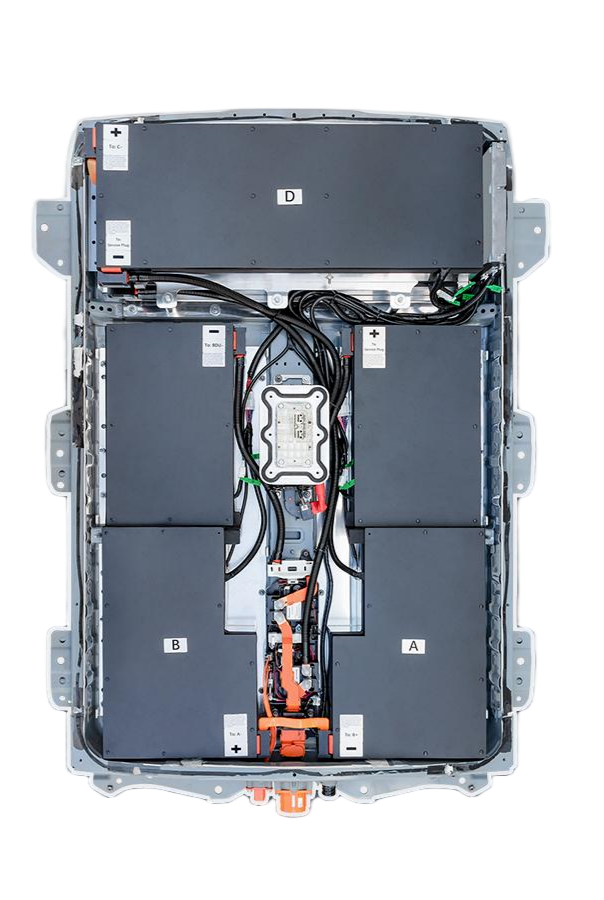
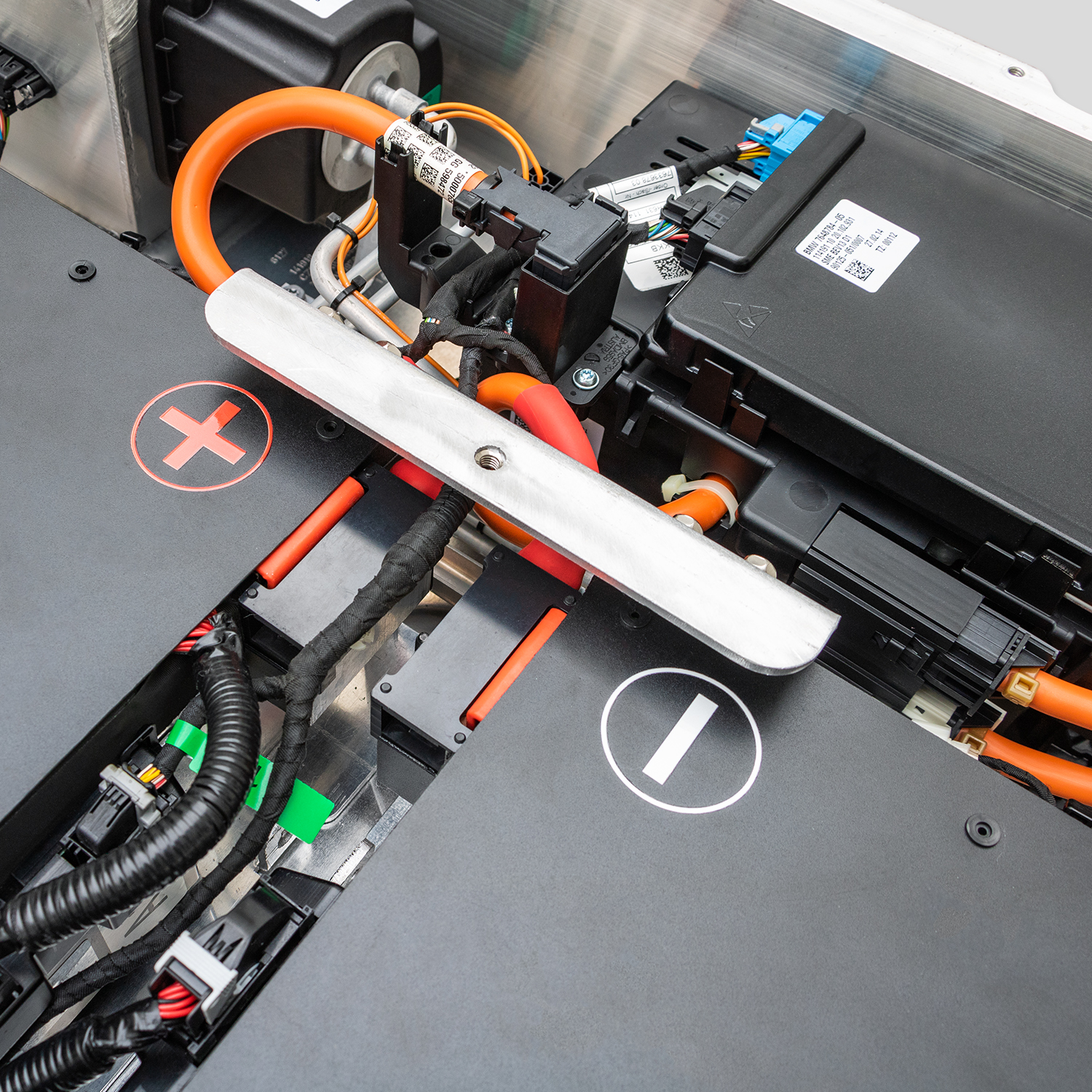
As a leading manufacturer specializing in Nissan EV batteries, CNS BATTERY understands the engineering limits of the original Leaf packs. We have spent over a decade researching thermal management and energy density. Our solution? New, high-performance LFP (Lithium Iron Phosphate) battery packs utilizing brand-new CATL cells. These aren’t just replacements; they are upgrades engineered to deliver 20% to 30% more real-world range and superior heat resistance compared to the factory Leaf batteries.
If you are tired of watching your range drop from 150 miles to 70 miles the moment you leave the city, this guide will show you the best new battery options for high-altitude Leaf ownership.
Why Standard Nissan Leaf Batteries Fail at High Altitudes
Before we discuss the best new options, let’s understand why your current battery is struggling. High-altitude driving creates a “perfect storm” for battery drain:
- The “Suck, Squish, Bang, Blow” Effect: Internal combustion engines lose horsepower at altitude due to thinner air. While electric motors don’t suffer this way, the regenerative braking systems on the Leaf become less effective on long downhill stretches, forcing you to use friction brakes and wasting energy.
- Cabin Heating Demand: At high elevations, temperatures are colder. Heating the cabin with a resistive heater (common in older Leafs) drains the battery significantly faster than using the AC.
- Aerodynamic Drag: Highways leading to the mountains often involve steep inclines. Climbing elevation requires massive amounts of energy, and the Leaf’s smaller battery packs (24kWh, 30kWh, 40kWh) simply don’t have the reserve capacity.
The Verdict: If you are running a 40kWh pack or less, you are driving on “borrowed time” in the mountains. You need a high-capacity upgrade.
The Ultimate Upgrade: 62kWh & 68kWh LFP Battery Packs
For high-altitude Leaf owners, the only viable solution is to maximize energy storage and thermal stability. We recommend upgrading to a 62kWh or 68kWh Lithium Iron Phosphate (LFP) battery pack.
Unlike the standard NMC (Nickel Manganese Cobalt) batteries that came in your Leaf, LFP chemistry is inherently safer and more thermally stable. This is critical for mountain driving, where the battery is under constant stress and heat generation is a risk.
Here is why the CNS 62kWh/68kWh LFP pack is the best new option:
- Massive Range Increase: These packs offer nearly double the capacity of the standard 40kWh Leaf battery. In the mountains, this translates to a buffer that keeps you safe. While the standard pack might give you 80 miles on a mountain run, the 62kWh pack can deliver over 160 miles of real-world range.
- Superior Heat Resistance: LFP cells do not degrade as quickly when hot. If you are driving in the Colorado sun or descending steep grades, the LFP chemistry resists thermal runaway better than the original NMC packs.
- Longer Lifespan: LFP batteries typically offer 3,000 to 5,000 charge cycles. For a high-altitude driver who needs to charge more frequently, this longevity is essential.
The Power of New CATL Cells vs. Refurbished Packs
When searching for a “Best New Battery,” you will encounter two markets: refurbished OEM packs and new aftermarket packs.
Many shops will try to sell you a “rebuilt” 40kWh pack from a salvage yard. Avoid this trap. These cells are already degraded, and the cold mountain temperatures will accelerate their demise.
CNS BATTERY uses brand-new, first-life cells from CATL (Contemporary Amperex Technology Co. Limited), the world’s largest battery manufacturer. Here is the comparison:
| Feature | Refurbished OEM Leaf Battery | CNS New CATL LFP Battery |
|---|---|---|
| Cell Source | Salvaged, degraded cells | Brand New CATL Cells |
| Chemistry | NMC (Less stable when hot) | LFP (Highly stable) |
| High-Altitude Range | Poor (Drains rapidly on hills) | Excellent (62kWh+ capacity) |
| Warranty | Often None or 6 Months | 2 Years / 80,000 km |
| Cost | High (Due to labor) | 50% less than OEM |
Why Choose CNS BATTERY for Your Upgrade?
At CNS, we don’t just sell batteries; we engineer solutions for extreme conditions. As a manufacturer based in Zhengzhou (a city surrounded by mountains and plateaus), we test our batteries in environments similar to the Rockies.
Our Commitment to You:
- OEM-Level Fitment: Our packs are designed to fit the Nissan Leaf chassis (ZE0, ZE1, AZE0) perfectly. There is no hacking, cutting, or modification required. It is a direct drop-in replacement.
- Mountain-Grade BMS: Our Battery Management System (BMS) is programmed to handle the voltage fluctuations common in high-altitude charging stations.
- Unbeatable Value: We save you 50% compared to Nissan dealer prices, allowing you to keep your Leaf on the road for thousands of dollars less than buying a new EV.
Installation and Support
We understand that replacing a battery can seem daunting. However, our design philosophy is “Plug and Play.”
- Compatibility Check: Before you buy, contact our technical team. Send your VIN, and we will confirm the perfect fit for your specific Leaf model year.
- Installation: The process takes a professional mechanic roughly 1-2 hours. We provide detailed video tutorials and PDF manuals.
- Warranty: Every pack comes with a 2-year / 80,000 km warranty. If you encounter a fault, our team provides remote video guidance to diagnose the issue immediately.
Conclusion
Don’t let high-altitude living force you to trade in your Nissan Leaf. With a new 62kWh LFP battery pack from CNS BATTERY, you can conquer the mountains with confidence. You gain the range you need, the safety of new CATL cells, and the peace of mind of a factory-grade warranty.
Ready to upgrade your Leaf for high-altitude performance?
Get a Free Custom Quote for your Nissan Leaf Battery today.
Frequently Asked Questions (FAQ)
Q1: Will a new 62kWh battery physically fit in my older Nissan Leaf (2011-2017 models)?
Yes. Our battery packs are engineered with OEM standards in mind. While the capacity is increased, the external dimensions, mounting points, and connector interfaces are designed to match the original Leaf chassis specifications perfectly. No modifications to the vehicle body are required.
Q2: How does the LFP chemistry handle cold weather compared to the original battery?
LFP batteries generally perform better in cold climates than NMC batteries when properly managed. However, we strongly recommend our packs be used with a pre-heating function (available in the BMS settings) to ensure optimal charging efficiency in sub-zero temperatures.
Q3: What is the expected lifespan of the new CATL LFP battery in mountainous terrain?
Due to the high depth of discharge (DoD) required for mountain driving, the robust LFP chemistry is ideal. With proper maintenance, you can expect the battery to last well beyond 10 years or 200,000 miles, even under the stress of high-altitude commuting.
Q4: How long does shipping take to the USA or Europe?
We offer DDP (Delivered Duty Paid) service. Shipping times vary depending on the method chosen (air vs. sea). For urgent high-altitude needs, we recommend expedited air freight, which typically takes 7-10 business days to the USA or EU.
Q5: Do I need to reprogram my car’s dashboard after installing the new battery?
Yes, a minor software update or reprogramming of the BMS and vehicle interface is usually required to display the new capacity (e.g., 62kWh) correctly. Our technical support team provides remote video guidance to assist with this programming process to ensure your dashboard accurately reflects the new battery’s health and range.
Contact our technical experts now for customization.
Get a Free Custom Quote