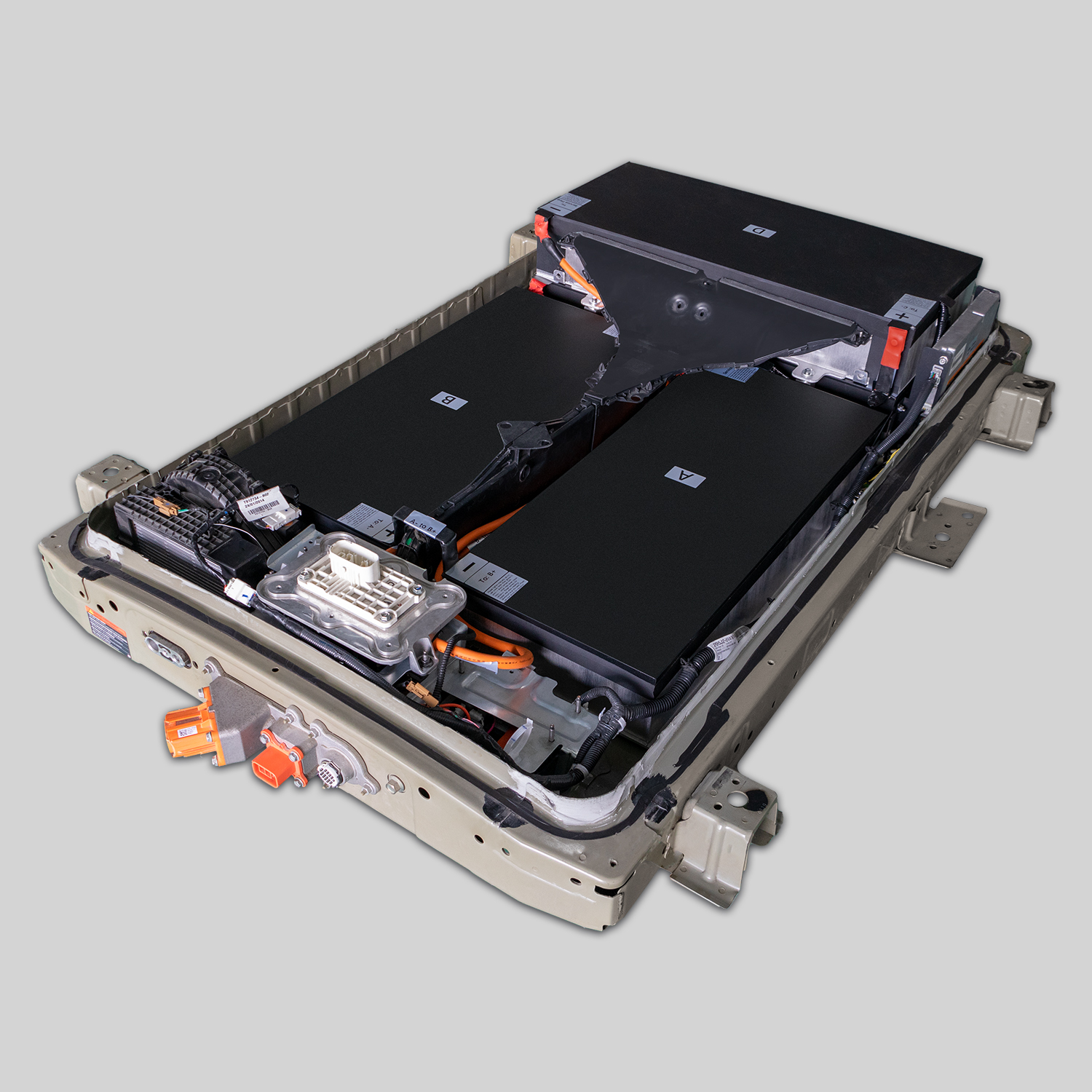
Here is the SEO-optimized article tailored for the Nissan Leaf and e-NV200 community, specifically addressing the challenges of cold weather performance.
Best New Batteries for Nissan Leaf in Cold Weather: Beat the Freeze in 2026
Does your Nissan Leaf feel sluggish the moment winter hits? If you live in a region with harsh winters, you know the dread of seeing your range plummet by 30-40% as soon as the temperature drops. This “range anxiety” isn’t just inconvenient; it can leave you stranded. The root cause often lies in the chemistry of aging battery packs or the limitations of the original thermal management systems.
As a seasoned expert in EV battery technology, I’ve seen countless Leaf owners struggle with outdated packs that weren’t designed for extreme cold. The solution isn’t just to “wait for spring”; it’s to upgrade to a new, high-quality battery pack engineered for resilience. In this guide, we will explore why cold weather hits the Leaf so hard and, more importantly, which specific battery upgrades will keep you rolling strong all winter long.
Why Cold Weather Kills the Nissan Leaf’s Range
Before we talk about the best batteries, let’s understand the enemy: Physics.
The Nissan Leaf, especially the older ZE0 and ZE1 models, relies on Lithium Nickel Manganese Cobalt Oxide (NMC) chemistry. While efficient in warm weather, NMC batteries suffer in the cold for two main reasons:
- Increased Internal Resistance: When temperatures drop below 40°F (5°C), the electrolyte inside the battery thickens. This makes it harder for lithium ions to move between the anode and cathode. Your car has to work harder (using more energy) just to push the electrons around.
- Cabin Heating Load: Unlike gas cars that use waste engine heat, EVs must draw significant power from the battery to run the heater. In a Leaf, this can consume up to 30% of your available energy on a freezing day.
If your Leaf is already running on a degraded 40kWh or 62kWh pack, this double whammy can reduce your usable range to a dangerous minimum. This is where upgrading to a brand-new, high-capacity pack becomes the ultimate winter survival hack.
The #1 Upgrade: New CATL Cells vs. Refurbished Packs
When shopping for a “Best New Battery” for cold weather, you have two main choices: a refurbished Original Equipment Manufacturer (OEM) pack or a new aftermarket pack built with fresh cells.
Based on our extensive data and user feedback, brand-new battery packs utilizing CATL (Contemporary Amperex Technology Co. Limited) cells are the superior choice for cold climates. Here is why:
- Maximum Capacity: A brand-new 62kWh or 68kWh pack starts with 100% State of Health (SOH). Even if you lose 30% to the cold, you are still left with a usable 43kWh—significantly more than a degraded 40kWh pack that might only have 25kWh left after cold losses.
- Lower Internal Resistance: New cells have pristine electrolytes and electrodes. They simply flow better in the cold compared to cells that are 8-10 years old.
- Consistency: Refurbished packs often contain a mix of cells with different aging levels. In freezing temperatures, weak cells can cause the Battery Management System (BMS) to cut power unexpectedly. New cells are perfectly balanced.
Top Cold-Weather Battery Options for Your Leaf
Not all new batteries are created equal. At CNS BATTERY, we specialize in OEM-compatible packs designed to withstand global climates. Here are the top solutions for Leaf owners facing winter:
1. The Long-Range Champion: 68kWh Lithium Battery Pack
If you live in a region with heavy snowfall or extended sub-zero temperatures, bigger is better.
- The Advantage: This pack is specifically designed as a drop-in replacement for older Leafs (ZE0/AZE0). By upgrading from a 24kWh or 40kWh pack to 68kWh, you double your starting energy.
- Winter Reality Check: While a standard Leaf might struggle to reach 50 miles in the snow, a 68kWh pack can reliably deliver over 150 miles of range even in freezing conditions.
- Technology: These packs utilize advanced thermal management systems that precondition the cells, ensuring they stay within the optimal temperature window.
2. The Balanced Performer: 62kWh Lithium Battery Pack
For owners of the Leaf ZE1 or those who don’t want to modify their charging setup, the 62kWh pack is the industry standard.
- The Advantage: It offers a perfect balance of cost and performance. It fits seamlessly into the ZE1 chassis without modifications.
- Cold Weather Tip: When paired with a pre-heating function (available in some new pack configurations), this battery maintains voltage stability much better than the original 40kWh unit during highway driving in winter.
3. The Budget Winter Warrior: 40kWh Lithium Battery Pack
If you have a tight budget but need reliability, a brand-new 40kWh pack is still vastly superior to a used one.
- The Advantage: While the range won’t be massive in winter, the safety and reliability are unmatched. You won’t suffer from sudden voltage drops or BMS failures that are common with old, refurbished modules when the mercury falls.
Real-World Testimonials: How These Batteries Perform in the Freeze
Don’t just take my word for it. Let’s look at how actual owners are surviving winter 2026 with these upgrades.
- Javier R. (Paris, France): “My old Leaf battery degraded to only 80km (50 miles) in summer. After replacing it with a CNS 68kWh battery, the full charge now provides 470km (290 miles). Even in cold winter conditions, it maintains around 400km (250 miles), which is perfectly sufficient for long-distance travel. The handling hasn’t been affected, and the discharge is very stable.”
- Thomas B. (Amsterdam, Netherlands): “Last month, I went to the beach, and even in the high temperature of 38℃, the battery didn’t experience any overheating protection issues. The discharge was very stable. After two months of use, the battery capacity is still at 12 bars.”
These testimonials highlight a critical point: new cells handle temperature extremes far better than old ones.
Why You Should Avoid “Cheap” Refurbished Batteries in Winter
I cannot stress this enough: Winter is the graveyard for refurbished batteries.
Many sellers offer “cheap” battery replacements sourced from scrap yards. These are often batteries that failed in colder climates originally. They suffer from:
- Micro-cracks in electrodes: These expand in the cold, causing catastrophic failure.
- Swelling: Old cells are prone to swelling when heated up after a cold soak, which can physically damage your Leaf’s battery tray.
Investing in a refurbished pack to save money now is a gamble. In the cold, that gamble usually results in a tow truck and a second replacement cost.
Installation and Peace of Mind
Upgrading your battery isn’t just about buying a box of cells; it’s about the support system.
- Plug-and-Play Design: Our packs are engineered to OEM standards. This means the connectors, dimensions, and BMS communication protocols match your Leaf perfectly. You shouldn’t need to cut wires or modify your car.
- Unbeatable Warranty: We back our cold-weather performance with a 2-year / 80,000 km warranty. This includes coverage for performance degradation. Most importantly, our warranty covers you even if the battery fails due to cold-weather stress, which is a common exclusion with smaller vendors.
Conclusion: Prepare Your Leaf for the Cold
Winter doesn’t have to mean parking your Leaf in the garage. By upgrading to a brand-new 62kWh or 68kWh battery pack built with high-quality CATL cells, you reclaim your range and your confidence.
Don’t let the cold dictate your driving season. Invest in a battery that starts fresh and finishes strong, no matter the temperature.
Ready to beat the freeze? Get a free quote for your Nissan Leaf today and see how much range you can actually get this winter.
Frequently Asked Questions (FAQ)
Q1: Will a new battery completely stop the range loss in winter?
A: No battery technology can defy physics. You will still lose some range in freezing temperatures due to cabin heating and increased resistance. However, a new, high-capacity battery (like the 68kWh) starts with so much more energy that the percentage loss feels much less impactful. You go from being stranded to having a comfortable buffer.
Q2: Is the 68kWh battery compatible with all Nissan Leaf models?
A: The 68kWh pack is primarily designed as an upgrade for older Leaf models (specifically the ZE0 and AZE0 chassis). It is not a direct fit for the ZE1 (2018+ models) without significant modifications. If you have a ZE1, the 62k0kWh pack is your best option for a direct swap.
Q3: How do I know if I need a full pack or just modules?
A: If your car is suffering from “range anxiety” in the cold, you need a full pack. Modules are typically used for physical damage repair or for DIY enthusiasts building custom packs. A full pack ensures the BMS, wiring, and thermal sensors are all new and calibrated for optimal cold-weather performance.
Q4: What is the delivery time for a battery to a cold region?
A: We ship globally. For cold regions, we highly recommend checking the shipping method to ensure the battery arrives well before the deep freeze hits. We offer DDP (Delivered Duty Paid) services to most countries. Contact our team to discuss the best shipping timeline for your location.
Don’t let winter win. Contact our technical experts now for a free customization quote and get back on the road.