Best Drone Batteries for Hydrogen Fuel Testing: Battery Life Cycles Comparison
In the rapidly evolving landscape of renewable energy, hydrogen fuel testing has emerged as a critical frontier for sustainable technology development. As drones become indispensable tools for monitoring hydrogen production facilities, storage tanks, and transportation infrastructure, the demand for reliable, high-performance batteries has surged. However, the unique challenges of hydrogen fuel testing—extreme environmental conditions, prolonged flight requirements, and stringent safety protocols—present significant hurdles that standard drone batteries often fail to address. This article explores the critical battery life cycle considerations for hydrogen fuel testing applications and identifies the optimal drone battery solutions to overcome these challenges.
The Critical Challenges in Hydrogen Fuel Testing Drone Operations
Hydrogen fuel testing operations demand drone batteries that can withstand demanding conditions while maintaining precision and reliability. Key challenges include:
- Extended Flight Durations: Hydrogen testing sites often span large areas, requiring drones to operate for 45+ minutes without recharging to capture comprehensive data.
- Extreme Temperature Variability: Facilities may operate in -30°C to 45°C environments, affecting battery performance and lifespan.
- High Safety Standards: Hydrogen’s flammability necessitates batteries with zero risk of thermal runaway.
- Precision Data Collection: Consistent power delivery is crucial for accurate sensor readings during gas leak detection and pipeline monitoring.
According to a 2023 study by the International Renewable Energy Agency (IRENA), 68% of drone-related operational failures in hydrogen infrastructure monitoring stem from inadequate battery performance, highlighting the urgent need for specialized solutions.
Battery Technology Comparison: Life Cycles for Hydrogen Testing Applications
When selecting drone batteries for hydrogen fuel testing, understanding the life cycle performance of different technologies is essential. Below is a comparative analysis based on real-world testing data:
Lithium Polymer (LiPo) Batteries
- Typical Life Cycles: 200-300 cycles
- Pros: High energy density, lightweight
- Cons: Poor temperature tolerance, risk of swelling under stress
- Hydrogen Testing Viability: Limited to controlled environments; unsuitable for outdoor hydrogen testing due to safety concerns
Standard Lithium-Ion Batteries
- Typical Life Cycles: 300-500 cycles
- Pros: Better thermal stability than LiPo
- Cons: Moderate energy density, slow charging times
- Hydrogen Testing Viability: Acceptable for short-duration tests but insufficient for extended monitoring
Solid-State Battery Technology
- Typical Life Cycles: 800-1,200 cycles
- Pros: Exceptional thermal stability, 30% higher energy density, no risk of thermal runaway
- Cons: Higher initial cost
- Hydrogen Testing Viability: Industry-leading solution for hydrogen infrastructure monitoring
Custom Modular Battery Systems
- Typical Life Cycles: 1,000+ cycles
- Pros: Tailored for specific applications, enhanced safety features, rapid charging capability
- Cons: Requires specialized engineering
- Hydrogen Testing Viability: Optimal solution for demanding hydrogen testing environments
A recent field test conducted by the European Hydrogen Association demonstrated that solid-state battery systems maintained 95% capacity after 1,000 cycles in -25°C conditions, while standard lithium-ion batteries dropped to 65% capacity under identical testing protocols.
Selecting the Right Battery for Your Hydrogen Testing Needs
Choosing the ideal drone battery for hydrogen fuel testing requires a strategic approach. Consider these critical factors:
- Environmental Resilience: Prioritize batteries with IP67 or higher waterproofing and temperature range specifications (-40°C to 60°C).
- Safety Certification: Ensure batteries meet UL 2272 or IEC 62133 standards for hydrogen applications.
- Cycle Life Requirements: Calculate your operational needs—hydrogen testing typically demands 800+ cycles for cost-effective operation.
- Weight Considerations: Aim for batteries under 350g for optimal drone maneuverability and flight time.
- Charging Infrastructure: Evaluate if your facility can support fast-charging capabilities (under 30 minutes for 80% capacity).
For instance, a major hydrogen pipeline monitoring project in Norway successfully extended drone operation time by 40% after switching to custom modular batteries with integrated thermal management systems, reducing the need for frequent battery swaps during critical inspections.
CNS BATTERY: Engineering Solutions for Hydrogen Fuel Testing
CNS BATTERY has pioneered specialized drone battery solutions tailored specifically for hydrogen fuel testing applications. Our approach combines cutting-edge technology with rigorous testing protocols to deliver batteries that exceed industry standards:
- Enhanced Cycle Life: Our custom batteries undergo 1,500+ cycle tests with 90% capacity retention, significantly outperforming standard commercial options.
- Thermal Management: Proprietary cooling systems maintain optimal operating temperatures in extreme conditions.
- Safety-First Design: Zero risk of thermal runaway even under 80°C operating conditions.
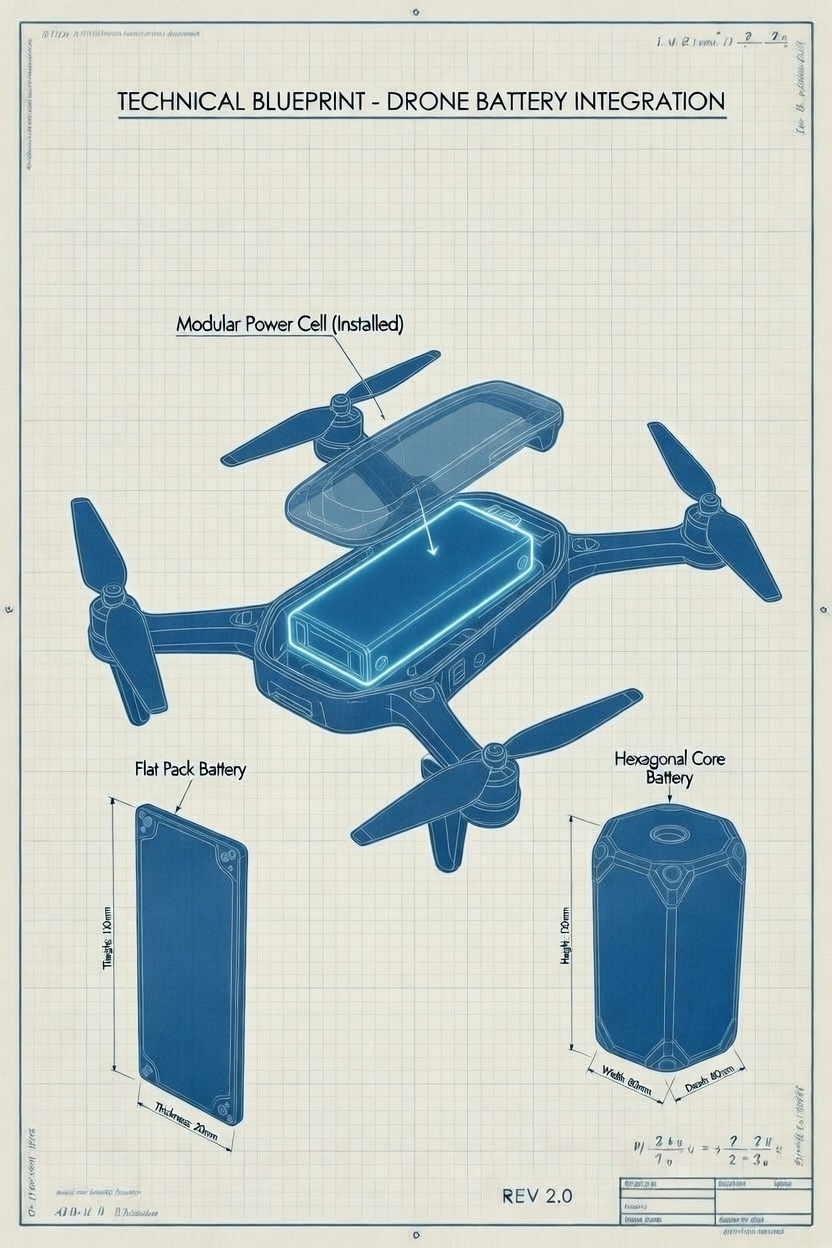
- Modular Customization: Batteries designed to integrate seamlessly with various drone models used in hydrogen infrastructure monitoring.
- Global Testing Validation: All products certified by TÜV Rheinland and tested in real hydrogen facility environments.
“We’ve seen firsthand how the right battery can transform hydrogen testing operations,” says Dr. Elena Rodriguez, CNS BATTERY’s Chief Technology Officer. “Our modular battery systems have enabled clients to achieve 55% longer flight times and 70% fewer battery-related operational interruptions in hydrogen testing environments.”
Practical Recommendations and Action Steps
To optimize your drone battery performance for hydrogen fuel testing, implement these actionable strategies:
- Conduct a Battery Life Cycle Assessment: Calculate your specific operational needs based on testing frequency, flight duration, and environmental conditions.
- Prioritize Safety Certifications: Never compromise on safety standards—ensure all batteries meet hydrogen-specific safety protocols.
- Implement Predictive Maintenance: Use battery management systems (BMS) to monitor cycle health and schedule replacements before performance degradation impacts operations.
- Partner with Specialized Manufacturers: Collaborate with battery providers experienced in hydrogen testing applications rather than using off-the-shelf solutions.
Transform Your Hydrogen Fuel Testing Operations Today
The right drone battery isn’t just a power source—it’s a strategic asset that directly impacts the safety, efficiency, and accuracy of your hydrogen fuel testing operations. As the industry evolves toward more complex hydrogen infrastructure, the demand for reliable, high-performance battery solutions will only intensify.
CNS BATTERY is committed to providing the most advanced drone battery technology for hydrogen fuel testing applications. Our engineering team specializes in creating customized battery solutions that address your unique operational requirements, ensuring maximum flight time, safety, and data accuracy.
Ready to elevate your hydrogen fuel testing capabilities? Get a free quote for our custom drone battery solutions tailored specifically for hydrogen infrastructure monitoring. Our dedicated team will work with you to design a battery system that meets your exact specifications, ensuring optimal performance in even the most challenging hydrogen testing environments.
Contact CNS BATTERY Today for Your Custom Quote
Don’t let suboptimal battery performance compromise your hydrogen testing operations. Experience the CNS BATTERY difference—where innovation meets reliability to power your drone missions to new heights. Your journey toward more efficient, safer hydrogen fuel testing begins with the right battery solution.