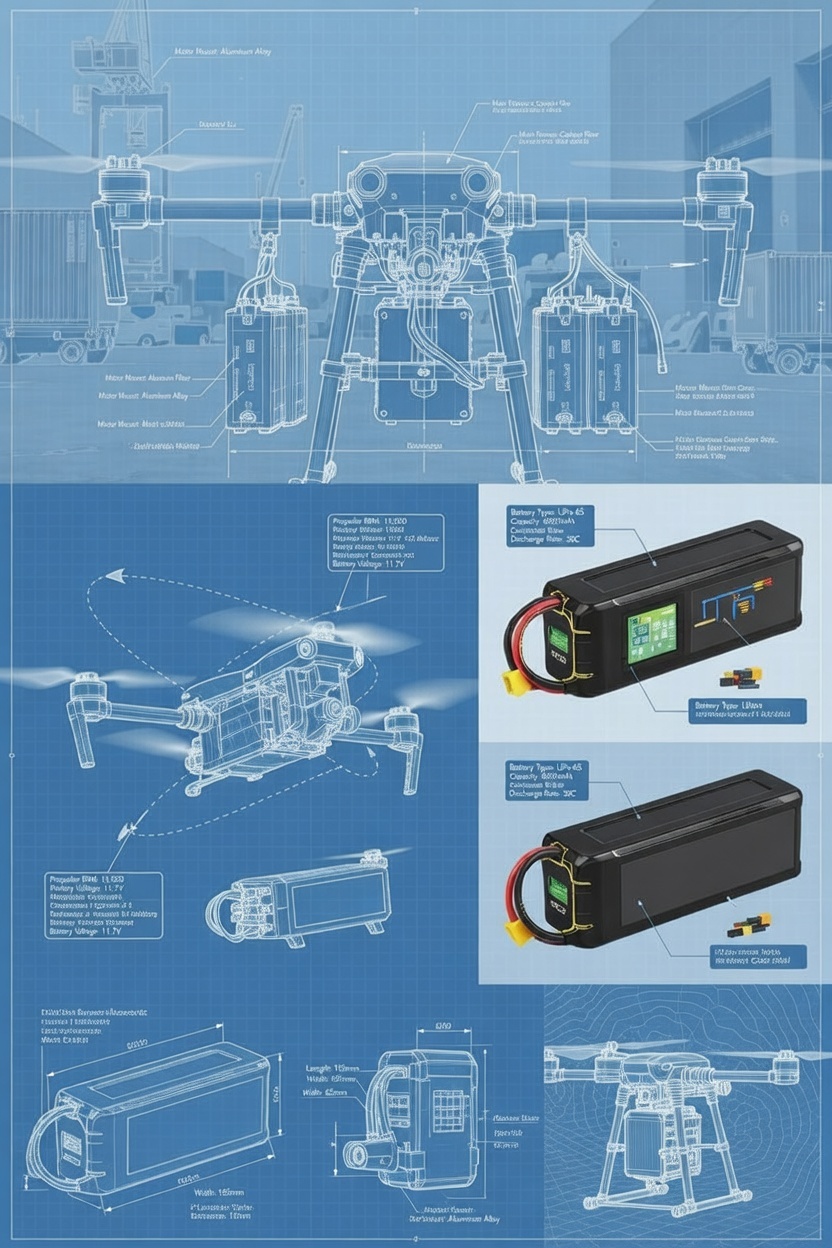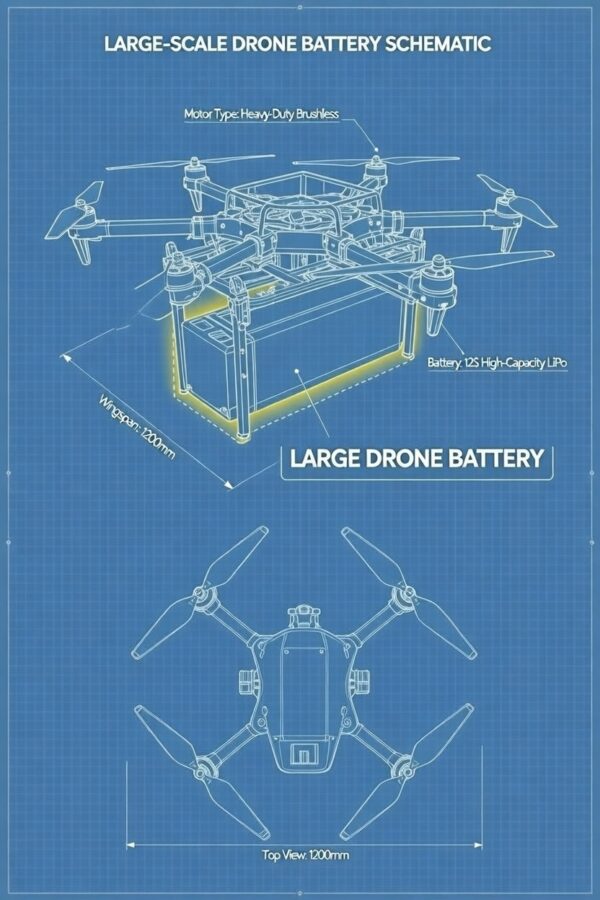
In the high-stakes world of professional filmmaking and aerial photography, every second counts. A dead battery mid-shoot can cost thousands in lost time and opportunities. That’s why understanding Battery Management System (BMS) features has become critical for production teams investing in drone technology. This comprehensive guide breaks down what makes drone batteries truly professional-grade and how advanced BMS technology can transform your aerial workflow.
Why BMS Technology Matters for Professional Drone Operations
The Battery Management System serves as the intelligent brain behind every high-performance drone battery. For film crews working in demanding environments—from desert landscapes to mountain peaks—BMS features determine whether a shoot succeeds or fails. Modern professional drone batteries integrate sophisticated monitoring systems that track voltage, current, and temperature in real-time, calculating State of Charge (SOC) and State of Health (SOH) with remarkable precision.
Professional cinematographers understand that reliable power isn’t just about capacity. It’s about predictability. Advanced BMS technology provides accurate flight time estimates, prevents unexpected shutdowns, and protects expensive equipment from power-related failures. When you’re capturing once-in-a-lifetime shots at golden hour, there’s no room for battery guesswork.
Key BMS Features Every Film Team Should Evaluate
Cell Balancing Technology
Cell balancing ensures all battery cells charge and discharge uniformly. Without this feature, individual cells can become imbalanced, reducing overall capacity and creating safety risks. Professional-grade drone batteries employ active balancing systems that continuously monitor each cell’s voltage, redistributing energy as needed. This technology extends battery lifespan by 30-40% compared to basic systems, making it essential for teams shooting multiple days without access to charging facilities.
Thermal Management Systems
Temperature fluctuations dramatically affect battery performance and safety. Premium drone batteries integrate thermal sensors throughout the battery pack, communicating data to the BMS which adjusts charging rates and power output accordingly. In extreme cold, the system may preheat cells before flight. During hot conditions, it limits discharge rates to prevent overheating. For production teams working across diverse climates, this feature ensures consistent performance whether filming in Arctic conditions or tropical environments.
Communication Protocols
Modern BMS systems support multiple communication protocols including CAN Bus, SMBus, and Bluetooth. These connections enable real-time data transmission to ground control stations and pilot displays. Film teams can monitor remaining flight time, battery health, and charging status directly through their drone’s interface. Some advanced systems even integrate with production management software, automatically logging battery cycles and maintenance schedules for fleet management.
Safety Protection Layers
Professional drone batteries incorporate multiple safety mechanisms managed by the BMS. Overcharge protection prevents cells from exceeding safe voltage limits. Over-discharge protection stops power draw before cells reach damaging levels. Short-circuit protection instantly cuts power if electrical faults occur. Temperature protection monitors thermal conditions and adjusts operations accordingly. These layers work together to protect both the battery and the expensive drone equipment it powers.
Step-by-Step Guide: Selecting the Right Drone Battery for Your Production
Step 1: Assess Your Flight Requirements
Begin by calculating your typical flight patterns. Documentary crews capturing wildlife need extended flight times, while commercial real estate photographers may prioritize quick battery swaps between short flights. List your average flight duration, number of flights per day, and typical environmental conditions. This assessment determines whether you need maximum capacity or rapid charging capabilities.
Step 2: Evaluate BMS Communication Compatibility
Ensure your chosen battery’s BMS communicates properly with your drone model. Major manufacturers like DJI, Autel, and Freefly use proprietary systems, while some professional cinema drones accept third-party batteries with compatible BMS protocols. Check whether the battery provides the data your flight controller needs for accurate power management and safety warnings.
Step 3: Consider Charging Infrastructure
Professional productions often operate in remote locations. Evaluate whether your battery system supports field charging solutions. Some advanced BMS systems enable charging from vehicle power systems or portable solar arrays. Others require specific charging stations with communication handshakes. Your charging strategy should match your production’s mobility requirements.
Step 4: Review Warranty and Support Terms
Battery degradation is inevitable, but quality BMS systems slow this process significantly. Examine warranty coverage, particularly regarding cycle counts and capacity retention guarantees. Reputable manufacturers stand behind their BMS technology with comprehensive support, including firmware updates that improve performance over time.
Real-World Example: Documentary Production in Remote Locations
Consider a documentary team filming wildlife in East Africa. They operate three drones simultaneously, capturing footage from dawn through dusk. Their battery requirements include:
- Minimum 25-minute flight time per battery
- Ability to withstand temperatures from 15°C to 45°C
- Quick charging between flights (under 45 minutes)
- Reliable BMS communication for fleet monitoring
The team selected batteries with advanced thermal management and active cell balancing. The BMS system provided accurate remaining flight time displays, preventing any mid-air power failures during critical shots. Over six weeks of filming, battery performance remained consistent despite daily temperature swings and dusty conditions. The communication protocol allowed the production manager to track all battery cycles, scheduling maintenance before any failures occurred.
Comparing BMS Features Across Professional Battery Options
When evaluating drone batteries, create a comparison matrix focusing on these BMS specifications:
| Feature | Entry-Level | Professional | Cinema-Grade |
|---|---|---|---|
| Cell Monitoring | Basic voltage | Per-cell voltage | Per-cell + temperature |
| Balancing | Passive | Active | Active + predictive |
| Communication | LED indicators | Digital display | Full telemetry |
| Protection | Basic overload | Multi-layer | Redundant systems |
| Cycle Life | 300-500 | 800-1000 | 1500+ |
| Temperature Range | 0-40°C | -10-50°C | -20-60°C |
Professional film teams should target cinema-grade specifications whenever budget allows. The investment pays dividends through reduced downtime, extended equipment life, and peace of mind during critical shoots.
Maintenance Best Practices for Maximum Battery Longevity
Even the most advanced BMS technology requires proper care. Follow these guidelines to maximize your investment:
Store batteries at 50-60% charge when not in use for extended periods. Extreme states of charge accelerate degradation. Avoid leaving batteries fully charged or completely depleted for weeks at a time.
Update BMS firmware regularly. Manufacturers release updates improving accuracy, safety, and performance. Check for updates before major productions.
Monitor cycle counts through your BMS interface. Most professional batteries track charge cycles automatically. Plan replacements before capacity drops below 80% of original specifications.
Inspect physical connections before each shoot. Corrosion or damage can interfere with BMS communication, creating safety risks and inaccurate readings.
The Future of Drone Battery Technology for Filmmakers
Emerging BMS technologies promise even greater capabilities for aerial photography teams. Artificial intelligence integration enables predictive maintenance, alerting crews to potential issues before they affect shoots. Faster charging technologies reduce turnaround time between flights. Improved energy density extends flight times without increasing battery weight.
Smart battery ecosystems now allow production companies to manage entire fleets through cloud-based platforms. Battery usage data syncs automatically, enabling better resource allocation and maintenance scheduling across multiple production teams.
Making the Investment Decision
Choosing the right drone battery involves balancing immediate budget constraints against long-term operational costs. While cinema-grade batteries with advanced BMS features cost more upfront, they deliver value through reliability, longevity, and reduced downtime. For professional film and photography teams, battery failures aren’t just inconvenient—they’re expensive.
Calculate your cost per flight hour including battery replacement schedules. Factor in the value of missed shots due to power issues. When viewed through this lens, investing in superior BMS technology becomes clearly justified.
Connect With Battery Experts
Selecting the optimal drone battery solution for your specific production needs requires expert guidance. Professional battery manufacturers understand the unique demands of film and aerial photography work. They can recommend configurations matching your drone models, shooting environments, and production schedules.
For personalized consultation on drone battery solutions with advanced BMS features, visit our contact page at https://cnsbattery.com/drone-battery-home/drone-battery-contact. Our technical team specializes in supporting professional film crews with reliable power solutions that keep your productions airborne and on schedule.
Final Thoughts
In professional filmmaking, technical reliability enables creative freedom. Advanced BMS technology in drone batteries removes power concerns from your mental checklist, allowing you to focus on capturing stunning aerial footage. As drone technology continues evolving, battery management systems will play increasingly crucial roles in determining which productions succeed and which struggle with preventable technical failures.
Invest wisely in your power infrastructure. Your next masterpiece depends on it.