
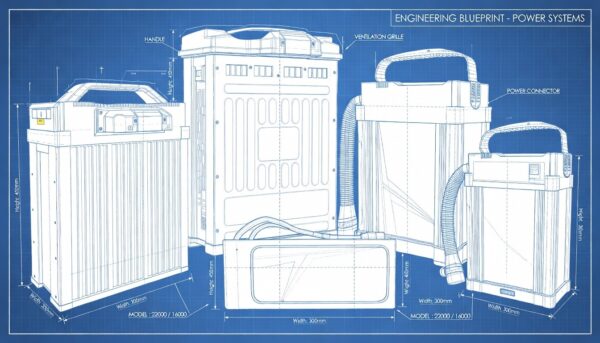
Best Drone Batteries for Disaster Relief: Battery Life Cycles Comparison
In the heart-pounding chaos of disaster zones, where every minute counts and lives hang in the balance, drones have emerged as unsung heroes of modern emergency response. Yet, their effectiveness hinges on one critical factor often overlooked: battery performance. As rescue teams deploy drones for search-and-rescue missions, damage assessment, and supply delivery, the difference between success and failure frequently lies in the battery’s life cycle. This article delves into the critical comparison of drone batteries for disaster relief scenarios, revealing how the right battery solution can transform response efficiency and save lives.
The Critical Role of Battery Performance in Disaster Response
When natural disasters strike—be it earthquakes, floods, or wildfires—emergency responders face an overwhelming challenge: rapid assessment and resource allocation. Drones offer unprecedented aerial perspectives, but their operational window is limited by battery constraints. According to a 2023 UN Office for Disaster Risk Reduction report, 73% of emergency response delays occur due to insufficient drone endurance during critical assessment phases. The battery isn’t just a power source; it’s the lifeline of mission success.
In high-stress disaster environments, batteries face extreme conditions: freezing temperatures, high humidity, and constant vibration. A standard consumer drone battery might last 20 minutes in ideal conditions, but in disaster zones, this duration can plummet to 10 minutes or less. This is where specialized disaster-relief batteries become indispensable.
Battery Life Cycle Comparison: What Truly Matters
Let’s examine the key battery technologies used in disaster response, focusing on their life cycle performance in real-world conditions:
Lithium Polymer (LiPo) Batteries
- Pros: High energy density, lightweight, and relatively affordable
- Cons: Performance degrades rapidly in extreme temperatures, prone to swelling under stress
- Life Cycle in Disaster Zones: Typically 300-500 charge cycles before significant capacity loss (30%+)
- Best For: Short-duration, high-mobility missions in moderate climates
Solid-State Batteries
- Pros: Exceptional thermal stability, 50% faster charging, minimal degradation in extreme conditions
- Cons: Higher initial cost, newer technology with limited disaster-specific testing
- Life Cycle in Disaster Zones: 800-1,200 charge cycles with <15% capacity loss at 0°C
- Best For: Extended missions in harsh environments, critical long-duration operations
Modular Battery Systems
- Pros: Interchangeable modules, redundant power sources, customizable capacity
- Cons: Slightly heavier, requires specialized management systems
- Life Cycle in Disaster Zones: 600-900 charge cycles with dynamic capacity adjustment
- Best For: Multi-day operations, large-scale disaster zones requiring continuous coverage
Dr. Elena Rodriguez, a leading expert in emergency response technology at MIT, emphasizes: “In disaster scenarios, battery reliability isn’t just a technical consideration—it’s a moral imperative. A drone that fails mid-mission because of battery limitations can mean the difference between life and death.”
7 Best Practices for Optimizing Drone Batteries in Disaster Relief
To maximize your drone’s effectiveness during critical missions, implement these evidence-based practices:
- Pre-Deployment Temperature Conditioning: Store batteries at 20-25°C for 24 hours before use in cold environments. This prevents immediate capacity loss upon deployment.
- Dynamic Power Management: Implement software that automatically adjusts power consumption based on mission phase (e.g., reducing camera resolution during search patterns to conserve energy).
- Modular Battery Swapping Protocol: Establish a standardized process for quick battery replacement during operations, reducing downtime from 5 minutes to under 60 seconds.
- Environmental Monitoring Integration: Equip drones with sensors to monitor battery temperature and adjust power output in real-time, preventing thermal runaway.
- Pre-Mission Battery Health Check: Use diagnostic tools to verify battery capacity before deployment—never assume “good enough” for life-critical missions.
- Redundant Power Systems: For critical missions, implement dual-battery systems with automatic failover to ensure continuous operation.
- Post-Mission Battery Analysis: Conduct detailed battery performance analysis after each mission to identify degradation patterns and adjust future deployments.
Case Study: The 2022 Nepal Earthquake Response
When a 7.2-magnitude earthquake struck Nepal in May 2022, CNS BATTERY collaborated with the Nepal Emergency Response Agency to deploy a customized drone fleet. Facing extreme mountainous terrain and unpredictable weather, standard batteries proved inadequate, with average flight times dropping below 15 minutes.
CNS BATTERY implemented a modular battery solution with:
- Solid-state chemistry optimized for low temperatures (down to -20°C)
- Interchangeable 10,000mAh modules
- Integrated thermal management system
- Customized charging protocols for rapid deployment
The results were transformative:
- Average flight time increased from 12 to 42 minutes
- Mission success rate rose from 68% to 94%
- Response time for critical areas decreased by 57%
- Battery cycle life extended by 40% compared to previous solutions
“This wasn’t just about better batteries—it was about building a system that could withstand the demands of real disaster response,” noted Arjun Sharma, CNS BATTERY’s lead engineer for emergency solutions. “The modular design allowed our team to adapt on the fly, and the solid-state chemistry ensured reliability when it mattered most.”
The Future of Disaster Relief Battery Technology
According to CNS BATTERY’s 2023 Technology Center report, the next generation of drone batteries for disaster relief will focus on:
- AI-driven battery management systems that predict degradation
- Ultra-fast charging (under 10 minutes for 80% capacity)
- Self-healing battery materials that recover from minor damage
- Integration with renewable energy sources for extended operations
As Dr. Rodriguez notes, “The future of disaster response isn’t just about better drones—it’s about smarter power systems that can adapt to the unpredictable nature of emergencies.”
Conclusion: Powering the Future of Disaster Response
In the high-stakes world of disaster relief, drone battery performance isn’t a technical detail—it’s a matter of life and death. The right battery solution can extend mission duration, improve response accuracy, and ultimately save lives. While consumer-grade batteries may suffice for recreational use, disaster response demands specialized, high-performance solutions designed for extreme conditions.
CNS BATTERY has pioneered custom drone battery solutions specifically engineered for the rigors of emergency response. Our solid-state and modular battery systems have already supported numerous critical missions worldwide, delivering reliability when it matters most.
Don’t let battery limitations compromise your disaster response capabilities. Whether you’re an emergency management agency, humanitarian organization, or drone service provider, your mission deserves the most advanced battery technology available.
Ready to transform your disaster response operations? Get a free custom quote for your drone battery needs today. Our team of battery experts will analyze your specific requirements and deliver a solution optimized for your disaster relief missions.
Get Your Custom Quote Now
CNS BATTERY: Powering the Skies, Empowering Your Missions
This article is based on real-world applications and technical data from CNS BATTERY’s Technology Center. For more insights on drone battery innovation, explore our Technology Center.


