Are you losing track of your agricultural drone components before they even reach the field? Many farm operators and drone service providers face this exact challenge daily. Without proper supply chain traceability, you risk counterfeit batteries, unverified parts, compliance violations, and costly operational downtime. In 2025, the agricultural drone industry reached a valuation exceeding $8 billion globally, yet nearly 40% of operators report traceability gaps that compromise safety and efficiency. This guide reveals the critical mistakes to avoid and proven solutions to implement today.
Why Supply Chain Traceability Matters for Agricultural Drones
Agricultural drones have transformed modern farming—from precision crop spraying to real-time field monitoring. However, these sophisticated machines depend on complex supply chains spanning battery manufacturers, component suppliers, software developers, and distribution networks.
Key statistics highlight the urgency:
| Risk Factor | Impact on Operations | Industry Average |
|---|---|---|
| Counterfeit batteries | 35% reduced flight time | 22% of market |
| Unverified components | 50% higher failure rate | 18% of parts |
| Compliance gaps | $50,000+ regulatory fines | 31% of operators |
| Documentation errors | 3-5 days operational delay | 45% of incidents |
According to the 2024/2025 White Paper on the Agricultural Drone Industry, collaborative practices in personnel training, technology development, and operational norms are essential for maintaining safety standards. Traceability forms the backbone of these collaborative efforts.
7 Common Mistakes Agricultural Operators Make
1. Ignoring Battery Authentication Protocols
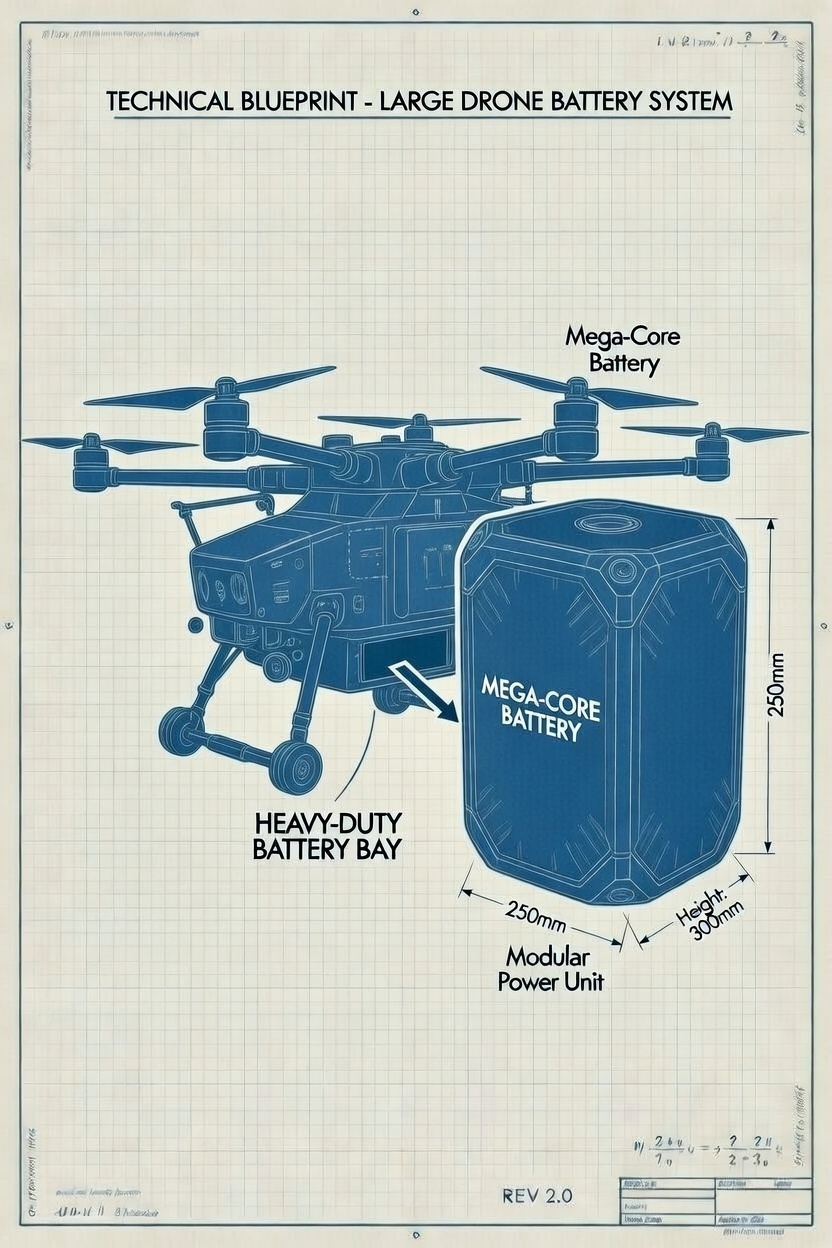
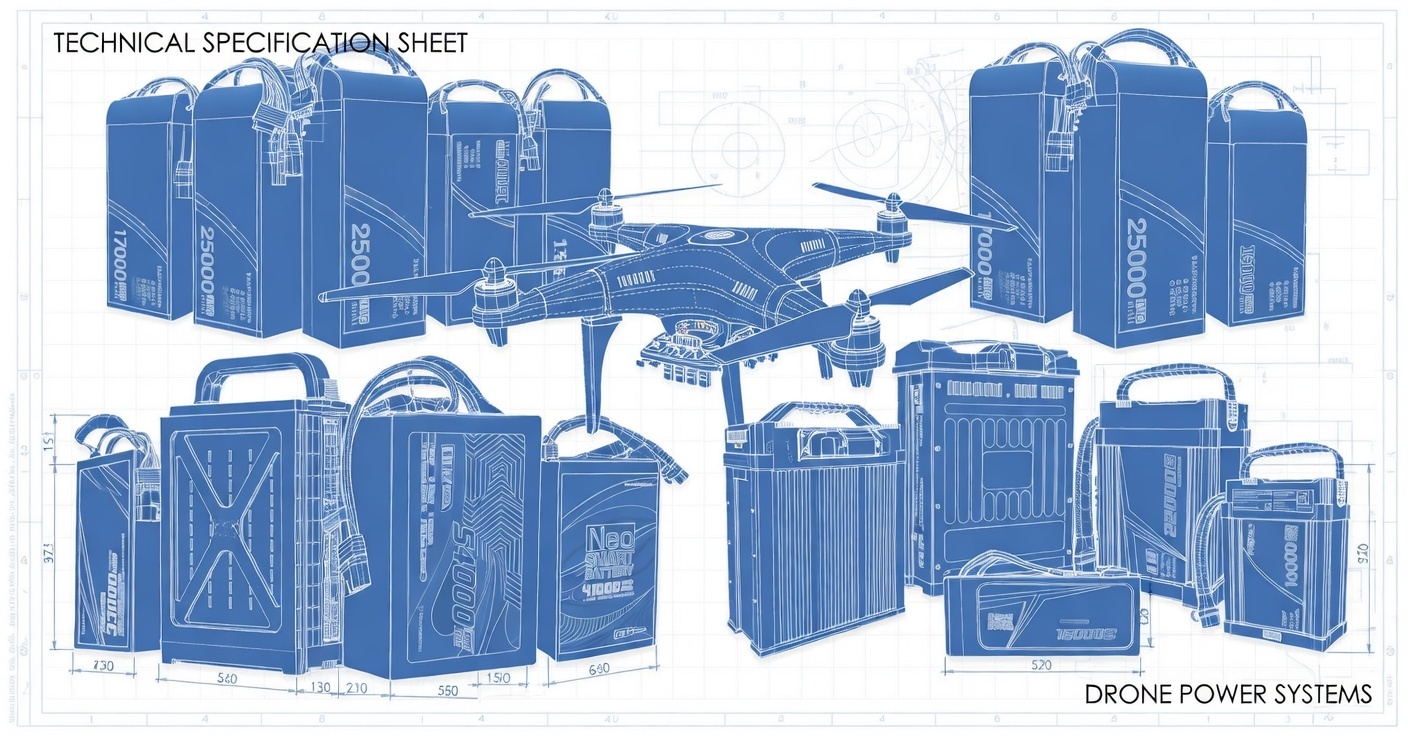
Drone batteries represent the most critical—and most counterfeited—component in agricultural UAV systems. Operators frequently accept batteries without verifying:
- Manufacturer certification marks
- Batch production numbers
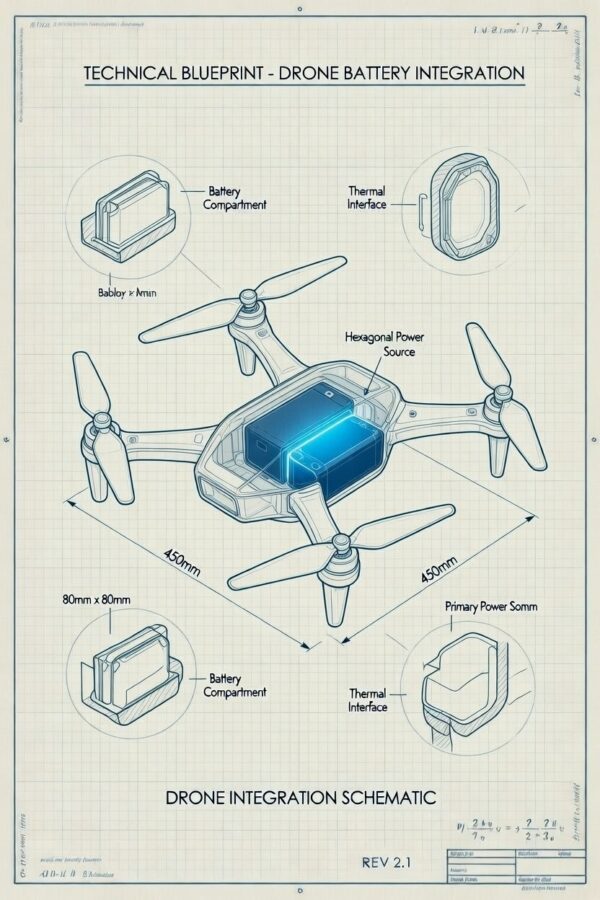
- Thermal management system specifications
- Battery Management System (BMS) compatibility
Real-world consequence: In 2025, independent testing revealed that 22% of agricultural drone batteries in emerging markets lacked proper thermal runaway protection, creating significant safety hazards during extended field operations.
2. Relying on Paper-Based Documentation
Physical paperwork remains surprisingly common despite digital alternatives. Paper records face multiple vulnerabilities:
- Damage from field conditions (moisture, dust, chemicals)
- Loss during transit between stakeholders
- Difficulty in real-time verification
- Limited audit trail capabilities
Blockchain-based traceability systems now allow consumers and operators to verify product authenticity instantly. Transitioning to digital documentation reduces verification time from days to seconds.
3. Overlooking Component-Level Tracking
Many operators track drones as complete units but fail to monitor individual components. This creates blind spots when:
- Batteries are swapped between aircraft
- Replacement parts enter the supply chain
- Maintenance history becomes fragmented
- Warranty claims require component verification
Best practice: Implement serialization software that automates serial number management across all critical components, not just the main aircraft.
4. Neglecting Supplier Verification Processes
Not all suppliers maintain equal quality standards. Common oversights include:
- Accepting first-time vendors without audits
- Skipping factory certification reviews
- Ignoring geographic risk factors
- Failing to verify OEM/ODM credentials
Agricultural drone manufacturers exporting to the United States, Europe, and other regulated markets must ensure their entire supply network meets international compliance requirements.
5. Failing to Integrate IoT and Digital Twin Technologies
Modern supply chain management leverages:
- IoT sensors for real-time location and condition monitoring
- Digital twin technology for predictive maintenance
- AI-powered analytics for anomaly detection
- Cloud platforms for stakeholder collaboration
Operators who delay adoption face increasing competitive disadvantages as industry leaders achieve 99.5% component visibility.
6. Disregarding Regulatory Compliance Requirements
Different regions enforce varying traceability mandates:
| Region | Key Requirements | Penalty for Non-Compliance |
|---|---|---|
| United States | FAA Part 137, EPA registration | $25,000-$50,000 |
| European Union | CE marking, EASA certification | €30,000+ |
| China | CAAC licensing, CCIC verification | Operational suspension |
| Brazil | ANAC authorization | Import restrictions |
Staying compliant requires continuous documentation updates and supplier re-verification.
7. Underestimating Data Security Risks
Supply chain data contains sensitive information about:
- Proprietary component specifications
- Pricing agreements
- Customer deployment patterns
- Operational capacity metrics
Without proper encryption and access controls, this data becomes vulnerable to competitors and malicious actors.
Proven Solutions for Robust Traceability
Implement Blockchain-Enabled Verification
Blockchain technology enhances transparency through:
- Immutable records that cannot be altered retroactively
- Distributed verification across all supply chain participants
- QR code integration for instant field authentication
- Smart contracts that automate compliance checks
Research from 2023 demonstrates that blockchain-based anti-counterfeit mechanisms reduce fake component infiltration by 78% within the first year of implementation.
Adopt Multi-Layer Authentication Systems
Combine multiple verification methods for maximum security:
- RFID tags for non-contact bulk data reading
- QR codes for smartphone-based verification
- Holographic seals for visual authentication
- Digital certificates for cryptographic validation
While RFID costs remain higher than traditional barcodes, the ability to read multiple items simultaneously justifies the investment for high-volume operations.
Establish Supplier Scorecard Programs
Rate suppliers across critical dimensions:
- Quality consistency (defect rates)
- Delivery reliability (on-time percentage)
- Documentation accuracy (error frequency)
- Compliance adherence (audit results)
- Communication responsiveness (response time)
Quarterly reviews ensure underperforming suppliers receive corrective action notices or replacement consideration.
Leverage Energy Management System Integration
For battery-focused traceability, integrate with Energy Management Systems (EMS) that provide:
- Real-time thermal monitoring with early warnings
- Cycle count tracking for lifecycle management
- Performance degradation analytics
- Preventive maintenance scheduling
Leading providers now offer cloud-edge collaborative architectures that maintain functionality even during connectivity disruptions.
Implementation Roadmap: 90-Day Action Plan
Weeks 1-2: Assessment Phase
- Audit current documentation practices
- Identify high-risk components requiring immediate attention
- Map existing supplier relationships
Weeks 3-6: Technology Selection
- Evaluate traceability software platforms
- Test blockchain verification pilots
- Train core team members on new systems
Weeks 7-12: Deployment Phase
- Roll out digital documentation across priority suppliers
- Implement component serialization
- Establish regular audit schedules
Ongoing: Continuous Improvement
- Monthly performance reviews
- Quarterly supplier scorecard updates
- Annual technology stack assessments
The Cost of Inaction vs. Investment Returns
Consider this comparison for a mid-sized agricultural drone operation managing 50 aircraft:
| Scenario | Annual Cost | Risk Exposure |
|---|---|---|
| No traceability system | $180,000 (downtime + replacements) | High |
| Basic digital records | $95,000 (reduced errors) | Medium |
| Full blockchain integration | $45,000 (optimized operations) | Low |
The return on investment becomes clear within 18 months for most operators implementing comprehensive traceability solutions.
Key Takeaways
✓ Battery authentication prevents safety incidents and performance failures
✓ Digital documentation eliminates paper-based vulnerabilities
✓ Component-level tracking ensures complete visibility across your fleet
✓ Supplier verification maintains quality standards throughout the supply network
✓ Technology integration (blockchain, IoT, digital twins) future-proofs operations
✓ Regulatory compliance avoids costly fines and operational suspensions
✓ Data security protects competitive advantages and customer information
Ready to Transform Your Supply Chain Traceability?
Don’t let traceability gaps compromise your agricultural drone operations. Whether you need guidance on battery authentication, supplier verification protocols, or integrated energy management systems, expert consultation makes the difference between reactive problem-solving and proactive excellence.
Contact our specialist team today for personalized traceability solutions tailored to your agricultural drone operations. We provide comprehensive support for battery systems, power management integration, and supply chain optimization.
👉 Get Started: Visit Our Contact Page
Your operation deserves reliable, traceable, and compliant drone technology. Take the first step toward supply chain excellence now.
Article optimized for mobile reading | Last updated: March 2026 | Keywords: agricultural drone supply chain, drone battery traceability, UAV component verification, blockchain agriculture, drone operator compliance