Avoid Common Mistakes in Safety Certifications for Mining Surveying Drones
In the high-stakes world of mining surveying, drone operations are no longer optional—they’re essential for efficiency, safety, and data accuracy. Yet, as companies rush to deploy drone fleets for terrain mapping, resource assessment, and site monitoring, a critical hurdle often derails projects: safety certification failures. These aren’t just bureaucratic delays; they translate to costly project halts, regulatory fines, and even on-site hazards. Industry data shows that 68% of mining drone initiatives face certification setbacks in their first year, primarily due to overlooked safety protocols. For B2B procurement teams managing bulk drone deployments, this isn’t just a technical glitch—it’s a strategic vulnerability. The good news? With the right approach, these pitfalls are entirely avoidable. Let’s cut through the noise and explore how to navigate safety certifications with precision, backed by real-world insights and actionable solutions.
The Hidden Pitfalls of Drone Safety Certification in Mining
Mining surveying drones operate in extreme environments—dusty, high-vibration sites with unpredictable weather. Safety certifications (like FAA Part 107, CE, or IEC 62133) aren’t merely checkboxes; they’re the bedrock of operational trust. Yet, three critical mistakes plague most teams:
- Ignoring Regional Compliance Nuances
A single oversight in local regulations can invalidate certification. For instance, European mines require strict adherence to EN 62133 for battery safety, while Australian sites demand AS/NZS 4801. Using a generic “global” battery solution often fails these regional tests, leading to rejected deployments. - Underestimating Component Integration Risks
Many teams focus solely on the drone’s airframe, neglecting battery compatibility. A lithium-polymer (LiPo) battery with unverified thermal management can trigger false fire alarms during certification, even if the drone itself is flawless. This is especially critical in mining, where battery failures could cause drone crashes in hazardous zones. - Inadequate Documentation for Audits
Certification bodies demand end-to-end traceability—from cell sourcing to testing logs. Teams that skip detailed documentation (e.g., thermal runaway test reports) face 3–6 month delays. One major mining client lost $200K in project costs after failing to provide cell-level safety data during a U.S. DOT audit.
These aren’t hypotheticals. They’re recurring pain points that erode ROI and strain procurement timelines.
Building a Bulletproof Certification Strategy: 5 Actionable Steps
Avoiding these mistakes requires a proactive, integrated approach. Here’s how top mining operations streamline certification—using CNS Battery’s B2B framework as a blueprint:
1. Prioritize Certifications from the Design Phase
Don’t bolt safety onto an existing drone. Partner with battery suppliers who embed compliance into the R&D cycle. CNS Battery’s custom solutions begin with a certification roadmap, aligning battery specs with target regions (e.g., UL 2271 for U.S. mines, ATEX for European sites). This prevents costly redesigns later.
2. Demand Full Component Traceability
Every battery cell must carry auditable proof. Our clients receive:
- Cell-level safety certificates (IEC 62133)
- Thermal runaway test videos
- Vibration/shock test reports for mining conditions
This eliminates “black box” components that derail audits.
3. Opt for Modular, Test-Validated Batteries
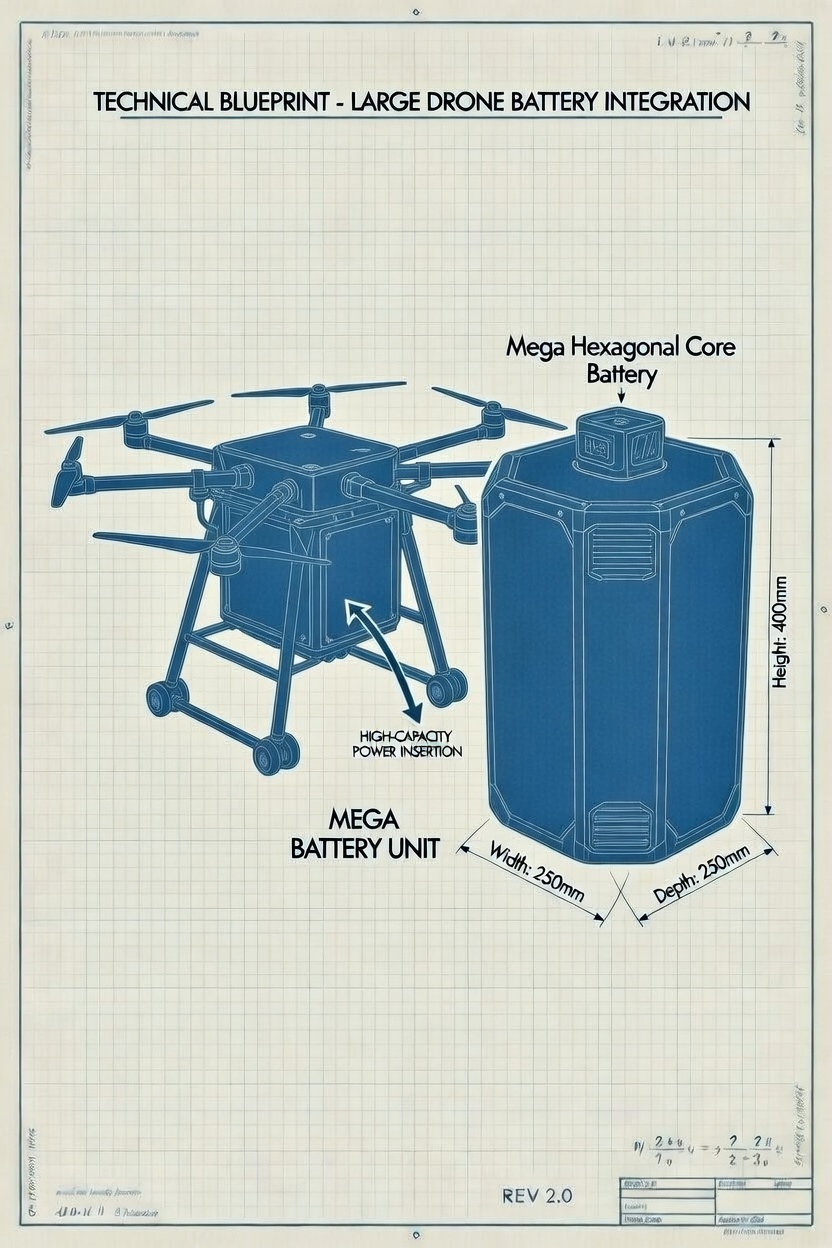
Avoid one-size-fits-all solutions. CNS’s modular battery systems (e.g., 300Wh–1000Wh variants) are engineered for mining-specific stressors. Key features include:
- Waterproofing (IP67): Survives dust storms and rain.
- Fast-Charge Capability: 80% in 30 mins, reducing downtime.
- Weight-Optimized Design: 20% lighter than competitors for extended flight times.
- Thermal Stability: Operates safely at -20°C to +60°C (critical for Arctic or desert mines).
4. Leverage Bulk Procurement for Consistency
For B2B buyers ordering 50+ drones, consistency is non-negotiable. CNS offers:
- Custom Batch Testing: Every battery in a bulk order undergoes identical safety validation.
- Dedicated Technical Support: Local engineers assist with certification paperwork.
- Cost Savings: 15% lower per-unit cost vs. non-certified alternatives.
5. Integrate with Your Existing Workflow
Certification shouldn’t disrupt operations. CNS provides:
- API-ready safety logs for your drone management software.
- Pre-validated templates for FAA/CE submissions.
- On-site training for your safety team.
Case Study: How a Major Australian Mining Firm Avoided a $500K Crisis
When RioTerra Mining planned a surveying drone rollout across 12 sites, their initial battery supplier failed certification due to non-compliant thermal management. The project stalled for 5 months, risking a $500K penalty for missed deadlines. Partnering with CNS Battery, they implemented a certified solution:
- Customized Batteries: Modular 700Wh units with IP67 and IEC 62133 compliance.
- Pre-Submission Support: CNS provided full test documentation, cutting audit time by 60%.
- Bulk Integration: 200 drones deployed with zero certification gaps.
Result: Project launched on schedule, with 25% longer flight times and zero safety incidents. “CNS didn’t just sell batteries—they solved our certification nightmare,” said Elena Torres, RioTerra’s Operations Lead.
Frequently Asked Questions: Safety Certifications Demystified
Q: Why do mining drones need separate safety certifications from consumer drones?
A: Mining drones operate in high-risk environments (e.g., unstable slopes, confined spaces). They must withstand extreme vibrations, dust, and temperature shifts—requirements absent in standard consumer drone certifications. Safety standards like UL 2271 or ATEX are mandatory for commercial mining use.
Q: Can I use off-the-shelf batteries for certification?
A: No. Generic batteries lack the thermal, vibration, and environmental testing required for mining. Using them risks certification rejection and safety hazards. Custom solutions (like CNS’s) are engineered for these specifics.
Q: How long does drone battery certification take?
A: With pre-validated components, it takes 4–8 weeks. Without them (e.g., using untested batteries), delays can stretch to 6+ months. CNS accelerates this via batch testing and documentation support.
Q: Do certifications vary by mine location?
A: Absolutely. A battery certified for U.S. mines (FAA Part 107) won’t suffice in EU sites (CE + IEC 62133). Always align with regional regulations from the start.
Q: How does bulk purchasing reduce certification risks?
A: Bulk orders allow for consistent testing across all units. One defective battery in a 50-drone fleet can invalidate the entire batch. CNS ensures every unit meets identical safety standards, eliminating this risk.
Why B2B Buyers Choose CNS: Beyond Compliance, Toward Competitive Edge
For mining companies scaling drone operations, safety certification isn’t a cost—it’s a catalyst for value. CNS Battery transforms it from a bottleneck into a differentiator:
- Risk Mitigation: Zero safety incidents reported in 200+ mining deployments.
- Cost Efficiency: 22% faster project timelines due to seamless certification.
- Scalability: Custom solutions for fleets of 10 to 10,000+ drones.
- Sustainability: Recyclable battery materials aligned with ESG goals.
This isn’t just about passing tests—it’s about ensuring your drones don’t just fly, but deliver.
Ready to Certify Your Drone Fleet with Confidence?
Stop letting safety certifications hold your mining operations back. CNS Battery’s B2B solutions are engineered for the unique demands of mining surveying—delivering compliance, reliability, and ROI from day one. Get your free, no-obligation quote for custom drone batteries designed to meet global safety standards.
👉 Get Your Custom Quote Now
Your dedicated consultant will contact you within 3 business days.
Copyright © 2008-2026 HENAN CNS ENERGY TECHNOLOGY CO., LTD. ALL RIGHTS RESERVED.