⚡ The Ultimate Guide to the Affordable Nissan e-NV200 68kWh Battery Swap for Fleet Managers
The Nissan e-NV200 has long been a favorite in the light commercial fleet market, offering the perfect blend of cargo space and electric efficiency. However, for fleet managers in 2026, the reality of battery degradation in older models (2014-2023) is hitting hard. If your vehicles are struggling to complete a standard shift on a single charge, you’re likely facing a critical decision: Replace the outdated battery or replace the entire vehicle.
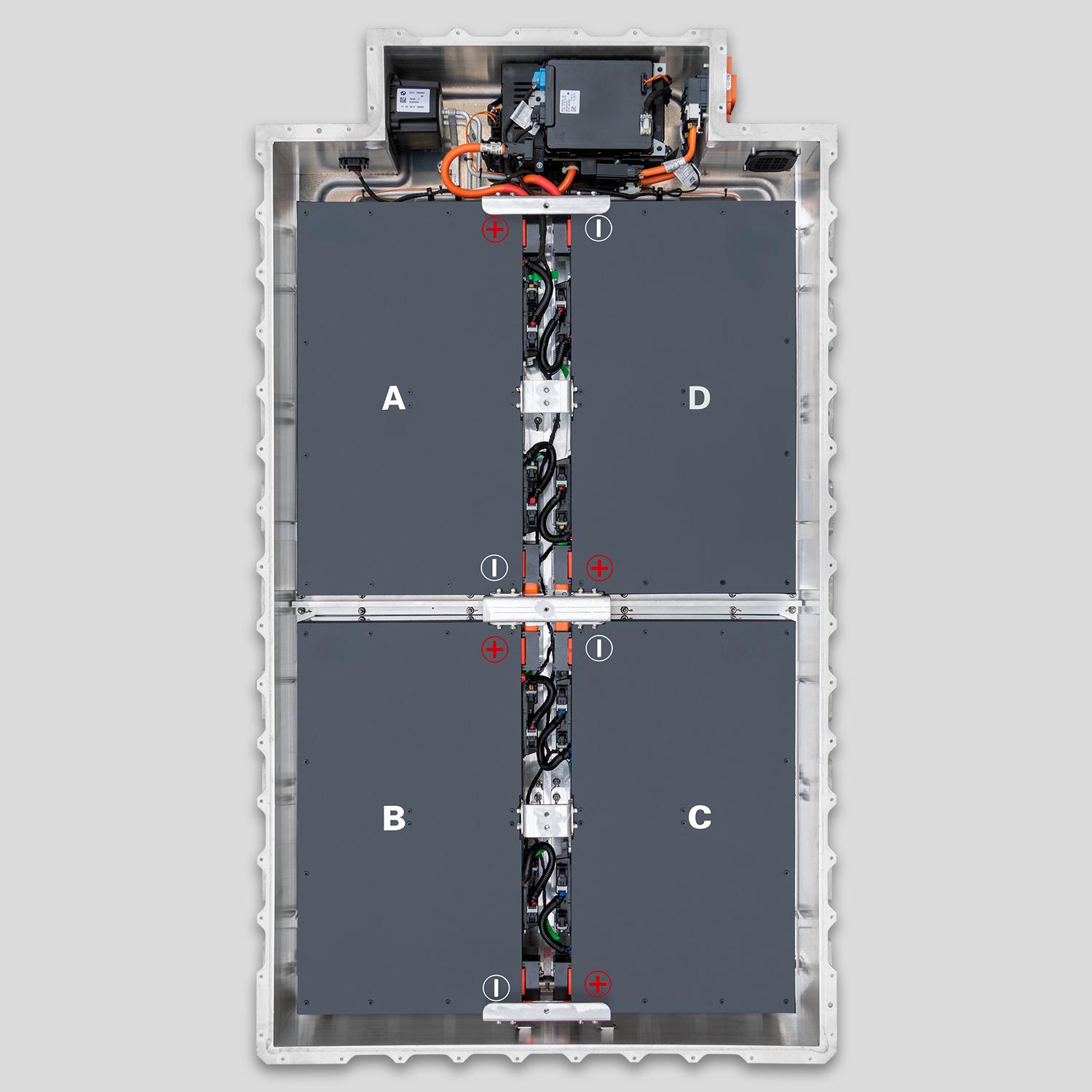
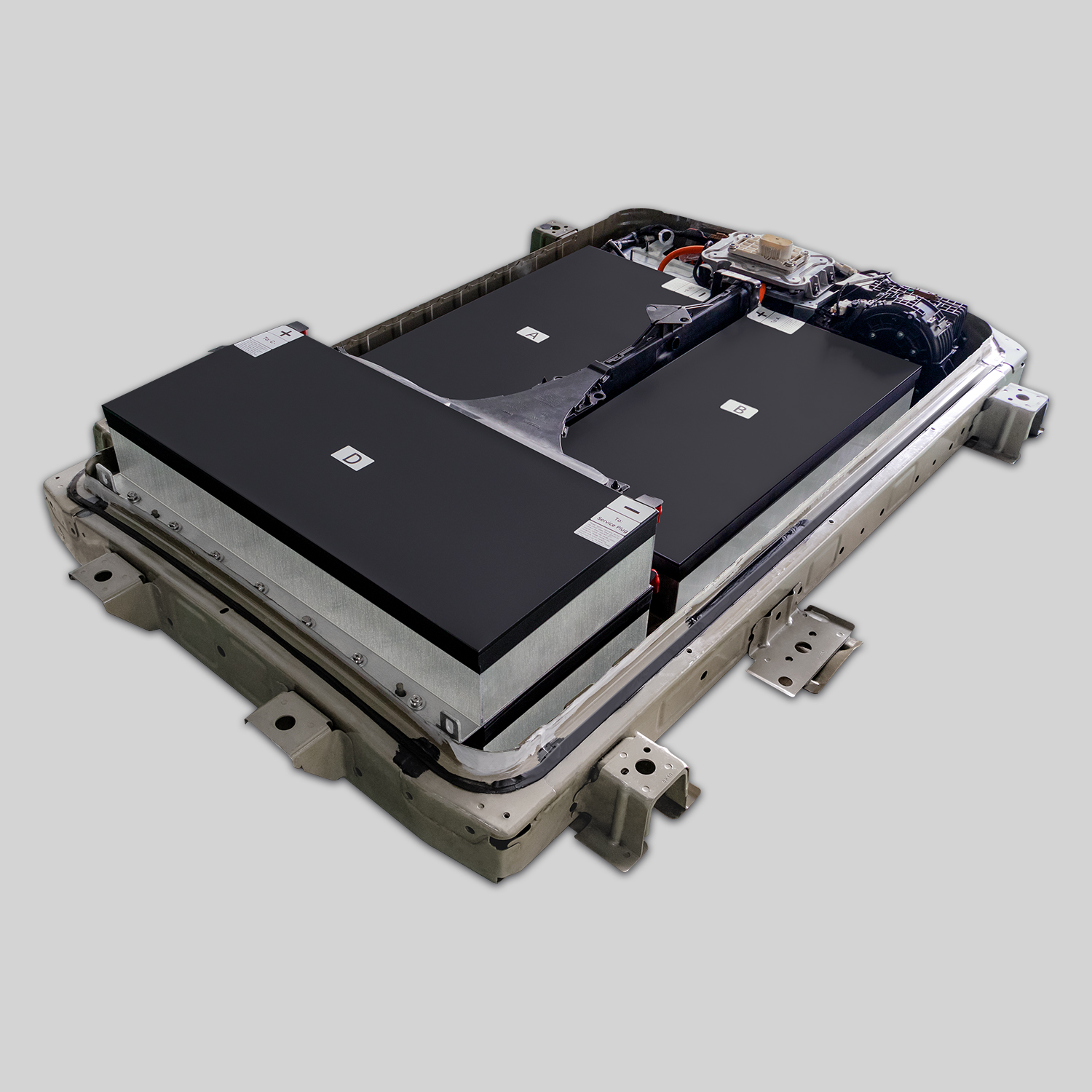
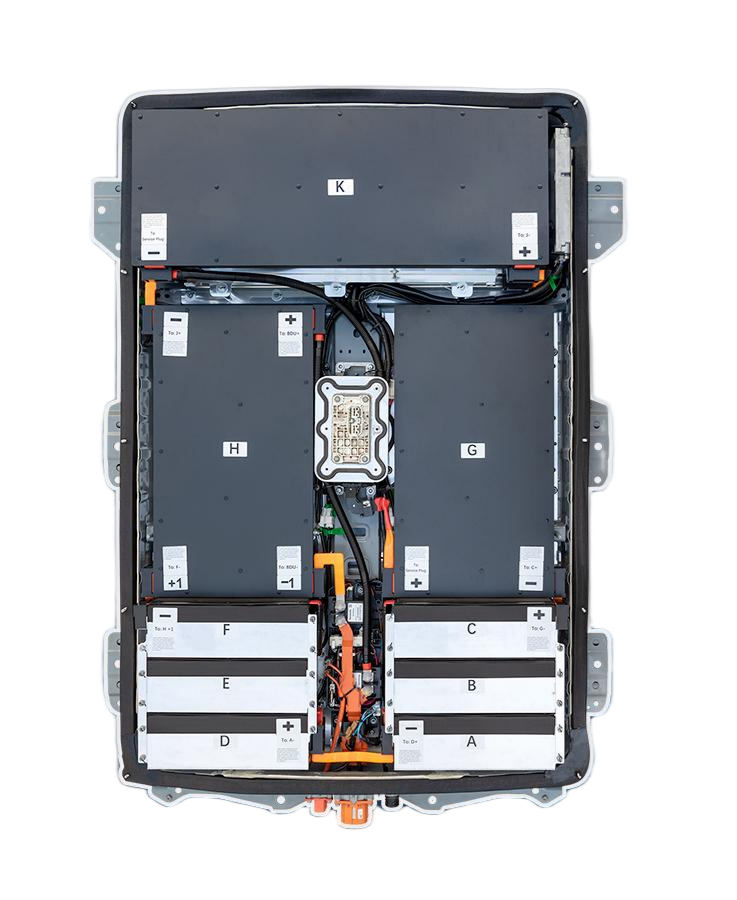
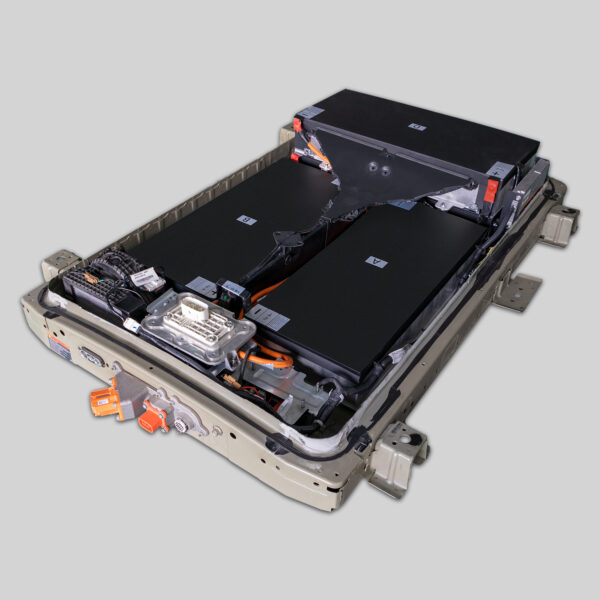
Purchasing a brand-new OEM e-NV200 can cost upwards of $35,000 to $45,000, a steep price for a used vehicle chassis. Fortunately, there is a third, smarter option. A 68kWh battery upgrade from a reputable aftermarket manufacturer like CNS BATTERY offers a “like-new” driving experience at a fraction of the cost.
This guide is designed specifically for fleet managers looking to maximize ROI. We will explore why upgrading to a 68kWh pack is the most cost-effective strategy to keep your e-NV200 fleet running efficiently for years to come.
📉 The Fleet Manager’s Dilemma: Degradation vs. Depreciation
Most e-NV200s on the road today are equipped with either a 24kWh or a 30kWh battery. While these were sufficient for urban deliveries a decade ago, modern logistics demand more range.
- The Reality of Aging Batteries: After 5-8 years of daily charging cycles, the capacity of the original Lithium Manganese Oxide (LMO) cells often drops below 70%. This translates to a real-world range of less than 100km (60 miles), barely enough for a few hours of work.
- The OEM Trap: Nissan and other manufacturers often quote exorbitant prices for factory replacements—sometimes exceeding $15,000 USD. For a fleet manager, this price point makes the economics of repair nearly impossible to justify.
The Solution: Instead of paying a premium for a depreciated asset, consider a battery transplant. By installing a modern, high-capacity 68kWh Lithium Iron Phosphate (LFP) or NMC pack, you effectively turn a 10-year-old van into a long-range electric workhorse.
🚀 Why the 68kWh Upgrade is a Game-Changer
Upgrading your e-NV200 to a 68kWh capacity isn’t just about adding more cells; it’s about upgrading the technology inside the cells.
1. Doubling (and Tripling) Your Range
The most immediate benefit is the massive increase in operational capability.
- Original (30kWh): Approx. 170km (105 miles) new, degrading to ~100km.
- Upgraded (68kWh): Approx. 470km (290 miles) real-world range.
This extended range means your drivers can cover larger territories, handle more stops, and work longer shifts without the anxiety of finding a charger mid-route.
2. Superior Chemistry: LFP vs. Old LMO
Modern replacement batteries, such as those offered by CNS, utilize advanced chemistries like CATL-grade cells.
- Longevity: LFP chemistry is renowned for its durability, offering 3000+ charge cycles. This means the new battery could outlive the van itself.
- Safety: Unlike the older LMO batteries prone to thermal issues, modern packs come with robust Battery Management Systems (BMS) and ruggedized casings designed to withstand the vibration and shock of commercial use.
3. Cost Efficiency: Saving 50%+
This is where the math works for the fleet manager. A professional 68kWh battery swap typically costs between $7,000 and $9,000, depending on the supplier and labor.
- ROI Calculation: If a new van costs $40,000 and a battery swap costs $8,000, you are saving $32,000 per vehicle. That saved capital can be reinvested into acquiring more chassis or improving your business infrastructure.
⚙️ Technical Considerations for the Swap
Before proceeding, it’s crucial to understand the technical integration to ensure a smooth rollout across your fleet.
Compatibility and Fitment
Not all 68kWh batteries are created equal. When sourcing for an e-NV200, you must ensure OEM compatibility.
- Physical Dimensions: The new pack must fit within the existing chassis rails without requiring structural modifications that could void remaining vehicle warranties or compromise safety.
- Software Integration: The BMS must communicate effectively with the Nissan Vehicle Control Module (VCM). Look for suppliers that offer pre-programmed modules or provide clear integration guides to avoid “bricking” the vehicle.
Charging Infrastructure
A critical point often overlooked is the On-Board Charger (OBC) limitation.
- The stock e-NV200 typically has a 3.3kW or 6.6kW OBC.
- The Catch: While a 68kWh battery holds much more energy, it will take significantly longer to charge using the standard AC port (approx. 10-12 hours for a full charge).
- Recommendation: For fleet operations, schedule charging during off-peak electricity hours. The massive range means the van doesn’t need to be topped up daily, only fully recharged overnight.
💡 Why Fleet Managers Choose CNS BATTERY
As a fleet manager, you need a partner you can trust, not just a vendor. Based on current industry standards and user feedback, CNS BATTERY addresses the specific pain points of commercial operators.
1. Unbeatable Warranty for Commercial Use
Downtime costs money. CNS backs their packs with a 2-year / 80,000 km warranty. This is significantly longer than the industry standard for aftermarket batteries and provides peace of mind that the investment is protected.
2. Expert Technical Support
Swapping batteries on a fleet of vehicles can be daunting. CNS provides:
- VIN Compatibility Checks: Free verification to ensure the battery matches your specific e-NV200 year and model.
- Remote Assistance: Video-guided installation support to help your technicians through the process, minimizing labor errors and reducing shop time.
3. Genuine CATL Cells
Quality is non-negotiable. Reports indicate that CNS utilizes brand-new cells from CATL (Contemporary Amperex Technology Co. Limited), one of the world’s largest and most reputable battery manufacturers. This ensures the performance metrics (voltage, capacity, and thermal stability) are consistent and reliable for heavy-duty usage.
📝 The Installation Process: What to Expect
If you’re managing the swap in-house or through a third-party garage, the process is streamlined but requires precision.
- Preparation: Disconnect the 12V auxiliary battery.
- Removal: Jack up the vehicle and remove the old battery pack. This can be heavy and requires proper lifting equipment.
- Installation: Mount the new 68kWh pack. The weight will be similar to the original (approx. 300kg), so standard equipment is sufficient.
- Connection & Programming: Connect the HV cables and signal lines. Crucially, the BMS may require programming to sync with the vehicle’s VIN. This is where the technical support from the supplier becomes invaluable.
- Testing: Perform a full system diagnostic to ensure no faults are present before lowering the vehicle.
Pro Tip: While DIY is possible, for fleet managers, having a certified technician perform the first swap is highly recommended to establish a standard operating procedure (SOP) for your maintenance team.
🚦 Conclusion: Revive Your Fleet, Not Replace It
In the competitive world of 2026 logistics, clinging to outdated technology is expensive, but throwing away functional vehicle chassis is wasteful. Upgrading your Nissan e-NV200 fleet with a 68kWh battery is the ultimate exercise in sustainable fleet management.
You retain the low depreciation value of the chassis while gaining the performance benefits of a modern electric powertrain. With a simple upgrade, you extend the vehicle’s lifespan by another 5-8 years, cut operating costs by avoiding new car depreciation, and reduce your carbon footprint by reusing the existing vehicle shell.
Don’t let battery degradation force you into a costly new vehicle purchase. Explore the 68kWh upgrade path today and keep your fleet moving efficiently.
Ready to get a quote for your fleet? Contact our technical experts to discuss your specific e-NV200 models and VIN compatibility.
❓ Frequently Asked Questions (FAQ)
1. Will a 68kWh battery fit in my e-NV200 without modifications?
Yes, a properly designed 68kWh pack is built to OEM specifications. It should utilize the existing mounting points and chassis rails. However, it is crucial to perform a VIN compatibility check with the manufacturer before purchasing to ensure the physical dimensions and connector placements match your specific model year.
2. How long does the installation take?
For a professional technician, the physical swap typically takes 1 to 2 hours. This includes removing the old pack and bolting in the new one. However, if BMS programming or software integration is required, this may add an additional 30-60 minutes, especially for the first vehicle in your fleet.
3. Does the upgrade affect the vehicle’s warranty?
Since the e-NV200 is likely out of the manufacturer’s warranty, this is generally not a concern. More importantly, the new battery will come with its own warranty. For example, CNS BATTERY provides a 2-year / 80,000 km warranty on the battery pack itself, covering defects and performance degradation.
4. Can I use my existing charger with the new battery?
Yes, you can use your existing AC charger, but be aware that charging times will be longer due to the increased capacity. A full charge using a standard 3.3kW or 6.6kW onboard charger may take 10-12 hours. For fleet operations, this is usually managed by charging overnight during off-peak electricity rates.
5. What is the expected range after the upgrade?
With a 68kWh pack, you can expect a real-world range of approximately 470km (290 miles). This is a massive improvement over the original 170km and is sufficient for almost all urban and regional delivery routes without mid-day recharging.