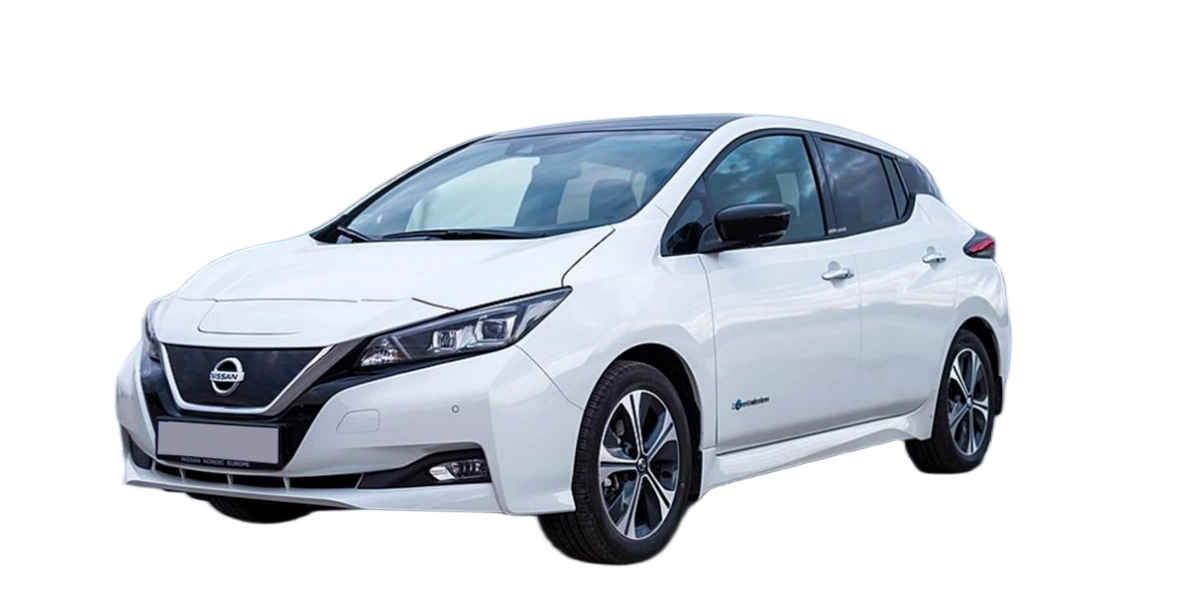
🚀 Revive Your Nissan Leaf ZE1: The Ultimate 62kWh DIY Upgrade Guide
Is your 2011-2017 Nissan Leaf ZE1 struggling with range anxiety? You’re not alone. As the first generation of mass-market EVs ages, battery degradation is a common reality. However, replacing your battery with an original OEM pack can cost upwards of $16,000, making the car nearly uneconomical to repair.
There is a smarter, more affordable solution. For DIY enthusiasts and budget-conscious owners, upgrading to a 62kWh replacement battery offers a “like-new” driving experience at a fraction of the cost. This guide will walk you through why the 62kWh upgrade is the best choice for the Leaf ZE1 and how you can install it yourself.
💡 Why Choose a 62kWh Upgrade for Your Leaf ZE1?
The Nissan Leaf ZE1 (First Generation) originally came with 24kWh or 30kWh battery options. While these were revolutionary in their time, they simply don’t meet the demands of modern driving.
Upgrading to a 62kWh lithium-ion battery pack is not just a repair; it’s a performance transformation.
- Double the Range: Forget the “range anxiety” of the old 24kWh pack. A 62kWh upgrade boosts your range from roughly 80km to an impressive 430km+ on a single charge.
- Cost Efficiency: A brand-new OEM battery is prohibitively expensive. A high-quality aftermarket 62kWh solution, like those from CNS, costs about 50% less than OEM, making it the ultimate budget-friendly fix.
- Future-Proofing: By upgrading to a higher capacity, you ensure your vehicle remains viable for daily commutes and even highway driving for years to come.
Expert Tip: Many owners report that after installing a 62kWh pack, their Leaf feels like a completely new car, with modern range capabilities rivaling newer EV models.
🛠️ The DIY Advantage: Installing Your Own Battery
One of the biggest hurdles for Leaf owners is the fear of complex installation. However, the Leaf ZE1’s battery design is notoriously DIY-friendly.
Is it really plug-and-play? Yes, for the most part. The physical installation involves removing the old pack and bolting in the new one. However, the critical step is BMS (Battery Management System) programming.
Here is a breakdown of the process:
- Physical Removal (1 Hour): Disconnect the vehicle power, remove the old battery mounting brackets, and lift out the old unit.
- Installation (1 Hour): Slot in the new 62kWh pack, reconnect the cables (often color-coded for safety), and reassemble.
- Programming (Critical): This is where most DIYers get stuck. You need to program the new BMS to communicate with your car’s computer.
Don’t worry if you’re not a tech wizard. Reputable suppliers like CNS BATTERY offer remote video guidance. If you encounter issues during the BMS setup, an engineer can guide you step-by-step via Zoom or phone, ensuring a successful “first try” programming.
⚖️ Comparison: Your Options for a Leaf ZE1 Battery
To help you make an informed decision, here is how the 62kWh DIY Replacement stacks up against other options.
| Feature | 🆕 New 62kWh DIY Kit | 🆕 Original OEM Battery | 🔋 Refurbished/Used |
|---|---|---|---|
| Estimated Cost | $$ (Approx. $7,800) | $$$$ (Approx. $16,000+) | $$ (Variable) |
| Battery Cells | Brand new CATL cells | Original Factory Cells | Aged, degraded cells |
| Warranty | 2 Years / 80,000 km | Standard Manufacturer | Often None |
| Range | 430km+ (Like New) | 440km (Official) | 120-180km (Unreliable) |
| Longevity | Stable, Full Lifespan | Stable | Short (Risk of Swelling) |
Note: Prices are estimates based on 2026 market data. Refurbished batteries often fail within 6 months due to cell degradation.
🛡️ Safety and Reliability: What You Need to Know
When buying a high-voltage component like a car battery online, safety is paramount.
1. Cell Quality Matters Not all lithium-ion cells are created equal. Look for batteries built with brand-new CATL (Contemporary Amperex Technology) cells. CATL is the world’s largest battery manufacturer and supplies major automakers. Using their cells guarantees top-tier performance, safety, and thermal stability.
2. Warranty Coverage A robust warranty is your safety net. A standard industry warranty might be 1 year, but the best providers offer 2 years or 80,000 kilometers. This coverage should include protection against defects and performance degradation (ensuring the battery maintains at least 70% capacity).
3. Dangerous Goods Shipping Lithium batteries are classified as Dangerous Goods (UN 3480). A trustworthy supplier will handle all the complex logistics, including customs clearance and DDP (Delivered Duty Paid) services, so you don’t have to worry about the battery getting stuck in customs.
📝 Final Thoughts: Is This Right for You?
If you own a Nissan Leaf ZE1 and are tired of the limitations of your old battery, the 62kWh DIY upgrade is the definitive solution in 2026.
It offers the perfect balance of affordability, range, and longevity. By choosing a high-quality aftermarket kit with brand-new cells and professional remote support, you can save thousands of dollars while gaining a car that drives like new.
Don’t let battery degradation end your EV journey. With the right tools and support, you can revive your Leaf this weekend.
❓ Frequently Asked Questions (FAQ)
Q1: Will a 62kWh battery physically fit in my Leaf ZE1? A: Yes. While the 62kWh pack is physically larger than the original 24kWh unit, it is designed to fit within the Leaf’s chassis. The installation process involves removing the old mounting brackets and installing the new pack using the existing bolt points. Most kits come with detailed instructions or video tutorials to guide you through the fitment.
Q2: Do I need special tools for the installation? A: No, you don’t need specialized automotive equipment. Most installations can be completed with basic hand tools like wrenches and screwdrivers. However, due to the weight of the battery (similar to the original), it is highly recommended to have a friend assist you or use a basic engine hoist to safely lift the old and new packs.
Q3: What if I mess up the BMS programming during installation? A: This is the most common concern for DIYers. Reputable manufacturers understand this and offer lifetime technical support. If you encounter errors during the programming phase, you can contact their customer service for remote video guidance. Engineers will walk you through the process via Zoom or phone to resolve the issue, often within minutes.
Q4: How long does the entire installation process take? A: For a professional technician, the installation typically takes about 1 hour. For a DIY enthusiast doing it for the first time, plan for 2 hours. This includes disconnecting the old power, removing the old battery, installing the new one, and reconnecting the cables. The process is designed to be straightforward, but always remember to wear protective gear and follow safety precautions to avoid short circuits.
Q5: Is there a warranty on the battery? A: Yes. A reliable 62kWh replacement battery should come with a comprehensive warranty. The industry standard for high-quality aftermarket batteries is a minimum of 2 years or 80,000 km (whichever comes first). This warranty covers defects in materials and workmanship, and some providers even offer prorated coverage for performance degradation to ensure the battery maintains at least 70% capacity over the warranty period.
Ready to upgrade your Nissan Leaf ZE1? Get a Free Custom Quote for your 62kWh Battery and get back on the road with confidence.