⚡ A Guide to Leaf ZE1 Battery Fix for Norway Repair Shops
For Norwegian repair shops, the Nissan Leaf ZE1 (2021+ models) presents a unique challenge. Unlike the older ZE0 models, the ZE1 features a more complex Battery Management System (BMS) and a rigid, integrated battery pack structure. When these batteries degrade or fail, owners are often quoted exorbitant prices by main dealers—prices that frequently exceed the value of the vehicle itself.
As a repair shop, this is your opportunity. By offering a high-quality, cost-effective replacement solution, you can become the go-to expert for Leaf owners looking to revive their cars without breaking the bank. This guide is designed specifically for you, the professional, to navigate the Leaf ZE1 battery replacement process efficiently and profitably.
🛠️ Understanding the Nissan Leaf ZE1 Battery Architecture
Before diving into the fix, it’s crucial to understand what makes the ZE1 different from its predecessors.
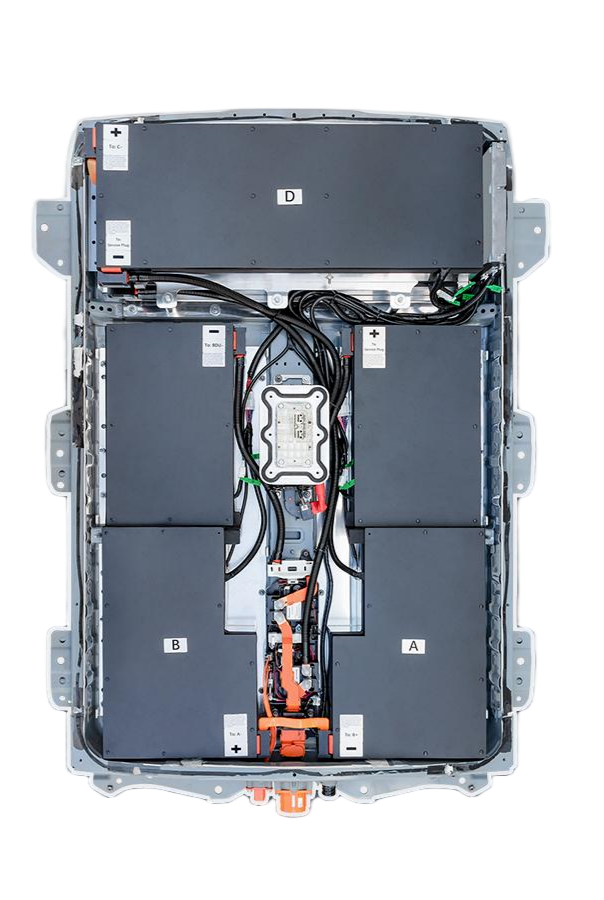
The Leaf ZE1 (produced from 2021 onwards) primarily utilizes a 62 kWh lithium-ion battery pack. This pack is known for its high energy density but is also more challenging to repair than the older 24kWh or 30kWh units due to its structural integration into the vehicle’s chassis.
Key Characteristics of the ZE1 Pack:
- Structural Design: The battery is a structural component, meaning the vehicle’s body sits directly on top of it. This requires specific lifting procedures.
- BMS Complexity: The 2021+ models use a more advanced BMS that often requires specific programming or cloning procedures when replacing the entire pack.
- Cell Chemistry: Typically utilizes high-density NMC (Nickel Manganese Cobalt) chemistry, which demands precise thermal management.
📉 The Norwegian Market Reality: Why Owners Need Your Help
Norway has one of the highest adoption rates of electric vehicles in the world, and the Nissan Leaf is a staple on its roads. However, the harsh Scandinavian winters and high mileage usage mean that battery degradation is a common issue.
The Problem:
Original Equipment Manufacturer (OEM) replacement batteries in Norway can cost upwards of NOK 150,000 (approx. $14,000 USD). This astronomical price tag forces many owners to scrap otherwise mechanically sound vehicles.
Your Solution:
By offering a compatible aftermarket replacement, you provide a lifeline. A high-quality aftermarket pack can restore the vehicle to full factory specifications at a fraction of the cost, keeping the car on the road and the owner happy.
🏆 The Professional’s Choice: OEM-Compatible Replacement
For a repair shop, time is money, and reliability is reputation. Swapping individual cells within the ZE1’s rigid case is a time-consuming, high-risk endeavor that requires specialized clean-room conditions and expensive module welding equipment.
The Smart Fix: The “Plug-and-Play” Pack Swap
The most efficient and reliable method for a professional shop is a complete pack replacement.
Here is why this is the superior strategy for your Norwegian clientele:
- Speed: A complete pack swap can be completed in 1-2 hours by a skilled technician. This is significantly faster than module replacement, which can take an entire day.
- Guaranteed Compatibility: A pre-assembled pack ensures that the Battery Management System (BMS), wiring harnesses, and physical dimensions are a perfect match for the ZE1 chassis.
- Zero Risk of Internal Faults: You eliminate the risk of human error during cell welding or module balancing, which are common causes of premature failure in refurbished packs.
⚡ Performance Comparison: Old vs. New
| Feature | Refurbished/Repairs | New OEM-Compatible Pack |
|---|---|---|
| Installation Time | 6-8 Hours+ | 1-2 Hours |
| Warranty | Often 6-12 Months | 2 Years / 80,000 km |
| Battery Health | 80-90% (Degrading) | 100% (New Cells) |
| Winter Range | Unpredictable | Up to 440km (Real World) |
🔑 Step-by-Step: The ZE1 Battery Replacement Protocol
To ensure a successful “fix” for your customer, follow this professional protocol. This process assumes you are installing a brand-new, OEM-standard compatible pack designed for the ZE1.
Phase 1: Preparation & Safety
- Lifting the Vehicle: The ZE1 requires a specific lift point configuration. Ensure the vehicle is securely mounted on a frame-engaging lift. Never work under a vehicle supported only by jacks.
- High Voltage Disconnection: Locate the Service Disconnect (SD) handle inside the car (usually behind the center console or near the driver’s seat). Pull the handle to cut the main high-voltage circuit.
- Pre-Discharge: Wait at least 10 minutes to allow the capacitors in the inverter and BMS to discharge.
Phase 2: Removal of the Old Pack
- Undertray Removal: Remove the plastic undertray to access the battery bolts.
- Connector Disconnection: Disconnect the high-voltage (HV) orange cable connector and the low-voltage signal connectors. Note the routing of these cables.
- Bolt Removal: The ZE1 pack is secured with numerous Torx or Hex bolts. Keep these organized. The pack is heavy (approx. 300kg), so use a transmission jack or a dedicated EV battery dolly.
Phase 3: Installation of the New Pack
- Visual Inspection: Before lifting, inspect the new pack’s casing for any transit damage.
- Lifting & Alignment: Carefully align the new pack. The mounting points must line up perfectly with the chassis rails.
- Reconnection: Reconnect the low-voltage communication harnesses first, then the HV connector. Ensure the orange connector clicks securely.
- Torque Settings: Reinstall the undertray bolts and chassis bolts to the manufacturer’s specified torque settings.
Phase 4: Initialization & Testing
- BMS Wake-up: Reinsert the Service Disconnect handle.
- System Check: Turn the ignition on (do not start the car). The dashboard should show no battery errors.
- Test Drive: Perform a short test drive to verify charging functionality and range calculation.
💡 Why Partner with a Specialist Supplier?
As a repair shop, your reputation hinges on the parts you install. Generic or low-quality battery packs can lead to swelling, leakage, or BMS failures, resulting in costly comebacks and damaged client relationships.
You need a supplier that understands the specific demands of the Nissan Leaf ZE1 and provides the support a professional shop requires.
What to Look For in a Supplier:
- Perfect Physical Fit: The casing must align with the ZE1 chassis rails without modification.
- Protocol Matching: The BMS must communicate seamlessly with the Leaf’s Vehicle Control Unit (VCU).
- Technical Support: Access to engineers who can guide you through the BMS programming or cloning process if required.
- Logistics: For Norway, reliable shipping and customs handling (DDP – Delivered Duty Paid) are essential to avoid delays.
🚀 Conclusion: Revive the ZE1, Restore the Trust
Fixing the Nissan Leaf ZE1 battery isn’t just about replacing a component; it’s about restoring mobility for your customers at a price they can afford. By adopting the complete pack replacement strategy with a high-quality OEM-compatible unit, your shop can offer a service that is faster, safer, and more reliable than the main dealers.
Don’t let the complexity of the ZE1 deter you. With the right approach and the right parts, you can turn a “write-off” into a “drive-away” and build a loyal customer base in the process.
❓ Frequently Asked Questions (FAQ)
Q1: Do I need to reprogram the BMS when installing a new pack on a Leaf ZE1?
A: In most cases, a high-quality compatible pack will come with a pre-programmed BMS that matches the Leaf’s protocols. However, some advanced diagnostics or cloning of the old BMS data might be required for full integration. Always consult your parts supplier for specific programming guides before installation.
Q2: How long does a new compatible battery last?
A: A new compatible pack using fresh, high-grade cells (such as those from CATL) should last for hundreds of thousands of kilometers. We offer a standard warranty of 2 years or 80,000 km, reflecting our confidence in the longevity of the product.
Q3: Is the installation really “Plug-and-Play”?
A: The physical installation is plug-and-play in the sense that the connectors match the original factory specifications. However, “Plug-and-Play” in the software sense often requires the vehicle to recognize the new battery, which usually involves a simple diagnostic tool reset or a period of “learning” cycles for the BMS to calibrate.
Q4: What is the cost advantage for the customer?
A: A new compatible pack typically costs 50% less than purchasing a replacement from a Nissan dealership. For a Leaf ZE1, this can mean saving over $7,000 – $8,000 USD, making it the only financially viable option for most owners.
Q5: Can I get support if I encounter an issue during installation?
A: Yes. Professional suppliers offer dedicated technical support for repair shops. This includes pre-sales VIN compatibility checks and post-sales technical guidance to ensure a smooth installation.
Ready to offer the best solution for your Nissan Leaf ZE1 customers? Contact our technical experts now for customization and wholesale pricing.