A Comprehensive Guide to e-NV200 Evalia Battery Repair for Canadian Repair Shops
The Nissan e-NV200 Evalia remains a workhorse for fleets and families across Canada. However, as these vehicles age, battery degradation becomes the primary obstacle to their longevity. For Canadian repair shops, this presents a significant opportunity: providing reliable, cost-effective battery repairs.
In the harsh Canadian climate, maintaining battery health is crucial. This guide is designed for technicians and shop owners looking to master e-NV200 battery repair, covering common failure points, repair strategies, and how to source high-quality replacement packs to keep your customers mobile.
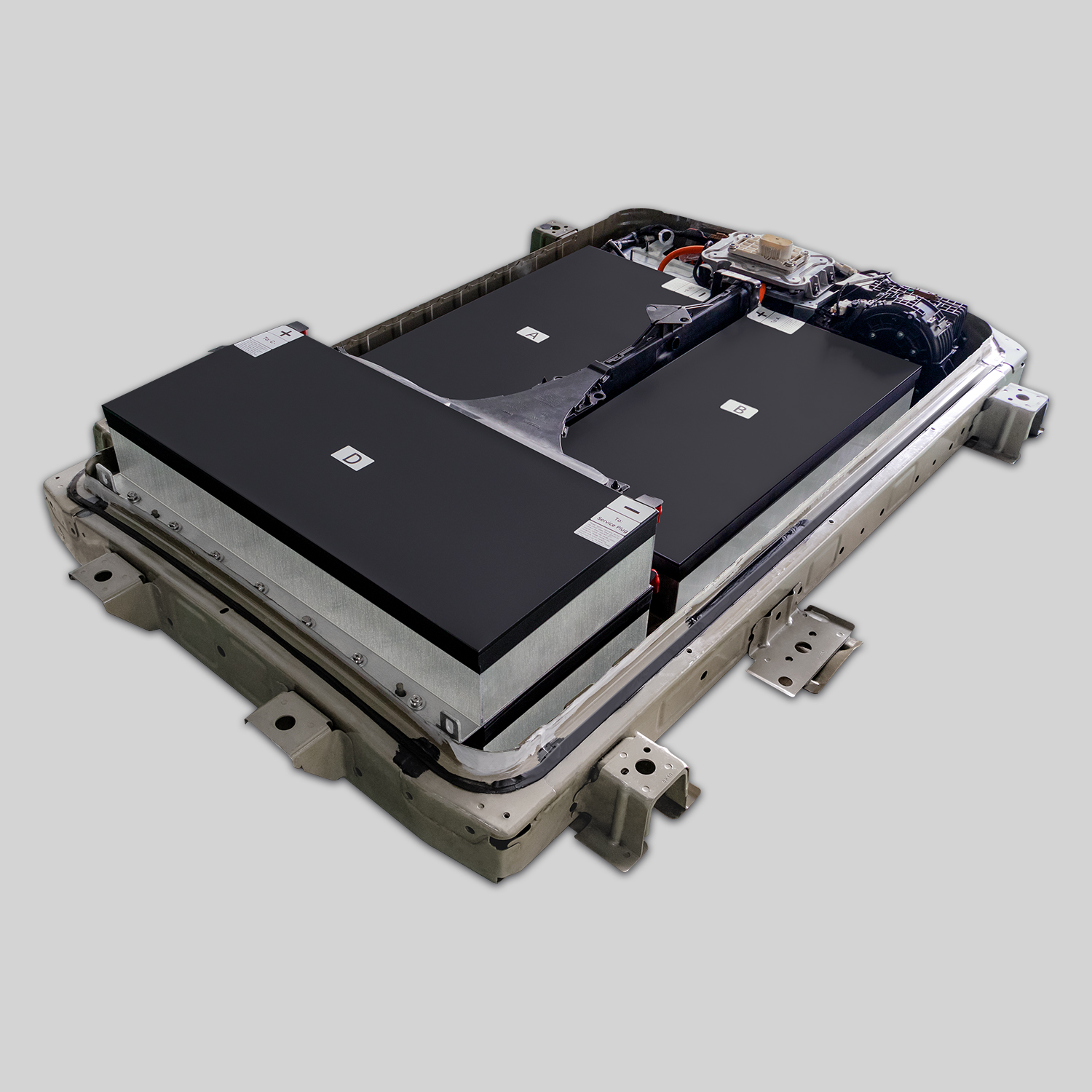
Understanding the e-NV200 Battery Architecture
Before diving into repair, it’s essential to understand the “enemy.” The e-NV200 typically utilizes a 24-module lithium-ion battery pack. Unlike the Nissan Leaf, which has faced well-documented thermal management issues, the e-NV200’s battery is generally robust but not immune to age-related wear.
Common Failure Modes:
- Module Imbalance: As cells age, their capacity to hold a charge decreases unevenly. This leads to “weak” modules dragging down the entire pack’s performance.
- BMS (Battery Management System) Errors: Often, the battery pack is fine, but the BMS requires recalibration or replacement.
- Physical Damage: Road debris or water ingress (though rare in this sealed unit) can cause cell failure.
The DIY Repair vs. Full Replacement Dilemma
For many Canadian shops, the question arises: should you attempt to repair the existing pack or replace it entirely?
1. Module-Level Repair (The “Surgery” Approach)
This involves opening the battery casing, testing individual modules with a battery analyzer, identifying the faulty ones, and replacing only those modules.
- Pros: Lower material cost if you can source individual modules.
- Cons:
- Labor Intensive: Requires specialized equipment and safety protocols (high voltage!).
- Warranty Risk: Mixing old and new modules can lead to future imbalances. The warranty on the new modules may be voided if not installed perfectly.
- Time: Takes significantly longer than a drop-in replacement.
2. Full Pack Replacement (The “Plug-and-Play” Solution)
This is the recommended approach for most commercial repair shops. Instead of repairing the old pack, you install a brand-new, pre-assembled battery pack.
- Pros:
- Speed: A full replacement can be done in 1-2 hours by a skilled technician.
- Guaranteed Performance: You get a fresh 100% State of Health (SOH) with a full warranty.
- Customer Satisfaction: The customer gets a car with “new car” range instantly.
- Cons: Higher upfront cost for the shop/owner, though this is offset by labor savings.
Why Canadian Shops Choose OEM-Compatible Replacement Packs
For Canadian repair shops looking to maximize profit margins while offering competitive pricing to customers, sourcing aftermarket or OEM-compatible battery packs is the key strategy.
The Cost Advantage:
Replacing an e-NV200 battery with an Original Equipment Manufacturer (OEM) part can cost upwards of $12,000 – $16,000 CAD. This price point often leads customers to scrap the vehicle.
By sourcing directly from manufacturers specializing in Nissan EV batteries, shops can acquire brand-new 40kWh or 50kWh lithium battery packs at a fraction of the cost—often saving 50% or more compared to OEM prices.
Key Features to Look for in a Sourced Pack:
- CATL Grade Cells: Ensure the pack uses high-quality, brand-new cells (like those from CATL) rather than recycled or degraded cells.
- Plug-and-Play Compatibility: The connectors and mounting brackets must match the OEM specifications perfectly to avoid modifications.
- Robust Warranty: A strong warranty (such as 2 years / 80,000 km) protects your shop from liability and gives the customer peace of mind.
Step-by-Step: Installing a New e-NV200 Battery Pack
For shops ready to perform the replacement, here is a streamlined guide based on industry best practices.
Tools Required:
- Torque wrench
- Insulated socket set
- EV safety gloves and mat
- Diagnostic scanner (for post-installation reset)
Installation Procedure:
- Safety First: Disconnect the 12V auxiliary battery to ensure the high-voltage system is completely offline.
- Drain & Remove: Remove the underbody panels. You may need to drain the coolant if the thermal management lines are connected to the pack.
- Disconnect HV: Carefully disconnect the high-voltage orange cables from the existing battery. Mark their positions to ensure correct reconnection later.
- Remove Mounts: Unscrew the battery mounting bolts. The e-NV200 battery is heavy; use a transmission jack or lift to support it safely.
- Install New Pack: Position the new battery pack. Crucially, ensure the new pack is the exact same model (e.g., 40kWh or 50kWh) as the old one. Connect the HV cables and torque to specification.
- Reconnect & Test: Reinstall the underbody panels. Reconnect the 12V battery.
- BMS Reset: This is the most critical step. Use a diagnostic tool to reset the Battery Management System. The car needs to recognize the “new” battery. If the BMS isn’t reset, the car may display errors or limit power.
Expert Tip: If you encounter BMS programming errors during installation, having a supplier with remote video guidance (where an engineer walks you through the diagnostics in real-time) is invaluable.
Frequently Asked Questions (FAQ)
Q1: How much does an e-NV200 battery replacement cost in Canada?
A: Using an OEM part, expect to pay $12,000-$16,000 CAD. However, by sourcing a high-quality aftermarket pack (like those from CNS BATTERY), the cost can be reduced to approximately $6,000-$8,000 CAD, making the repair economically viable for the vehicle owner.
Q2: Can I mix old and new modules in an e-NV200 battery?
A: It is not recommended. Mixing old and new modules creates a chemical imbalance. The old modules will act as a bottleneck, reducing the efficiency of the new modules and potentially causing the new cells to degrade rapidly. A full pack replacement is the only long-term solution.
Q3: How long does the installation take?
A: For a professional technician, installing a complete new battery pack typically takes 1 to 2 hours. This includes the time for disconnecting the old pack, installing the new one, and performing the BMS reset. This is significantly faster than attempting a module-by-module repair.
Q4: Are aftermarket battery packs safe for the Canadian climate?
A: Yes, provided you source from a reputable manufacturer. Quality packs are designed with thermal management systems to handle extreme temperatures. Look for packs that offer a wide operating temperature range and have undergone rigorous testing for cold-weather performance.
Ready to Revive Your e-NV200 Fleet?
Don’t let battery degradation force your customers to scrap reliable vehicles. By partnering with a supplier that offers brand-new, OEM-compatible e-NV200 battery packs, you can offer a “good as new” solution at half the price.
Get Your Custom Quote Now
Ensure your repair shop is stocked with the right parts. Get a free, no-obligation quote for e-NV200 battery packs and provide your Canadian clients with the best value in EV repair.