Pros and Cons of BMW i3 Battery Lifespan
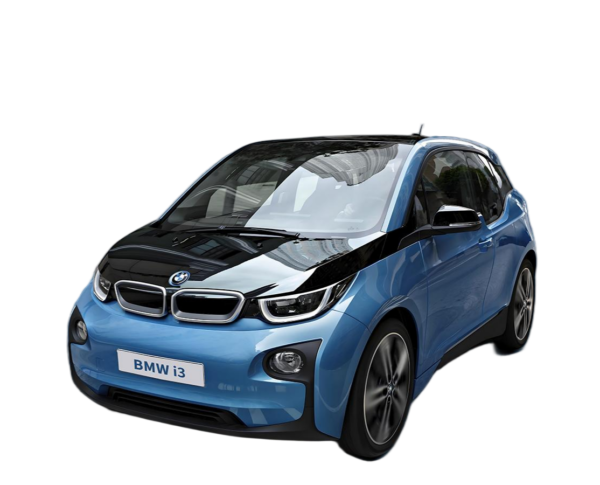
The BMW i3, a pioneer in the premium electric vehicle segment, is renowned for its innovative design and driving dynamics. However, for owners of the 2014-2024 models, the battery lifespan remains a critical topic. As a vehicle ages, understanding the degradation timeline, potential failure points, and upgrade options is essential for maintaining performance and value.
At CNS BATTERY, we specialize in OEM-compatible replacement solutions for the BMW i3. Leveraging our decade of experience and partnerships with top-tier cell manufacturers like CATL, we provide insights into what you can truly expect from your electric powertrain.
Understanding the BMW i3 Battery Chemistry
To evaluate lifespan, you must first understand the chemistry under the hood. The BMW i3 utilized two primary battery technologies during its production run:
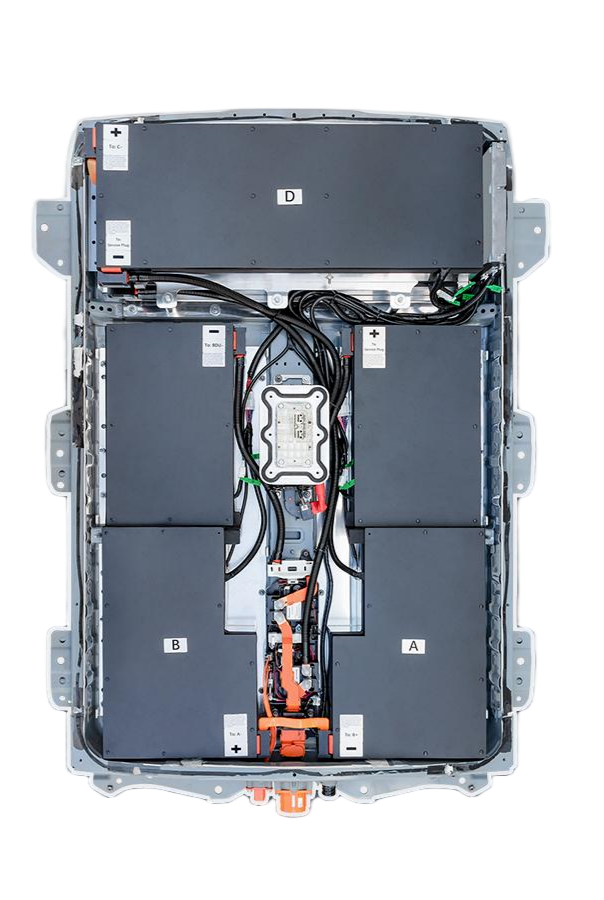
- Liquid-Cooled Lithium-Ion (Standard/Range Extender Models): These used a 60Ah or 94Ah configuration. The older 60Ah models (pre-2018) are more susceptible to degradation due to less advanced thermal management compared to modern standards.
- Improved Thermal Systems (Later Models): Later iterations improved cooling efficiency, directly impacting the long-term health of the lithium-ion cells.
Unlike combustion engines that wear due to friction, EV batteries degrade due to chemical reactions. The electrolyte breaks down over time, and the lithium ions get trapped, reducing the total energy the battery can store.
The Pros: Why the i3 Battery is Built to Last
1. Robust Initial Engineering BMW is synonymous with engineering excellence, and the i3 battery pack is no exception. The original factory packs were designed with a “buffer” zone. This means the car displays 100% charge, but the physical cells operate within a slightly narrower window (e.g., 5% to 95%) to prevent overcharging and deep discharging, which significantly extends the physical lifespan of the lithium cells.
2. Predictable Degradation Curve BMW i3 batteries do not die suddenly; they fade slowly. Most owners report a linear degradation pattern. On average, a well-maintained i3 battery retains 70-75% of its original capacity after 8-10 years (approximately 100,000 miles). This means if you bought the car for city commuting, it likely still serves that purpose effectively even in its later years.
3. Recyclability and Serviceability One major advantage of the i3’s design is its modular structure. Instead of replacing the entire pack, individual modules can theoretically be swapped. This modularity makes the battery lifespan discussion not just about “how long until it dies,” but “how easy is it to fix.” This is where high-quality aftermarket solutions, like those from CNS, offer a second life to these vehicles.
The Cons: Challenges of Aging Batteries
1. Capacity Fade and Range Anxiety The most obvious con is the reduction in range. While the car might have started with a 114-mile (183 km) range (for the 33 kWh model), a battery at 70% health reduces that to roughly 80 miles. For drivers who need to rely on their vehicle for longer trips or in colder climates, this can render the car impractical without significant planning.
2. Thermal Management Limitations While the i3 has a liquid cooling system, it is not as aggressive as the systems found in modern Teslas or Hyundai Ioniq models. In hot climates, the battery temperature can rise, accelerating the degradation process. Owners in regions with extreme summers often report faster capacity loss compared to those in temperate zones.
3. High Cost of OEM Replacement This is the critical factor that defines the “effective” lifespan of a BMW i3. Replacing the battery with a brand-new OEM unit from a dealership can cost upwards of $16,000 to $20,000. Given the current resale value of used i3s, this economic equation often forces owners to scrap the car rather than repair it, effectively ending the car’s lifespan prematurely.
Extending Your i3’s Life: The CNS BATTERY Solution
When the original battery reaches the end of its viable lifespan, the decision often comes down to scrapping the car or investing in a replacement. At CNS BATTERY, we believe the BMW i3 is too iconic to retire early.
We offer a superior alternative to both expensive OEM replacements and unreliable refurbished packs.
1. Brand New, High-Grade Cells Unlike “remanufactured” batteries that reuse old, degraded cells, CNS BATTERY utilizes brand new, A-grade cells sourced from the world’s leading manufacturers (including CATL). This ensures your i3 gets a fresh start with a battery that has zero prior wear and tear.
2. OEM-Level Compatibility & Safety Our packs are engineered to meet or exceed the original BMW specifications. We utilize advanced Battery Management Systems (BMS) and rigorous testing protocols to ensure that our batteries integrate seamlessly with your i3’s electronics, providing the same safety and performance standards you expect from the brand.
3. Cost Efficiency We understand the economic hurdle. CNS BATTERY solutions are typically priced at 50% or less of the OEM dealership cost. This makes economic sense for owners to revive their vehicles without the financial burden of a new car purchase.
4. Comprehensive Warranty We stand by our product. While many aftermarket brands offer vague or short warranties, CNS provides a robust 2-year / 80,000 km warranty. This covers defects in materials and workmanship, as well as performance degradation, ensuring your investment is protected for the long haul.
How to Maximize Your Battery Lifespan
Whether you are running on the original pack or a new CNS replacement, these tips will maximize your battery lifespan:
- Avoid 100% SoC for Daily Driving: Keep the charge between 20% and 80% whenever possible. The BMW i3 has a “Range” mode that limits the charge to preserve the battery.
- Minimize DC Fast Charging: While convenient, frequent DC Fast Charging generates heat, which is the enemy of lithium-ion cells. Use Level 2 (AC) charging for daily top-ups.
- Climate Control: If you live in a hot area, try to park in the shade or a garage. Heat is the primary accelerator of chemical degradation.
Conclusion
The lifespan of a BMW i3 battery is not a fixed number; it is a variable determined by usage, climate, and maintenance. While the original packs are well-engineered, the high cost of OEM replacement has historically been the Achilles’ heel of this vehicle’s longevity.
By choosing a CNS BATTERY replacement, you break this cycle. You gain the performance of a brand-new powertrain at a fraction of the cost, effectively doubling the usable life of your BMW i3. Don’t let an aging battery end your electric journey prematurely.
Ready to revive your BMW i3 with a reliable, long-lasting battery solution?
Contact our technical experts today for a free quote and ensure your vehicle is powered by the best technology available.
Get Your Free Custom Quote Now
Frequently Asked Questions (FAQ)
1. How do I check the current health (SOF/SOC) of my BMW i3 battery? You can check the State of Health (SOH) using a professional OBD2 scanner compatible with BMW’s ISTA system. Alternatively, many independent mechanics can read the “G1” and “G2” cell block voltages to determine if the cells are balanced and healthy. If you are unsure, contact our support team; we can guide you through a basic VIN check or diagnostic procedure.
2. What is the installation time for a CNS BMW i3 battery? For a professional technician, the installation typically takes 1 to 2 hours. The process is designed to be plug-and-play, matching the original OEM connectors. We provide detailed installation manuals and video tutorials. For DIY enthusiasts, having a lift and basic mechanical knowledge is recommended. Our customer service also offers video call guidance to ensure a smooth installation.
3. Does a CNS BATTERY replacement affect my car’s warranty or software? Our batteries are engineered for seamless integration. They communicate with the BMW’s existing software without requiring “hacking” or bypassing safety protocols. We perform VIN compatibility checks before shipping to ensure the battery matches your specific model year and trim, preventing any software conflicts.
4. What payment methods do you accept for international orders? We offer a variety of secure payment options to facilitate international transactions. This typically includes bank transfers (T/T) and major credit cards. For specific regional payment gateways or bulk order financing, please contact our sales department directly to arrange the best solution for your needs.
5. How long does shipping take to my country? We ship globally. Transit times vary depending on the service selected (Air vs. Sea) and your country’s customs regulations. Standard shipping usually takes 3 to 6 weeks. We handle all necessary documentation, including DDP (Delivered Duty Paid) services for many regions, to ensure a hassle-free delivery experience.