Here is the SEO-optimized article tailored for the BMW i3 owner, focusing on the critical compatibility features and conversion.
Must-Have Features for BMW i3 Battery Compatibility
The BMW i3 Battery Compatibility Checklist
If you are facing the prospect of replacing your BMW i3 battery, you are likely navigating a complex landscape of costs, technical specifications, and compatibility concerns. The original BMW i3 battery packs are expensive to replace through dealerships, leading many owners to explore high-quality aftermarket alternatives.
At CNS BATTERY, we understand that the primary concern for any BMW i3 owner considering a replacement is compatibility. You need a solution that fits perfectly, communicates seamlessly with your car’s systems, and does not require complex modifications.
This guide outlines the must-have features for BMW i3 battery compatibility, ensuring you select a pack that offers a plug-and-play experience, safety, and long-term reliability.
1. Original Equipment Manufacturer (OEM) Dimensions and Mounting Points
The most critical physical aspect of compatibility is ensuring the new battery pack fits precisely within the chassis of your BMW i3.
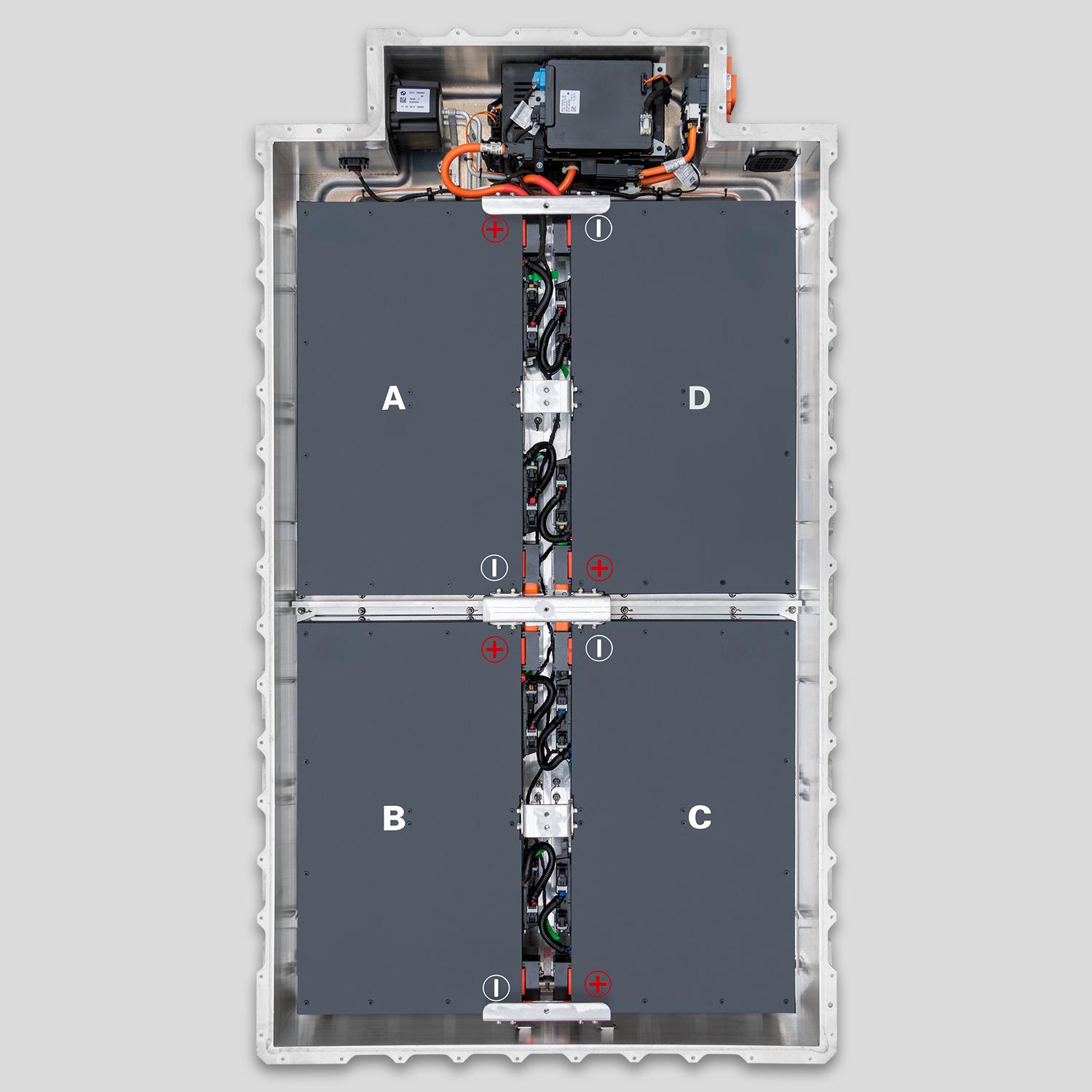
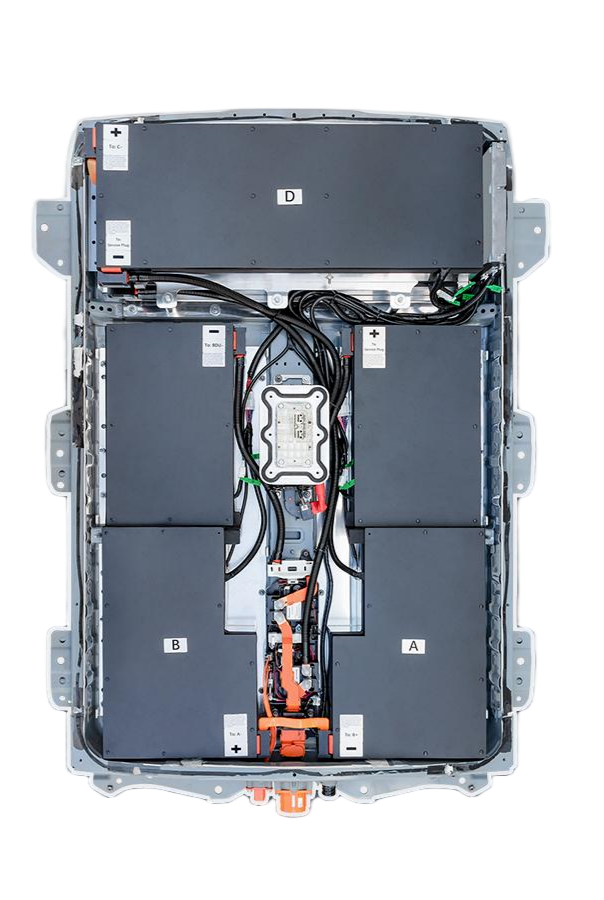
- Exact Fitment: A compatible aftermarket battery must replicate the OEM dimensions down to the millimeter. This ensures the battery sits correctly in the undercarriage without interfering with suspension components or ground clearance.
- Mounting Brackets: The mounting points on the battery case must align perfectly with the vehicle’s chassis mounts. A misaligned bracket not only makes installation difficult but also creates safety hazards due to vibration and movement.
- Case Integrity: The battery case should be robust enough to withstand the rigors of the road, matching the structural integrity of the original design.
Why it matters: If the battery doesn’t bolt in easily with the existing hardware, it is not a compatible solution. At CNS, our BMW i3 battery packs are engineered to meet OEM standards, ensuring a perfect mechanical fit for the specific i3 model year.
2. Communication Protocol and BMS Integration
The “brain” of the battery is the Battery Management System (BMS). For a replacement battery to work, it must “speak the same language” as your BMW i3’s vehicle management system.
- CAN Bus Communication: The battery must support the specific CAN bus protocol used by BMW. This allows the vehicle to read the State of Charge (SOC), State of Health (SOH), and temperature data.
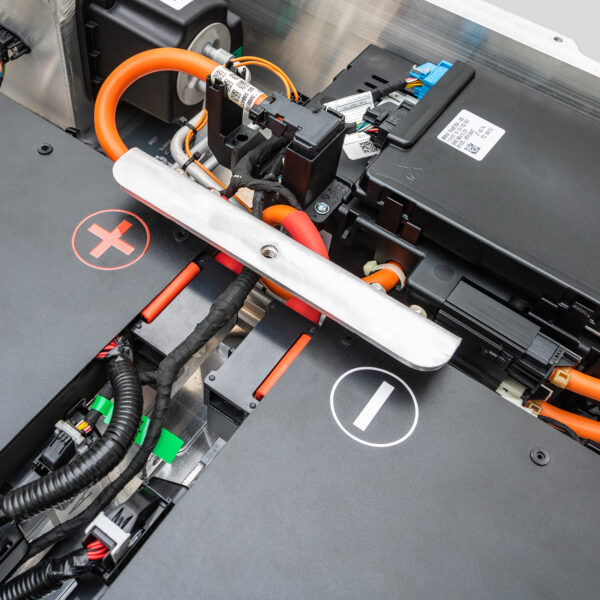
- Signal Line Matching: The physical connector (plug) and the internal wiring of the signal line must match the OEM specifications. This includes the pin configuration and the resistance values.
- No Coding Required: The gold standard of compatibility is a “Plug-and-Play” experience. If a battery requires you to cut wires, solder adapters, or reprogram the car’s ECU extensively, it is not truly compatible.
Why it matters: A compatible BMS prevents error codes (like “Check Control Messages”) and ensures the car’s dashboard displays the correct battery range. Our packs are designed to integrate seamlessly with the i3’s systems, eliminating the need for complex coding in most cases.
3. Voltage and Capacity Matching
While some owners upgrade to higher-capacity packs (e.g., 45kWh or 62kWh), the electrical characteristics must still be compatible with the vehicle’s drive train.
- Nominal Voltage: The battery voltage must match the specifications of the BMW i3’s electric motor and power electronics. A mismatch here can damage the inverter or the motor.
- Charge Curve: The battery’s charging algorithm must be compatible with the onboard charger. The BMS must manage the charging current correctly to prevent overcharging.
- Capacity Options: True compatibility means offering options that fit within the car’s designed parameters. Whether you choose a 42kWh, 45kWh, or 62kWh upgrade, the pack must operate within safe voltage windows.
Why it matters: Matching the voltage ensures the car drives normally without “limp mode” restrictions. Our batteries utilize high-grade cells to maintain stable voltage curves throughout the discharge cycle.
4. Genuine Grade-A Battery Cells
Compatibility is not just about shape and software; it is also about the quality of the hardware inside.
- Cell Chemistry: The battery chemistry (typically NMC for the i3) must be consistent to ensure thermal stability and performance.
- Brand New Cells: Using recycled or degraded cells from other applications can lead to incompatibility issues due to mismatched internal resistance.
- Source Quality: Using cells from top-tier manufacturers (such as CATL) ensures the internal components meet the same rigorous standards as the original.
Why it matters: Poor quality cells can cause the BMS to detect imbalances, leading to sudden power loss or refusal to charge. CNS BATTERIES uses brand-new, Grade-A cells to guarantee performance parity with OEM specifications.
5. Safety and Thermal Management
The BMW i3 relies on a specific thermal management system to keep the battery within an optimal temperature range.
- Cooling Interface: A compatible battery must have the correct interface for the vehicle’s liquid cooling system. This includes the inlet and outlet ports aligning correctly with the car’s hoses.
- Temperature Sensors: The placement and resistance of the temperature sensors must match the OEM design so the car can accurately monitor battery heat and activate the cooling system when necessary.
- Safety Disconnects: The battery must include safety features like a Manual Service Disconnect (MSD) or equivalent that integrates with the vehicle’s high-voltage safety protocols.
Why it matters: Without proper cooling compatibility, the battery can overheat, leading to reduced lifespan or safety cutoffs while driving.
Why Choose CNS BATTERY for Your BMW i3?
Selecting a replacement battery is a significant investment. At CNS BATTERY, we don’t just sell batteries; we provide OEM-compatible powertrain solutions.
- Precision Engineering: We specialize in Nissan and BMW models, meaning our BMW i3 batteries are reverse-engineered to match the original factory specifications exactly.
- Cost Efficiency: You save over 50% compared to dealership prices without sacrificing quality.
- Comprehensive Warranty: We stand by our compatibility claims with a robust warranty (up to 2 years or 80,000 km), far exceeding industry standards for aftermarket parts.
- Global Support: Whether you are a DIY enthusiast or a professional mechanic, our technical support team is available to guide you through the installation process.
Don’t gamble with your BMW i3’s performance. Ensure you get a battery that fits perfectly, communicates flawlessly, and lasts for years.
Frequently Asked Questions (FAQ)
Q1: Will a CNS BATTERY for the BMW i3 trigger error codes on the dashboard? A: No. Our BMW i3 batteries are designed with OEM-standard BMS protocols. In most cases, the installation is plug-and-play, and the vehicle recognizes the battery immediately without any error messages or the need for complex coding.
Q2: Can I install a higher capacity battery (like a 62kWh) in my older BMW i3? A: Yes. We offer upgrade solutions for the BMW i3. However, it is essential to ensure that the physical dimensions and the communication protocols of the higher-capacity pack are compatible with your specific i3 chassis. Our technical team can verify this based on your VIN.
Q3: Do I need special tools to install a compatible BMW i3 battery? A: No special tools are required beyond standard automotive mechanics tools (wrenches, sockets). Because our batteries match OEM dimensions and connectors, they utilize the existing high-voltage and signal cables in your vehicle.
Q4: What kind of cells are used in the CNS BATTERY BMW i3 packs? A: We exclusively use brand-new, Grade-A lithium-ion cells from top-tier manufacturers like CATL. We do not use recycled or refurbished cells, ensuring maximum safety, range, and cycle life.
Ready to Restore Your BMW i3’s Range?
Don’t let battery anxiety keep you off the road. Get a free, personalized quote today and experience the CNS BATTERY difference.