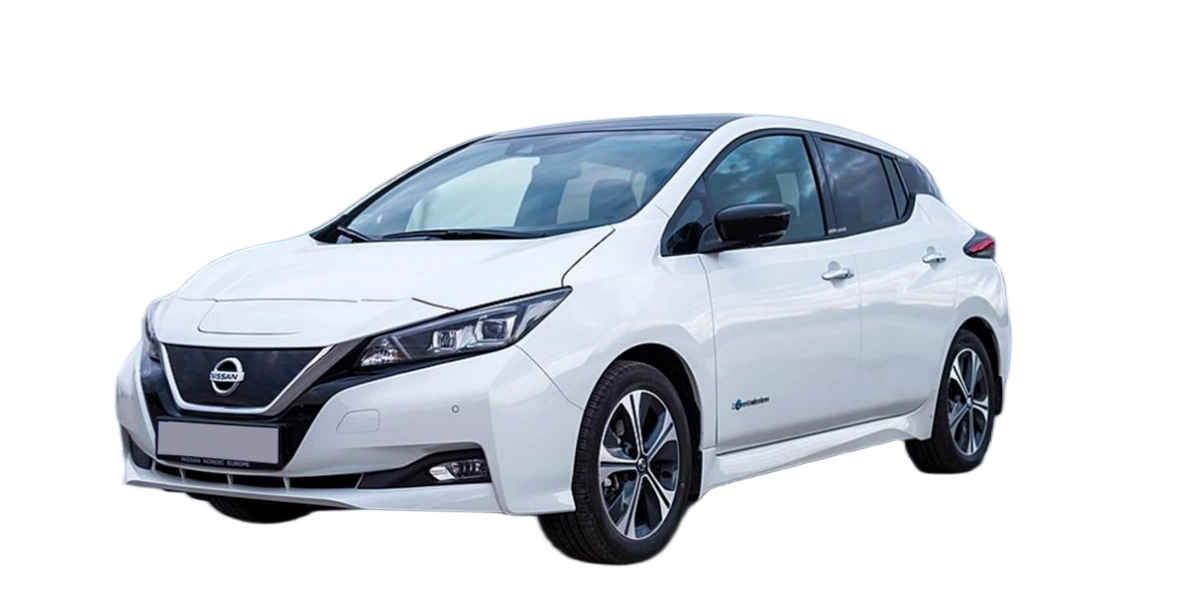
The Ultimate Guide to the Best Reliable Nissan Leaf Lithium Battery
If you own a Nissan Leaf and are facing the dreaded “battery degradation,” you are likely facing a tough decision. The original equipment manufacturer (OEM) replacement costs can be astronomical, often exceeding $16,000 USD. This financial burden leads many Leaf owners to search for a solution that balances affordability, reliability, and longevity.
The question on every owner’s mind is simple: “What is the best reliable Nissan Leaf lithium battery?”
After years of research and development, the answer lies not in blindly trusting the dealership markup, but in understanding the technology behind the pack. The most reliable aftermarket solution currently available utilizes brand-new CATL (Contemporary Amperex Technology Co. Limited) lithium battery cells. These cells, manufactured by the world’s largest battery factory, offer top-tier performance and safety standards that surpass the quality of refurbished or recycled batteries commonly found on the market.
This guide will break down why new CATL cells are the superior choice for your Nissan Leaf, specifically for the ZE0, AZE0, and ZE1 models.
Why New CATL Cells Define Reliability
When it comes to electric vehicle (EV) batteries, the cell chemistry is the heart of the system. Many budget options on the market use “repaired” or “reused” cells from discarded batteries. These cells are often aged, have inconsistent performance, and carry a high risk of swelling or sudden power failure.
In contrast, a battery pack built with brand-new CATL lithium cells guarantees a fresh lifecycle. CATL is a global leader in battery technology, and their cells are renowned for:
- High Energy Density: This translates directly to longer driving range.
- Thermal Stability: Ensuring the battery remains safe and efficient in both hot summer and cold winter conditions.
- Long Cycle Life: Providing a lifespan far exceeding that of refurbished batteries.
Choosing a pack with new CATL cells means you are not inheriting someone else’s battery problems. You are getting a fresh, factory-standard power source designed to last.
The Cost vs. Value Equation
Let’s address the elephant in the room: cost. While an OEM replacement might cost over $16,000, a high-quality aftermarket solution using new CATL cells typically costs around $8,200.
This represents a saving of over 50%. However, the value proposition is not just about the upfront price. It is about the “cost per mile” over the battery’s lifespan.
Refurbished batteries might seem cheaper initially (often priced around 70%-80% of the OEM cost), but they come with significant hidden costs:
- Frequent Repairs: Aged cells degrade faster, leading to higher maintenance bills.
- Short Lifespan: You might need to replace them again in just a few years.
- Poor Warranty: Many lack clear warranty terms or offer very short coverage periods.
A new CATL-based battery offers the best value for money. You pay half the price of OEM but receive a quality experience that is twice as good as a refurbished battery, backed by a robust warranty.
Warranty: The Safety Net You Need
One of the primary concerns when stepping away from the dealership is warranty coverage. This is where the best reliable batteries differentiate themselves.
The industry standard for aftermarket batteries is often vague or short. However, the best solutions on the market today offer an unbeatable 24-month / 80,000-kilometer warranty. This coverage includes protection against defects in materials and workmanship, with free replacement or repair options.
Furthermore, this warranty often includes prorated coverage for performance degradation, ensuring your battery maintains at least 70% capacity over the warranty period. This is a standard that surpasses many original car batteries and provides immense peace of mind for long-term ownership.
Real-World Performance: Range and Installation
The ultimate test of any battery is how it performs on the road. Owners who have upgraded to a 62kWh or 68kWh pack with new CATL cells report significant improvements.
For instance, a Nissan Leaf ZE0 (2014 model) owner upgraded from a degraded 24kWh/30kWh pack to a 68kWh lithium battery pack. The result? The full charge range increased from a struggling 80km to a robust 470km. Even in cold winter conditions, the range maintains around 400km, which is perfect for daily commuting and long-distance travel.
Regarding installation, the process is designed to be plug-and-play. Most professional technicians can complete the swap in 1-2 hours. The wiring connectors are color-coded to match the original factory parts, requiring no modifications. Additionally, comprehensive support, including step-by-step installation videos and remote video guidance, ensures that even complex programming issues (like BMS setup) can be resolved quickly, often within 5 minutes with customer support.
Comparison: What Makes a Battery “Best”?
To help you visualize why a new CATL-based battery is the best choice, let’s compare it to the alternatives.
| Comparison Dimensions | Best Reliable Battery (New CATL) | Refurbished/Recycled Batteries | Original Manufacturer (OEM) |
|---|---|---|---|
| Battery Cell Quality | Utilizes brand-new, original battery cells from CATL (top-tier performance). | Uses discarded batteries; cells are aged and performance is degraded. | Supplied by OEM; guaranteed quality but no additional tech advantage. |
| Battery Life | Stable and durable, lifespan far exceeds refurbished options. | Lifespan is significantly shortened; risks of swelling/power failure. | Stable lifespan, meeting factory standards. |
| Warranty Coverage | 24-month / 80,000km official warranty (often exceeds OEM standards). | No clear warranty or extremely short periods (e.g., 6 months). | Standard warranty (usually shorter than 80,000km). |
| Price Advantage | Only about 50% of the OEM price, high value for money. | High price (70%-80% of OEM) with low cost-effectiveness. | Expensive, includes brand premium. |
| Core Advantage | Best value for money: New cells, extended warranty, affordable. | High risk, frequent repairs needed. | Strong brand endorsement, but poor value. |
Conclusion: Revive Your Nissan Leaf
Finding the best reliable Nissan Leaf lithium battery doesn’t mean you have to go broke at the dealership. It means making an informed decision based on technology and value.
By choosing a battery pack built with brand-new CATL lithium cells, you are investing in a solution that offers the ultimate safety, long battery life, and a driving range that feels like a brand-new car. With savings of over 50% compared to OEM prices and a warranty that surpasses industry standards, this is the smart choice for any Nissan Leaf owner.
Don’t let battery degradation end your EV journey. Explore the options available to you and get back on the road with confidence.
Ready to upgrade your Nissan Leaf? Contact our technical experts now for customization and a free quote.
Frequently Asked Questions (FAQ)
Q1: Are these batteries compatible with my specific Nissan Leaf model?
Yes, these batteries are designed specifically for Nissan Leaf models, including ZE0, AZE0, and ZE1. Compatibility is based on OEM standards, including voltage, capacity, and interface matching. To confirm, you can provide your vehicle’s year, model number, and VIN code to the customer service team for instant verification.
Q2: How long does the installation take?
Installing the battery typically takes 1-2 hours. For a professional technician, it may take as little as 50 minutes. The process is safe and simple, and comprehensive installation guides (including videos and PDFs) are provided. It is recommended to have it installed by a certified technician to avoid warranty issues.
Q3: What is the warranty policy?
The best reliable batteries come with a minimum 2-year / 80,000km warranty (whichever comes first). This covers manufacturing defects, and free replacement or repair will be provided if any problems occur. The warranty also includes protection against performance degradation, ensuring the battery maintains at least 70% capacity.
Q4: How much range can I expect after the upgrade?
The range depends on the specific pack you choose (e.g., 40kWh, 62kWh, or 68kWh). For example, upgrading a 2014 Leaf ZE0 from an old degraded pack to a 68kWh pack can increase the full charge range to approximately 470km. Real-world results may vary slightly based on driving conditions and climate.
Q5: What payment and delivery methods are available?
Various secure payment options are available. For delivery, the company offers DDP (Delivered Duty Paid) service to most countries worldwide, meaning they handle shipping, customs duties, and clearance. They partner with major carriers like DHL and FedEx to ensure safe and compliant transport of the lithium batteries.