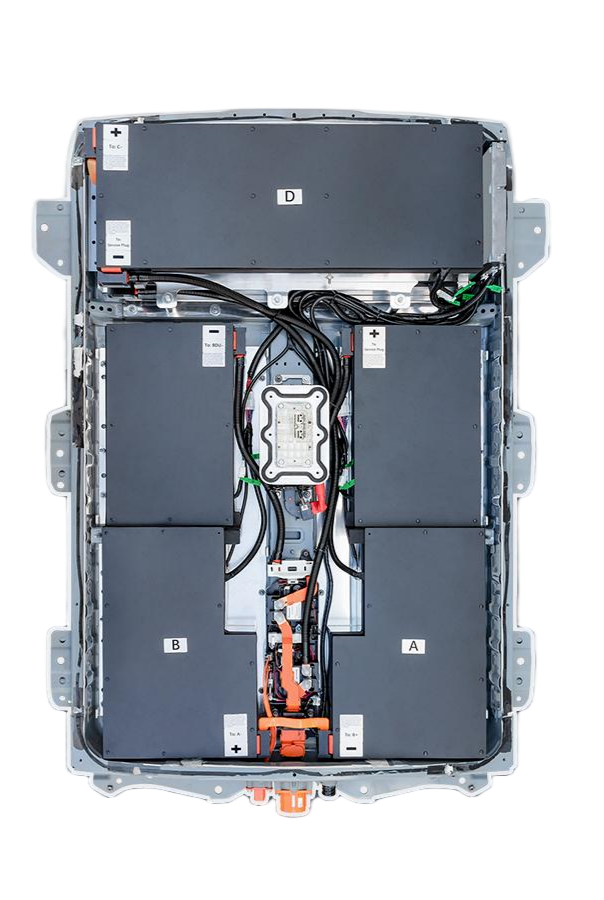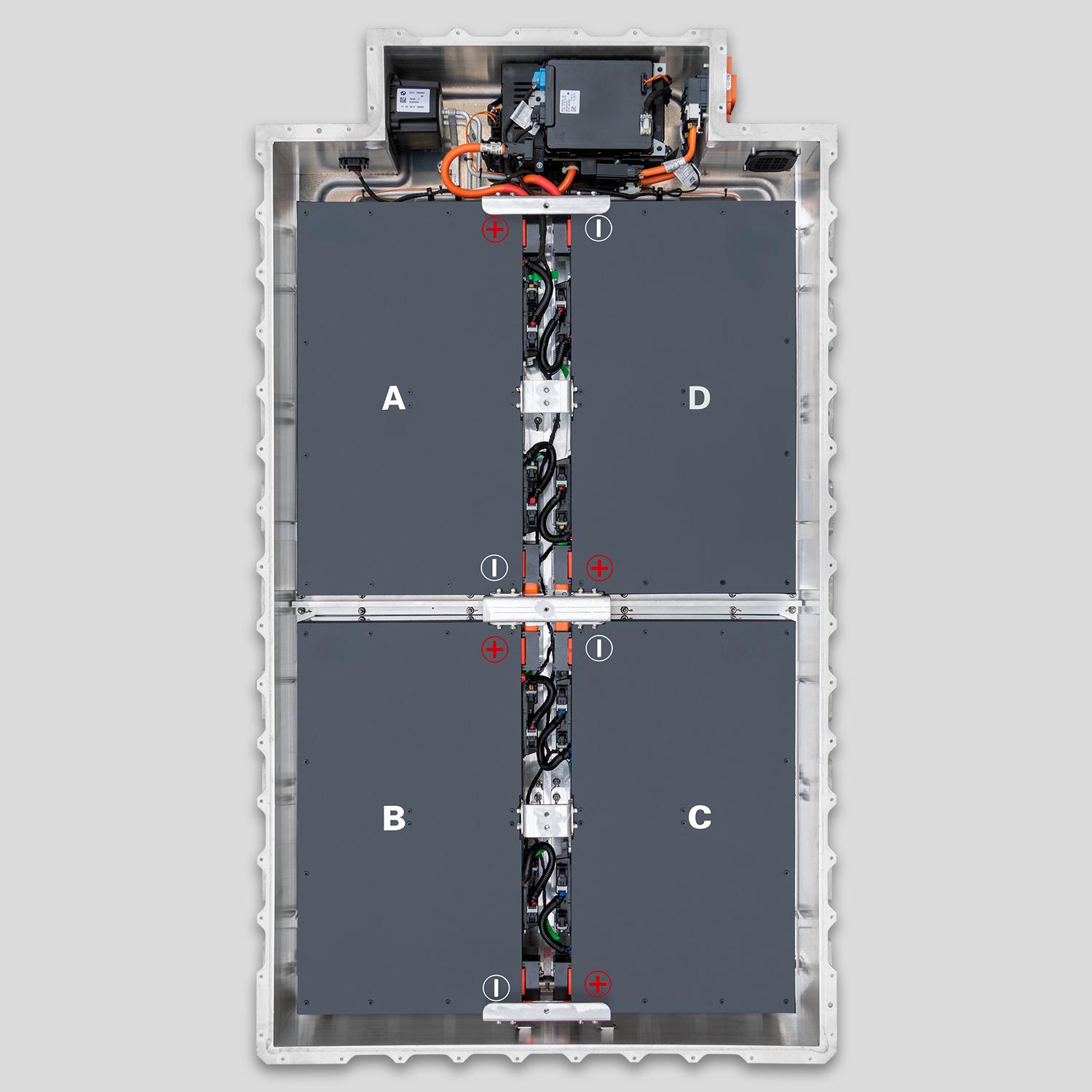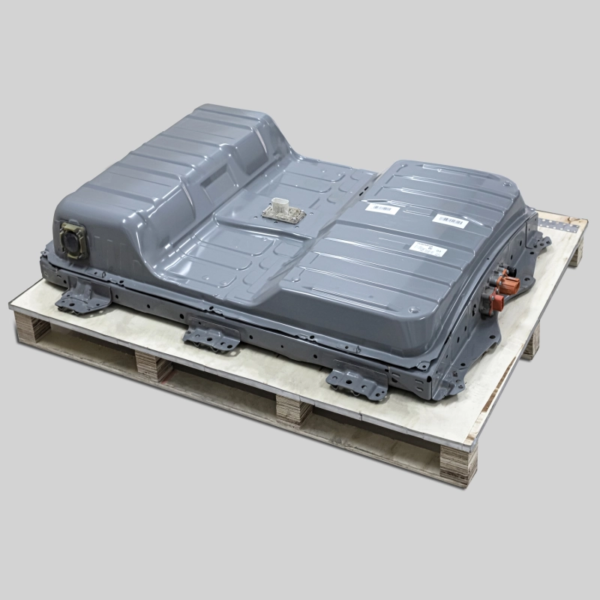
Bulk Nissan EV Power Battery vs AESC
Is your Nissan Leaf or e-NV200 struggling with range anxiety? If you drive a Nissan EV, you likely know the name AESC (Automotive Energy Supply Corporation), the original manufacturer of the lithium-ion packs in models like the Leaf ZE0, AZE0, and e-NV200. While AESC batteries defined the early EV era, they often degrade significantly after 5–8 years, leaving owners with limited and expensive options.
For savvy EV owners looking to revive their vehicle’s performance without breaking the bank, a new generation of high-performance replacements has emerged. This article compares the legacy of the AESC battery against the modern, bulk wholesale solutions offered by specialized manufacturers, focusing on the value and technology available today.
The Legacy of AESC: Pioneers of the EV Revolution
AESC was the powerhouse behind the early success of the Nissan Leaf. Their laminated lithium-manganese-oxide (LMO) and later LMO/NMC hybrid cells were revolutionary for their time, powering millions of Leafs (ZE0, AZE0) and e-NV200 vans globally.
However, as a first-generation technology, AESC batteries have inherent limitations that modern alternatives aim to solve:
- Degradation: Early chemistries are prone to capacity loss in hot climates or after frequent DC fast charging.
- Cost: Replacing an AESC pack with an OEM (Original Equipment Manufacturer) unit often costs upwards of $12,000 to $16,000 USD.
- Technology Gap: The Battery Management Systems (BMS) and thermal management in older packs are less sophisticated than current standards.
The Modern Alternative: High-Performance Bulk Solutions
Today, the market has shifted. Advanced manufacturers now offer Nissan EV Power Battery solutions designed to outperform the original AESC specifications. These are not mere “replacements”; they are upgrades.
1. Superior Cell Chemistry
Unlike the older LMO cells used by AESC, modern bulk solutions utilize cutting-edge NMC (Nickel Manganese Cobalt) and LFP (Lithium Iron Phosphate) chemistries from top-tier suppliers like CATL. These cells offer:
- Higher Energy Density: More range in the same chassis.
- Longer Cycle Life: Often double the charge cycles compared to first-gen packs.
- Better Thermal Stability: Reduced risk of overheating.
2. Cost Efficiency (Bulk Pricing)
Purchasing through bulk wholesale channels allows manufacturers to bypass the high overheads of traditional automotive supply chains. The result? You can get a brand-new, high-specification battery for less than 50% of the OEM/AESC replacement cost.
3. Compatibility and Upgrades
Modern manufacturers don’t just replicate the old design; they innovate within the OEM shell. For example:
- Capacity Upgrades: Upgrade your Leaf from a 40kWh to a 62kWh or even 68kWh pack.
- Plug-and-Play Design: These batteries are engineered to fit the Nissan chassis perfectly, retaining all original vehicle functions without software hacks.
Detailed Comparison: AESC vs. Modern Bulk Solutions
To help you make an informed decision, here is a direct comparison of the two options.
| Feature | AESC / OEM Factory Battery | Modern Bulk Nissan EV Power Battery |
|---|---|---|
| Cell Technology | LMO / Early Hybrid NMC | Premium NMC / LFP (CATL Grade) |
| Typical Cost | $12,000 – $16,000+ | $6,000 – $8,500 (Approx. 50% Savings) |
| Warranty | Standard Manufacturer Terms | 24 Months / 80,000 km (Industry Leading) |
| Capacity Options | Original Specs Only (24kWh, 40kWh) | Upgradable (40kWh, 50kWh, 62kWh, 68kWh) |
| Battery Life Expectancy | 8-10 Years (with degradation) | 10-15+ Years (Enhanced Durability) |
| Thermal Management | Basic Air Cooling (ZE0/AZE0) | Advanced BMS & Passive Cooling |
Why Upgrading is the Smart Choice for Nissan Owners
If you own a Nissan Leaf (2011-2023 models) or an e-NV200, replacing your degraded AESC battery with a modern solution is a financial and performance no-brainer.
For Leaf ZE0/AZE0 Owners:
The most common complaint is the “12-bar” syndrome, where the car loses bars of charge rapidly. A modern replacement uses new cells that restore the full voltage, bringing your range back to “like new” or even “better than new” levels.
For e-NV200 Owners:
Commercial van drivers need reliability. Swapping out the old AESC pack for a modern high-capacity unit means fewer charges per day and no downtime due to battery failures.
The Value Proposition:
You are not just buying a battery; you are buying a second life for your car. With a 2-year / 80,000 km warranty covering manufacturing defects and performance degradation, the risk is minimal compared to the high cost of scrapping a functional car with a dead battery.
Get Your Free Custom Quote
Deciding to upgrade your Nissan EV is the first step. Getting the right battery for your specific model (Leaf ZE0, AZE0, ZE1, or e-NV200) requires a quick compatibility check.
We understand that every EV owner has unique needs. Whether you need a standard 40kWh replacement or want to upgrade to a 62kWh long-range monster, our team of technical experts is ready to assist.
Don’t let an old AESC battery limit your range. Explore modern, cost-effective solutions today.
Frequently Asked Questions (FAQ)
Q1: Are these bulk Nissan EV batteries compatible with my specific Leaf model?
Yes. Our batteries are designed to meet OEM standards for Nissan Leaf ZE0, AZE0, ZE1, and e-NV200 models. To ensure perfect compatibility, we recommend providing your VIN (Vehicle Identification Number) to our sales team for a free pre-sale assessment. This confirms the voltage and interface match your specific vehicle.
Q2: How much can I expect to save compared to an OEM AESC replacement?
You can expect to save approximately 50% or more. While OEM replacements often exceed $12,000, our high-quality, brand-new alternatives are typically available for around $6,000 to $8,000, depending on the capacity (40kWh vs 62kWh) and your location.
Q3: What is the warranty coverage for the new battery?
We offer an industry-leading 24-month / 80,000 km warranty (whichever comes first) on all our automotive batteries. This covers defects in materials and workmanship. We also provide prorated coverage for performance degradation, guaranteeing the battery maintains a high state of health (SOH) throughout the warranty period.
Q4: Is the installation process difficult?
Installation is designed to be straightforward. For a professional mechanic, the swap usually takes about 1-2 hours. We provide comprehensive support, including step-by-step installation videos and PDF manuals. If you encounter any issues during BMS programming or wiring, our technical support team offers remote video guidance to ensure a smooth setup.
Q5: Do these batteries require special charging equipment?
No. These batteries are engineered to work seamlessly with standard EVSE (Electric Vehicle Supply Equipment). They are compatible with Level 1 (120V), Level 2 (240V), and DC fast charging, just like the original factory battery.