⚠️ The Hidden Costs of BMW i3 Battery Replacement: Why “Sustainability” Often Means “Expense”
If you own a BMW i3, you know it’s a revolutionary car. However, as these vehicles age, owners face a harsh reality: BMW i3 battery sustainability is often discussed in terms of the environment, but the financial sustainability for the owner is a different story.
The “Warning” label on this topic isn’t just about the environment; it’s a warning to your wallet. When the original battery fails, the cost of a factory replacement is often prohibitively high, forcing owners into a difficult choice: pay a massive sum or scrap a perfectly good car. This article explores the challenges of maintaining your i3 and how to break the cycle of expensive replacements.
📉 The Financial Sustainability Crisis for i3 Owners
BMW marketed the i3 as a sustainable urban vehicle. However, the “sustainability challenge” arises when the battery lease expires or the battery cells degrade.
The “Scrap or Pay” Dilemma
Unlike traditional cars where an engine rebuild costs a fraction of the vehicle’s value, replacing a BMW i3 battery with an OEM (Original Equipment Manufacturer) unit often costs 60-80% of the car’s current market value. This creates a financial dead end.
- The Math Doesn’t Add Up: If your i3 is worth $8,000, paying $12,000+ for a factory battery is economically irrational.
- The Refurbished Trap: Many owners turn to “refurbished” or used packs to save money. However, these often contain aged cells salvaged from other dead batteries. The result? A “solution” that fails again in 6–12 months, leading to a cycle of repeated expenses and waste.
Environmental Impact vs. Reality
While recycling batteries is “green,” scrapping a structurally sound carbon-fiber chassis vehicle because the battery is too expensive to fix is the opposite of sustainable. Keeping the vehicle on the road with a reliable, long-lasting replacement is the truest form of environmental responsibility.
🔋 The Core Problem: Why Do i3 Batteries Fail?
To understand the replacement challenge, you must understand the battery chemistry.
The BMW i3 primarily uses Liquid-Cooled Lithium-Ion technology. While advanced for its time, this system is sensitive to specific failure modes that generic replacements often ignore.
Common Failure Modes
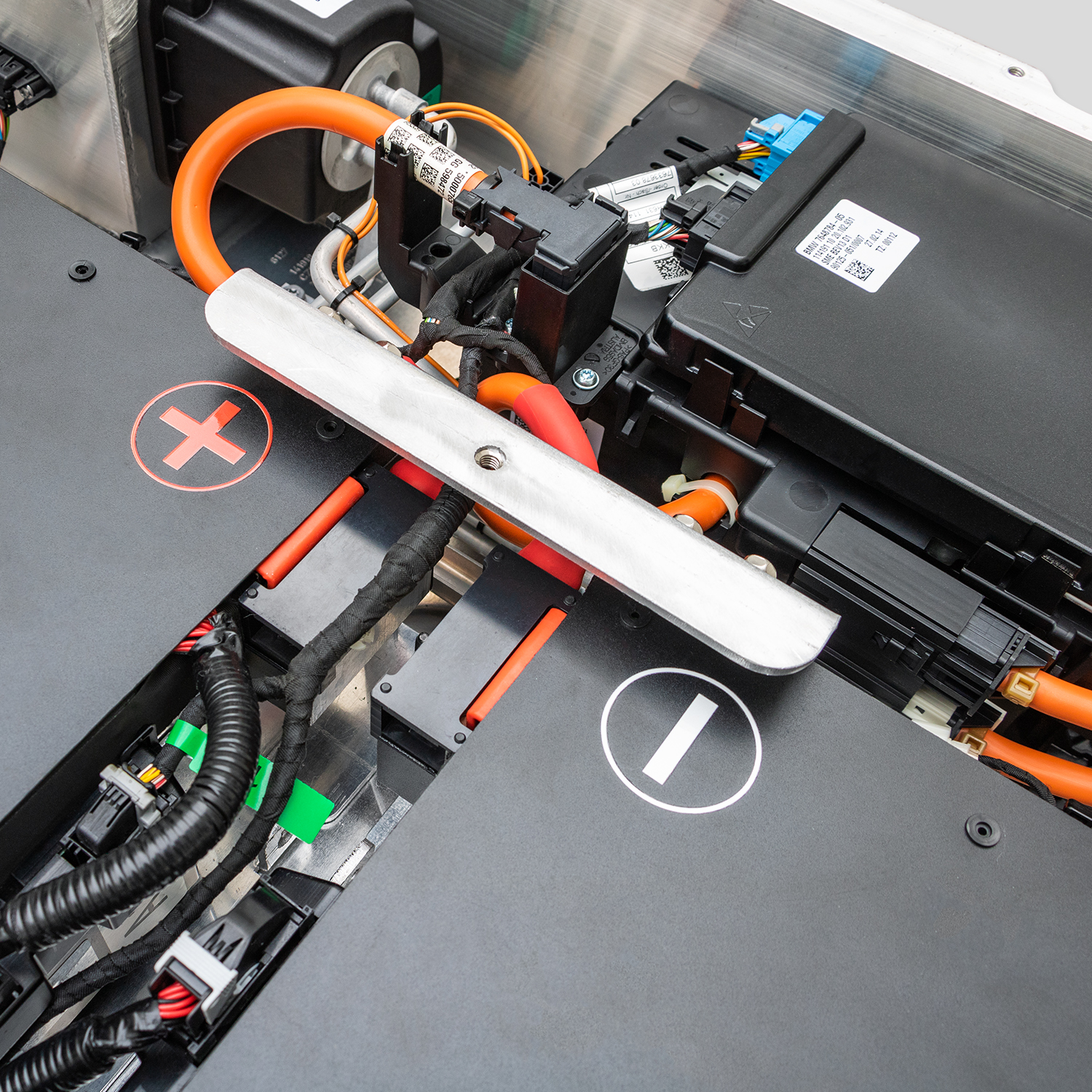
- Coolant Leakage: The i3 battery pack relies on a complex cooling plate system. Coolant leaks are a primary cause of failure, leading to thermal runaway and cell damage.
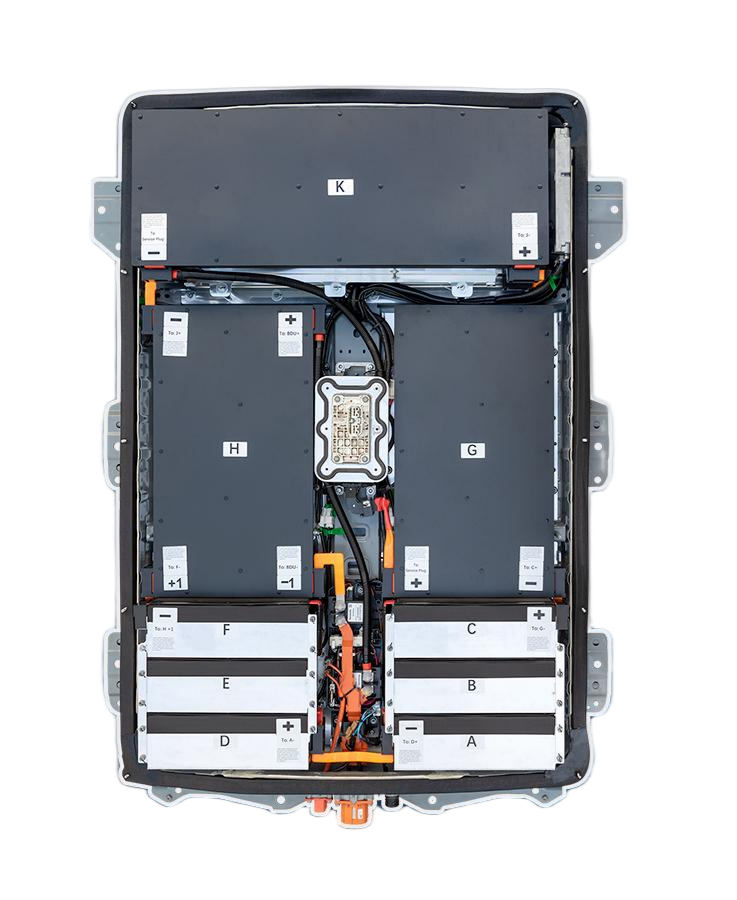
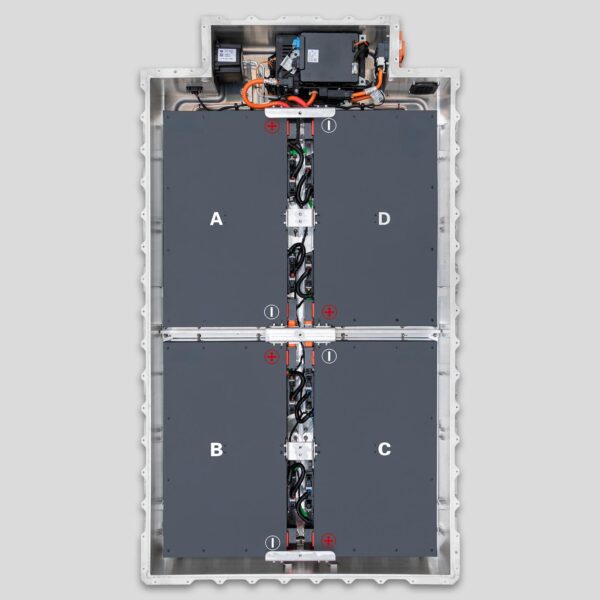
- Module Isolation & Swelling: Individual modules can swell due to overcharging or heat, breaking internal connections.
- BMS (Battery Management System) Errors: The brain of the battery can fail, misreading voltages and killing the pack’s functionality.
Generic aftermarket batteries often skip the rigorous sealing and cooling plate testing required for the i3, leading to repeat failures.
🛠️ Breaking the Cycle: A Sustainable Alternative
The key to solving the BMW i3 battery sustainability challenge is not buying “cheap,” but buying “smart.” You need a solution that prioritizes longevity and safety over a low upfront price.
Why “New” Matters More Than “Used”
The only way to ensure your car lasts another 10 years is to install a battery built with brand-new, high-grade cells.
CNS BATTERY specializes in OEM-compatible replacements designed specifically for the BMW i3. Instead of recycling old, degraded cells, we utilize brand-new CATL (Contemporary Amperex Technology) cells. CATL is a global leader in lithium battery technology, trusted by major OEMs for their safety and energy density.
Key Advantages of a New CATL-Based Solution
- Zero Cycle Count: Unlike refurbished packs, new cells start with a full health rating.
- Superior Chemistry: Newer cell formulations often have better thermal stability than the original 2013-2016 era cells.
- Complete Rebuild: Every weld, every wire, and every cooling plate is new, eliminating the risk of inherited faults from a previous life.
📊 Comparison: The True Cost of Ownership
To visualize the sustainability of your choice, compare the options below:
| Feature | OEM Factory Replacement | Generic Refurbished/Used | CNS New CATL Replacement |
|---|---|---|---|
| Cell Condition | 100% New (but old tech) | Aged/Recycled (High Risk) | Brand New CATL Cells |
| Price Point | Very High ($12k+) | Low (But deceptive) | 50%+ Savings vs OEM |
| Warranty | Standard (Often < 80k km) | None or Very Short | 2 Years / 80,000 km |
| Longevity | 8-10 Years | 6-12 Months (Often fails) | 10+ Years (Projected) |
| Sustainability | High cost forces scrappage | Creates electronic waste | Keeps car on road |
🛡️ Safety First: Engineering for the i3
Replacing an i3 battery isn’t just about dropping in a box of cells. The high-voltage system demands precision.
Precision Engineering
CNS BATTERY units are engineered to match the original BMW specifications:
- Voltage & Interface Matching: Perfect compatibility with the i3’s charging port and motor controller.
- Cooling System Integrity: Rigorous testing to ensure the cooling plates are leak-proof, preventing the #1 cause of battery death.
- BMS Compatibility: The Battery Management System is programmed to communicate seamlessly with the BMW dashboard, eliminating error codes.
Warranty as a Safety Net
A significant part of sustainability is peace of mind. We back our engineering with a 24-month / 80,000 km warranty. This covers defects in materials and workmanship, as well as performance degradation (ensuring the battery maintains at least 70% capacity). This level of coverage is rare in the aftermarket sector and demonstrates confidence in the product’s longevity.
💡 The Verdict: Saving Your i3 and the Planet
The “Warning” regarding BMW i3 battery sustainability should serve as a catalyst for change. Don’t fall into the trap of cheap, recycled solutions that will fail and create more waste.
Choosing a new, high-quality replacement is the most economical and environmentally responsible decision. It saves your car from the scrapyard, saves you thousands of dollars compared to the dealer, and provides the safety and range you expect.
Don’t let a dead battery kill a great car. Invest in a solution built to last.
Ready to revive your BMW i3 with a sustainable, long-lasting battery? Get a free, no-obligation quote today and see how much you can save.
❓ Frequently Asked Questions (FAQ)
Q1: Is it safe to use an aftermarket battery in my BMW i3?
Safety is our top priority. CNS BATTERIES use new, high-grade CATL cells and are manufactured to OEM standards. We utilize the same liquid cooling technology as the original BMW pack and rigorously test for leaks and electrical faults. Our 2-year warranty further guarantees the safety and reliability of the product.
Q2: How much does a BMW i3 battery replacement cost?
Compared to the OEM price (often exceeding $12,000 USD), a CNS replacement offers significant savings. You can expect to pay 50% less than the factory price, making it financially sustainable to keep your car on the road.
Q3: Will a replacement battery affect my car’s range?
Yes, and it’s a positive change. Because we use new, high-capacity cells, your range will be restored to “like-new” condition. If your original 22kWh or 42kWh pack had degraded to 15kWh, the new pack will deliver the full advertised range again (up to 100+ miles for the standard range model).
Q4: How long does the installation take?
Professional installation typically takes 1-2 hours. We provide detailed installation guides and video tutorials. For those not mechanically inclined, we offer remote video support to guide a local mechanic through the process.