
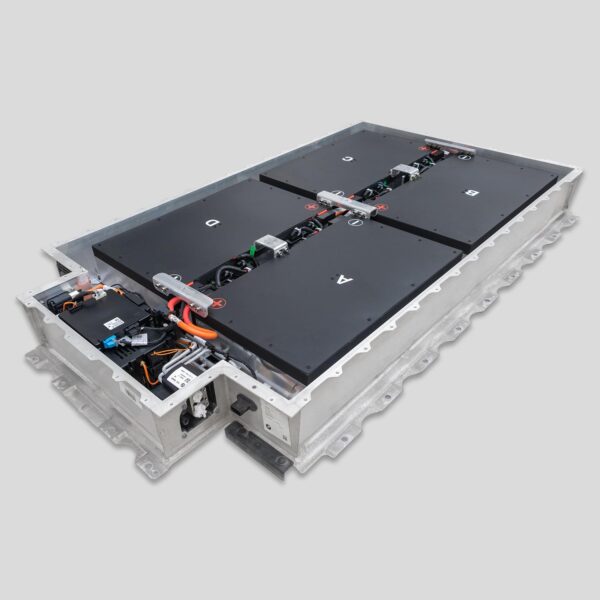
Step-by-Step BMW i3 Battery Efficiency Audit
As a BMW i3 owner, you understand that your vehicle’s battery is the heart of its performance. Over time, battery efficiency naturally declines, affecting range, charging speed, and overall driving experience. At CNS BATTERY, we specialize in BMW i3 battery replacement and upgrade solutions that restore your vehicle’s original performance. This comprehensive guide walks you through a professional battery efficiency audit to help you determine if it’s time for an upgrade.
Why Battery Efficiency Matters for Your BMW i3
The BMW i3 was designed as a pioneering electric vehicle, but like all EVs, its battery capacity decreases with age and usage. Most owners notice significant efficiency drops after 5-7 years or 80,000-100,000 kilometers. Common symptoms include:
- Reduced driving range compared to original specifications
- Longer charging times for the same battery percentage
- Unexpected power limitations during acceleration
- Battery warning messages on the dashboard
Understanding your battery’s current health is the first step toward making an informed decision about replacement or upgrade options.
Step 1: Initial Diagnostic Assessment
Begin your audit by connecting a professional OBD-II diagnostic tool to your BMW i3. This provides access to the Battery Management System (BMS) data, including:
- State of Health (SOH) percentage
- Cell voltage balance across all modules
- Temperature readings during operation
- Charging and discharging cycles
A healthy BMW i3 battery should maintain an SOH above 80%. Anything below this threshold indicates significant degradation that may warrant professional evaluation.
Step 2: Real-World Range Testing
Conduct a controlled driving test to measure actual range versus displayed range. Fully charge your battery, reset the trip meter, and drive under normal conditions until reaching 20% remaining capacity. Compare the actual distance traveled with your vehicle’s estimated range.
A discrepancy of more than 15-20% suggests battery efficiency issues that require attention. Document these results for discussion with battery specialists.
Step 3: Charging Performance Analysis
Monitor your charging sessions over one week. Record:
- Time required to charge from 20% to 80%
- Maximum charging power achieved during DC fast charging
- Any charging interruptions or error messages
Slower charging speeds often indicate internal resistance increases within battery cells, a clear sign of degradation.
Step 4: Professional Battery Module Inspection
For a comprehensive audit, schedule a professional battery inspection with certified technicians. They will:
- Remove and test individual battery modules
- Check for cell imbalance and thermal issues
- Inspect cooling system functionality
- Evaluate BMS software for updates or recalibration needs
This step is crucial for identifying whether module replacement or full battery upgrade is the most cost-effective solution.
When to Consider a Battery Upgrade
Based on your audit results, consider a CNS BATTERY upgrade if you experience:
- SOH below 75% with noticeable range anxiety
- Multiple failed battery modules requiring replacement
- Desire for increased capacity beyond original specifications
- Cost of repairs approaching 50% of a new battery system
Our BMW i3 battery replacement services offer enhanced capacity options with improved energy density and extended warranty coverage.
Benefits of Professional Battery Replacement
Choosing CNS BATTERY for your BMW i3 battery needs provides:
- Certified technicians with EV-specific expertise
- High-quality battery cells meeting or exceeding OEM standards
- Comprehensive warranty on all replacement work
- Seamless integration with existing vehicle systems
- Potential range improvements over original specifications
FAQ: BMW i3 Battery Efficiency Audit
Q: How long does a battery efficiency audit take?
A: A complete audit typically requires 2-4 hours for diagnostic testing, plus additional time for road testing and analysis. Professional module inspection may take 1-2 days.
Q: Can I perform the audit myself?
A: Basic diagnostics can be done with consumer OBD-II tools, but professional equipment is needed for accurate module-level testing and safety assessments.
Q: What’s the cost of a battery efficiency audit?
A: Diagnostic audits range from $150-400 depending on depth. This investment helps avoid unnecessary full battery replacements.
Q: How long does a BMW i3 battery last?
A: Original batteries typically last 8-12 years or 150,000-200,000 kilometers before significant degradation requires replacement.
Q: Is battery replacement worth it for older i3 models?
A: Yes, especially if the vehicle is otherwise in good condition. A new battery can extend vehicle life by 5-8 years with improved performance.
Q: Will upgrading affect my vehicle warranty?
A: Professional installations with certified components maintain vehicle integrity. Discuss warranty implications with your CNS BATTERY specialist.
Ready to restore your BMW i3’s performance? Contact our expert team today for a comprehensive battery efficiency audit and personalized upgrade recommendations.
Get Your Free Consultation Now
At CNS BATTERY, we’re committed to keeping your electric vehicle running at peak efficiency with professional service, quality components, and transparent pricing. Don’t let battery degradation limit your driving experience—take the first step toward optimal performance today.


