Nissan EV LFP Battery vs AESC: The Ultimate Replacement Guide for Nissan Leaf Owners
Introduction: Why Battery Choice Matters for Your Nissan EV
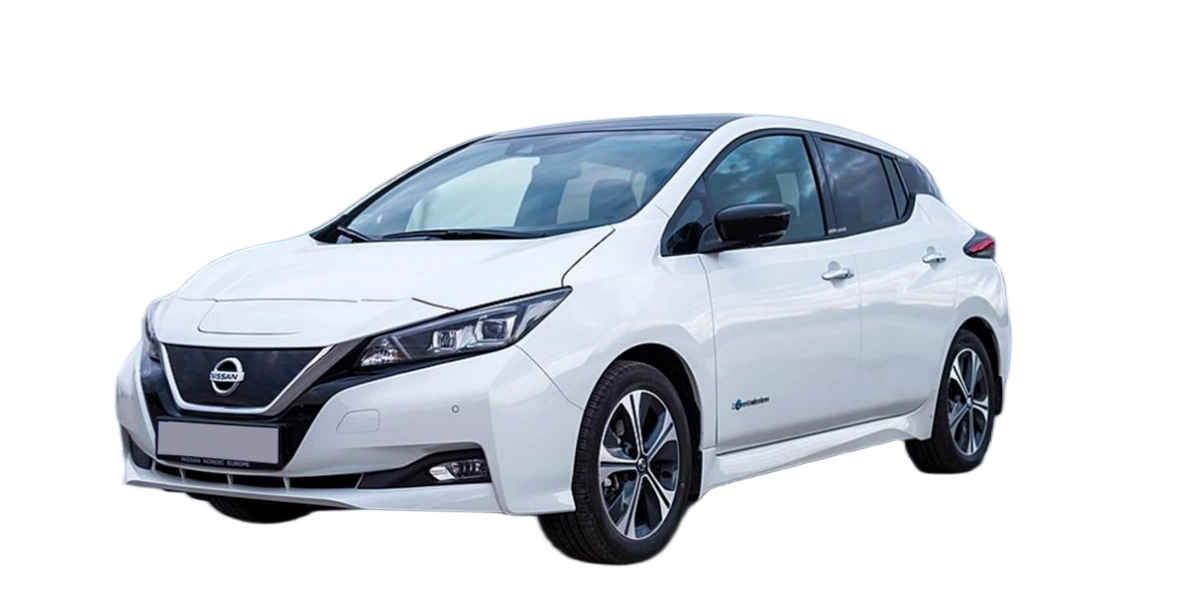
If you own a Nissan Leaf or any Nissan EV, you know the battery is the heart of your vehicle. Over time, battery degradation affects range, performance, and overall driving experience. Today, Nissan EV owners face an important decision: stick with the traditional AESC battery or upgrade to modern LFP (Lithium Iron Phosphate) battery technology.
At CNS BATTERY, we specialize in EV battery replacements and upgrades. This comprehensive guide helps you understand the key differences between LFP and AESC batteries, so you can make an informed decision for your Nissan EV.
H2: What Is an AESC Battery?
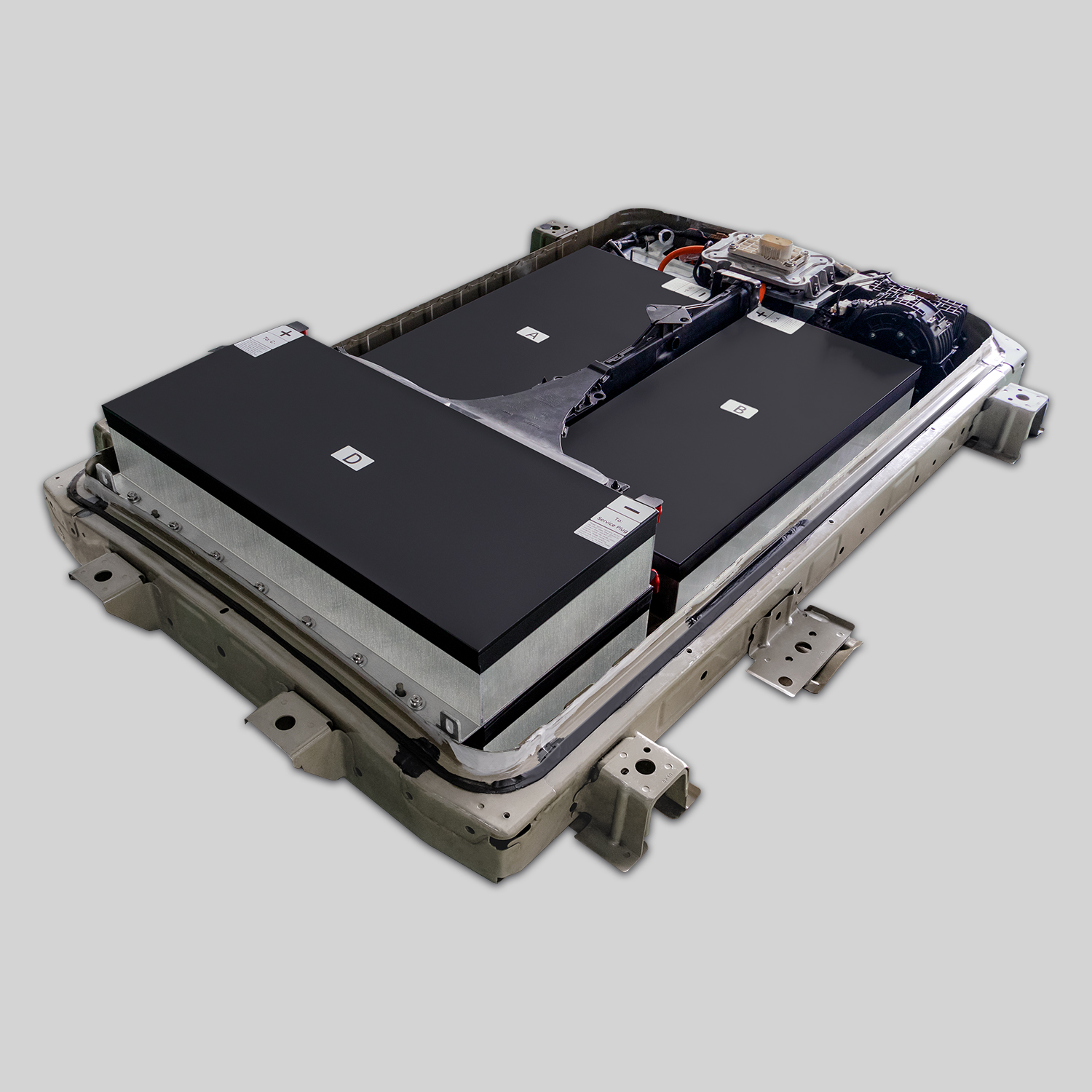
AESC (Automotive Energy Supply Corporation) has been Nissan’s primary battery supplier since the first Leaf launched in 2010. These lithium-ion batteries powered millions of Nissan EVs worldwide, establishing Nissan as an EV pioneer.
Key Characteristics of AESC Batteries:
- Laminated lithium-ion cells with manganese oxide chemistry
- Original equipment for Nissan Leaf (2011-2024 models)
- 8-year/100,000-mile warranty on new vehicles
- Proven track record with over 18 billion EV miles driven
However, AESC batteries have limitations. Many older Leaf owners experience significant capacity loss after 5-7 years, especially in hot climates. Heat degradation remains a common concern with traditional lithium-ion chemistry.
H2: What Is an LFP Battery?
LFP (Lithium Iron Phosphate) batteries represent the next generation of EV battery technology. Unlike traditional lithium-ion batteries, LFP chemistry offers superior safety, longevity, and thermal stability.
Advantages of LFP Technology:
- 3,000-5,000 charge cycles (vs. 1,000-2,000 for standard lithium-ion)
- Better thermal stability – reduced risk of overheating
- Lower degradation rate – maintains capacity longer
- More affordable – no cobalt or nickel required
- Environmentally friendly – easier to recycle
The 2026 Nissan Leaf now features liquid-cooled LFP battery technology, delivering up to 604 km WLTP range – a 50% improvement over previous generations.
H2: LFP vs AESC: Head-to-Head Comparison
| Feature | AESC Battery | LFP Battery |
|---|---|---|
| Chemistry | Lithium Manganese Oxide | Lithium Iron Phosphate |
| Cycle Life | 1,000-2,000 cycles | 3,000-5,000 cycles |
| Thermal Stability | Moderate | Excellent |
| Cost | Higher (cobalt/nickel) | Lower (iron/phosphate) |
| Safety | Good | Superior |
| Lifespan | 8-10 years | 15-20 years |
Why LFP Is Winning the EV Battery Race
Major manufacturers including BYD, Tesla, and CATL are shifting to LFP technology for entry-level and mid-range EVs. The reasons are clear: better safety, longer life, and lower total cost of ownership.
H2: When Should You Replace Your Nissan Leaf Battery?
Not sure if your battery needs replacement? Watch for these warning signs:
- Range drops below 70% of original capacity
- Charging time increases significantly
- Battery warning lights appear on dashboard
- Vehicle enters limp mode frequently
- State of Health (SoH) reads below 75%
If you’re experiencing these issues, upgrading to an LFP battery from CNS BATTERY can restore your Leaf’s performance and extend its usable life by another decade.
H2: CNS BATTERY: Your Trusted EV Battery Partner
At CNS BATTERY, we understand Nissan EVs inside and out. Our replacement batteries are designed for:
✓ Direct compatibility – no modifications needed
✓ Professional installation support – certified technician network
✓ Competitive pricing – better value than dealership replacements
✓ Extended warranty – peace of mind for years to come
✓ Expert consultation – personalized battery solutions
We’ve helped thousands of Nissan Leaf owners revive their EVs with reliable, high-quality battery replacements.
H2: FAQ: Common Questions About Nissan EV Battery Replacement
Q1: How much does a Nissan Leaf battery replacement cost?
A: Costs vary by capacity and chemistry. LFP batteries from CNS BATTERY offer better value than OEM AESC replacements, with prices typically 30-40% lower than dealership options.
Q2: Can I upgrade from AESC to LFP battery?
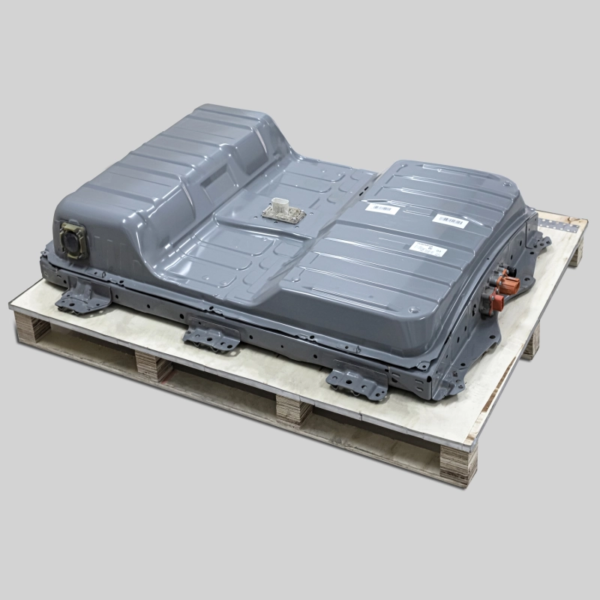
A: Yes! Our drop-in replacement LFP batteries are compatible with most Nissan Leaf models. Consult our experts for specific fitment details.
Q3: How long will an LFP battery last?
A: LFP batteries typically last 15-20 years or 3,000-5,000 charge cycles, significantly outlasting traditional AESC batteries.
Q4: Does battery replacement affect my vehicle warranty?
A: Third-party battery replacement doesn’t void your vehicle warranty. CNS BATTERY provides its own comprehensive warranty on all replacement batteries.
Q5: How long does installation take?
A: Professional installation typically takes 4-8 hours, depending on model and technician availability.
Q6: Is LFP battery safe for my Nissan Leaf?
A: Absolutely. LFP chemistry is inherently safer than traditional lithium-ion, with superior thermal stability and lower fire risk.
H2: Ready to Upgrade Your Nissan EV Battery?
Don’t let battery degradation limit your driving freedom. Whether you need a direct AESC replacement or want to upgrade to LFP technology, CNS BATTERY has the solution for your Nissan Leaf.
Contact our expert team today for a personalized quote and discover how much you can save on your EV battery replacement.
👉 Get Your Free Battery Consultation: https://cnsbattery.com/ev-battery-home/ev-battery-contact/
Article published: March 2026 | Expert reviewed by CNS BATTERY EV Technology Team