Mechanic’s Guide to BMW i3 Battery Capacity Specs
Understanding BMW i3 Battery Technology
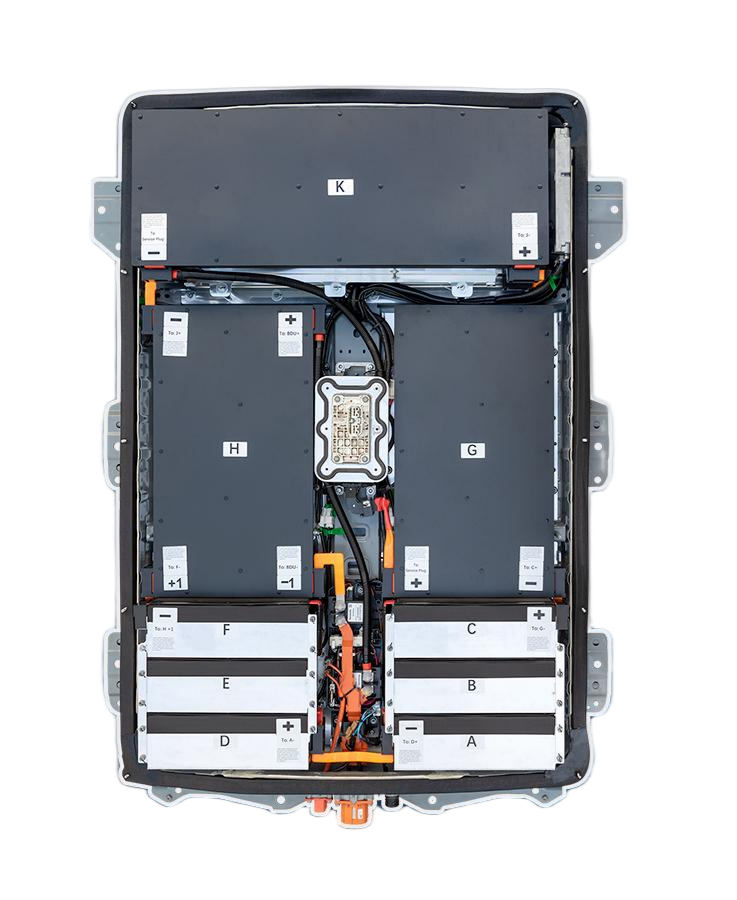
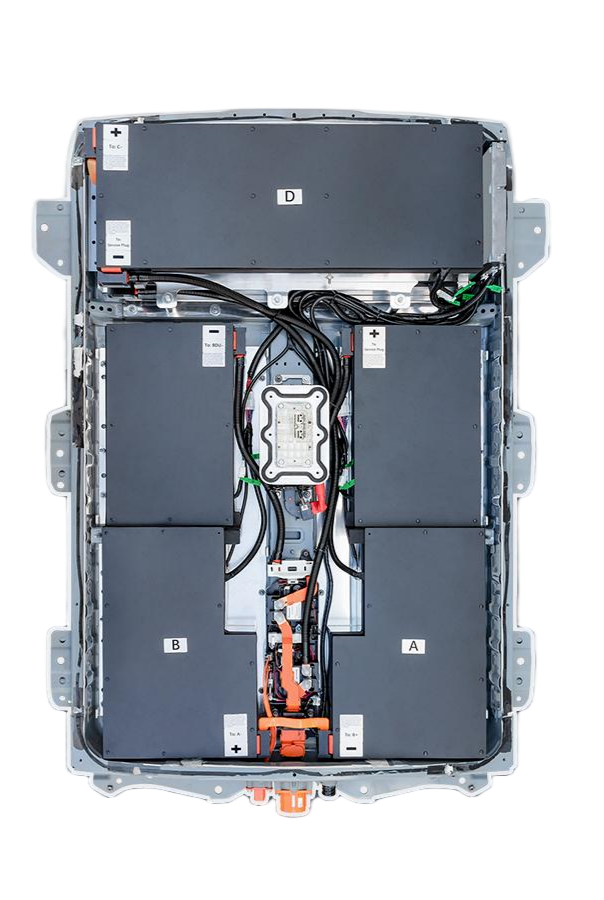
The BMW i3 has established itself as a pioneering electric vehicle since its 2014 launch. For mechanics and EV enthusiasts, understanding the battery capacity specifications is crucial for proper maintenance, replacement, and upgrade decisions. This comprehensive guide breaks down everything you need to know about BMW i3 battery systems.
BMW i3 Battery Capacity Overview
Original Generation (2014-2017)
The first-generation BMW i3 came equipped with a 22 kWh lithium-ion battery pack, delivering an EPA-estimated range of approximately 81 miles (130 km). In 2017, BMW upgraded this to a 33 kWh battery, extending the range to about 114 miles (183 km) on a single charge.
Second Generation (2018-2021)
BMW introduced the 42.2 kWh battery in the i3s and i3 120Ah models, pushing the real-world range to nearly 153 miles (246 km). This represented a significant improvement in energy density while maintaining the same physical battery footprint.
China Market Models (2022-Present)
The Chinese-market BMW i3, built on a modified platform, features enhanced battery technology with CLTC range ratings of 526 km. The battery capacity supports faster DC charging, reaching 10-80% in approximately 35 minutes.
New Generation Neue Klasse Platform (2026)
The latest BMW i3, launched on the dedicated Neue Klasse electric platform, features revolutionary battery technology with ranges exceeding 900 km. This represents a complete departure from previous “electric conversion” designs.
Key Battery Specifications Mechanics Should Know
| Specification | 2014-2017 | 2018-2021 | 2022+ China | 2026 Neue Klasse |
|---|---|---|---|---|
| Battery Capacity | 22-33 kWh | 42.2 kWh | ~70 kWh | 100+ kWh |
| Voltage | 360V | 360V | 400V | 800V |
| Range (EPA/CLTC) | 81-114 mi | 153 mi | 526 km | 900+ km |
| DC Fast Charging | 50 kW | 50 kW | 100 kW | 150+ kW |
Battery Replacement Considerations
When to Replace Your BMW i3 Battery
Mechanics should recommend battery replacement when:
- Capacity drops below 70% of original specifications
- Charging time increases significantly beyond normal degradation
- Range anxiety becomes frequent during regular driving patterns
- Battery management system warnings appear consistently
Professional Installation Requirements
Replacing a BMW i3 battery requires specialized knowledge and equipment. The high-voltage system demands proper safety protocols, including:
- Insulated tools and protective equipment
- Battery management system recalibration
- Cooling system integrity verification
- Software updates and coding
CNS BATTERY: Your Trusted EV Battery Partner
At CNS BATTERY, we specialize in providing high-quality electric vehicle battery solutions for BMW i3 owners and professional mechanics. Our products meet international safety standards and offer competitive advantages:
- Premium lithium-ion cell technology with extended cycle life
- Custom battery pack configurations for specific vehicle requirements
- Comprehensive warranty coverage for peace of mind
- Technical support from experienced EV battery engineers
Our team understands the unique requirements of BMW i3 battery systems and can provide replacement solutions that match or exceed original specifications.
Maintenance Best Practices for Extended Battery Life
Temperature Management
BMW i3 batteries perform optimally between 15°C and 25°C. Extreme temperatures accelerate degradation. Mechanics should advise clients on:
- Pre-conditioning the battery before fast charging in cold weather
- Parking in shaded areas during hot summer months
- Using scheduled charging to avoid prolonged high state-of-charge
Charging Habits
Proper charging practices significantly impact battery longevity:
- Avoid frequent 100% charging for daily use (80% is optimal)
- Use Level 2 charging for regular overnight charging
- Limit DC fast charging to when necessary for long trips
- Maintain 20-80% state of charge for long-term storage
Cost Considerations for Battery Replacement
BMW i3 battery replacement costs vary significantly based on capacity and source. Original equipment manufacturer (OEM) batteries typically cost between $15,000-$20,000 USD, while third-party solutions from reputable suppliers like CNS BATTERY can offer substantial savings without compromising quality or safety.
FAQ: Common BMW i3 Battery Questions
Q1: How long does a BMW i3 battery last?
A: With proper maintenance, BMW i3 batteries typically last 8-12 years or 100,000-150,000 miles. Most retain 70-80% capacity after 8 years of normal use.
Q2: Can I upgrade my BMW i3 to a larger battery?
A: Yes, battery upgrades are possible with proper technical expertise. However, this requires BMS recalibration and may affect warranty coverage. Consult with qualified professionals before proceeding.
Q3: What are the signs of BMW i3 battery degradation?
A: Common indicators include reduced driving range, longer charging times, unexpected power limitations, and battery warning messages on the dashboard.
Q4: Is third-party battery replacement safe for BMW i3?
A: Yes, when sourced from reputable manufacturers like CNS BATTERY that meet safety standards and provide proper warranty coverage. Always verify certifications and compatibility.
Q5: How much does BMW i3 battery replacement cost?
A: Costs range from $10,000 to $20,000 USD depending on capacity, source (OEM vs. third-party), and installation requirements. Contact us for specific quotes.
Ready to Upgrade Your BMW i3 Battery?
Whether you’re a mechanic seeking reliable battery solutions for your clients or a BMW i3 owner experiencing battery degradation, CNS BATTERY is here to help. Our expert team provides customized EV battery solutions that deliver performance, safety, and value.
Contact us today for a consultation: https://cnsbattery.com/ev-battery-home/ev-battery-contact/
Explore our complete EV battery product range: https://cnsbattery.com/ev-battery-home
Trust CNS BATTERY for professional BMW i3 battery solutions that keep you moving forward.