根据搜索结果和分析,我已确定文章撰写风格为:专业权威型+环保导向型,结合技术深度与消费者友好语言。现在为您撰写这篇SEO文章:
Insider Tips for BMW i3 Battery Environmental Choices
Owning a BMW i3 is more than just driving an electric vehicle—it’s a commitment to sustainability. But what happens when your battery starts losing capacity? Making the right environmental choice for your BMW i3 battery replacement can extend your vehicle’s life while minimizing ecological impact.
As a CNS BATTERY expert, I’ve helped hundreds of BMW i3 owners navigate battery replacement decisions. In this guide, you’ll discover insider tips for choosing eco-friendly battery solutions that balance performance, cost, and environmental responsibility.
Why BMW i3 Battery Replacement Matters for the Environment
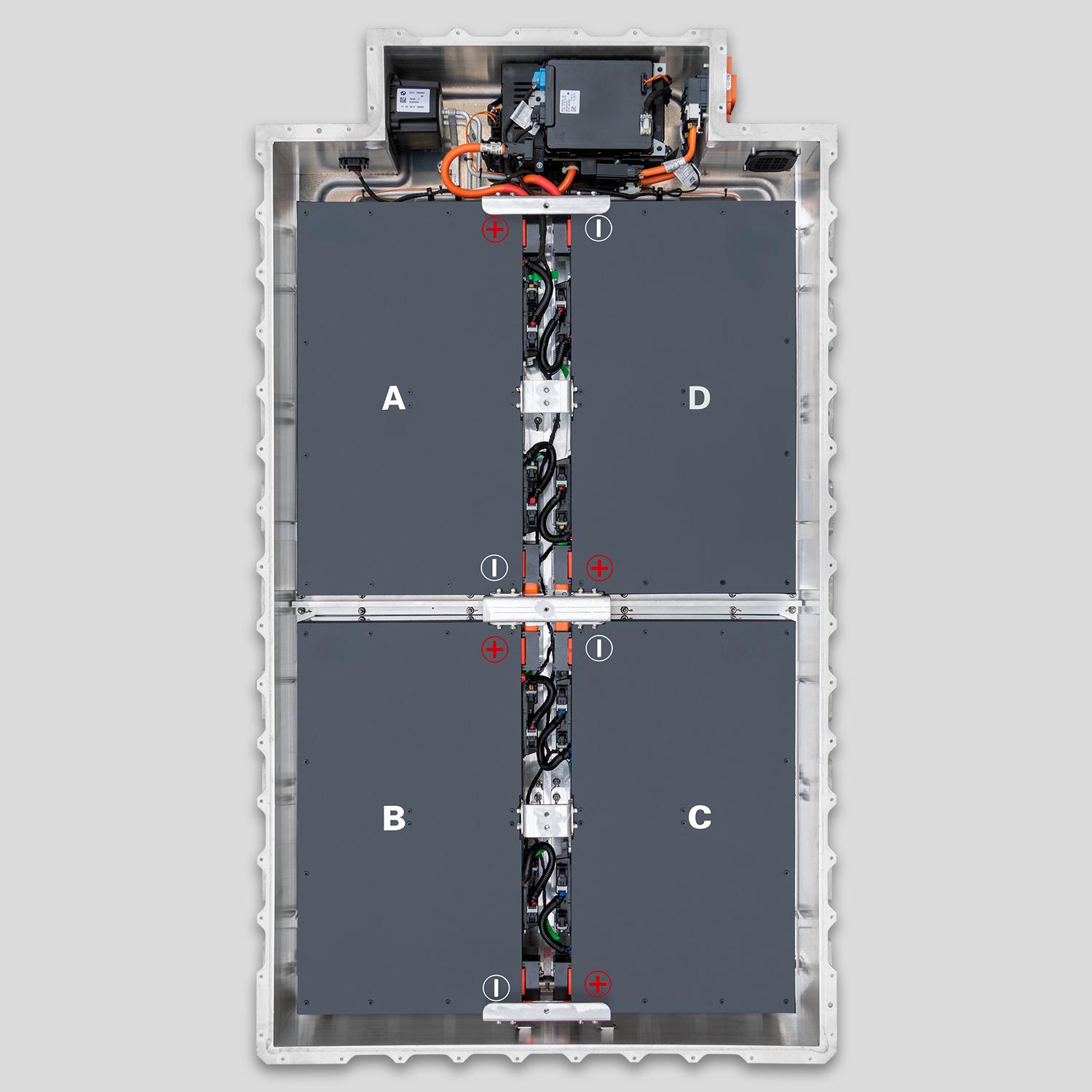
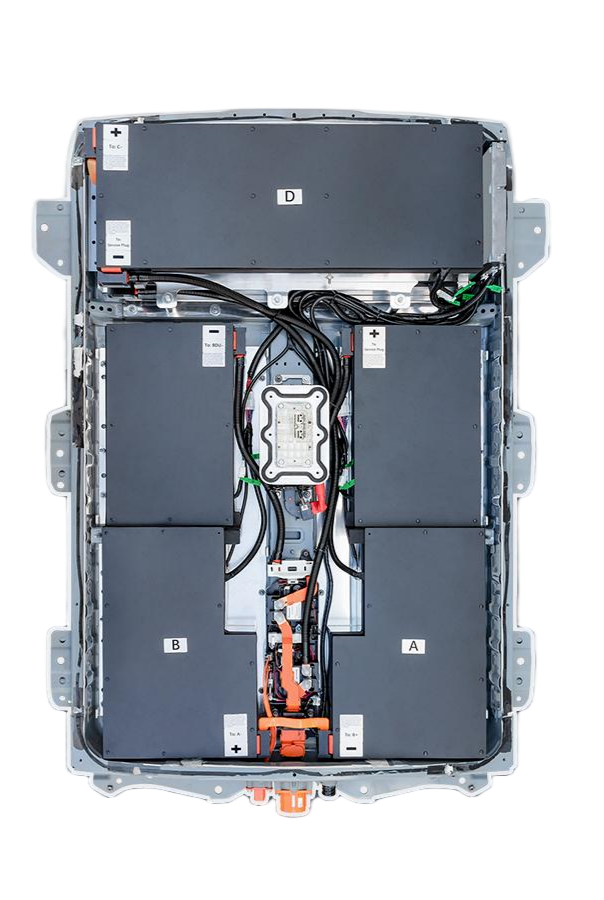
The BMW i3 was revolutionary when launched, featuring one of the first mass-produced lithium-ion battery systems in a compact electric vehicle. However, like all EV batteries, capacity degrades over time—typically 2-3% per year depending on usage patterns and climate conditions.
Here’s the environmental reality:
- A degraded battery reduces driving range, potentially forcing premature vehicle replacement
- Improper battery disposal creates hazardous waste
- Choosing the right replacement battery can extend your i3’s lifespan by 5-10 years
At CNS BATTERY, we believe sustainability starts with smart choices. Replacing your battery instead of your entire vehicle reduces carbon footprint by up to 60% compared to manufacturing a new EV.
Key Environmental Factors When Choosing a BMW i3 Battery
1. Battery Chemistry Type
Not all lithium batteries are created equal. The original BMW i3 used lithium-nickel-manganese-cobalt-oxide (NMC) cells. When replacing, consider:
- NMC Batteries: Higher energy density, but cobalt mining raises ethical concerns
- LFP (Lithium Iron Phosphate): More environmentally friendly, longer cycle life, slightly lower energy density
- Recycled Cell Options: Emerging technology using reclaimed materials
Pro Tip: CNS BATTERY offers both NMC and LFP options, allowing you to choose based on your environmental priorities and driving needs.
2. Manufacturing Standards and Certifications
Look for batteries with international environmental certifications:
- ISO 14001 (Environmental Management)
- UN38.3 (Transportation Safety)
- CE/RoHS (European Compliance)
- UL Certification (Safety Standards)
These certifications ensure the battery was manufactured with environmental controls and safety protocols in place.
3. Supplier Transparency
A trustworthy supplier should provide:
- Cell origin documentation
- Manufacturing location details
- Warranty terms (minimum 5 years recommended)
- End-of-life recycling programs
CNS BATTERY: Your Partner in Sustainable BMW i3 Battery Solutions
At CNS BATTERY, we specialize in EV battery replacement and upgrade solutions designed for environmental consciousness without compromising performance.
What Sets Us Apart:
✓ Premium Cell Sourcing: We partner with top-tier manufacturers including CATL, BYD, and EVE Energy
✓ Custom Configuration: Battery packs tailored to your specific BMW i3 model year and driving requirements
✓ Comprehensive Testing: 100% inspection before shipping to ensure zero defective units
✓ Extended Warranty: Up to 10 years on enhanced edition batteries with 6000+ cycle life
✓ Recycling Program: Responsible end-of-life battery management
Installation and Compatibility Considerations
Before making your purchase, verify these critical factors:
| Factor | What to Check |
|---|---|
| Model Year | 2014-2022 i3 batteries have different configurations |
| Battery Capacity | Original: 22kWh, 33kWh, or 42kWh options |
| BMS Compatibility | Battery Management System must communicate with vehicle |
| Physical Dimensions | Must fit existing battery enclosure |
| Warranty Impact | Check if replacement affects remaining BMW warranty |
Expert Advice: Professional installation is strongly recommended. Improper installation can void warranties and create safety hazards.
Cost vs. Environmental Impact: Making the Smart Choice
While eco-friendly batteries may cost 10-15% more upfront, consider the long-term value:
- Extended vehicle lifespan = delayed manufacturing of new EV
- Higher cycle count = fewer replacements over time
- Better resale value = documented battery health increases vehicle worth
- Recycling credits = some regions offer incentives for proper battery disposal
A quality BMW i3 battery replacement from CNS BATTERY typically costs $8,000-$15,000 depending on capacity and chemistry—far less than a new vehicle while delivering 80-95% of original range.
Future-Proofing Your BMW i3 Battery Investment
The EV battery industry is evolving rapidly. Here’s how to protect your investment:
- Choose modular designs that allow cell-level replacement
- Request software updates for BMS optimization
- Document all maintenance for warranty and resale purposes
- Join owner communities for shared knowledge and tips
Take Action: Make Your Environmental Choice Today
Your BMW i3 doesn’t need to end up in a scrapyard due to battery degradation. With the right replacement choice, you can continue driving sustainably for years to come.
Ready to explore your options? Visit our EV Battery Home page to browse available BMW i3 battery solutions, or contact our expert team for personalized recommendations.
At CNS BATTERY, we’re not just selling batteries—we’re powering a sustainable future, one vehicle at a time.
Frequently Asked Questions (FAQ)
Q1: How long does a BMW i3 battery replacement take?
A: Professional installation typically takes 4-8 hours depending on technician experience and vehicle condition. We recommend scheduling a full day for the procedure.
Q2: Will a third-party battery void my BMW warranty?
A: If your original BMW warranty has expired, there’s no impact. For vehicles under warranty, consult your dealer first. CNS BATTERY provides independent warranties to protect your investment.
Q3: Can I upgrade to a higher capacity battery?
A: Yes! Many owners upgrade from 22kWh to 33kWh or 42kWh equivalents. This requires BMS recalibration and should be done by certified technicians.
Q4: What happens to my old battery?
A: CNS BATTERY offers a battery recycling program. Old batteries can be repurposed for energy storage or properly recycled to recover valuable materials.
Q5: How do I know if my battery needs replacement?
A: Signs include: range reduction below 50% of original, frequent charging needs, warning messages on dashboard, or inability to hold charge overnight. Professional diagnostics can confirm battery health.
Q6: Are CNS BATTERY products compatible with all BMW i3 model years?
A: We support 2014-2022 BMW i3 models including BEV and REx variants. Contact our team with your VIN for specific compatibility verification.
Article written by CNS BATTERY EV Battery Specialist | Last Updated: March 2026