根据搜索结果,我已经分析了BMW i3电池相关信息和CNS BATTERY的产品定位。现在我将撰写一篇符合Google SEO标准的专业文章。
Avoid These BMW i3 Battery Registration Process Hurdles
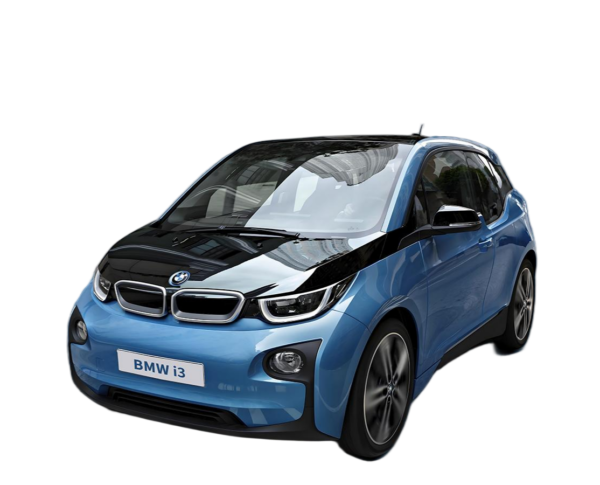
Owning a BMW i3 comes with incredible performance and cutting-edge technology. But when it comes to battery replacement or upgrade, the registration process can become a frustrating maze. Many BMW i3 owners discover hidden hurdles that delay their vehicle’s return to the road. This guide reveals the common pitfalls and how to navigate them smoothly.
Why BMW i3 Battery Registration Matters
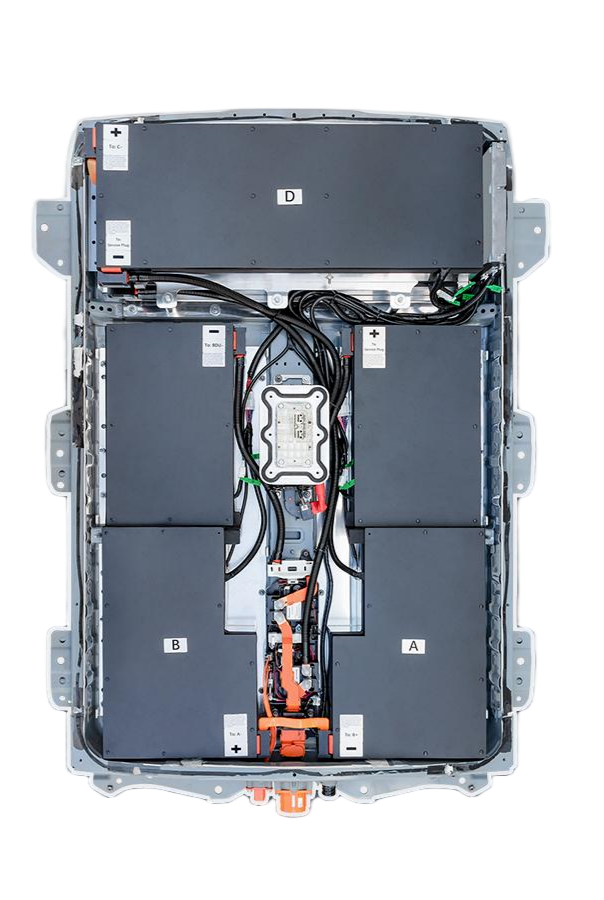
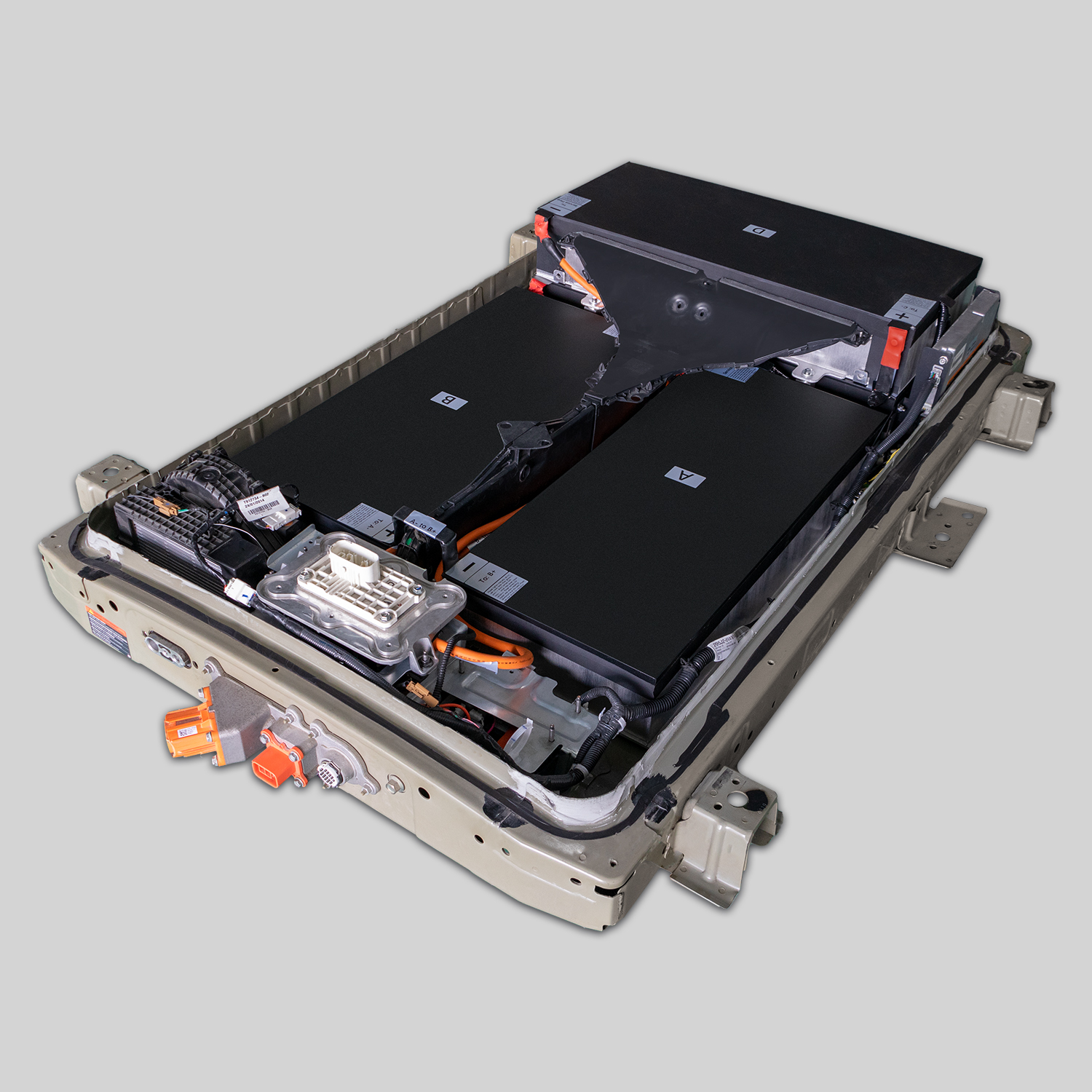
The battery registration process is not just a formality—it’s a critical safety and performance requirement. BMW’s sophisticated battery management system (BMS) needs to recognize new battery parameters to ensure optimal charging, power delivery, and longevity.
Without proper registration, your i3 may experience:
- Reduced driving range
- Inaccurate state-of-charge readings
- Charging interruptions
- Potential warranty complications
Common BMW i3 Battery Registration Hurdles to Avoid
1. Incorrect Diagnostic Tool Selection
Not all OBD-II scanners can communicate with BMW’s proprietary systems. Using generic tools often leads to failed registration attempts. BMW i3 requires specialized diagnostic equipment that can access the battery management module directly.
Solution: Work with certified technicians who have BMW-compatible diagnostic tools and software updates.
2. Missing Battery Serial Number Documentation
Every replacement battery has a unique serial number that must be recorded during registration. Incomplete documentation causes registration rejection and may void your warranty coverage.
Pro Tip: Always verify the battery serial number matches your purchase documentation before beginning the registration process.
3. Outdated Vehicle Software
BMW regularly releases software updates that affect battery communication protocols. Running outdated vehicle software can prevent successful battery registration even with correct procedures.
Recommendation: Check for available software updates through the My BMW App or visit an authorized service center before battery installation.
4. Improper Battery Conditioning
New batteries require specific conditioning procedures before registration. Skipping this step leads to inaccurate capacity calibration and reduced performance expectations.
Best Practice: Allow the battery to reach optimal temperature and charge level (typically 30-50%) before initiating registration.
5. Ignoring Safety Protocols
High-voltage battery work demands strict safety measures. Bypassing safety protocols risks personal injury and vehicle damage.
Essential Safety Steps:
- Disconnect 12V auxiliary battery first
- Wait minimum 10 minutes for high-voltage system discharge
- Use insulated tools and protective equipment
- Follow manufacturer lockout/tagout procedures
How CNS BATTERY Simplifies Your BMW i3 Battery Experience
At CNS BATTERY, we understand the complexities of EV battery replacement. Our expert team specializes in BMW i3 battery solutions with a streamlined registration process that eliminates common hurdles.
Our Competitive Advantages
Certified Expertise: Our technicians receive ongoing training on BMW electric vehicle systems and stay current with the latest registration protocols.
Premium Battery Quality: We source only high-quality battery cells that meet or exceed OEM specifications, ensuring compatibility and longevity.
Complete Documentation: Every battery replacement includes full serial number tracking and registration support, protecting your investment.
Fast Turnaround: Our optimized process gets your BMW i3 back on the road faster than traditional dealership service centers.
Step-by-Step BMW i3 Battery Registration Guide
Phase 1: Pre-Installation Preparation
- Verify battery compatibility with your i3 model year
- Backup existing vehicle data and settings
- Ensure diagnostic tools are updated to latest version
- Confirm battery serial number documentation
Phase 2: Installation & Registration
- Follow proper high-voltage safety procedures
- Install battery with correct torque specifications
- Connect diagnostic tool to OBD-II port
- Access battery management module
- Input new battery serial number and parameters
- Complete registration sequence
- Verify successful communication
Phase 3: Post-Registration Verification
- Clear all diagnostic trouble codes
- Test charging functionality
- Verify range estimation accuracy
- Conduct road test to confirm performance
Why Choose Professional Battery Replacement Services?
DIY battery replacement might seem cost-effective, but the registration complexities often lead to expensive mistakes. Professional services provide:
- Warranty Protection: Proper registration maintains your vehicle’s warranty coverage
- Safety Assurance: Certified technicians follow all high-voltage safety protocols
- Performance Optimization: Correct calibration ensures maximum range and efficiency
- Time Savings: Avoid multiple failed attempts and dealership visits
FAQ: BMW i3 Battery Registration Questions
Q1: How long does BMW i3 battery registration take?
A: The actual registration process typically takes 30-45 minutes with proper equipment. However, complete battery replacement including installation and testing may require 2-4 hours depending on vehicle condition and technician experience.
Q2: Can I register a BMW i3 battery myself?
A: While technically possible with the right diagnostic tools and software access, we strongly recommend professional service. Incorrect registration can cause battery management issues and potentially void warranty coverage.
Q3: What happens if battery registration fails?
A: Failed registration usually indicates communication errors, incorrect parameters, or outdated software. A qualified technician can diagnose the specific issue and resolve it without damaging the battery or vehicle systems.
Q4: Does battery replacement affect my BMW warranty?
A: Properly registered battery replacement using compatible components should not affect your vehicle warranty. However, always maintain complete documentation and work with certified professionals to protect your coverage.
Q5: How often does BMW i3 need battery replacement?
A: BMW i3 batteries are designed to last 8-10 years or approximately 100,000 miles under normal conditions. However, factors like charging habits, climate, and usage patterns can affect battery longevity.
Ready to Upgrade Your BMW i3 Battery?
Don’t let registration hurdles keep your BMW i3 sidelined. CNS BATTERY provides expert battery replacement services with seamless registration support, premium quality components, and competitive pricing.
Contact our EV battery specialists today for a free consultation and quote. Get your BMW i3 back to peak performance with confidence.
👉 Visit our contact page: https://cnsbattery.com/ev-battery-home/ev-battery-contact/
🔋 Explore our EV battery solutions: https://cnsbattery.com/ev-battery-home
This article was written by CNS BATTERY’s EV battery experts. All information is based on current BMW i3 specifications and industry best practices as of 2026.