2024 Drone Battery Trends: Technical Compatibility for Security and Surveillance Firms
The sky is no longer the limit—it’s the workplace. For security and surveillance firms operating drones in 2024 and beyond, the difference between mission success and costly failure often comes down to one critical component: the battery. Yet many organizations still treat drone power systems as an afterthought, discovering compatibility issues only when operations grind to a halt.
This guide cuts through the noise. We’ll explore the technical compatibility trends shaping drone battery selection, the hidden pain points affecting surveillance operations, and the solutions that keep your fleet airborne when it matters most.
The Hidden Crisis: Why Battery Compatibility Matters More Than Ever
Imagine this scenario: Your surveillance team deploys five drones for a critical perimeter monitoring operation. Three return safely. Two experience unexpected power failures mid-flight—not because the batteries were defective, but because they lacked proper technical compatibility with the aircraft’s power management system.
This isn’t hypothetical. Industry data suggests that up to 37% of unplanned drone downtime in security operations stems from battery-related compatibility issues. For firms managing large fleets, this translates to thousands of dollars in lost operational capacity every month.
The Core Pain Points Security Firms Face
Inconsistent Flight Time Expectations
Manufacturers advertise optimal flight times under perfect conditions. Real-world surveillance work rarely offers those conditions. Temperature fluctuations, payload variations, and flight patterns all impact actual battery performance.
Charging Infrastructure Bottlenecks
Multiple drone models mean multiple charging protocols. Without standardized battery systems, charging stations become tangled webs of incompatible connectors and varying voltage requirements.
Regulatory Compliance Gaps
The International Air Transport Association’s 2025 updates to lithium battery transport regulations (IATA DGR 66th Edition) introduced new requirements for battery state-of-charge during transport. Many firms discovered their existing inventory didn’t meet these standards until shipments were delayed.
Security Vulnerabilities
Smart batteries contain firmware that, if not properly vetted, can introduce cybersecurity risks into your entire drone network. The Gartner 2025 cybersecurity trends report highlighted machine identity management as a critical concern—drone batteries are part of that ecosystem.
Technical Compatibility Trends Defining 2024-2026
1. Universal Communication Protocols
The industry is moving toward standardized battery communication protocols. Proprietary systems that locked customers into single manufacturers are giving way to open protocols that allow cross-compatibility while maintaining security. This shift enables security firms to mix and match battery suppliers without sacrificing performance monitoring capabilities.
2. Enhanced Battery Management Systems (BMS)
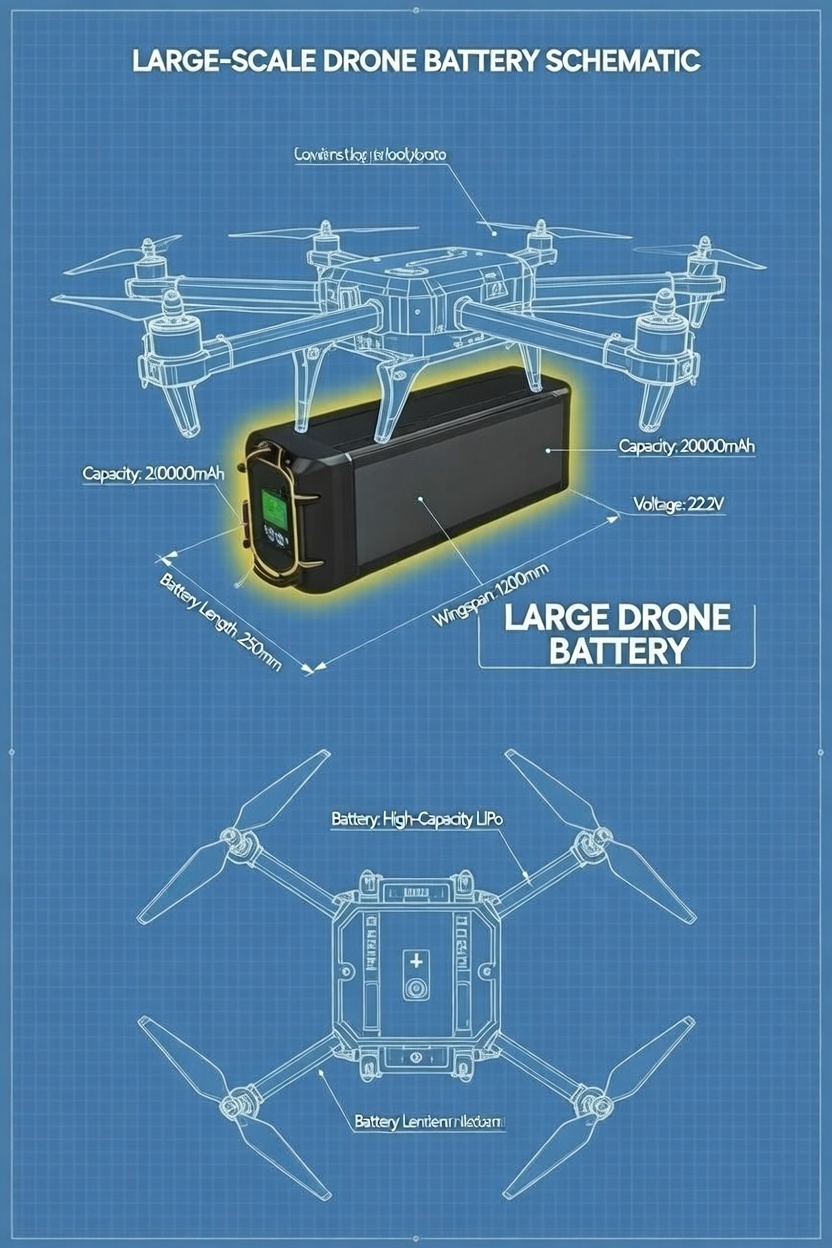
Modern drone batteries now feature sophisticated BMS that communicate real-time data to ground control stations. This includes:
- Cell-level voltage monitoring
- Temperature tracking across multiple points
- Cycle count and degradation analytics
- Predictive failure warnings
For surveillance operations, this means knowing exactly when a battery needs replacement before it fails during a critical mission.
3. Fast-Charging Without Compromise
New lithium polymer formulations enable rapid charging without the traditional trade-off of reduced cycle life. Security firms can now deploy batteries that charge to 80% capacity in under 30 minutes while maintaining 500+ charge cycles.
4. Cold Weather Performance Optimization
Surveillance doesn’t stop when temperatures drop. Advanced battery chemistries now maintain 85%+ capacity retention in sub-zero conditions, crucial for firms operating in northern climates or high-altitude environments.
Solutions That Transform Operations
Standardization Strategy
Leading security firms are adopting fleet-wide battery standardization. Rather than matching batteries to individual drone models, they’re selecting drones that accept common battery platforms. This approach reduces inventory complexity and enables rapid battery swapping across the entire fleet.
Key benefits include:
- Reduced training requirements for field technicians
- Simplified inventory management
- Lower total cost of ownership
- Faster deployment during emergency situations
Predictive Maintenance Integration
By integrating battery health data into existing maintenance management systems, firms can schedule replacements proactively rather than reactively. This prevents unexpected failures and extends overall battery life through optimized usage patterns.
Certified Supply Chain Partnerships
Working with manufacturers who maintain UL security certifications and CE-UAS European Union drone system certifications ensures batteries meet international safety and performance standards. This becomes critical when operations span multiple jurisdictions.
What Bulk Procurement Customers Need to Know
For organizations purchasing batteries at scale, several factors deserve special attention:
Volume Pricing vs. Quality Assurance
The temptation to chase the lowest per-unit cost can lead to compatibility nightmares. Reputable manufacturers offer volume pricing while maintaining strict quality control. Ask for batch testing reports and certification documentation before committing to large orders.
Warranty and Support Structures
Bulk purchases should include comprehensive warranty terms that cover not just individual battery failures but systemic compatibility issues. Ensure your supplier provides technical support for integration challenges.
Customization Options
Large fleets often have unique requirements. Leading manufacturers offer customization for connector types, capacity configurations, and firmware settings to match specific operational needs.
Lead Time Management
Security operations can’t wait weeks for battery replacements. Establish clear lead time expectations and maintain strategic reserve inventory based on your operational tempo.
Industry Standards and Compliance Framework
Navigating the regulatory landscape requires understanding multiple certification frameworks:
- UN 38.3: Transportation safety testing for lithium batteries
- IEC 62133: International safety standards for portable battery systems
- CE RED: Radio Equipment Directive compliance for European operations
- IATA DGR: Air transport regulations updated annually
Manufacturers who maintain these certifications demonstrate commitment to safety and quality. For security firms, this isn’t just about compliance—it’s about liability protection and operational reliability.
Real-World Case Study: Multi-Site Surveillance Operation
A regional security firm operating 47 drones across 12 facilities faced chronic battery compatibility issues. Different drone models required different batteries, creating inventory chaos and frequent operational delays.
The Solution:
The firm partnered with a battery manufacturer to standardize on a single high-capacity battery platform compatible with 80% of their fleet. Remaining drones were gradually replaced with compatible models over 18 months.
Results After 12 Months:
- 62% reduction in battery-related downtime
- 45% decrease in total battery inventory costs
- 90% improvement in charging station utilization
- Zero battery-related safety incidents
This transformation didn’t happen overnight, but the systematic approach to technical compatibility delivered measurable operational improvements.
Frequently Asked Questions
Q: How often should drone batteries be replaced in surveillance operations?
A: Industry best practices suggest replacement after 300-500 charge cycles or when capacity drops below 80% of original specifications. However, this varies based on usage patterns and environmental conditions. Regular health monitoring through BMS data provides more accurate replacement timing.
Q: Can I mix batteries from different manufacturers on the same drone model?
A: Technically possible in some cases, but not recommended without thorough compatibility testing. Different manufacturers may implement communication protocols differently, potentially causing performance issues or safety concerns. Always consult with your drone manufacturer before mixing battery brands.
Q: What’s the impact of storage conditions on battery longevity?
A: Batteries stored at 40-60% charge in temperature-controlled environments (15-25°C) maintain capacity significantly longer than those stored fully charged or in extreme temperatures. For bulk inventory, invest in proper storage facilities to protect your investment.
Q: How do new transport regulations affect battery shipping?
A: The 2025 IATA updates require lithium batteries to be shipped at lower states of charge for air transport. This affects how you manage battery inventory across multiple locations. Work with logistics partners who understand these requirements to avoid shipment delays.
Q: What cybersecurity measures should I verify in smart batteries?
A: Ensure batteries support secure firmware updates, encrypted communications, and authentication protocols. Request documentation on security testing and vulnerability management from your supplier.
The Path Forward
Technical compatibility isn’t just a technical specification—it’s an operational imperative. For security and surveillance firms, the right battery strategy means the difference between reliable coverage and critical gaps in protection.
The trends we’ve explored point toward a future where standardization, intelligence, and compliance converge. Firms that embrace these changes now will find themselves ahead of competitors still struggling with fragmented battery ecosystems.
Your drone fleet is only as strong as its weakest power source. Make sure that foundation is built on compatibility, quality, and proven performance.
Ready to transform your drone battery strategy?
Our team specializes in helping security and surveillance firms navigate technical compatibility challenges with customized battery solutions designed for large-scale operations.
Contact us today to discuss your specific requirements and discover how standardized battery platforms can streamline your operations.
Explore More Resources:
- Visit our homepage for comprehensive drone battery solutions
- Review our industrial drone battery specifications to find the right fit for your fleet
- Learn battery maintenance best practices to maximize your investment and operational readiness
The sky demands reliability. Your battery choice determines whether you deliver it.