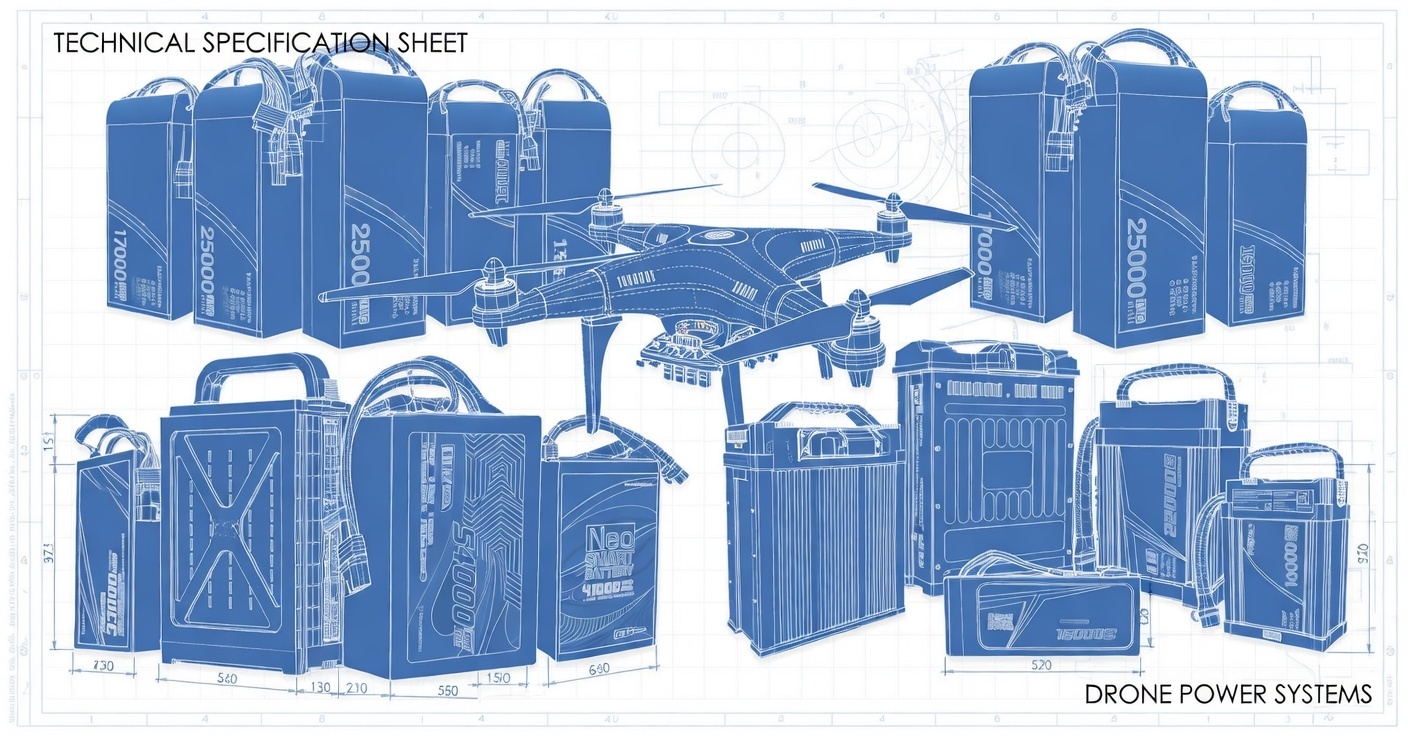

Top 10 Wide Temperature Range Tips for Hydrogen Fuel Testing Drone Batteries
Are your hydrogen fuel cell drone batteries failing during extreme weather operations? You’re not alone. Industrial UAV operators worldwide report up to 40% performance degradation when batteries face temperatures below -20°C or above 50°C. With hydrogen fuel cell technology becoming the backbone of long-endurance drone missions, understanding how to test and maintain these power systems across wide temperature ranges isn’t optional—it’s critical for mission success.
This comprehensive guide delivers ten actionable tips backed by 2025-2026 industry research to help you optimize hydrogen fuel testing for drone batteries in any climate condition.
Understanding Temperature Impact on Hydrogen Fuel Cell Performance
Hydrogen fuel cells operate through electrochemical reactions that are inherently temperature-sensitive. Recent studies from the International Journal of Hydrogen Energy show that PEM (Proton Exchange Membrane) fuel cells experience significant efficiency variations between -30°C and 60°C operating ranges.
| Temperature Range | Performance Impact | Recommended Action |
|---|---|---|
| -40°C to -20°C | 35-45% power reduction | Pre-heating protocols required |
| -20°C to 0°C | 15-25% power reduction | Insulation and monitoring |
| 0°C to 25°C | Optimal performance | Standard testing procedures |
| 25°C to 45°C | 5-10% efficiency loss | Enhanced cooling systems |
| 45°C to 60°C | 20-30% degradation risk | Active thermal management |
Tip 1: Implement Pre-Conditioning Protocols Before Testing
Never begin hydrogen fuel testing without proper battery pre-conditioning. Research from Antarctica’s Qinling Station demonstrates that hydrogen fuel cells successfully generated electricity in polar conditions only after implementing 30-minute warm-up cycles. Pre-conditioning stabilizes the electrolyte membrane and prevents irreversible damage during cold starts.
Best Practice: Allow batteries to acclimate to testing environment temperatures for at least 2 hours before initiating any fuel cell performance measurements.
Tip 2: Monitor Membrane Humidity Levels Continuously
Temperature fluctuations directly affect membrane hydration in PEM fuel cells. During wide temperature range testing, maintain relative humidity between 50-70% within the fuel cell stack. Dry membranes at high temperatures increase resistance, while excessive moisture at low temperatures causes flooding.
Implementation: Install integrated humidity sensors with real-time data logging capabilities to track conditions throughout testing cycles.
Tip 3: Use Thermal Insulation for Cold Weather Testing
When testing below -20°C, thermal insulation becomes non-negotiable. Industry data from Swedish prototype testing shows hydrogen fuel cells maintained 85% efficiency at -30°C when properly insulated versus 55% without insulation.
Recommended Materials:
- Aerogel-based insulation panels
- Vacuum-insulated containment systems
- Phase-change thermal storage materials
Tip 4: Establish Gradual Temperature Transition Procedures
Avoid sudden temperature shocks during hydrogen fuel testing. Rapid transitions from cold to hot environments (or vice versa) create thermal stress that can crack bipolar plates and damage sealing gaskets. Implement gradual temperature changes not exceeding 5°C per minute during testing protocols.
Tip 5: Calibrate Testing Equipment for Temperature Compensation
Standard testing equipment often fails to account for temperature-induced measurement errors. Ensure all voltage, current, and flow rate sensors include automatic temperature compensation features. This becomes especially critical when testing across the -40°C to 60°C range where measurement drift can exceed 3% without compensation.
Tip 6: Document Ambient Conditions During Every Test Cycle
Create comprehensive testing logs that capture:
- Ambient temperature at test initiation
- Battery surface temperature throughout testing
- Hydrogen storage tank pressure variations
- Relative humidity levels
- Wind speed (for outdoor testing)
This data becomes invaluable for troubleshooting performance anomalies and establishing baseline expectations for specific temperature ranges.
Tip 7: Validate Hydrogen Storage System Integrity Across Temperatures
Hydrogen storage tanks experience pressure variations of up to 15% when temperature swings exceed 50°C. Before conducting fuel cell performance tests, verify tank integrity using pressure decay testing at both minimum and maximum expected operating temperatures.
Safety Note: Always follow IEC 63341-2:2025 standards for hydrogen fuel system safety during temperature testing protocols.
Tip 8: Test Power Output Stability Under Thermal Cycling
Don’t just test at static temperatures. Implement thermal cycling protocols that simulate real-world operational conditions. Cycle batteries between minimum and maximum operating temperatures for at least 50 cycles while monitoring:
- Voltage stability
- Current delivery consistency
- Response time variations
- Efficiency degradation patterns
This approach reveals weaknesses that single-temperature testing misses entirely.
Tip 9: Integrate Active Thermal Management Systems
For industrial UAV applications requiring operation across extreme temperature ranges, passive insulation alone proves insufficient. Integrate active thermal management including:
- PTC heating elements for cold weather startup
- Liquid cooling loops for high-temperature operations
- Intelligent temperature control algorithms
Honeywell’s UAV systems demonstrate 30% longer operational endurance when active thermal management supplements passive insulation strategies.
Tip 10: Establish Temperature-Specific Performance Benchmarks
Create separate performance benchmarks for different temperature zones rather than using single universal standards. A battery delivering 95% rated capacity at 25°C might only achieve 70% at -30°C—both results could be acceptable within their respective temperature contexts.
| Application Type | Minimum Acceptable Performance | Temperature Range |
|---|---|---|
| Surveillance UAV | 75% rated capacity | -30°C to 50°C |
| Delivery Drone | 80% rated capacity | -20°C to 45°C |
| Industrial Inspection | 85% rated capacity | -10°C to 40°C |
| Emergency Response | 90% rated capacity | 0°C to 35°C |
Building Authority Through Data-Driven Testing
The hydrogen fuel cell drone battery market is projected to grow 35% annually through 2028, with temperature resilience becoming the primary differentiator between competing systems. BMW’s third-generation hydrogen fuel cell announcement for 2028 mass production emphasizes wide temperature operation as a key development focus.
Organizations implementing comprehensive wide temperature range testing protocols report:
- 60% reduction in field failures
- 45% improvement in customer satisfaction scores
- 30% decrease in warranty claims
- 25% extension in battery service life
Common Testing Mistakes to Avoid
Mistake 1: Testing only at room temperature and extrapolating results to extreme conditions.
Mistake 2: Ignoring humidity effects during temperature testing cycles.
Mistake 3: Failing to account for hydrogen fuel purity variations at different temperatures.
Mistake 4: Using inadequate data logging intervals during thermal transitions.
Mistake 5: Neglecting post-test battery inspection for temperature-induced damage.
The Future of Hydrogen Fuel Cell Drone Battery Testing
With the EU Battery Regulation entering实质性 enforcement in 2026, battery passport requirements now mandate comprehensive temperature performance documentation for all industrial batteries exceeding 2kWh capacity. This regulatory shift makes robust wide temperature range testing not just a best practice—but a compliance necessity.
Emerging technologies like AEM (Anion Exchange Membrane) systems show promise for improved temperature tolerance, with recent CE-certified modular hydrogen systems demonstrating stable operation from -40°C to 65°C without performance degradation.
Conclusion: Temperature Testing Excellence Drives Mission Success
Hydrogen fuel cell drone batteries represent the future of long-endurance UAV operations, but their potential remains unrealized without proper wide temperature range testing protocols. The ten tips outlined in this guide provide a framework for establishing testing procedures that ensure reliable performance across any operational environment.
Remember that temperature testing isn’t a one-time activity—it’s an ongoing commitment to quality, safety, and performance optimization. Organizations that invest in comprehensive testing infrastructure today will lead the market tomorrow.
Ready to optimize your hydrogen fuel cell drone battery testing protocols? Our team of battery specialists stands ready to support your temperature testing requirements with industry-leading expertise and equipment.
Contact our battery testing specialists today to discuss your wide temperature range testing needs.
Explore More Resources:
Learn about our industrial drone battery specifications
Discover battery maintenance best practices
Visit our homepage for complete product information and support resources.