

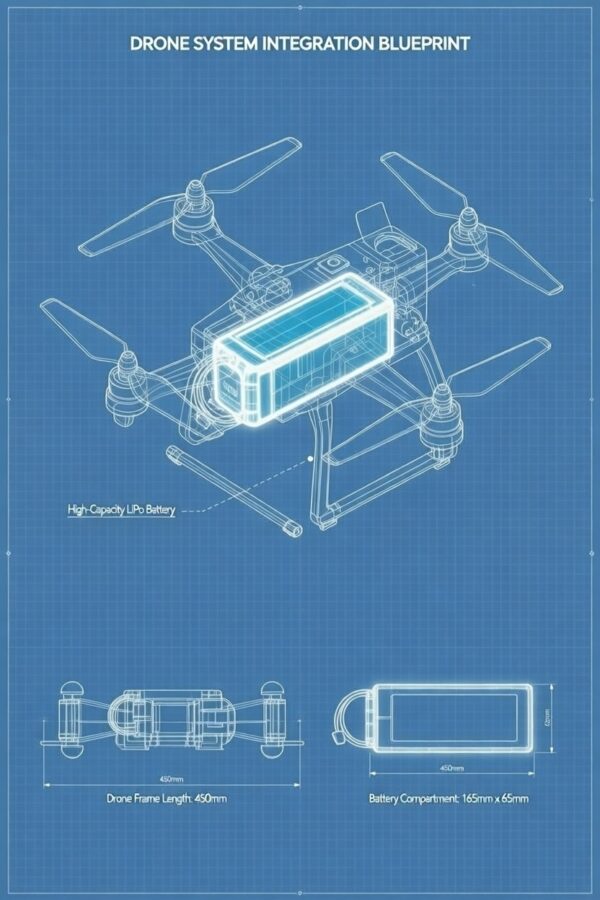
Drone Battery Safety: Essential Battery Life Cycles for Security Patrol
Introduction
Security patrol operations using drones have revolutionized how organizations monitor and protect their assets. However, the effectiveness of these aerial security systems hinges on one critical component: the drone battery. Understanding battery life cycles is not just about maximizing flight time—it’s about ensuring operational safety, reliability, and cost-efficiency. In this comprehensive guide, we’ll explore essential battery management strategies that security professionals must implement to maintain optimal drone performance. We’ll cover battery lifecycle fundamentals, safety protocols, maintenance best practices, and actionable tips to extend battery longevity while keeping your security operations running smoothly.
Understanding Drone Battery Life Cycles
Every drone battery has a finite lifespan measured in charge cycles. A charge cycle represents one complete discharge and recharge of the battery. Most lithium-polymer (LiPo) batteries used in security drones typically last between 300 to 500 charge cycles before significant capacity degradation occurs.
For security patrol operations, this translates to approximately 12-18 months of regular use. However, improper handling can reduce this lifespan by up to 60%. Understanding where your battery stands in its lifecycle helps you plan replacements proactively rather than reacting to unexpected failures during critical patrol missions.
Key indicators of battery aging include:
- Reduced flight time per charge
- Increased charging duration
- Voltage inconsistencies across cells
- Physical swelling or deformation
Critical Safety Protocols for Security Operations
Safety must remain the top priority when deploying drones for security patrols. Battery-related incidents can cause operational downtime, equipment damage, or worse—personnel injury. Implement these essential safety protocols:
Storage Standards
Always store drone batteries at 40-60% charge when not in use. Never leave batteries fully charged or completely depleted for extended periods. Maintain storage temperatures between 15-25°C (59-77°F) in fire-resistant containers.
Pre-Flight Inspections
Before each security patrol, conduct thorough battery inspections. Check for physical damage, verify voltage levels across all cells, and ensure connections are secure. Any battery showing irregularities should be immediately removed from service.
Charging Supervision
Never leave batteries charging unattended. Use only manufacturer-approved chargers and charging stations. Ensure charging areas are well-ventilated and free from flammable materials. Implement automatic shutoff mechanisms where possible.
Battery Management Techniques for Extended Lifespan
Proper battery management directly impacts operational costs and mission reliability. Security teams implementing systematic battery management protocols report up to 40% longer battery lifespans compared to those without structured approaches.
Rotation Systems
Implement a battery rotation system where multiple batteries share the workload equally. Label each battery with purchase dates and cycle counts. This prevents individual batteries from being overused while others remain idle.
Temperature Control
Battery performance degrades rapidly in extreme temperatures. Avoid flying in conditions below 0°C or above 40°C when possible. Allow batteries to acclimate to ambient temperatures before use. Never charge batteries immediately after flight—wait until they cool to room temperature.
Discharge Management
Never drain batteries below 20% capacity during operations. Deep discharges accelerate chemical degradation within battery cells. Set automatic return-to-home triggers at 30% battery levels to ensure safe margin for unexpected circumstances.
Documentation Practices
Maintain detailed logs for each battery including:
- Purchase date and initial capacity
- Total charge cycles completed
- Performance metrics over time
- Any incidents or irregularities
- Retirement date
Recognizing When to Replace Batteries
Knowing when to retire batteries is as important as maintaining them. Continuing to use degraded batteries increases safety risks and compromises mission effectiveness.
Replace batteries immediately when you observe:
- Capacity drops below 80% of original specifications
- Visible swelling or case deformation
- Inconsistent cell voltage readings (differences exceeding 0.1V)
- Excessive heat generation during normal use
- Physical damage to connectors or casing
For security operations where reliability is paramount, consider proactive replacement at 70% capacity rather than waiting for complete failure. The cost of premature replacement pales in comparison to operational disruptions or safety incidents.
Optimizing Battery Performance for Security Patrols
Security patrol missions often require extended flight times and consistent performance. Optimize your battery setup to meet these demanding requirements.
Load Management
Minimize unnecessary payload weight. Every additional gram reduces flight time and increases battery strain. Regularly audit your drone configuration to eliminate non-essential equipment.
Flight Pattern Efficiency
Plan efficient flight paths that minimize aggressive maneuvers. Smooth, consistent flight patterns reduce battery stress compared to frequent acceleration and deceleration cycles.
Firmware Updates
Keep drone and battery management firmware updated. Manufacturers regularly release improvements to battery management algorithms that can enhance performance and safety features.
Building a Comprehensive Battery Safety Program
Organizations serious about drone security operations should develop formal battery safety programs. These programs standardize practices across teams and ensure consistency in battery handling.
Training Requirements
All personnel handling drone batteries must complete certified training covering:
- Proper handling and storage procedures
- Emergency response protocols
- Inspection checklists
- Documentation requirements
Emergency Preparedness
Maintain fire suppression equipment near charging and storage areas. Train staff on lithium battery fire response procedures. Never use water on lithium battery fires—use Class D fire extinguishers or sand.
Audit Schedules
Conduct monthly battery audits to verify compliance with safety protocols. Review battery logs, inspect storage facilities, and test emergency equipment regularly.
Conclusion
Drone battery safety forms the foundation of reliable security patrol operations. By understanding battery life cycles, implementing proper management techniques, and maintaining rigorous safety protocols, security teams can maximize both performance and operational longevity. The investment in proper battery management pays dividends through reduced replacement costs, minimized downtime, and enhanced mission success rates.
Remember that battery safety is not a one-time implementation but an ongoing commitment requiring consistent attention and continuous improvement. Your security operations depend on it.
Take Action Today
Ready to optimize your drone battery safety program? Explore our industrial drone battery specifications to find the perfect power solutions for your security operations. Learn more about battery maintenance best practices through our comprehensive help center resources.
For personalized consultation on implementing battery safety protocols for your security team, visit our contact page. Our experts are ready to help you build a safer, more efficient drone operation.
Visit our homepage to discover the full range of drone battery solutions designed specifically for security patrol applications. Your commitment to battery safety today ensures operational excellence tomorrow.


