

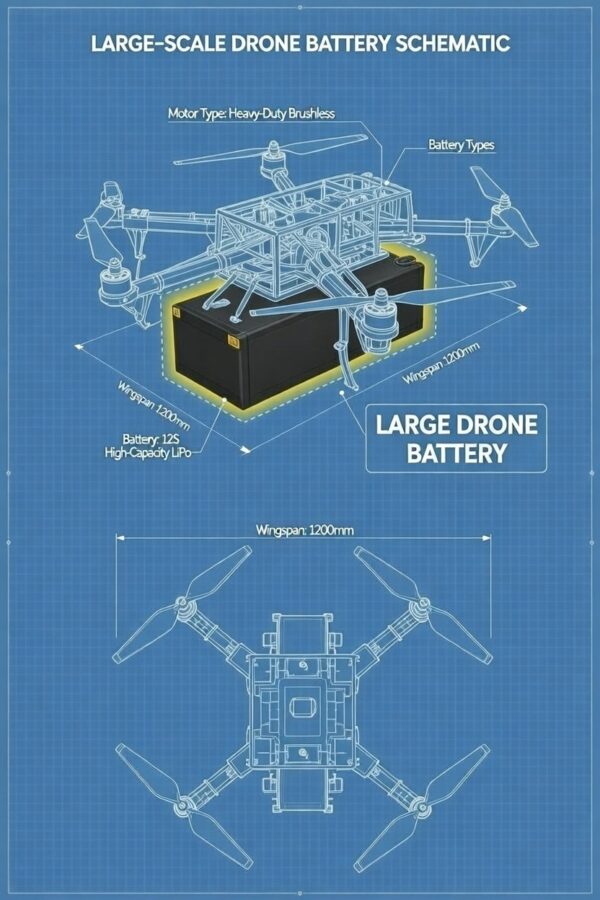
Drone Battery Safety: Essential Battery Life Cycles for Plant Protection
In the rapidly evolving landscape of modern agriculture, unmanned aerial vehicles (UAVs) have become indispensable tools for plant protection. From precision spraying to crop monitoring, agricultural drones enhance efficiency and reduce labor costs. However, at the heart of every successful mission lies a critical component: the battery. Drone battery safety is not merely a operational checklist item; it is the foundation of fleet reliability and field security. Understanding essential battery life cycles is crucial for maximizing return on investment while ensuring the safety of personnel and equipment.
As we progress through 2026, the standards for agricultural aviation power systems have become more rigorous. This guide provides a comprehensive overview of battery lifecycle management, safety protocols, and optimization strategies tailored for plant protection drones. By adhering to these guidelines, operators can mitigate risks associated with lithium polymer (LiPo) and lithium-ion (Li-ion) batteries, which are prone to degradation if mishandled.
Understanding Battery Life Cycles in Agricultural Drones
A battery life cycle is defined as one complete discharge and recharge sequence. For high-discharge batteries used in plant protection drones, the cycle life is typically shorter than consumer electronics due to the extreme power demands of heavy lifting and continuous motor operation. Industry data suggests that high-quality agricultural drone batteries generally sustain between 300 to 500 full cycles before capacity drops below 80% of the original rating.
However, a “cycle” is not always a single flight. In professional settings, partial discharges are common. For instance, flying until 50% capacity remains and recharging counts as half a cycle. Understanding this nuance is vital for fleet managers tracking asset health. Degradation manifests as reduced flight time, voltage sag under load, and increased internal resistance. Ignoring these signs can lead to sudden power loss during critical spraying operations, potentially causing crashes or incomplete coverage.
To maintain optimal performance, operators must monitor the voltage per cell. A standard fully charged LiPo cell sits at 4.2 volts, while the safe discharge cutoff is typically around 3.5 volts. Dropping below this threshold can cause irreversible chemical damage, leading to swelling or thermal runaway. For detailed specifications on voltage tolerances and capacity ratings suitable for your fleet, you should explore our industrial drone battery specifications at https://cnsbattery.com/drone-battery-home/drone-battery/.
Critical Safety Protocols During Operation
Safety in agricultural drone operations extends beyond flight skills; it encompasses rigorous battery handling procedures. The environment in which plant protection drones operate is often harsh, involving exposure to dust, moisture, pesticides, and varying temperatures.
Charging Safety
Charging is the most vulnerable phase for battery safety. Always charge batteries in a fire-resistant container or on a non-flammable surface. Ensure the charging area is well-ventilated and free from combustible materials. Never leave charging batteries unattended. Modern smart chargers should be used to balance cells individually, preventing overcharging which is a primary cause of fires.
Storage and Transportation
When drones are not in use, batteries should not be stored at full charge or fully depleted. The ideal storage voltage is approximately 3.8 volts per cell. Storing at 4.2 volts accelerates chemical aging, while storing below 3.5 volts risks deep discharge, rendering the battery unusable. During transportation, batteries must be protected from physical impact and short-circuiting. Terminal covers should always be installed when the battery is not connected to the drone.
Environmental Considerations
Plant protection often occurs in extreme weather. Operating in temperatures below 0°C reduces capacity and increases internal resistance, while temperatures above 45°C can trigger thermal instability. Batteries should be warmed up before flight in cold conditions and cooled down before charging in hot conditions. Allowing a battery to rest for at least 20 minutes after a heavy load flight before recharging is a critical safety step to prevent heat buildup.
Optimization Methods for Extended Battery Life
To ensure the longevity and safety of your drone power systems, implement the following optimization methods. These best practices are designed to maximize the usable life of each pack while maintaining safety standards.
- Implement Rotation Schedules: Do not use the same battery pack consecutively. Rotate through your fleet to allow each battery adequate cooling time between flights. This prevents heat accumulation which degrades cell chemistry.
- Monitor Internal Resistance: Regularly check the internal resistance of each cell using a smart charger or diagnostic tool. A sudden increase in resistance indicates cell degradation and potential safety hazards.
- Avoid Deep Discharges: Plan missions to return with at least 20% capacity remaining. Deep discharges strain the battery and increase the risk of voltage sag during the next flight.
- Use Certified Chargers: Only use chargers recommended by the manufacturer. Uncertified equipment may lack proper balancing features, leading to cell mismatch and instability.
- Maintain Clean Terminals: Agricultural environments are dusty and corrosive. Regularly inspect and clean battery terminals to ensure good conductivity and prevent arcing.
- Store in Climate-Controlled Environments: Whenever possible, store batteries in a cool, dry place. Avoid leaving batteries in direct sunlight or inside hot vehicles.
- Document Usage Logs: Keep a detailed log of cycle counts, flight times, and any anomalies. This data helps in predicting end-of-life and scheduling replacements proactively.
For more detailed guidelines on maintaining your equipment, you can learn about battery maintenance best practices at https://cnsbattery.com/drone-battery-home/drone-battery-help-center/.
Building Trust Through Data-Driven E-E-A-T
Establishing expertise, experience, authoritativeness, and trustworthiness (E-E-A-T) in drone operations requires reliance on accurate data. In 2026, regulatory bodies and insurance providers increasingly demand proof of safe battery management.
Consider the following data points as industry benchmarks for safety:
- Temperature Limits: Charging should strictly occur between 0°C and 45°C. Operating ranges can extend from -20°C to 60°C, but performance will vary.
- Voltage Variance: The voltage difference between cells in a pack should not exceed 0.05 volts. Higher variance indicates imbalance and potential failure.
- Swelling Threshold: Any physical swelling of the battery casing is a definitive sign of internal gas generation. Such batteries must be retired immediately and disposed of according to local hazardous waste regulations.
- Cycle Count Tracking: Most modern battery management systems (BMS) track cycles. Retire batteries that exceed the manufacturer’s recommended cycle limit, even if they appear functional, to prevent in-flight failures.
By adhering to these data-driven standards, operators demonstrate a commitment to safety and reliability. This not only protects assets but also builds trust with clients and regulatory authorities.
Frequently Asked Questions (FAQ)
Q1: How often should I replace my agricultural drone batteries?
A: Replacement depends on usage intensity. Generally, if a battery exceeds 500 cycles or shows capacity below 80%, it should be replaced. Physical damage or swelling requires immediate replacement regardless of cycle count.
Q2: Can I use a battery that has been exposed to pesticide spray?
A: No. Chemical exposure can corrode terminals and compromise the casing integrity. If a battery is contaminated, it should be inspected by a professional or retired to prevent safety hazards.
Q3: What is the best way to dispose of old drone batteries?
A: Lithium batteries are hazardous waste. Do not throw them in regular trash. Take them to designated recycling centers or hazardous waste disposal facilities that accept LiPo batteries.
Q4: Why does my battery get hot after a flight?
A: Heat is a byproduct of high discharge rates. However, excessive heat indicates high internal resistance or overloading. Allow the battery to cool to ambient temperature before charging.
Q5: Is it safe to charge batteries overnight?
A: It is not recommended. While smart chargers have safety features, unattended charging increases risk. Always monitor the charging process until completion.
Conclusion and Next Steps
Drone battery safety is a continuous process that demands attention to detail and adherence to best practices. By understanding essential battery life cycles and implementing rigorous safety protocols, plant protection operators can ensure efficient, safe, and profitable operations. The longevity of your fleet depends on how well you care for its power source.
For operators seeking high-performance, safety-certified batteries designed specifically for the demands of agricultural aviation, we offer a range of solutions tailored to your needs. Our products are engineered to withstand the rigors of plant protection while maximizing flight time and safety.
If you have specific questions about compatibility or need technical support for your current fleet, please do not hesitate to reach out. You can contact us directly via our contact page at https://cnsbattery.com/drone-battery-home/drone-battery-contact. For more information about our company and mission, visit our homepage at https://cnsbattery.com/drone-battery-home.
Prioritize safety, monitor your cycles, and keep your fleet airborne with confidence. The future of agriculture depends on reliable technology, and that starts with a safe, powerful battery.

