Avoid Common Mistakes in Technical Compatibility for Agriculture Drones
The rapid advancement of agricultural drone technology has transformed modern farming practices, offering unprecedented efficiency in crop monitoring, pesticide application, and field analysis. However, many farmers and agricultural businesses fall into critical traps when selecting and integrating drone systems. Technical compatibility issues can lead to costly downtime, reduced operational efficiency, and even complete system failures during crucial farming seasons. This comprehensive guide identifies the most common mistakes in agricultural drone technical compatibility and provides actionable strategies to avoid them. By understanding battery specifications, communication protocols, payload integration, and software ecosystems, you can maximize your investment and ensure seamless operations throughout the growing season.
Understanding Core Compatibility Challenges
Agricultural drones are complex systems requiring harmony between multiple components. The most frequent compatibility mistakes stem from overlooking fundamental technical specifications. Battery voltage mismatches represent the leading cause of operational failures, with many users attempting to pair incompatible power systems with their drone platforms. Communication protocol inconsistencies between controllers and aircraft create frustrating connectivity issues that disrupt field operations. Additionally, payload weight miscalculations often exceed manufacturer specifications, leading to reduced flight times and potential safety hazards.
Software integration presents another significant challenge. Many agricultural drone operators fail to verify that their mapping software, flight planning applications, and data analysis tools work seamlessly together. This fragmentation creates data silos and prevents farmers from leveraging the full potential of their drone investments. Environmental factors specific to agricultural settings, including dust exposure, moisture, and temperature variations, further complicate compatibility considerations that many operators neglect during initial system selection.
Battery System Compatibility: The Foundation of Reliable Operations
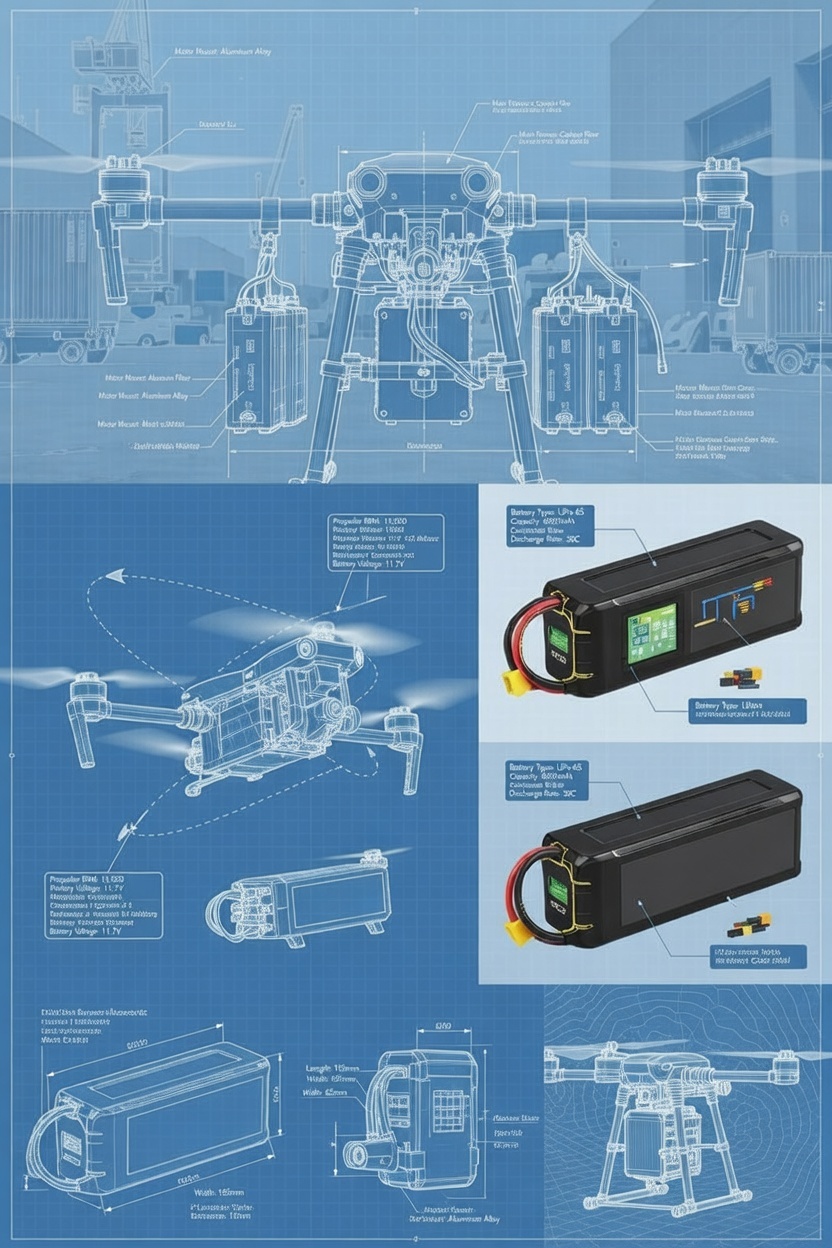
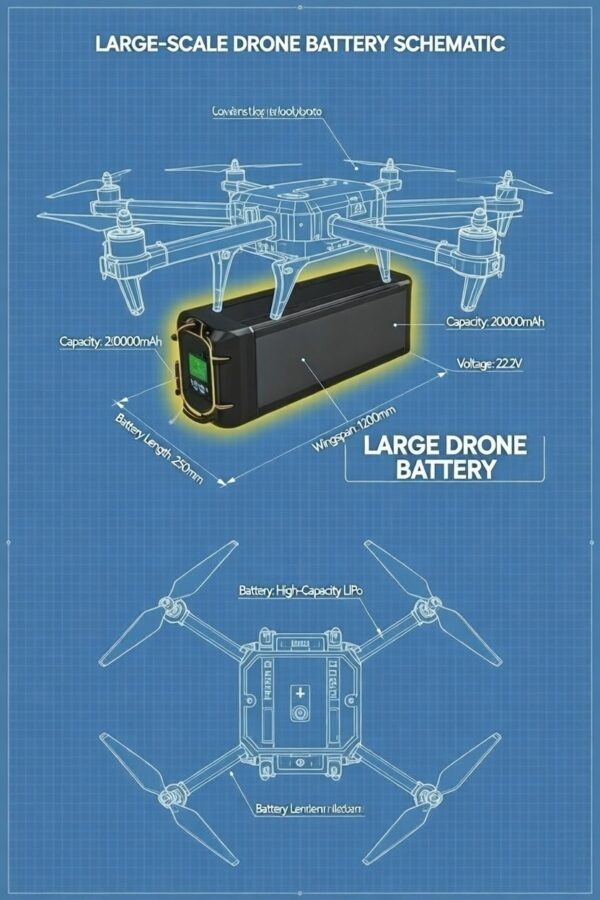
Power systems form the backbone of any agricultural drone operation, yet battery compatibility remains the most overlooked aspect of technical integration. Different drone manufacturers utilize varying battery chemistries, voltage requirements, and communication protocols that are not universally interchangeable. Attempting to use third-party batteries without proper verification can void warranties and create serious safety risks.
Key Battery Compatibility Considerations:
- Verify voltage and capacity specifications match your drone’s power management system requirements
- Ensure battery communication protocols align with your aircraft’s battery management system
- Check charging infrastructure compatibility before purchasing additional battery packs
- Consider temperature performance ratings for your specific geographic operating conditions
- Validate warranty implications when using non-OEM battery solutions
Smart battery systems now include sophisticated communication features that share real-time data with flight controllers. Incompatible batteries may not provide accurate charge status information, leading to unexpected power failures during critical operations. Always consult manufacturer specifications and consider working with experienced suppliers who understand agricultural drone power requirements.
For detailed information about industrial drone battery specifications that meet agricultural demands, explore our comprehensive product range at https://cnsbattery.com/drone-battery-home/drone-battery/
Communication Protocol Integration Mistakes
Modern agricultural drones rely on complex communication networks connecting remote controllers, aircraft, ground stations, and cloud-based data platforms. Protocol mismatches create frustrating operational barriers that prevent smooth data flow and real-time decision-making capabilities. Many operators purchase equipment from different manufacturers without verifying communication compatibility, resulting in isolated systems that cannot share critical information.
Radio frequency compatibility represents another common oversight. Different regions have varying regulations governing transmission frequencies, and using equipment designed for other markets can create legal compliance issues alongside technical problems. Signal interference from farm equipment, irrigation systems, and other electronic devices further complicates communication reliability in agricultural environments.
Communication Best Practices:
- Verify all components use compatible communication protocols before purchase
- Test signal range and reliability in your actual operating environment
- Ensure firmware versions across all devices support required features
- Document all communication specifications for future system expansions
- Establish backup communication methods for critical operations
Payload and Sensor Integration Challenges
Agricultural drones carry various payloads including multispectral cameras, spraying systems, and LiDAR sensors. Each payload type has specific weight, power, and data transmission requirements that must align with your drone platform’s capabilities. Exceeding maximum payload capacity reduces flight time dramatically and can compromise aircraft stability and safety.
Data compatibility between sensors and processing software creates another layer of complexity. Multispectral cameras may produce data formats incompatible with your preferred analysis software, requiring additional conversion steps that slow down decision-making processes. Real-time data transmission requirements for precision agriculture applications demand sufficient bandwidth and processing power that some drone platforms cannot provide.
Payload Integration Tips:
- Calculate total payload weight including mounting hardware and cables
- Verify power consumption requirements against available aircraft power
- Test data transmission rates with your intended processing workflow
- Ensure mounting systems provide adequate vibration isolation for sensors
- Plan for future payload upgrades when selecting your base platform
Software Ecosystem Compatibility
The software surrounding agricultural drone operations often receives less attention than hardware specifications, yet it significantly impacts overall system effectiveness. Flight planning applications must communicate effectively with aircraft firmware, while data processing software needs to handle file formats generated by your specific sensors. Cloud storage solutions should integrate smoothly with your existing farm management systems.
Version control presents ongoing challenges as manufacturers release firmware updates that may break compatibility with older software versions. Many operators experience disruptions when automatic updates change system behavior without adequate testing. Establishing a systematic approach to software updates and maintaining compatibility documentation prevents unexpected operational interruptions.
Software Management Strategies:
- Maintain a compatibility matrix for all software components
- Test updates in controlled environments before deploying to field operations
- Document all software versions currently in use across your fleet
- Establish relationships with software vendors for compatibility support
- Create backup procedures for critical software configurations
Environmental Factor Considerations
Agricultural environments present unique challenges that standard drone specifications may not adequately address. Dust from tilling operations can infiltrate electronic components, while moisture from irrigation systems creates corrosion risks. Temperature extremes affect battery performance and electronic component reliability in ways that laboratory testing may not fully capture.
Environmental Protection Measures:
- Select drones with appropriate IP ratings for your operating conditions
- Implement regular cleaning and maintenance schedules
- Store equipment in climate-controlled environments when possible
- Monitor battery performance across seasonal temperature variations
- Use protective covers and cases during transportation and storage
For comprehensive guidance on maintaining optimal battery performance in challenging agricultural environments, visit our battery maintenance best practices resource at https://cnsbattery.com/drone-battery-home/drone-battery-help-center/
Building a Compatible Agricultural Drone System
Successful agricultural drone operations require systematic planning and careful component selection. Start by defining your specific operational requirements before purchasing any equipment. Consider crop types, field sizes, required data outputs, and budget constraints when building your system architecture. Work with experienced suppliers who understand agricultural applications and can provide compatibility guidance throughout the selection process.
Document all technical specifications and maintain detailed records of compatibility testing results. This documentation proves invaluable when expanding your fleet or troubleshooting operational issues. Establish relationships with multiple suppliers to ensure access to compatible components and technical support when needed.
Conclusion and Next Steps
Avoiding technical compatibility mistakes in agricultural drone operations requires careful planning, thorough research, and ongoing attention to system integration. By focusing on battery compatibility, communication protocols, payload integration, and software ecosystems, farmers can maximize their drone investment returns while minimizing operational disruptions.
Remember that compatibility considerations extend beyond initial purchase decisions. Ongoing maintenance, software updates, and system expansions all require careful compatibility verification to maintain optimal performance levels.
Ready to optimize your agricultural drone operations?
Contact our technical team for personalized compatibility guidance and battery solutions designed specifically for agricultural drone applications. Visit our contact page at https://cnsbattery.com/drone-battery-home/drone-battery-contact to discuss your specific requirements with our experts.
Explore our complete range of agricultural drone solutions and resources at https://cnsbattery.com/drone-battery-home to discover how proper technical compatibility can transform your farming operations.
Invest time in compatibility planning today to ensure seamless, productive drone operations throughout every growing season. Your agricultural success depends on reliable, well-integrated technology that works harmoniously across all system components.