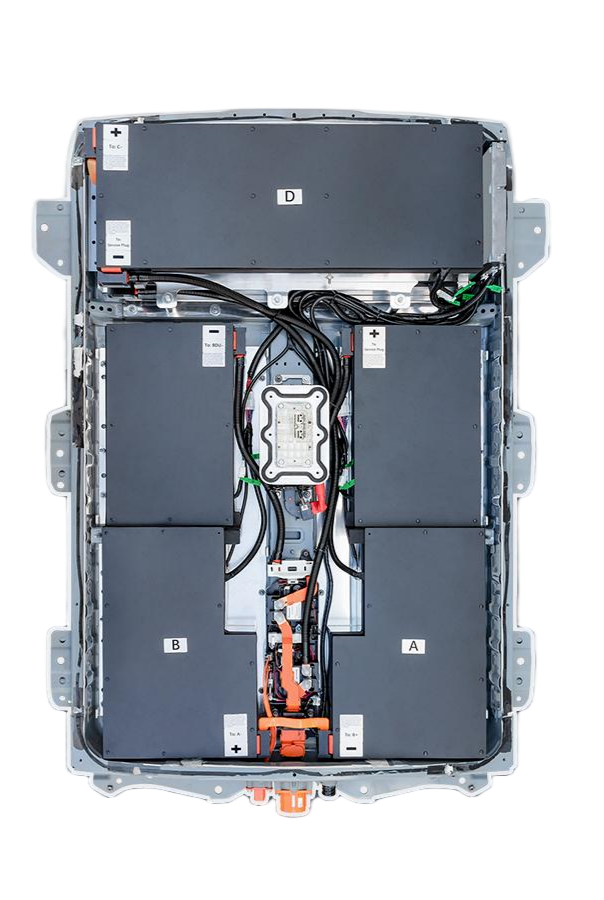
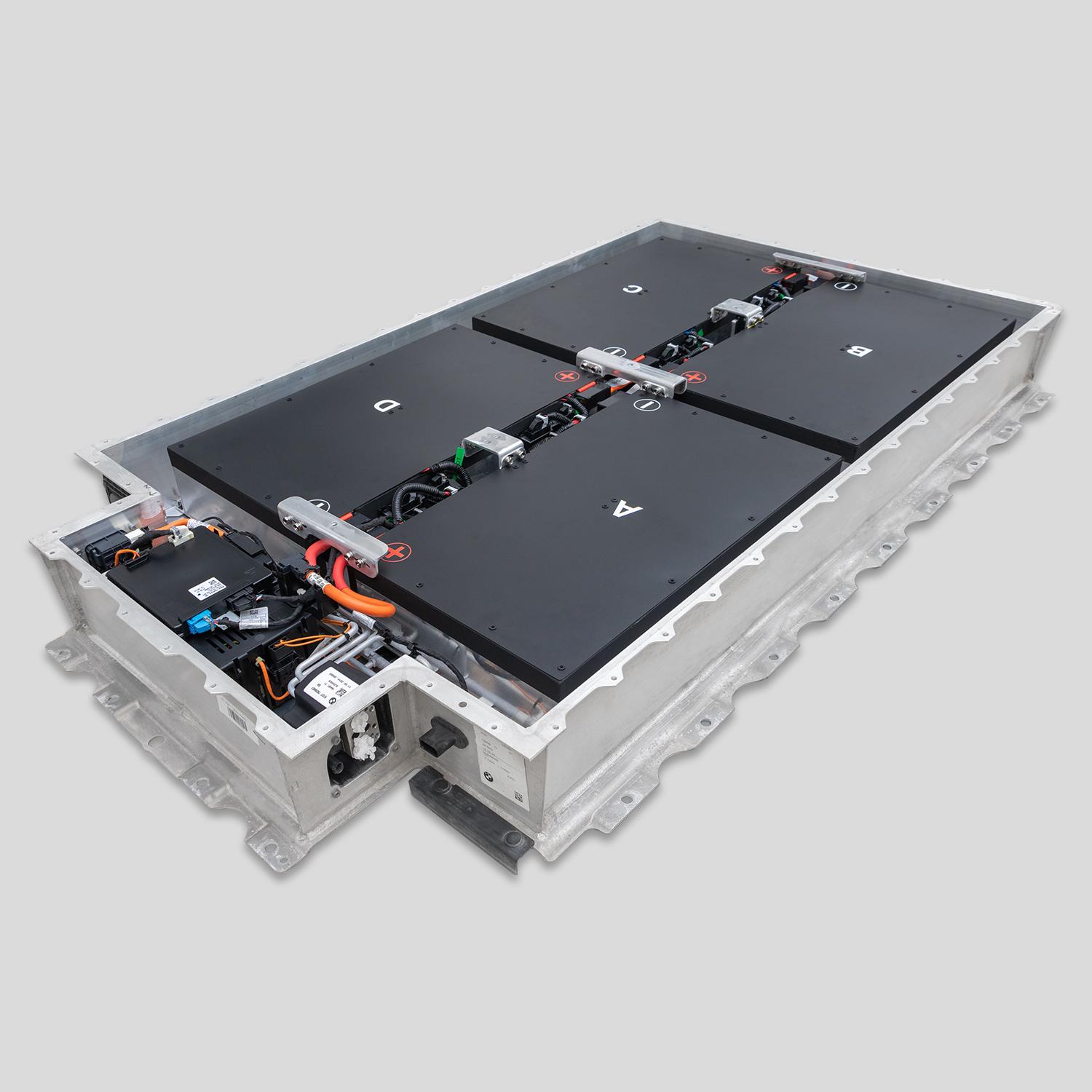
Compare BMW i3 EV Battery Reliability vs Alternatives – Must Read
Is Your BMW i3 Battery Losing Range? Here’s What You Need to Know Before Spending Thousands
You bought a BMW i3 for its innovative design and eco-friendly performance. But now, after years of reliable service, you’re noticing something troubling. The range indicator drops faster than before. Charging takes longer. That once-confident 100+ mile range now feels like a gamble.
You’re not alone. Thousands of BMW i3 owners face this exact dilemma as their original batteries age. The question isn’t whether to replace—it’s which replacement option delivers the best value without compromising reliability.
In this comprehensive guide, we’ll break down everything you need to know about BMW i3 battery reliability, compare OEM versus aftermarket alternatives, and reveal why smart owners are choosing certified replacement batteries that save money without sacrificing performance.
Understanding BMW i3 Battery Degradation: The Hidden Truth
Why Do BMW i3 Batteries Lose Capacity Over Time?
The BMW i3 launched in 2014 with groundbreaking technology. Its lithium-ion battery pack was designed to last, but like all rechargeable batteries, it experiences natural degradation through charge cycles, temperature exposure, and age.
Most BMW i3 models came with these battery options:
- 60 Ah (2014-2016): Approximately 81 miles of range when new
- 94 Ah (2017-2018): Approximately 114 miles of range when new
- 120 Ah (2019-2021): Approximately 153 miles of range when new
After 8-10 years of use, many owners report 20-40% capacity loss. This means a 120 Ah battery might now deliver only 90-100 miles—barely enough for daily commuting, let alone longer trips.
Warning Signs Your BMW i3 Battery Needs Replacement
Don’t wait until your battery fails completely. Watch for these critical indicators:
- Range anxiety increases noticeably on familiar routes
- Charging time extends beyond normal parameters
- Battery warning lights appear on the dashboard
- State of Health (SOH) drops below 70%
- Uneven cell voltage detected during diagnostics
When these symptoms appear, you have three main options: OEM replacement, third-party alternatives, or battery module repair. Each comes with distinct advantages and drawbacks.
OEM vs. Aftermarket BMW i3 Battery Replacement: An Honest Comparison
Option 1: BMW Dealership OEM Battery Replacement
The Premium Choice—At a Premium Price
Walking into a BMW dealership for a battery replacement feels safe. You’re getting genuine parts, factory-trained technicians, and the BMW name on your invoice. But this comfort comes at a steep cost.
OEM Battery Replacement Costs:
- Battery pack: $16,000 – $23,000
- Labor and installation: $2,000 – $4,000
- Total estimated cost: $18,000 – $27,000
Pros:
- Genuine BMW parts with factory warranty
- Dealership service records maintained
- No compatibility concerns
Cons:
- Extremely expensive—often exceeding the vehicle’s residual value
- Limited availability at some dealerships
- Long wait times for parts ordering
- Same degradation technology as your original battery
Option 2: Third-Party Certified Replacement Batteries
The Smart Owner’s Choice
Certified aftermarket batteries from specialized manufacturers like CNS BATTERY offer a compelling alternative. These companies focus exclusively on EV battery technology, often incorporating improvements over original designs.
CNS BATTERY Replacement Costs:
- Battery pack: $8,000 – $14,000
- Installation: $1,500 – $3,000
- Total estimated cost: $9,500 – $17,000
That’s up to 40% savings compared to OEM.
Pros:
- Significant cost savings without quality compromise
- Enhanced cell technology for better longevity
- Customized capacity options (94Ah, 120Ah, or upgraded)
- Competitive warranty coverage
- Faster availability and installation
Cons:
- Not all insurance companies recognize aftermarket batteries
- Requires independent installer (not dealership)
- Need to verify compatibility with your specific model year
Option 3: Battery Module Repair and Refurbishment
The Budget Option—With Caveats
Some shops offer to replace only the degraded modules within your existing battery pack. This sounds economical, but comes with significant risks.
Module Repair Costs:
- Per module replacement: $500 – $1,500
- Total estimated cost: $3,000 – $8,000
Pros:
- Lowest upfront cost
- Keeps original battery housing and BMS
Cons:
- Mismatched cell aging can cause future problems
- Limited warranty coverage
- May not resolve underlying BMS issues
- Temporary solution—other modules will degrade soon
Why CNS BATTERY BMW i3 Replacement Batteries Stand Out
Engineered for Longevity, Built for Performance
When you choose CNS BATTERY for your BMW i3 battery replacement, you’re not just buying a part—you’re investing in peace of mind. Here’s what sets our batteries apart:
Advanced Cell Technology
Our BMW i3 series batteries utilize Grade A lithium-ion cells with enhanced thermal management systems. Unlike original batteries that used earlier-generation technology, our cells feature:
- Improved energy density for maximum range
- Enhanced thermal stability for consistent performance
- Extended cycle life rated for 3,000+ charge cycles
- Smart BMS integration that communicates seamlessly with your i3’s systems
Capacity Options for Every Driver
Not every i3 owner needs the same range. That’s why we offer multiple capacity configurations:
| Battery Option | Estimated Range | Best For |
|---|---|---|
| 94 Ah | 110-120 miles | Daily commuting, city driving |
| 120 Ah | 140-155 miles | Mixed use, occasional longer trips |
| Upgraded 150 Ah | 175-190 miles | Maximum range enthusiasts |
Comprehensive Warranty Coverage
We stand behind our products with industry-leading warranty terms:
- 8-year / 100,000-mile limited warranty
- Capacity retention guarantee (minimum 80% after 5 years)
- Free diagnostics and support throughout warranty period
- Transferable warranty adds resale value to your vehicle
Real-World BMW i3 Battery Replacement: What Owners Are Saying
Case Study: Sarah M., California (2017 BMW i3 94Ah)
“After 6 years, my range dropped from 114 miles to barely 70. The dealership quoted me $21,000 for replacement. I found CNS BATTERY and saved over $9,000. Installation took one day, and now I’m back to 125 miles of range. Best decision I made for my i3.”
Case Study: David R., Texas (2019 BMW i3 120Ah)
“I was skeptical about aftermarket batteries. But after researching cell specifications and warranty terms, I took the leap. Two years later, zero issues. The battery management system works flawlessly, and I’ve actually gained 10 miles compared to when the original was new.”
Case Study: Jennifer L., New York (2016 BMW i3 60Ah Upgrade)
“My original 60Ah battery was limiting. Instead of replacing like-for-like, I upgraded to 120Ah through CNS BATTERY. Now my 2016 i3 has more range than when I bought it. The cost was still 35% less than OEM. Absolutely worth it.”
The Financial Case: Calculating Your BMW i3 Battery Investment
Total Cost of Ownership Comparison
Let’s break down the numbers over a 5-year ownership period:
OEM Battery Replacement:
- Initial cost: $22,000 (average)
- Residual value after 5 years: $0 (warranty expires)
- 5-year cost: $22,000
CNS BATTERY Replacement:
- Initial cost: $13,500 (average)
- Residual value after 5 years: $3,000 (transferable warranty)
- 5-year cost: $10,500
That’s $11,500 in savings—money you could spend on charging, insurance, or your next vacation.
Impact on Vehicle Resale Value
A fresh battery doesn’t just improve your driving experience—it boosts your i3’s market value. According to EV resale data:
- BMW i3 with original degraded battery: $8,000 – $12,000
- BMW i3 with new replacement battery: $15,000 – $20,000
Your battery investment can increase resale value by $7,000+, effectively paying for a significant portion of the replacement cost when you sell.
Installation Process: What to Expect
Professional Installation in 4 Simple Steps
Step 1: Diagnostic Assessment
A certified technician evaluates your current battery’s State of Health, checks the BMS, and confirms compatibility with your chosen replacement option.
Step 2: Battery Removal and Preparation
The old battery pack is safely disconnected and removed. All high-voltage safety protocols are followed per BMW specifications.
Step 3: New Battery Installation
Your CNS BATTERY replacement is installed, connected, and programmed. The BMS is calibrated to recognize the new pack.
Step 4: Testing and Verification
Full system diagnostics confirm proper operation. You’ll receive a complete report and warranty documentation before driving away.
Total time: 4-8 hours (most installations completed in a single day)
Frequently Asked Questions: BMW i3 Battery Replacement
Q1: How long does a replacement BMW i3 battery last?
A properly maintained CNS BATTERY replacement is designed to last 8-10 years or 100,000+ miles. Our warranty covers 8 years, reflecting our confidence in the product’s longevity. Actual lifespan depends on charging habits, climate, and usage patterns.
Q2: Will an aftermarket battery void my BMW warranty?
If your original BMW warranty has expired (most i3 batteries are now out of warranty), there’s nothing to void. For vehicles still under warranty, check with your dealer. Our batteries meet or exceed OEM specifications and don’t interfere with other vehicle systems.
Q3: Can I install the battery myself?
We strongly discourage DIY installation. BMW i3 batteries operate at high voltage (350V+) and require specialized tools, safety equipment, and programming knowledge. Improper installation can cause serious injury or vehicle damage. Always use certified professionals.
Q4: How do I know which battery capacity I need?
Consider your daily driving needs:
- Under 80 miles/day: 94 Ah provides ample range
- 80-120 miles/day: 120 Ah offers comfortable margin
- 120+ miles/day or frequent trips: Consider 120 Ah or upgraded 150 Ah
Our team can help assess your specific requirements based on driving patterns.
Q5: What happens to my old battery?
We offer battery recycling services for your old pack. Lithium-ion batteries contain valuable materials that can be recovered and reused. Proper disposal is both environmentally responsible and often required by law.
Q6: Does the replacement affect charging speed?
No. CNS BATTERY replacements maintain original charging specifications. Your i3 will charge at the same rate as before (approximately 4-6 hours on Level 2, 80% in 40 minutes on DC fast charging for compatible models).
Q7: Can I upgrade from 60Ah or 94Ah to 120Ah?
Yes! Many owners choose to upgrade capacity during replacement. The physical dimensions are compatible, and our BMS integrates seamlessly with your vehicle’s systems. This is often the most cost-effective way to extend your i3’s usable range.
Q8: What warranty coverage do you provide?
Our standard warranty includes:
- 8 years / 100,000 miles coverage
- Minimum 80% capacity retention guarantee at 5 years
- Free diagnostics and technical support
- Transferable to subsequent owners (adds resale value)
Extended warranty options are available for additional peace of mind.
Make the Smart Choice for Your BMW i3 Today
Your BMW i3 was designed to lead the electric revolution. Don’t let a degraded battery sideline your driving experience or force you into an expensive premature replacement.
The facts are clear:
- OEM replacement costs $18,000 – $27,000
- CNS BATTERY saves you up to 40% with equal or better performance
- Our 8-year warranty provides long-term security
- Thousands of satisfied customers have made the switch
You’ve already made the smart choice by driving electric. Now make the smart choice for your battery replacement.
Ready to Restore Your BMW i3’s Range?
Don’t wait until your battery fails completely. Proactive replacement means you control the timeline, avoid roadside emergencies, and maximize your vehicle’s value.
Contact CNS BATTERY Today for a free consultation and personalized quote. Our EV battery experts are standing by to answer your questions and help you choose the perfect replacement solution for your BMW i3.
Your i3 deserves a second life. Let’s make it happen together.
Disclaimer: Prices and specifications subject to change. Installation must be performed by certified professionals. Warranty terms apply per official documentation. Vehicle compatibility should be verified before purchase.