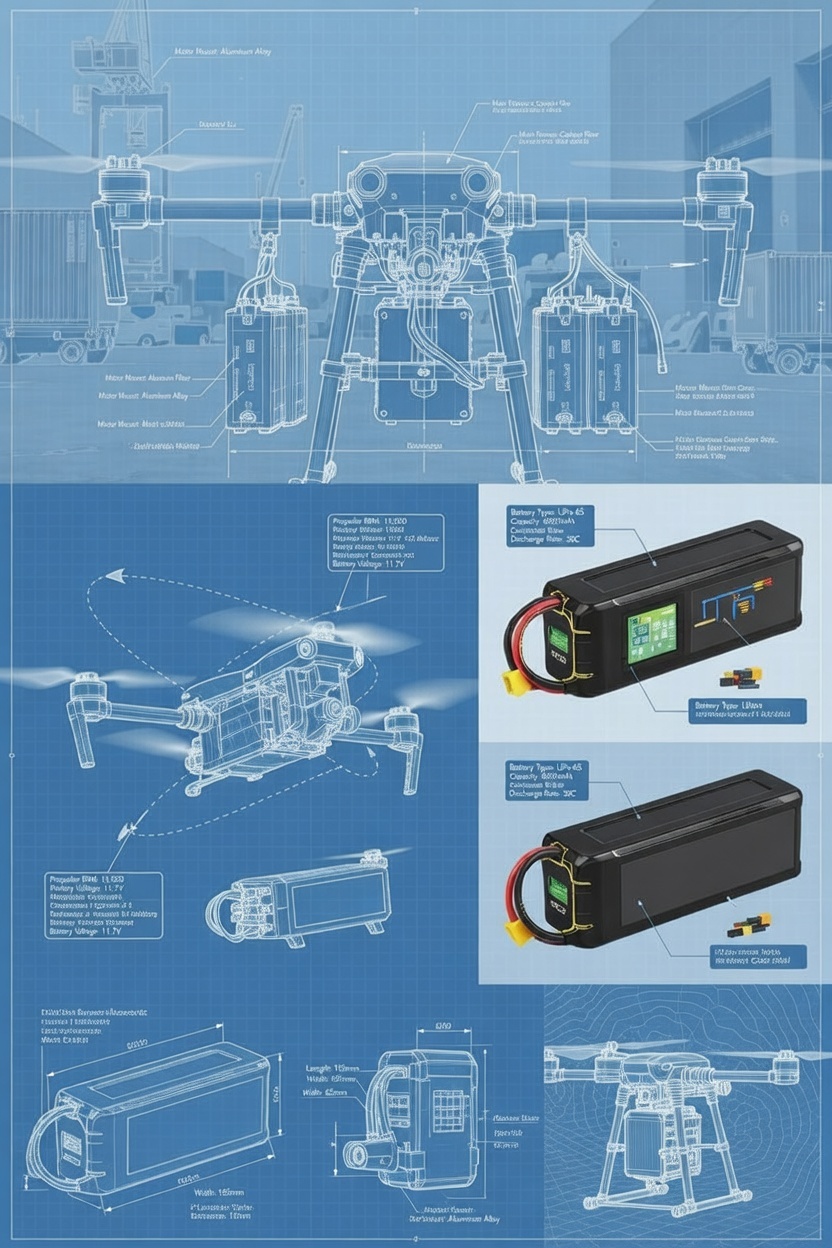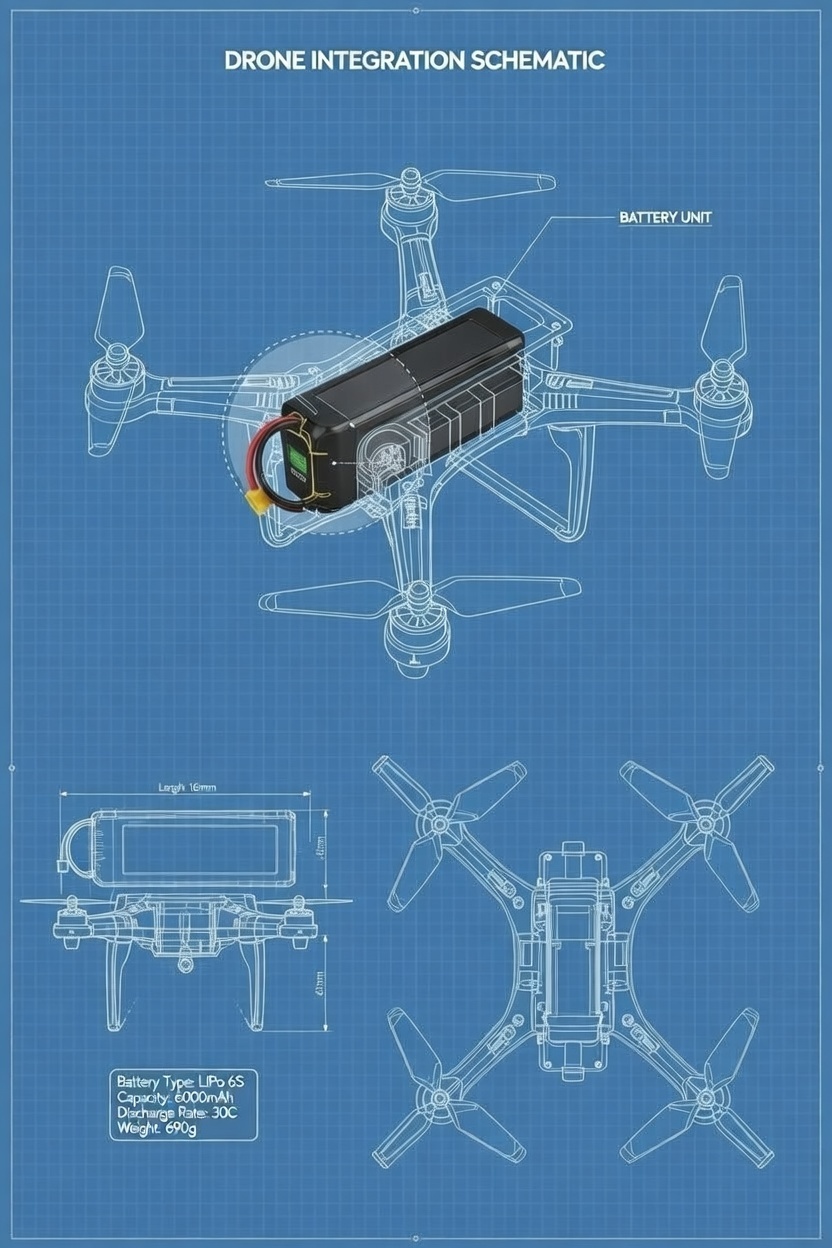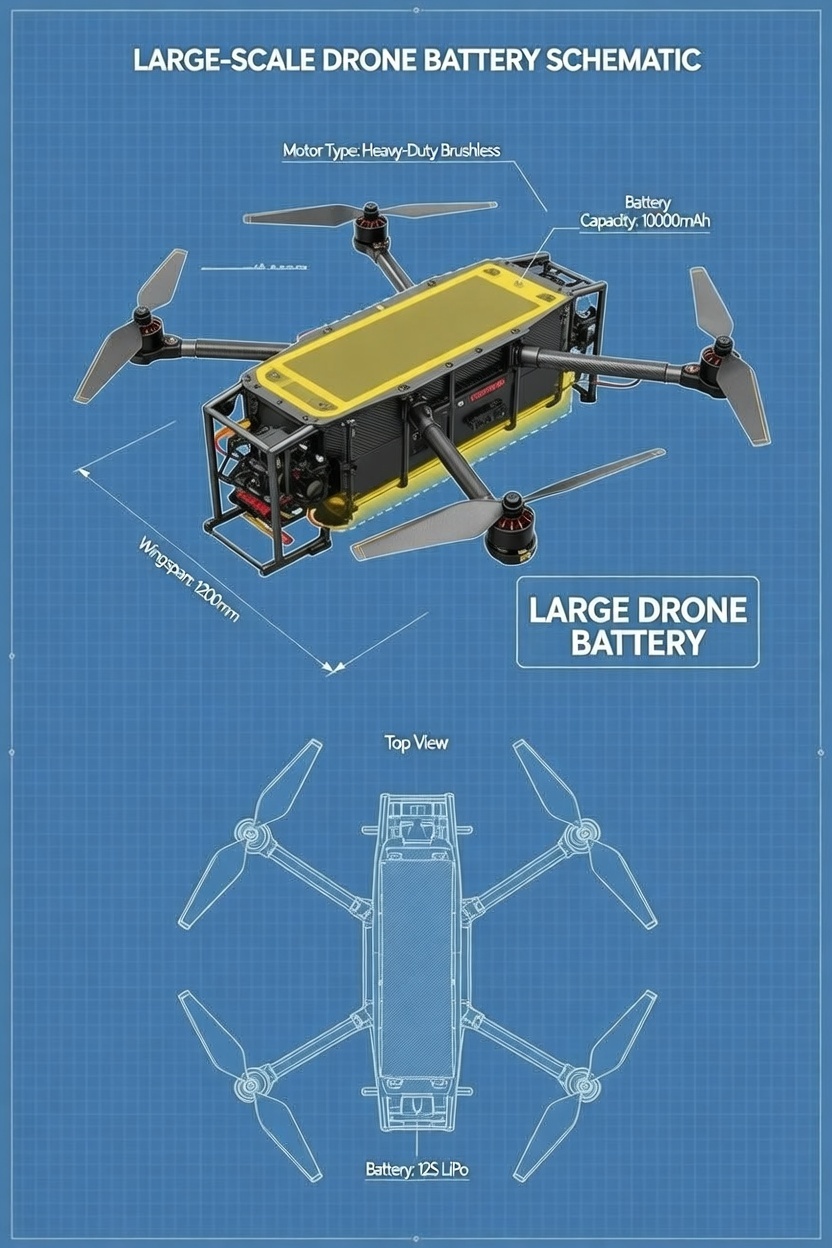
The intersection of unmanned aerial vehicle (UAV) technology and hydrogen fuel research represents one of the most promising frontiers in modern energy. Hydrogen fuel testing labs are critical environments where the next generation of clean energy solutions is validated. In these facilities, drones are increasingly deployed for infrastructure inspection, gas leak detection, and environmental monitoring. However, operating lithium-based drone batteries within a hydrogen-rich environment introduces a complex set of safety challenges. The primary concern is not merely flight performance, but the prevention of ignition sources in potentially explosive atmospheres.
For facility managers and safety officers, the question is not just about how long a drone can fly, but how safely its power source can be managed, particularly during charging. Fast charging is essential for operational efficiency, yet it inherently generates heat and electrical stress. In a hydrogen fuel testing lab, where even a minor spark can have catastrophic consequences, standard charging protocols are insufficient. This article diagnoses the critical risks associated with drone battery usage in these sensitive environments and provides a list of technical solutions to ensure safety without compromising operational tempo.
Diagnosis: Identifying the Risks in Hydrogen Environments
To implement effective safety measures, one must first understand the specific failure modes that threaten hydrogen testing facilities. The convergence of high-energy-density batteries and flammable gases creates a unique hazard profile.
1. Thermal Runaway in Confined Spaces
The most significant risk associated with lithium-ion batteries is thermal runaway. This is a violent, uncontrollable chain reaction where increased temperature changes conditions to cause a further increase in temperature. In a standard office environment, a battery venting gas is a hazard. In a hydrogen lab, where ambient hydrogen levels may fluctuate during testing, the release of hot particulates or flammable electrolyte vapors from a battery can trigger a secondary explosion. Research indicates that thermal runaway often begins with internal short circuits or overcharging, leading to gas production and swelling before the eventual爆发 (burst). Detecting this early through voltage and temperature monitoring is critical, but standard drone batteries often lack the granular sensors required for lab-grade safety.
2. Spark Generation During Connection
The physical act of connecting a battery to a charger is a common source of arcing. In hazardous locations classified under standards such as ATEX or IECEx, any equipment must be intrinsically safe. Standard drone charging ports are not designed to prevent sparks upon connection. If a hydrogen leak is present in the charging area, the simple act of plugging in a high-current charger can serve as an ignition source. This risk is compounded during fast charging, where current levels are higher, increasing the potential energy of any accidental arc.
3. Incompatibility of Fast Charging Protocols
Operational efficiency demands quick turnaround times. However, aggressive fast charging protocols increase the internal resistance heat of the battery cells. In a hydrogen lab, ambient temperatures might already be controlled strictly, but the localized heat from a charging battery can disrupt sensitive testing equipment or create thermal gradients that affect gas density readings. Furthermore, standard fast charging often pushes cells to their voltage limits, increasing the likelihood of lithium plating, which degrades safety margins over time.
4. Regulatory Compliance Gaps
Many commercial drone batteries comply with general transport safety standards like UN38.3, which ensures they can be shipped safely. However, UN38.3 does not certify a battery for use within a Class I hazardous location where flammable gases are present. Using non-certified equipment in a hydrogen fuel testing lab can lead to severe regulatory violations, insurance nullification, and increased liability in the event of an incident.
List-Style Solutions: Engineering Safety into Power Systems
Mitigating these risks requires a multi-layered approach involving hardware modifications, charging protocol adjustments, and procedural controls. The following solutions are derived from current industrial safety standards and advanced battery management technologies.
1. Implement Intrinsically Safe Battery Designs
The first line of defense is the battery hardware itself. For operations within hydrogen testing zones, drones should be equipped with batteries designed for hazardous locations. These units feature reinforced casings that can contain internal failures and prevent the escape of sparks or hot gases. Look for certifications that align with industrial safety equipment standards, such as those from the Safety Equipment Institute (SEI) or compliance with ANSI and CSA requirements for occupational safety. The battery casing should be sealed to prevent hydrogen gas from entering the cell housing, which could otherwise react with internal components during a failure event.
2. Utilize Advanced Battery Management Systems (BMS)
A robust BMS is non-negotiable for lab environments. Beyond basic voltage balancing, the BMS must incorporate multi-point thermal mapping. As noted in recent technical reviews, nanosecond cell monitoring with real-time voltage tracking accuracy of ±1mV and dynamic current calibration are essential. The system should be capable of detecting the early stages of thermal runaway, such as slight pressure changes or gas production within the cell pack. If anomalies are detected, the BMS must immediately cut power and isolate the battery. Some advanced systems now integrate gas sensors directly into the battery pack to sniff for electrolyte venting before thermal escalation occurs.
3. Adopt Pulse Charging Technology
To balance the need for speed with safety, facilities should transition from constant current (CC) charging to pulse charging protocols. Research published in the Journal of Energy Chemistry suggests that using pulse current to charge lithium-ion batteries can improve safety and cycle stability. Pulse charging allows the battery to rest between current bursts, facilitating ion diffusion and reducing heat buildup. This method minimizes the risk of lithium plating and keeps the cell temperature within a safer range, which is crucial when charging near sensitive hydrogen equipment. It effectively allows for “fast” charging without the thermal penalty of continuous high-current flow.
4. Establish Remote Charging Stations
Procedural controls are as important as hardware. Ideally, drone batteries should never be charged inside the primary hydrogen testing chamber. Facilities should establish dedicated charging stations located in a safe zone, outside the hazardous area classification. These stations should be equipped with fire suppression systems specifically rated for lithium battery fires, such as Class D extinguishers or specialized aerosol suppression. By physically separating the charging process from the hydrogen storage and testing areas, the risk of a battery incident triggering a hydrogen explosion is drastically reduced.
5. Ensure Compliance with Hazardous Location Standards
All charging equipment, including cables and connectors, must be rated for the specific zone of operation. If charging must occur near the lab, equipment should meet ATEX or IECEx standards for explosive atmospheres. This includes using explosion-proof enclosures for the chargers themselves. Documentation of compliance should be maintained for all power systems. This not only ensures safety but also protects the facility during safety audits. Referencing standards like IEC 62133 for battery safety and integrating them with local hazardous material handling regulations is a best practice for maintaining authority and trustworthiness in operations.
6. Integrate Real-Time Monitoring and Decontamination Protocols
Just as personnel undergo decontamination processes when leaving hazardous waste sites, equipment should undergo safety checks. Drones returning from a hydrogen-rich environment may have trace gases on their surfaces. Before charging, drones should be purged or aired out in a ventilated safe zone. Additionally, the charging process should be monitored remotely. Using IoT-enabled chargers that transmit data to a central safety dashboard allows safety officers to monitor battery temperature and charging status without being physically present near the equipment. This aligns with modern safety-driven outcomes where technology ensures “Safe Up, Safe Down, and Safe Home” for all operational assets.
User Benefits: Why Safety Equals Efficiency
Investing in specialized drone battery safety solutions offers tangible benefits beyond risk mitigation. Firstly, it ensures operational continuity. By preventing battery-related incidents, labs avoid costly shutdowns and investigations that can halt research for weeks. Secondly, it extends asset lifespan. Pulse charging and advanced thermal management reduce stress on battery cells, meaning fewer replacements and lower long-term costs. Thirdly, it guarantees regulatory compliance. Adhering to strict safety standards protects the organization from legal liabilities and ensures insurance coverage remains valid. Finally, it fosters a culture of safety. When researchers and technicians trust their equipment, they can focus on innovation rather than worrying about potential hazards.
Conclusion
The integration of drones into hydrogen fuel testing labs is a logical evolution in industrial monitoring, but it demands a rigorous approach to power management. The risks of thermal runaway, spark generation, and regulatory non-compliance are too significant to ignore. By diagnosing these potential failures and implementing solutions such as intrinsically safe designs, pulse charging technology, and remote charging protocols, facilities can harness the efficiency of UAVs without compromising safety.
Safety in high-risk environments is not just about following rules; it is about engineering systems that anticipate failure and prevent it. As the hydrogen economy grows, the standards for equipment used within its infrastructure will only become more stringent. Adopting these best practices now positions your facility as a leader in both safety and innovation.
For organizations seeking to upgrade their drone power systems with custom safety features tailored to hazardous environments, professional guidance is essential. Specialized battery manufacturers can provide solutions that meet the unique demands of hydrogen testing labs, ensuring both performance and compliance.
Contact us today to discuss your specific safety requirements and discover how our custom battery solutions can secure your operations.
Get Your Custom Solution: https://cnsbattery.com/drone-battery-home/drone-battery-contact